Artwork
Madame Cézanne à la jupe rayée (Madame Cézanne in a Red Armchair)
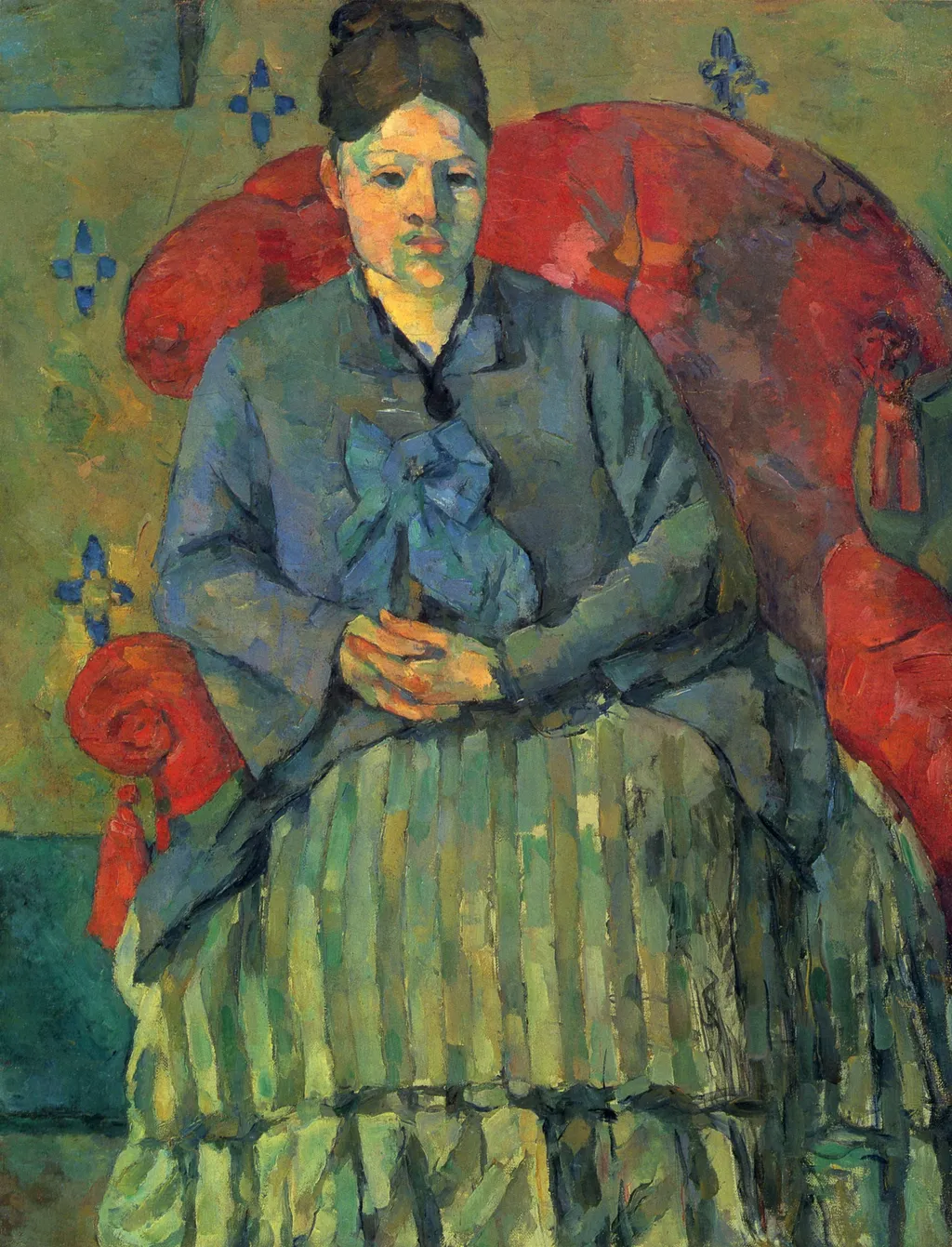
Madame Cézanne à la jupe rayée (Madame Cézanne in a Red Armchair) is an oil painting by the Impressionist artist Paul Cezanne. It dates from 1889 and is held in the collection of the Museum of Fine Arts Boston.
About this work
Overview
It showcases his characteristic exploration of form and structured composition, which would prove influential for later artistic developments.
Paul Cézanne's 1889 oil painting, Madame Cézanne à la jupe rayée, portrays his wife, Marie-Hortense Fiquet, seated in a vibrant red armchair. This work exemplifies Cézanne's distinctive approach, bridging the Impressionist movement with the emerging principles of Post-Impressionism. It showcases his characteristic exploration of form and structured composition, which would prove influential for later artistic developments.
Subject & Meaning
The painting presents Marie-Hortense Fiquet in a composed posture, her hands clasped in her lap, against a subtly rendered background featuring indistinct blue crosses and a red floral motif. She wears a dark dress with a white collar and a striped skirt, contrasting with the bright red of the chair. Cézanne's portraits often emphasized a detached observation, focusing on the sitter's presence through formal elements rather than narrative.
Technique & Style
Executed in oil paint, the artwork features a prominent use of impasto, where paint is applied in thick, visible layers, creating a textured surface. Cézanne's brushwork is distinct, contributing to the painting's tactile quality. He employed subtle color contrasts and a degree of geometric simplification in rendering the figure, reflecting his interest in the underlying structure of forms rather than purely optical effects, a hallmark of his evolving style.
Context
Painted during a pivotal period in Cézanne's career, this work illustrates his departure from strict Impressionist principles. While sharing Impressionism's focus on light and color, Cézanne sought to imbue his compositions with greater solidity and permanence. His systematic approach to form and space, evident in this portrait, laid foundational groundwork for subsequent artistic movements, distinguishing his contribution from his contemporaries.
History & Provenance
Madame Cézanne à la jupe rayée is an integral part of the collection at the Museum of Fine Arts, Boston. Its acquisition contributes to the museum's representation of late 19th-century European painting, showcasing a key work by an artist whose innovations significantly shaped the trajectory of modern art.
Own this work as a print
Artist & collection
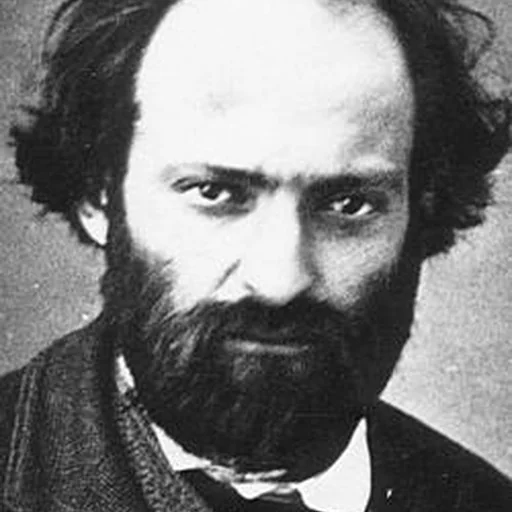
Artist
Paul Cézanne was born on January 19, 1839, in Aix-en-Provence, the son of a hatter turned wealthy banker.

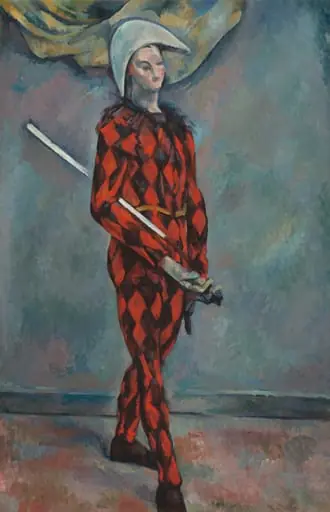 Harlequin
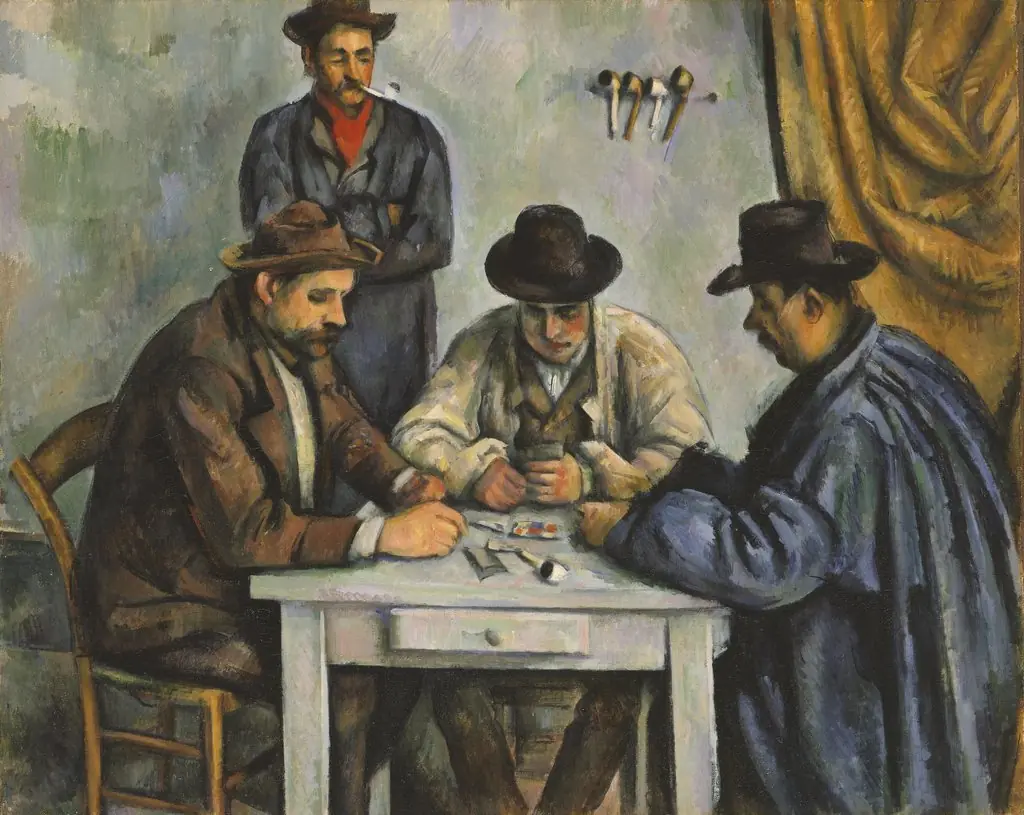 The Card Players
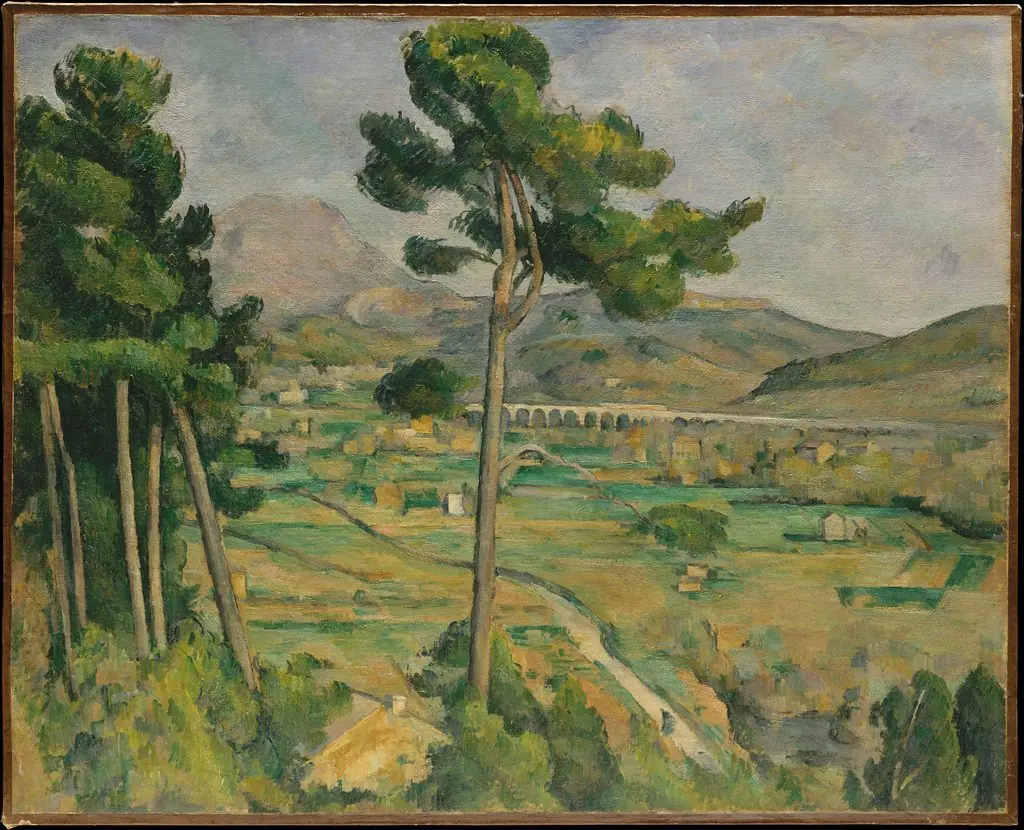 Mont Sainte-Victoire and the Viaduct of the Arc River Valley
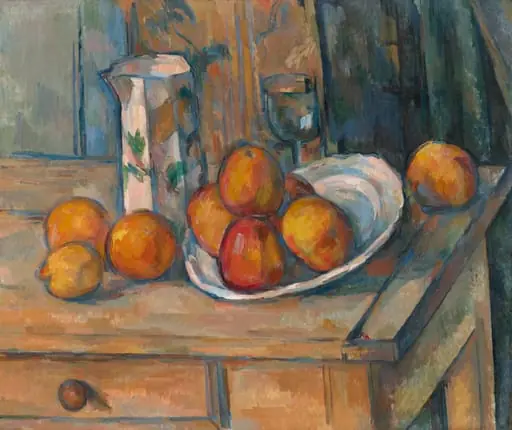 Still Life with Milk Jug and Fruit
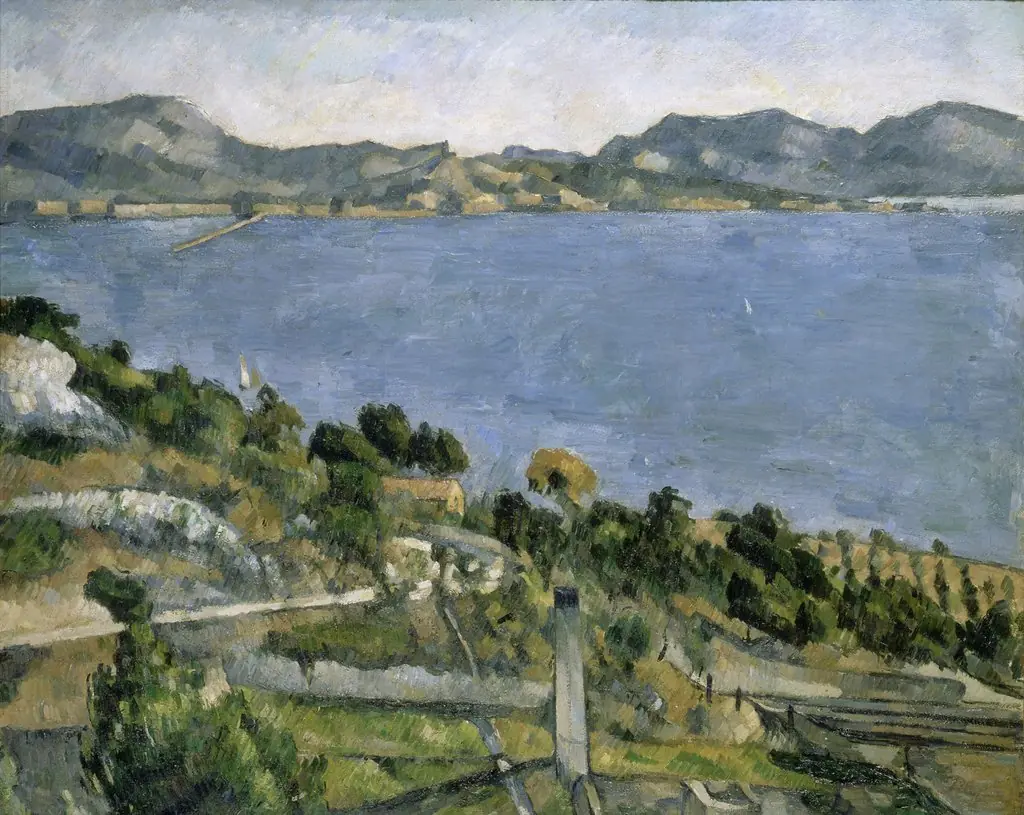 Le Golfe de Marseille vu de l'Estaque (The Gulf of Marseille Seen from L'Estaque)
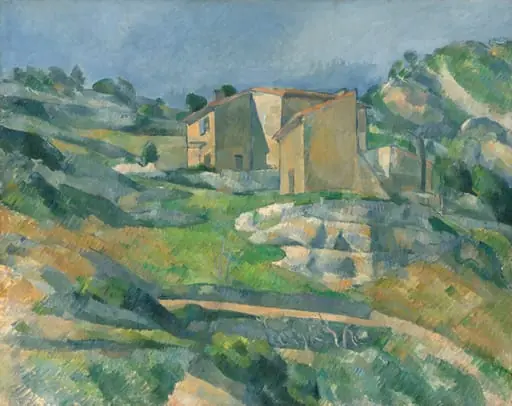 Houses in Provence: The Riaux Valley near L'Estaque
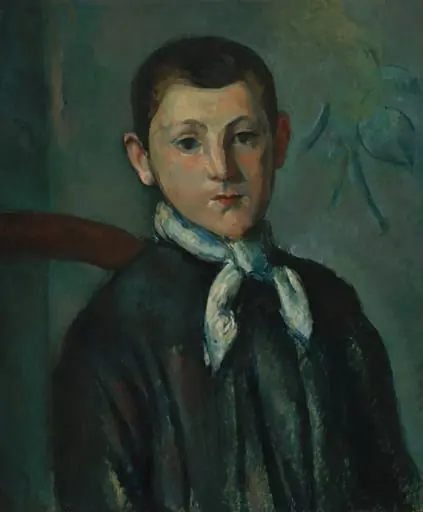 Louis Guillaume
 Still Life with Jar, Cup, and Apples