Artwork
Self-Portrait with Palette
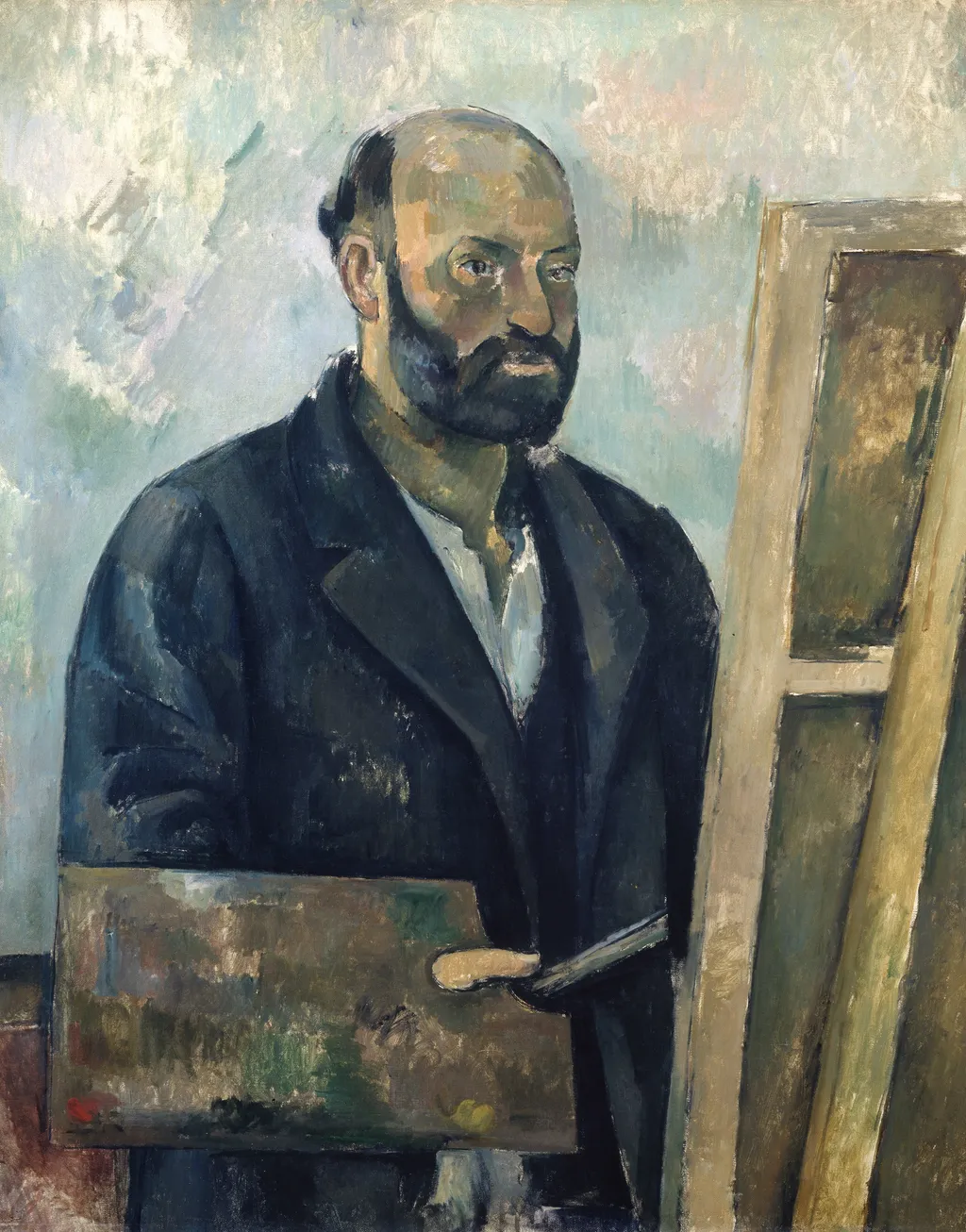
Self-Portrait with Palette is an oil painting by the Post-Impressionist artist Paul Cezanne. It dates from 1896 and is held in the collection of the Foundation E.G. Bührle Collection.
About this work
Overview
Paul Cézanne's Self-Portrait with Palette, painted in 1896, is an oil on canvas that captures the artist in a moment of self-reflection.
Paul Cézanne's Self-Portrait with Palette, painted in 1896, is an oil on canvas that captures the artist in a moment of self-reflection. This work exemplifies his distinctive approach to form and color, characteristic of the Post-Impressionist era. It holds a significant position in art history, demonstrating Cézanne's pivotal role in transitioning from Impressionist principles towards the structural innovations that would define early Cubism. The painting is part of the collection at Kunsthaus Zürich.
Subject & Meaning
In this self-portrait, Cézanne presents himself with a serious expression, his bald head and dark beard framing his features. He holds a painter's palette and brushes, signaling his identity as an artist. A white collar peeks from beneath his dark jacket, adding a touch of formality. The background remains indistinct, featuring a faint window and an easel with a canvas, which keeps the focus squarely on the artist's introspective presence and his tools of creation.
Technique & Style
Cézanne employed a methodical application of oil paint in this work, evident in the visible, textured brushstrokes. Particularly noticeable on the palette and the artist's jacket, this technique, known as impasto, gives certain areas a palpable, almost sculptural quality. This approach to building form through distinct color planes and visible brushwork was central to his redefinition of pictorial space, moving beyond the fleeting impressions of his predecessors.
Context
Created during the late 19th century, this self-portrait underscores Cézanne's profound influence on modern art. His systematic exploration of form and color laid foundational groundwork for subsequent movements. By moving away from purely optical representation and towards a more structured, analytical rendering of reality, Cézanne's work, including this self-portrait, served as a crucial link between the Impressionist movement and the geometric abstraction that would characterize Cubism in the early 20th century.
Own this work as a print
Artist & collection
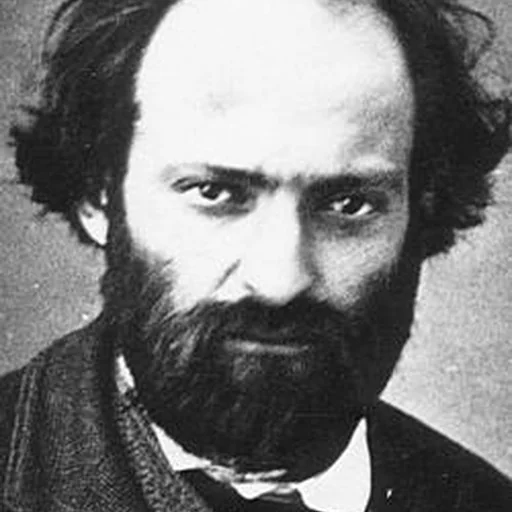
Artist
Paul Cézanne was born on January 19, 1839, in Aix-en-Provence, the son of a hatter turned wealthy banker.

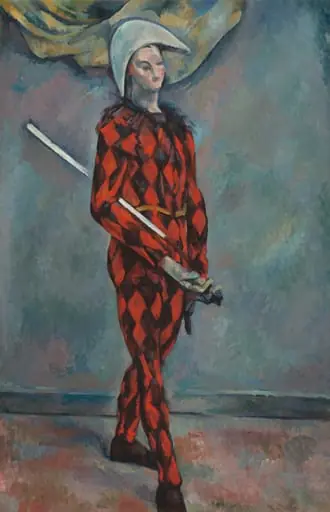 Harlequin
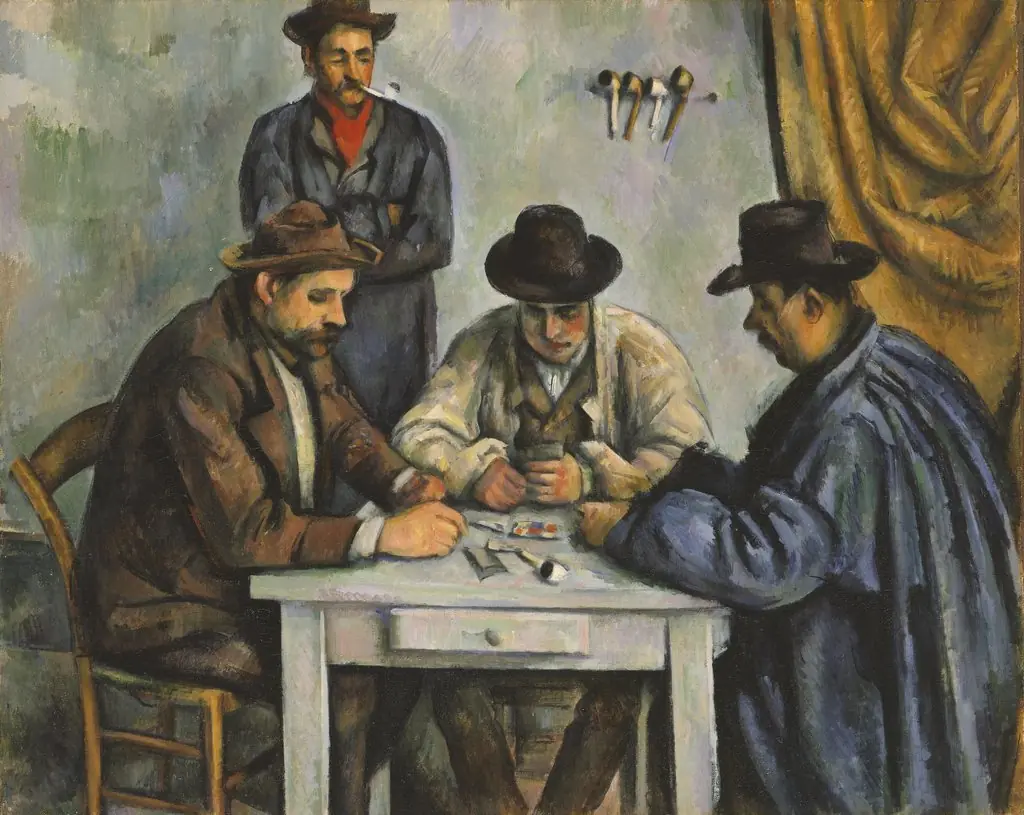 The Card Players
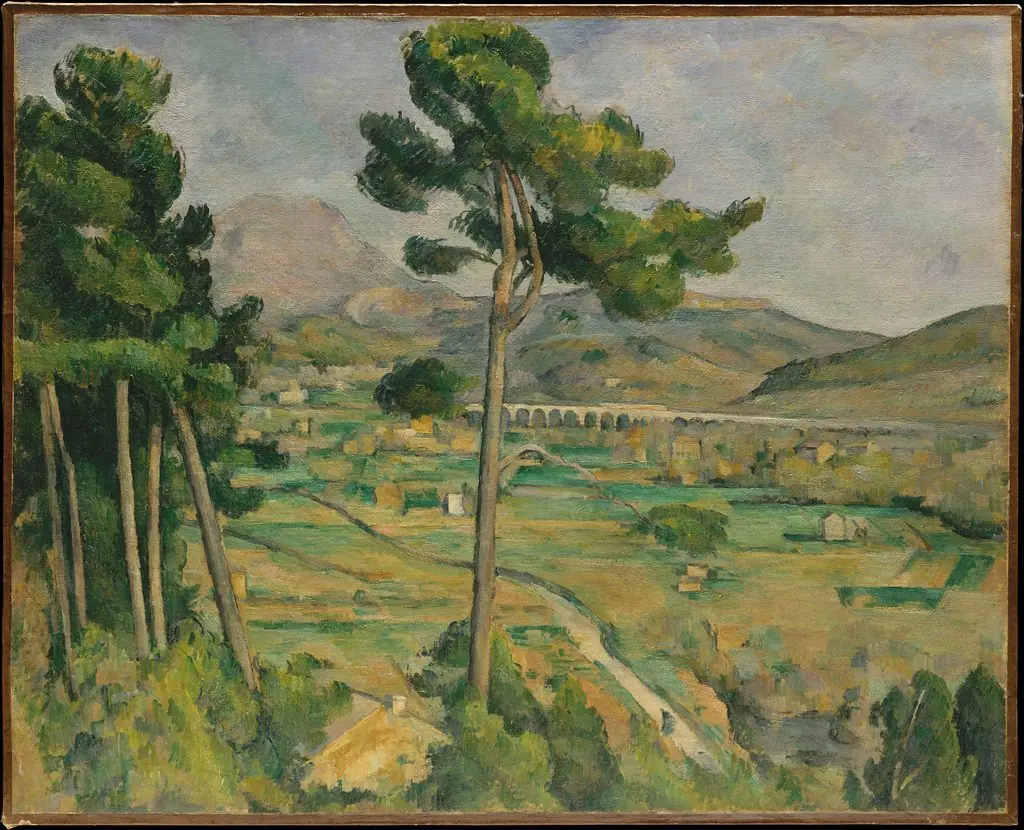 Mont Sainte-Victoire and the Viaduct of the Arc River Valley
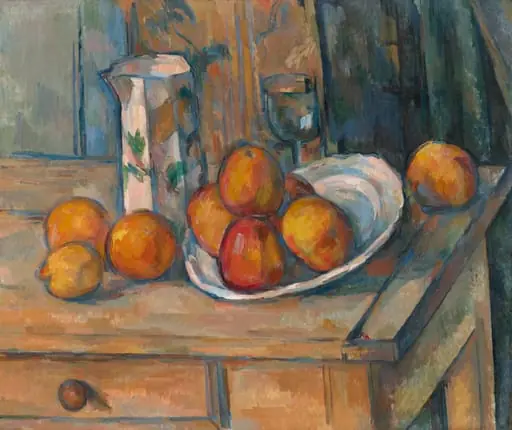 Still Life with Milk Jug and Fruit
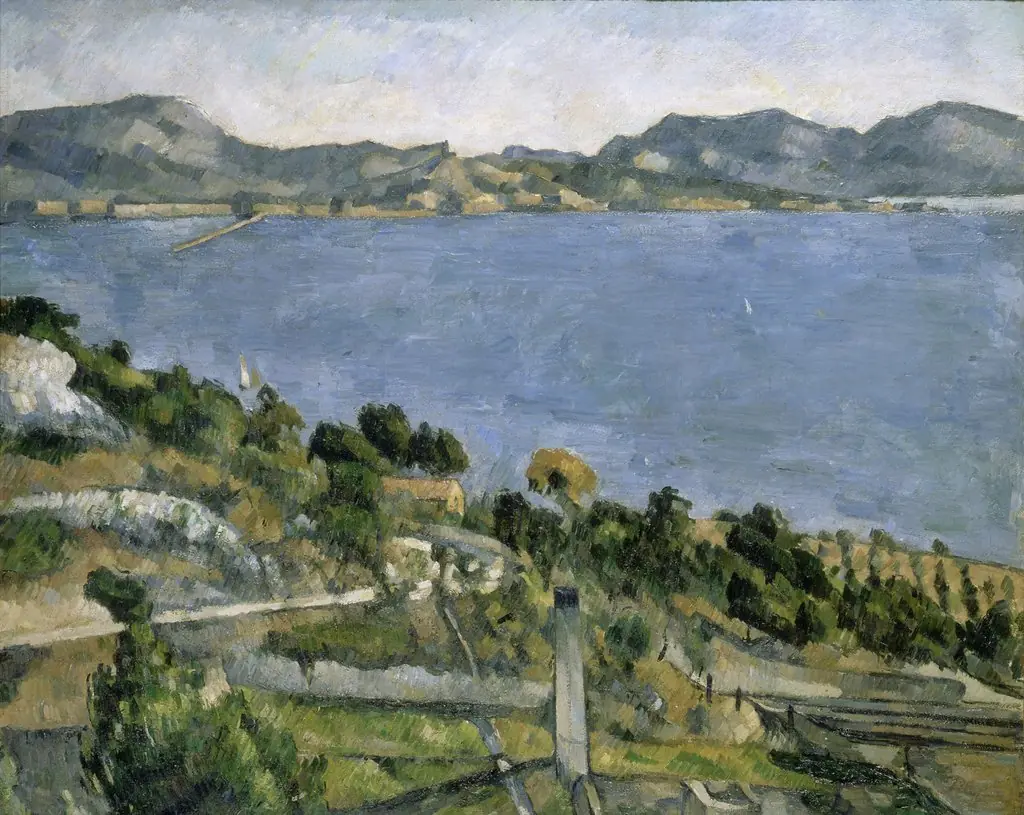 Le Golfe de Marseille vu de l'Estaque (The Gulf of Marseille Seen from L'Estaque)
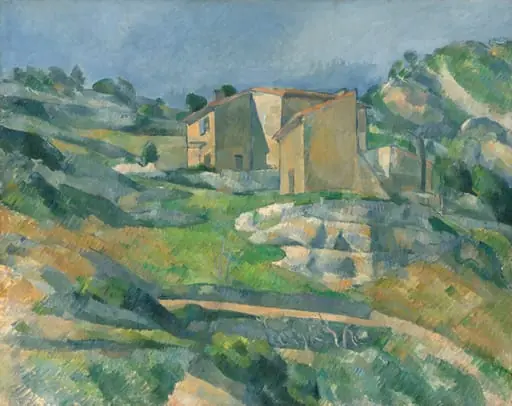 Houses in Provence: The Riaux Valley near L'Estaque
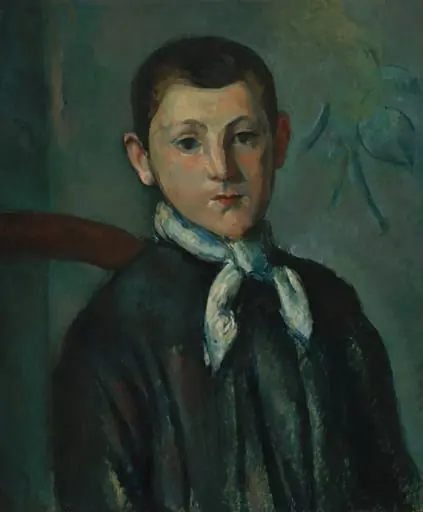 Louis Guillaume
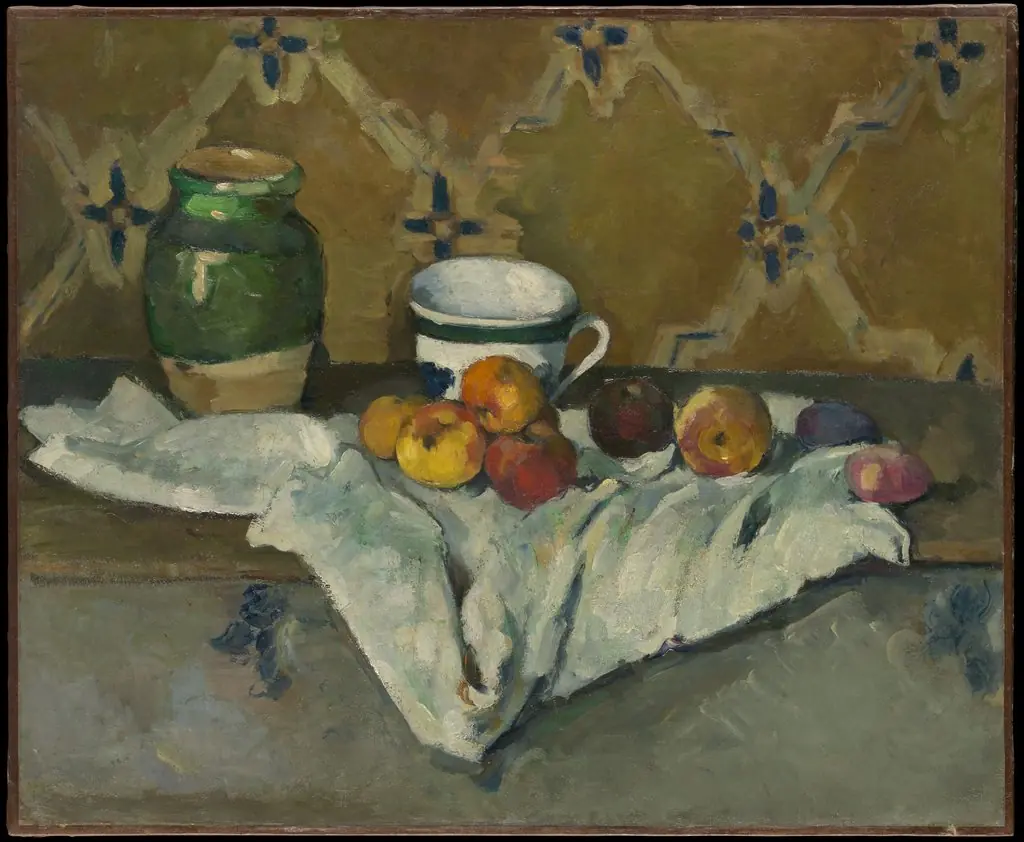 Still Life with Jar, Cup, and Apples