Artwork
The Basket of Apples
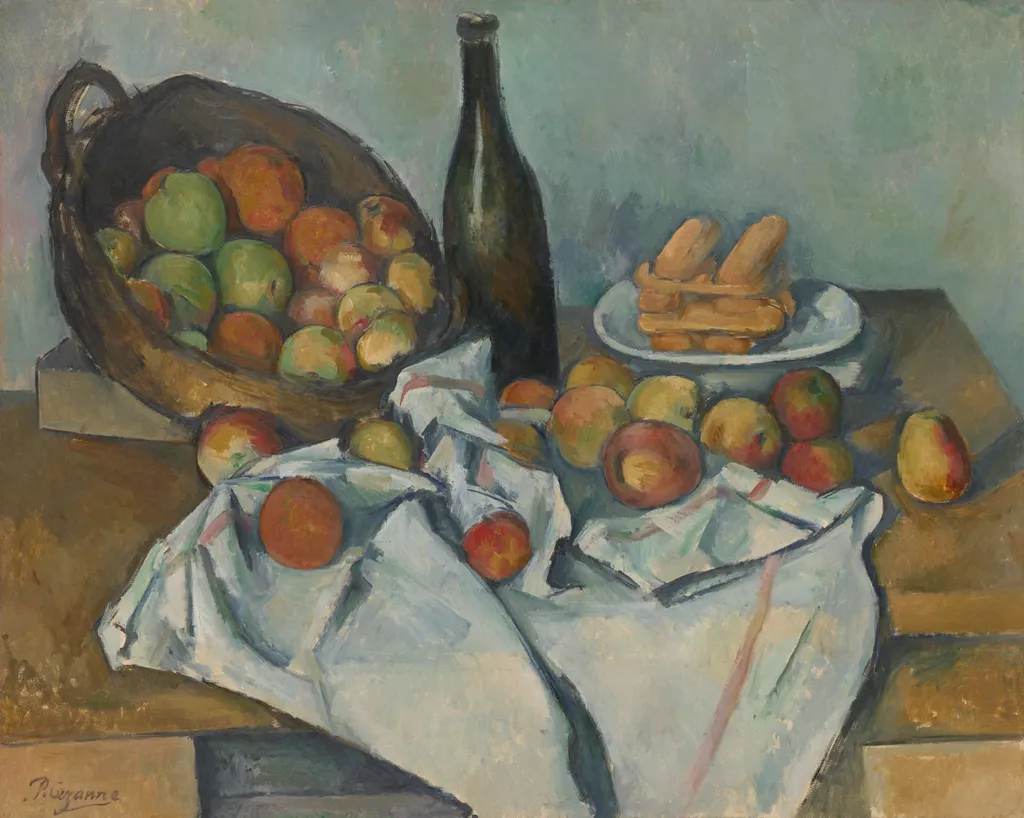
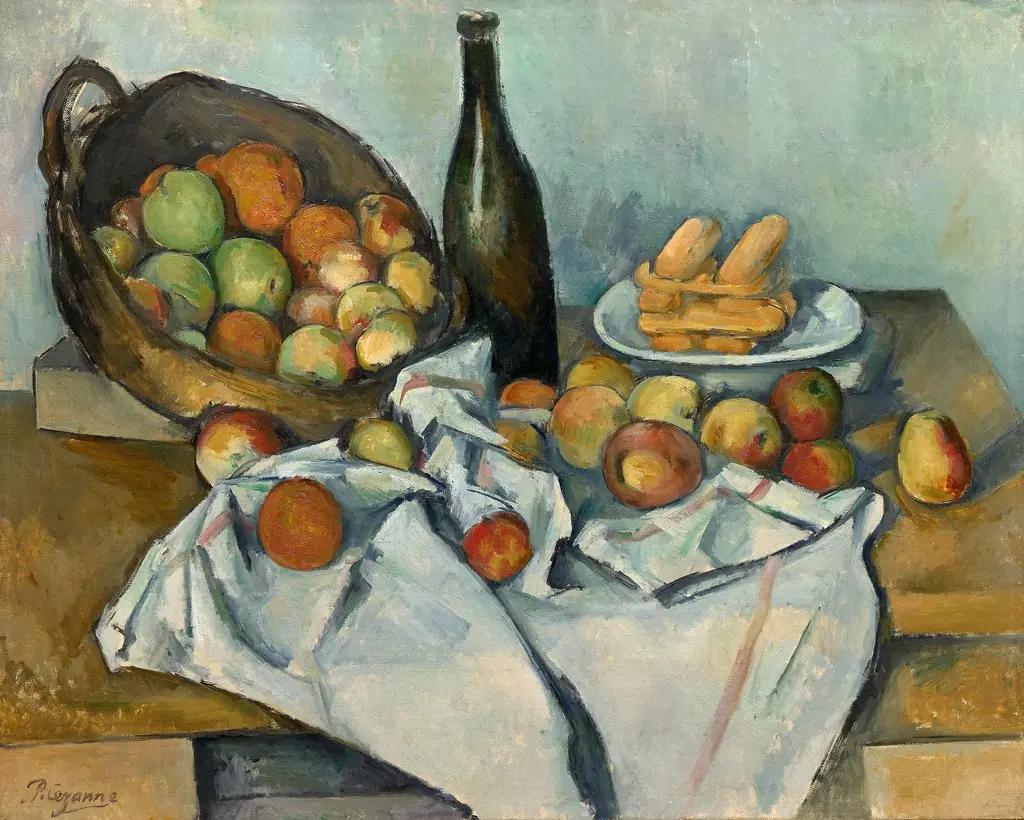
The Basket of Apples is an oil painting by the Impressionist artist Paul Cezanne. It dates from 1893 and is held in the collection of the Art Institute of Chicago.
About this work
Overview
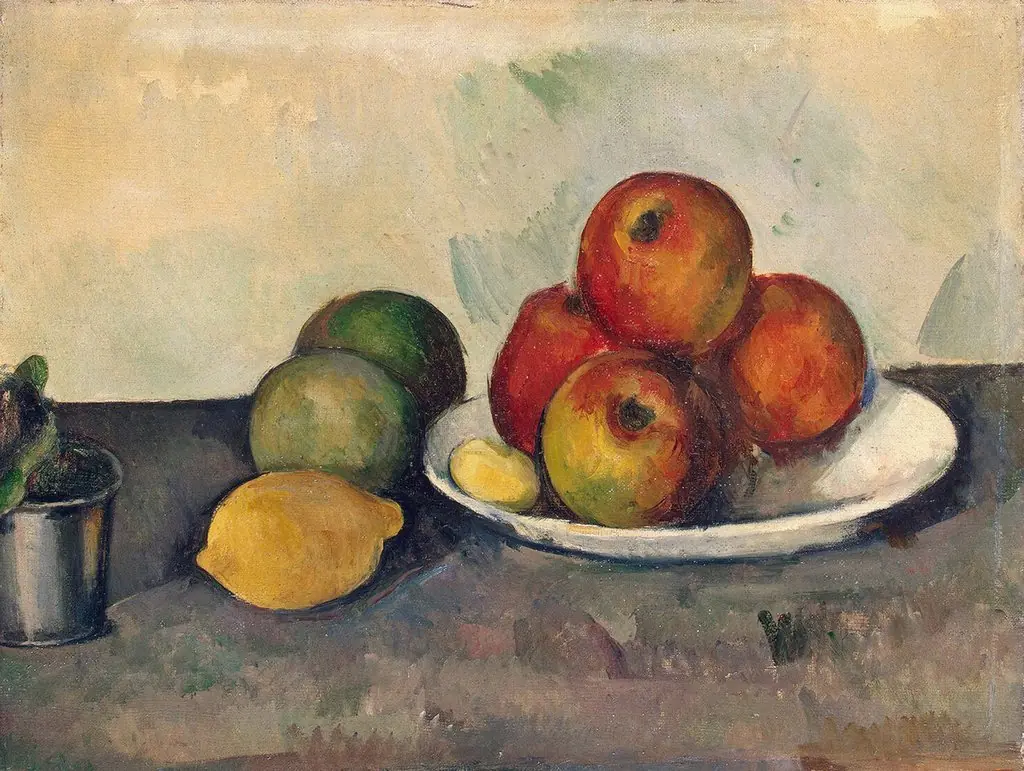
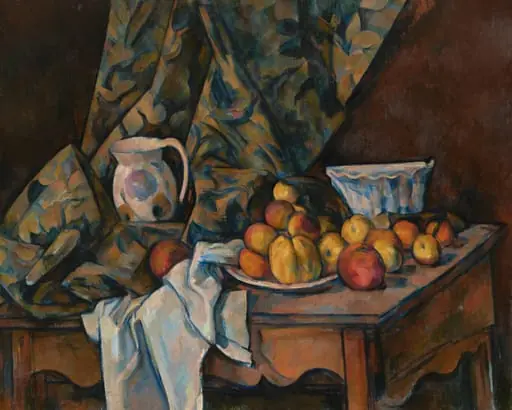
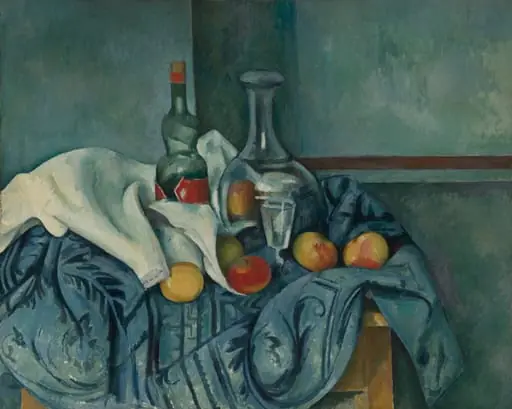
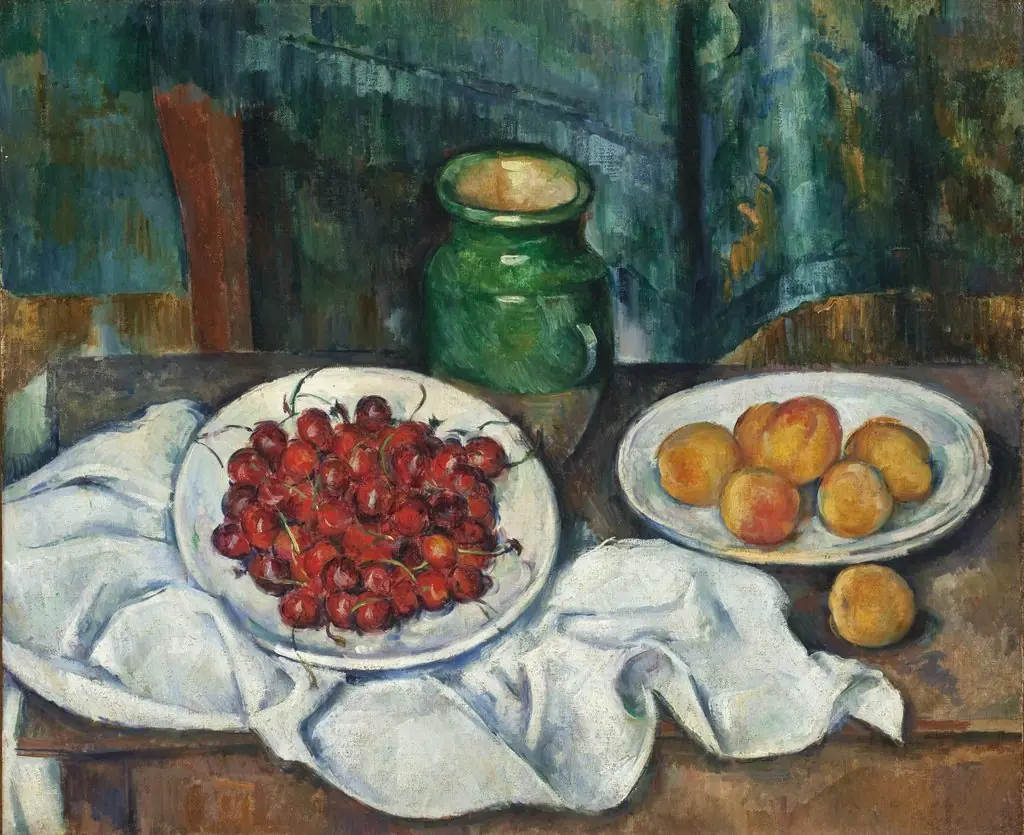
Paul Cézanne’s oil on canvas titled *The Basket of Apples* presents a still-life arrangement that disrupts conventional perspective. A table set with a basket of apples, a leaning wine bottle, and a stack of thin biscuits appears on a slightly askew surface, creating a sense of tension between the objects and the plane they occupy.
Subject & Meaning
The composition centers on everyday items—a fruit basket, a bottle, and pastries—yet their placement is deliberately off‑balance. The apples seem poised to tumble, the bottle tilts, and the biscuits stop just before toppling, suggesting a controlled instability that invites viewers to contemplate the relationship between form and space.
Technique & Style
Cézanne employs varied brushwork, from dense, sculptural strokes that give volume to the fruit and cloth, to looser, sketch‑like marks outlining the table’s edge. The shadows and angles do not align in a realistic manner; instead, the artist emphasizes geometric construction over optical fidelity, building the scene like interlocking blocks.
History & Provenance
Acquired as the first Cézanne work by the Art Institute of Chicago, the painting bears a rare signature in the lower left corner, a detail Cézanne seldom included. The presence of his mark may reflect the painting’s significance to the artist or to its early collector.
Context
Although Cézanne began with landscape subjects typical of the Impressionist circle, his still lifes, including this piece, marked a departure toward a more analytical approach. By challenging traditional *nature morte* conventions, he laid groundwork for later developments in modern art, influencing subsequent movements that valued structural analysis over mere representation.
Own this work as a print
Artist & collection
Artist
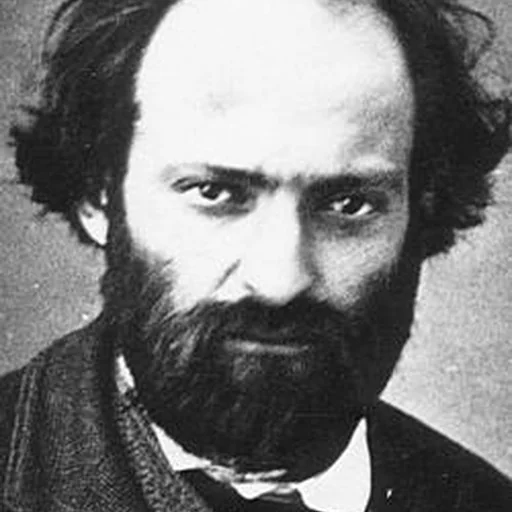
Paul Cézanne was born on January 19, 1839, in Aix-en-Provence, the son of a hatter turned wealthy banker.

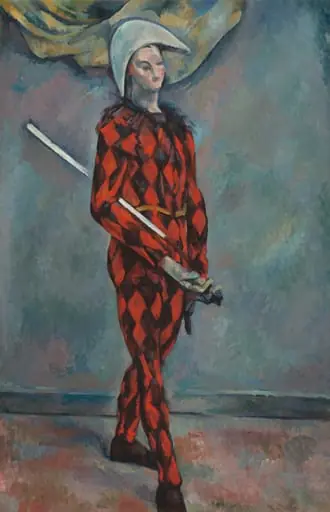 Harlequin
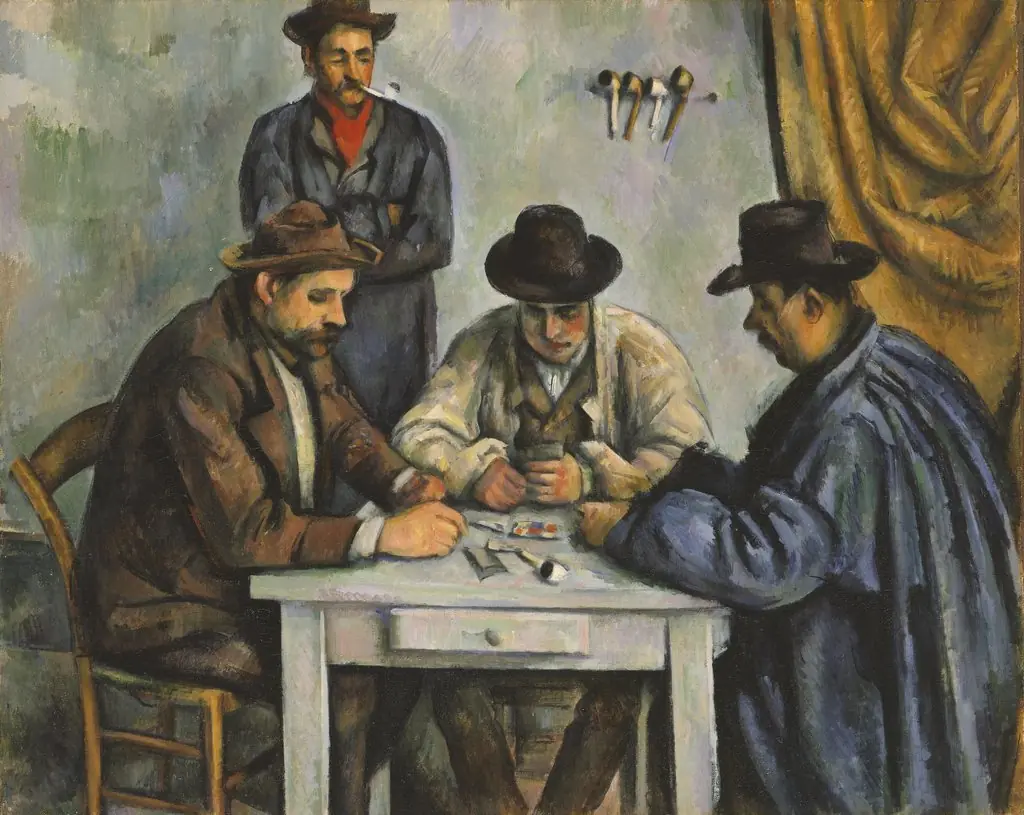 The Card Players
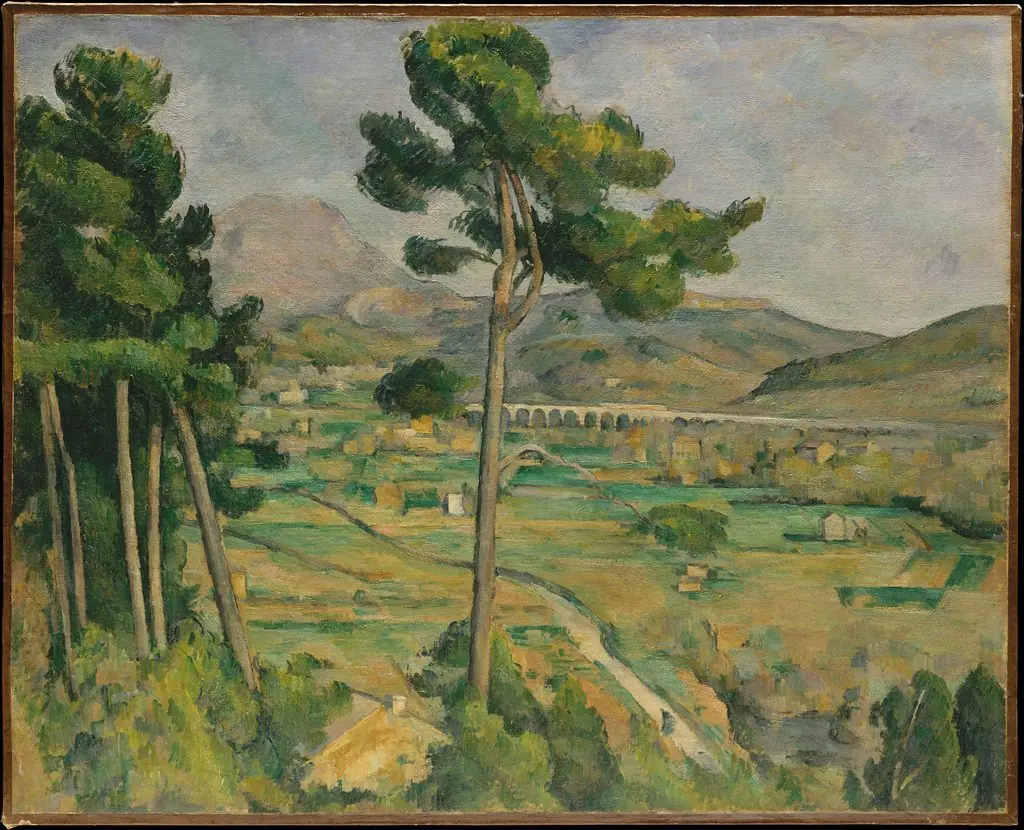 Mont Sainte-Victoire and the Viaduct of the Arc River Valley
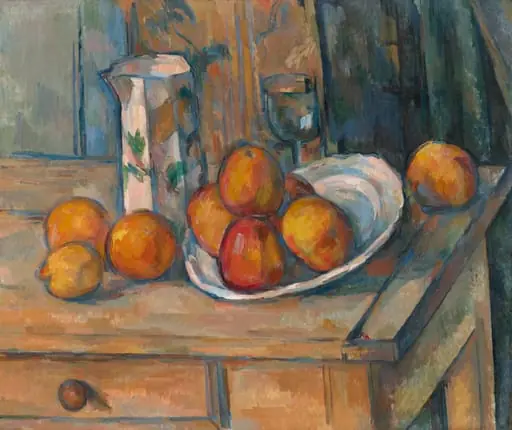 Still Life with Milk Jug and Fruit
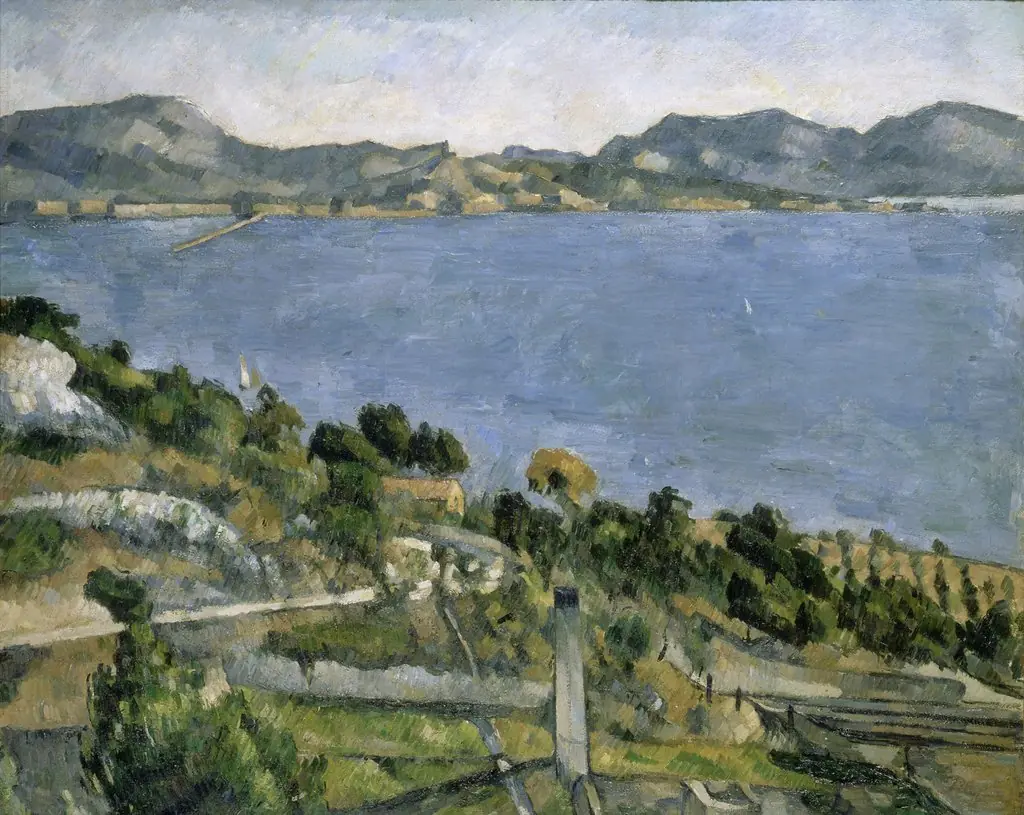 Le Golfe de Marseille vu de l'Estaque (The Gulf of Marseille Seen from L'Estaque)
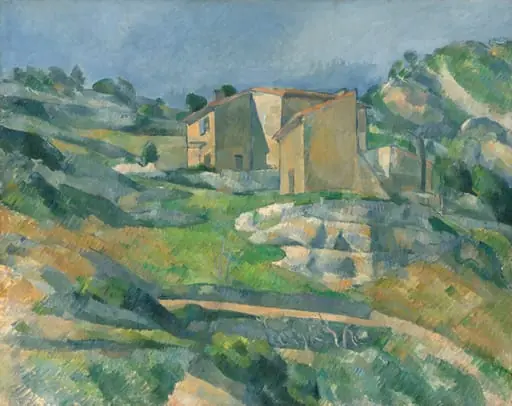 Houses in Provence: The Riaux Valley near L'Estaque
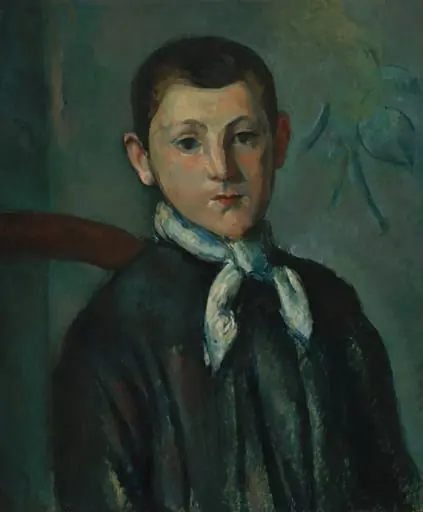 Louis Guillaume
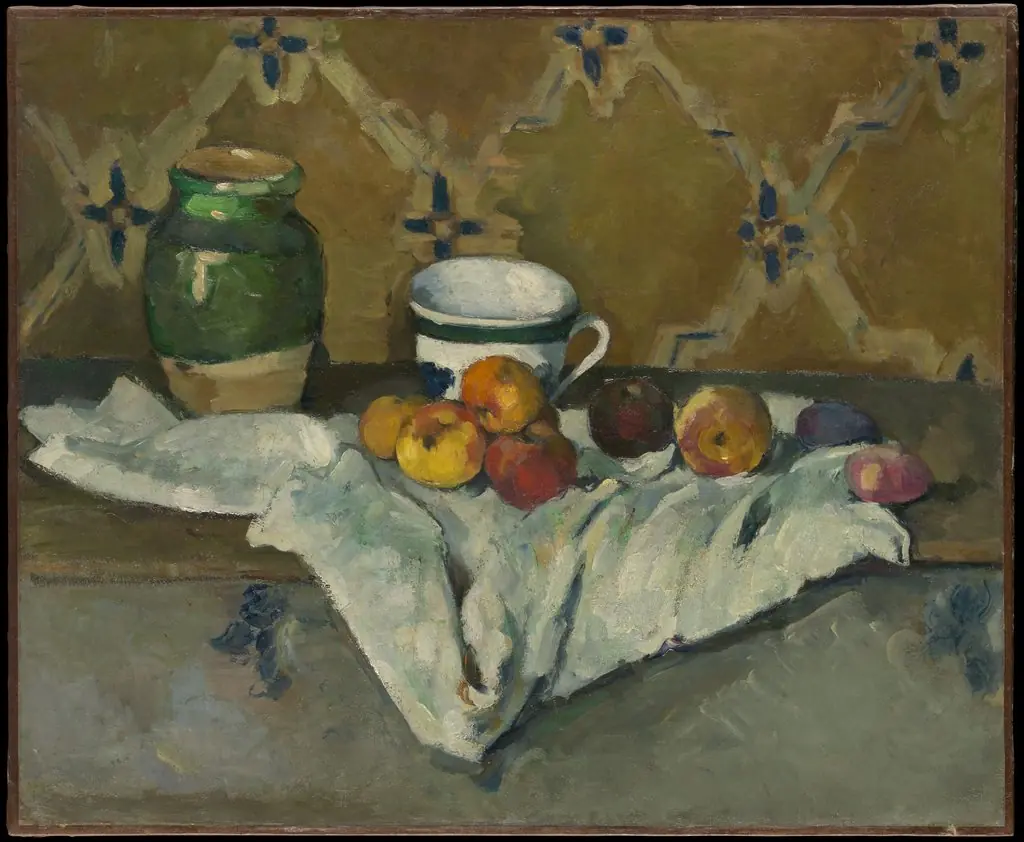 Still Life with Jar, Cup, and Apples