Artwork
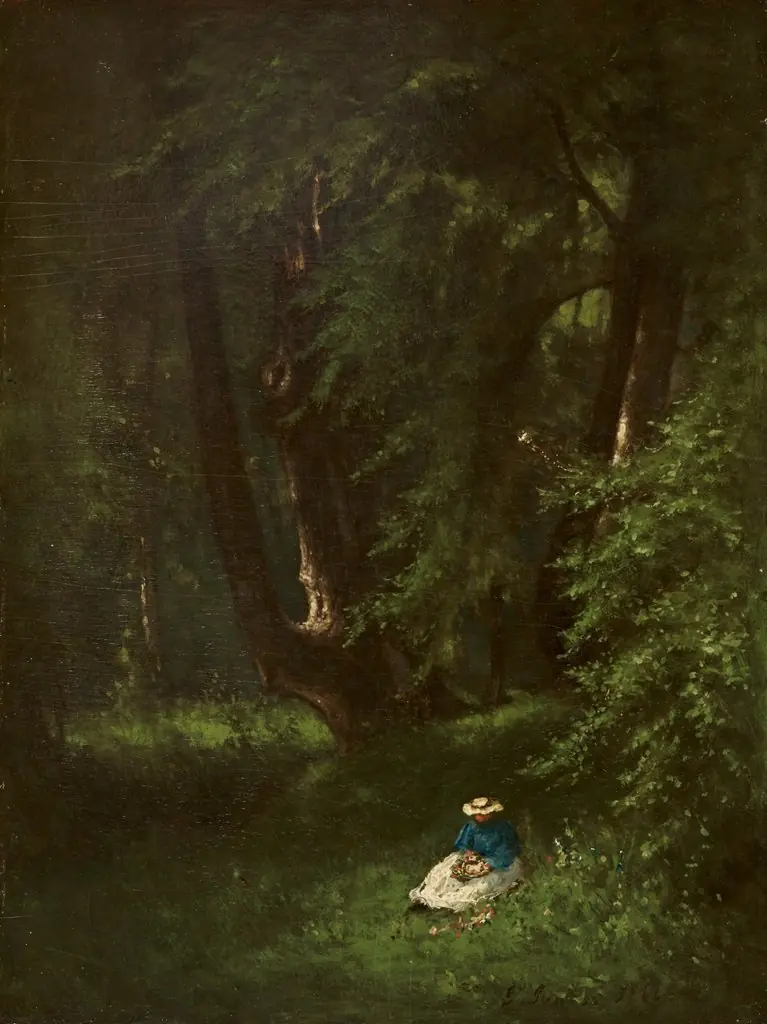
Offering to the God Pan
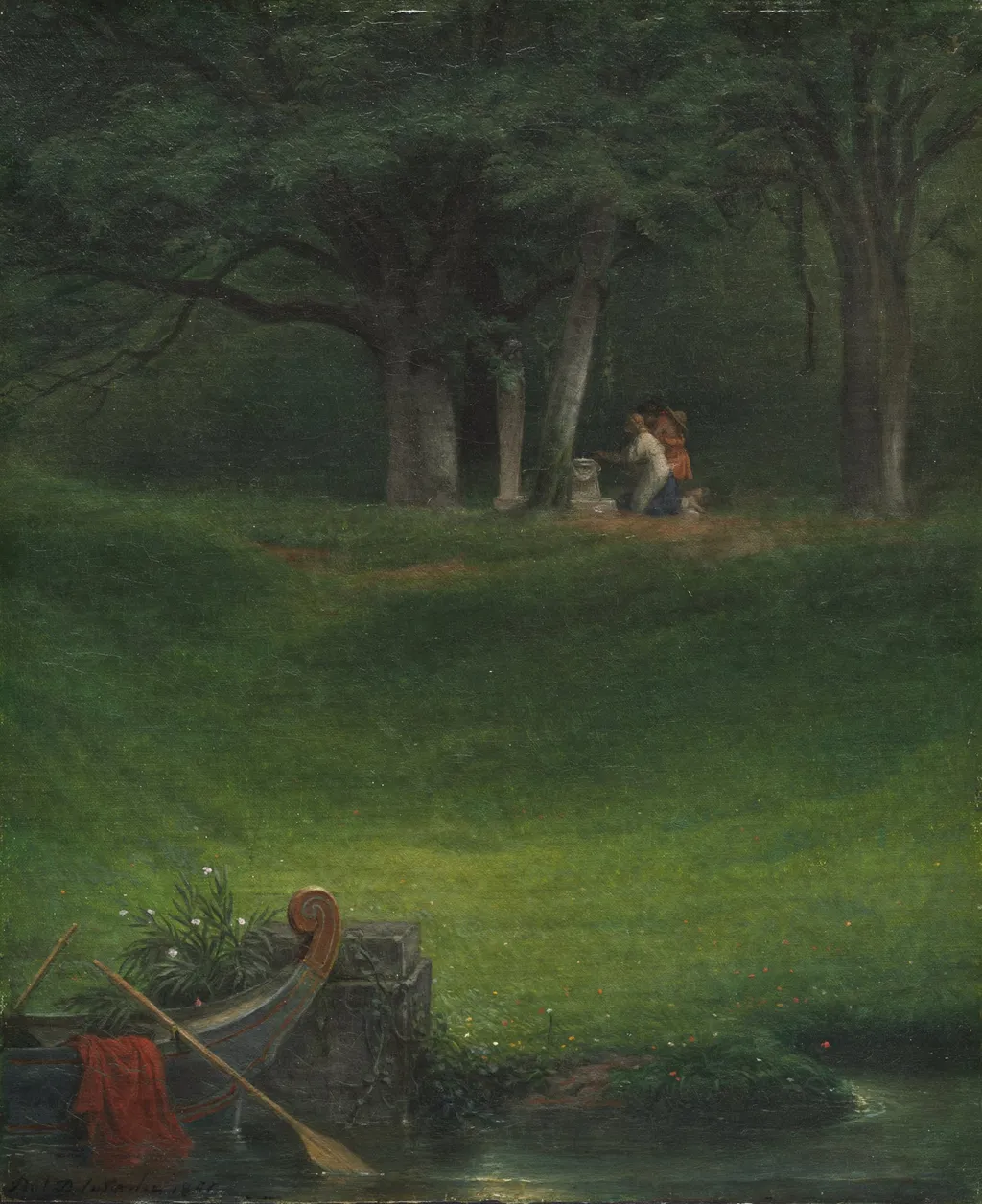
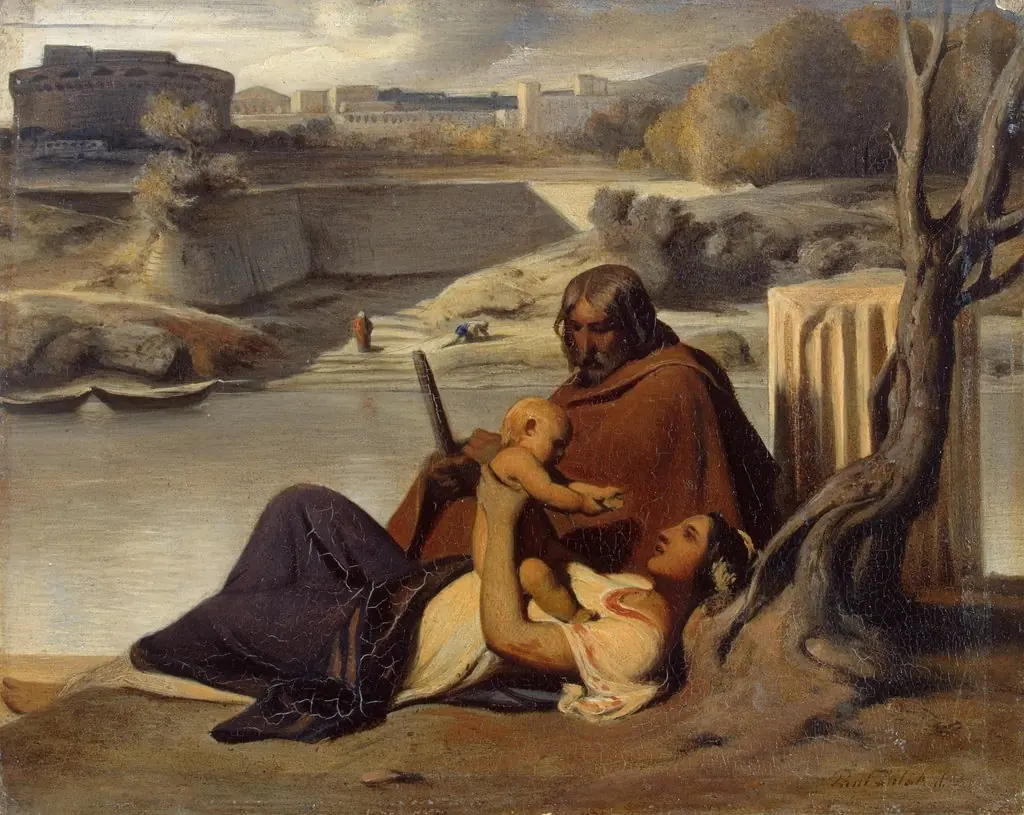
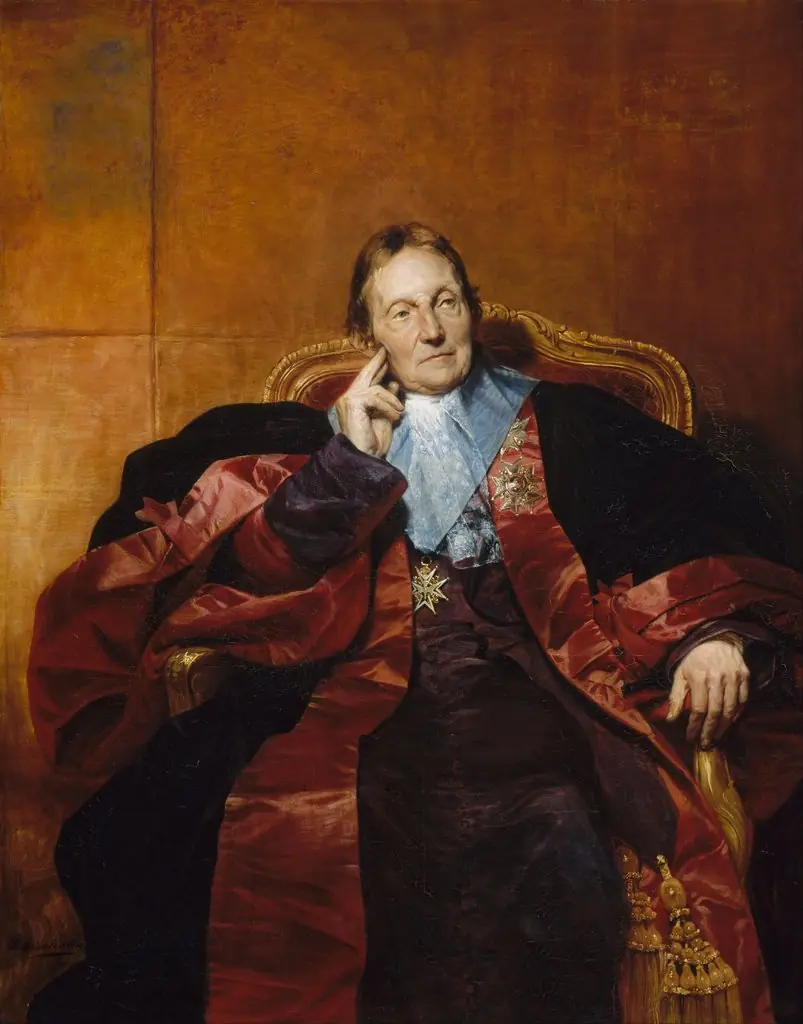
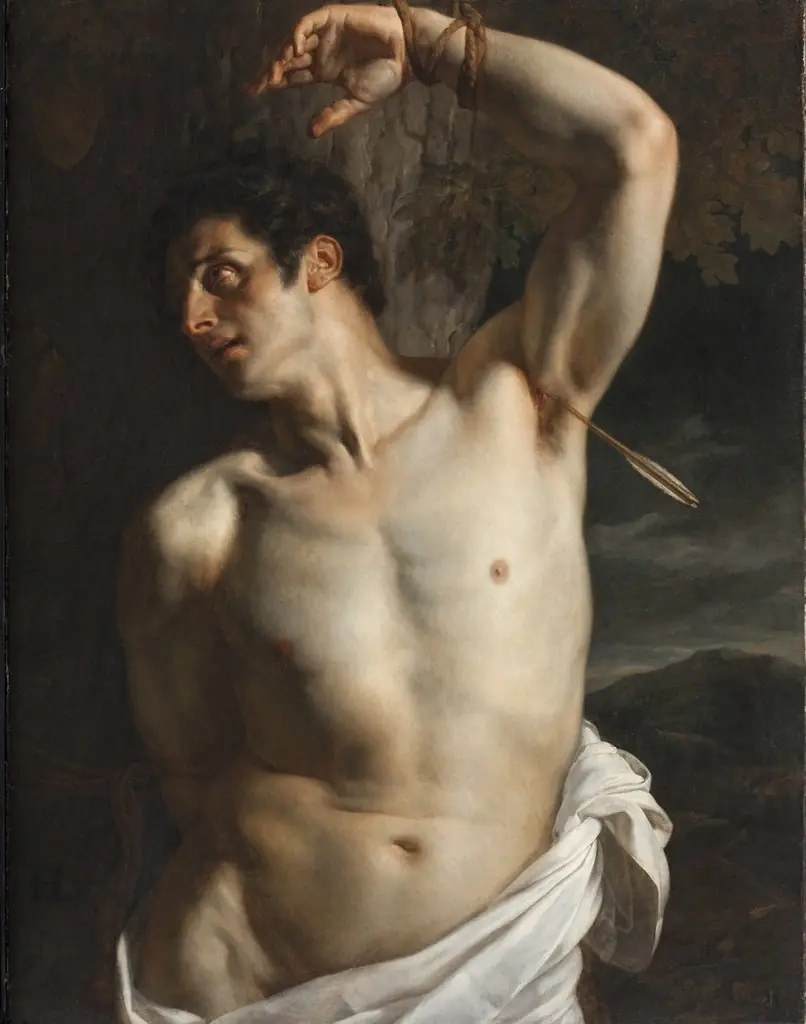
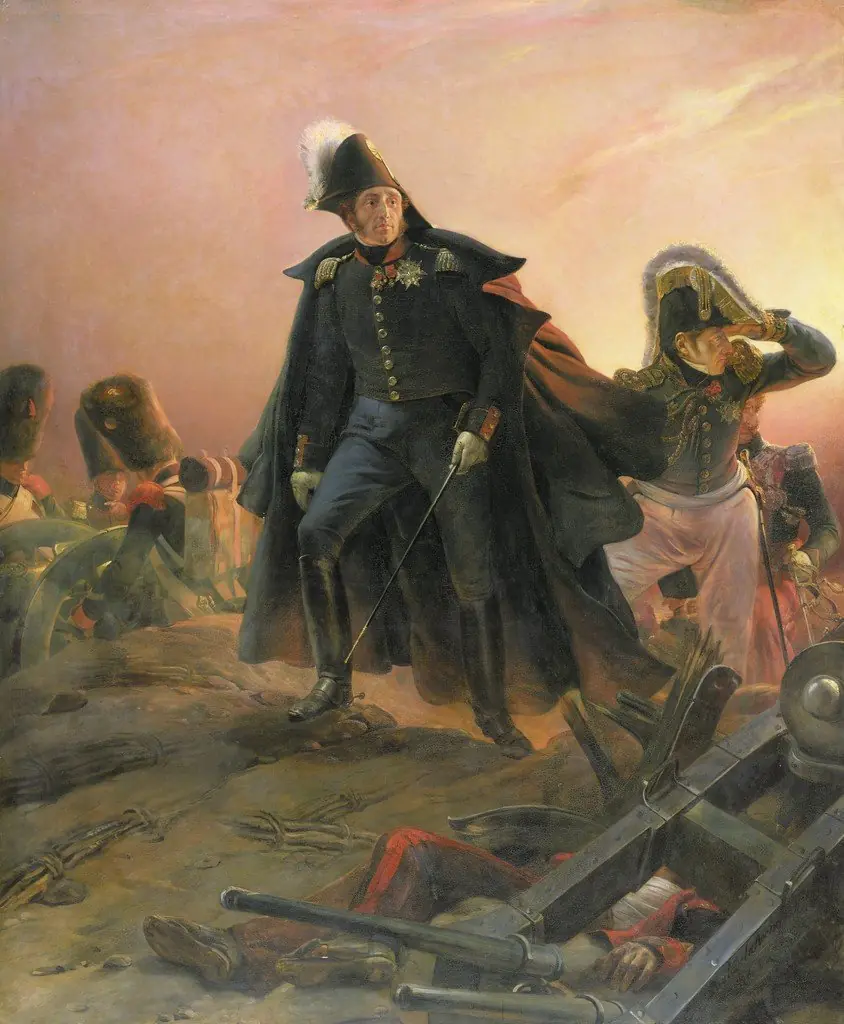
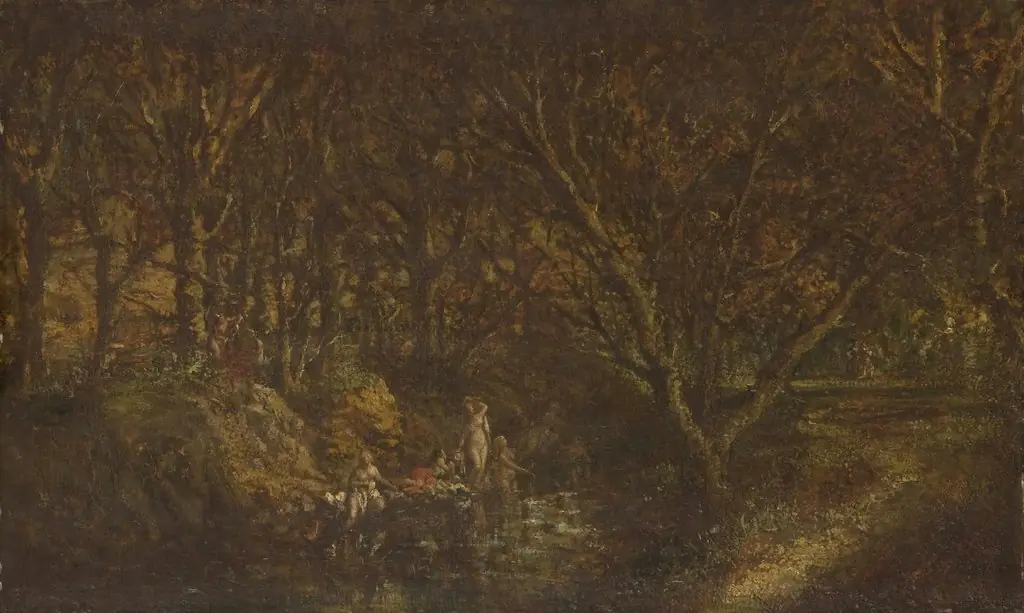
Offering to the God Pan is an unspecified painting by the French Romanticist artist Paul Delaroche. It dates from 1855 and is held in the collection of the Cleveland Museum of Art.
About this work
Overview
Painted in 1855 by French artist Paul Delaroche, this work presents a quiet mythological moment set in a forest clearing.
Painted in 1855 by French artist Paul Delaroche, this work presents a quiet mythological moment set in a forest clearing. Though rooted in classical subject matter, the painting avoids theatricality, favoring a subdued, intimate atmosphere. Delaroche’s approach merges the emotional tone of Romanticism with the observational precision of Academic tradition, resulting in a scene that feels both timeless and grounded in tangible reality.
Subject & Meaning
The figures appear to be engaged in a ritual offering to Pan, the Greek god of nature and wild places. One kneels with a small vessel, the other stands in silent witness, suggesting reverence rather than celebration. The draped red cloth and wooden bench imply a temporary altar, grounding the myth in human practice. The scene conveys contemplation over spectacle, emphasizing personal devotion within a natural setting.
Technique & Style
Delaroche employed soft, muted tones to render the forest interior with quiet realism. Light filters through the canopy in delicate gradations, modeling forms without harsh contrast. The brushwork is controlled yet unobtrusive, capturing the texture of grass, bark, and fabric with subtle precision. This restrained technique reflects his commitment to naturalism, even when depicting mythological themes.
History & Provenance
Completed in 1855, the painting entered the collection of The Cleveland Museum of Art in the 20th century. It was not widely exhibited during Delaroche’s lifetime, reflecting his lesser-known mythological works compared to his historical narratives. Its preservation in a major American institution underscores its significance as an example of mid-19th-century French painting that bridges Romantic sentiment and Academic discipline.
Context
In mid-19th-century France, artists increasingly turned away from grand historical or religious narratives toward intimate, nature-centered scenes. Delaroche’s treatment of myth here aligns with this shift, offering a humanized version of ancient ritual. His choice to depict Pan not as a fearsome deity but as a presence within a tranquil landscape mirrors broader cultural interests in nature and the pastoral.
Legacy
Though not among Delaroche’s most famous works, this painting exemplifies his unique synthesis of Romantic mood and Academic technique. It anticipates the quiet realism of later 19th-century landscape and genre painting, offering a model for depicting myth without idealization. Its presence in The Cleveland Museum of Art ensures continued access to this nuanced interpretation of classical themes.
Own this work as a print
Artist & collection
Artist
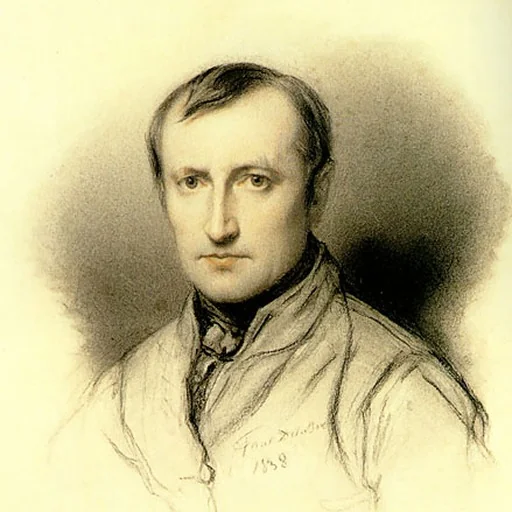
Hippolyte-Paul Delaroche (French pronunciation: ; 17 July 1797 – 4 November 1856) was a French painter known for his depiction of scenes from English and French history.

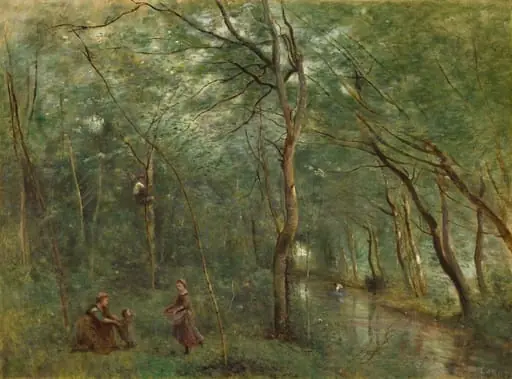 The Eel Gatherers
 Nymphs Bathing
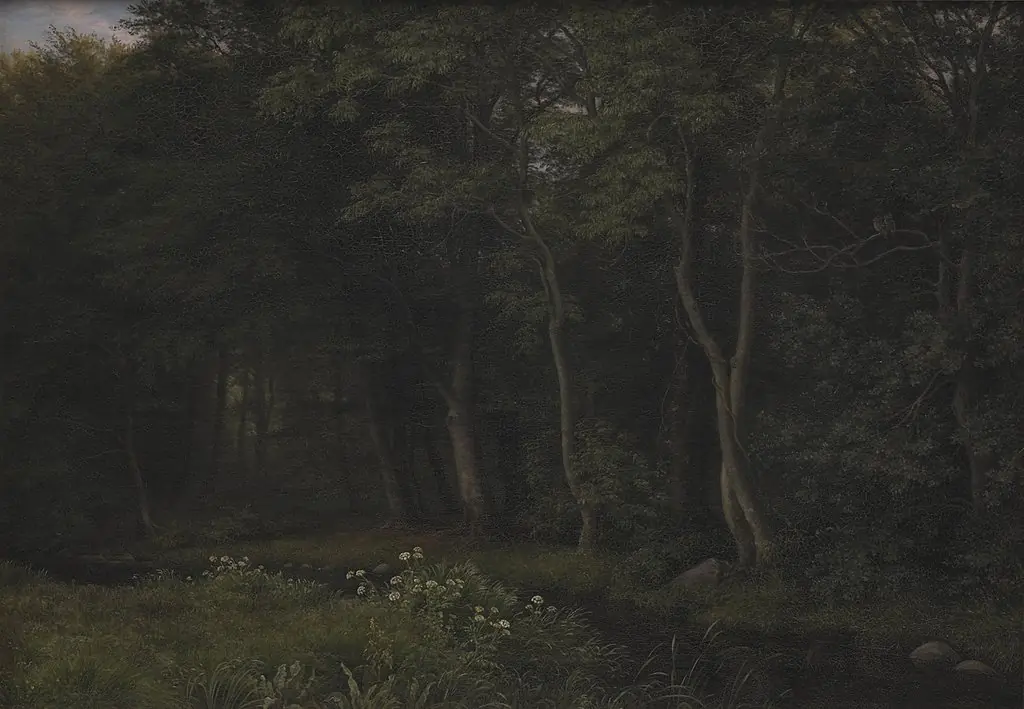 Twilight Setting in a Wood near Iselingen Manor, Zealand
 Twilight Setting in a Wood near Iselingen Manor, Zealand
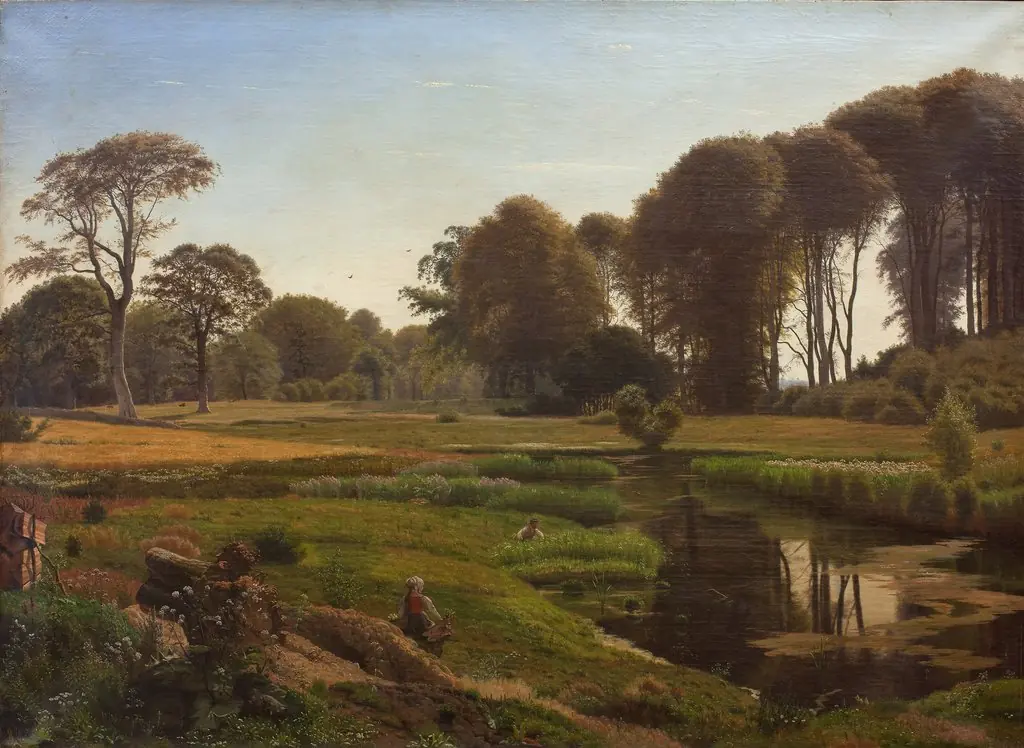 En sommerdag. Motiv fra Horneland ved Fåborg
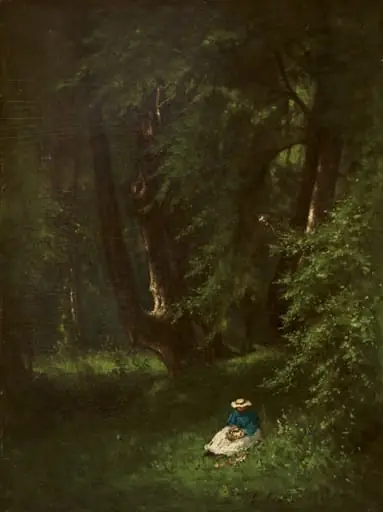 In the Woods
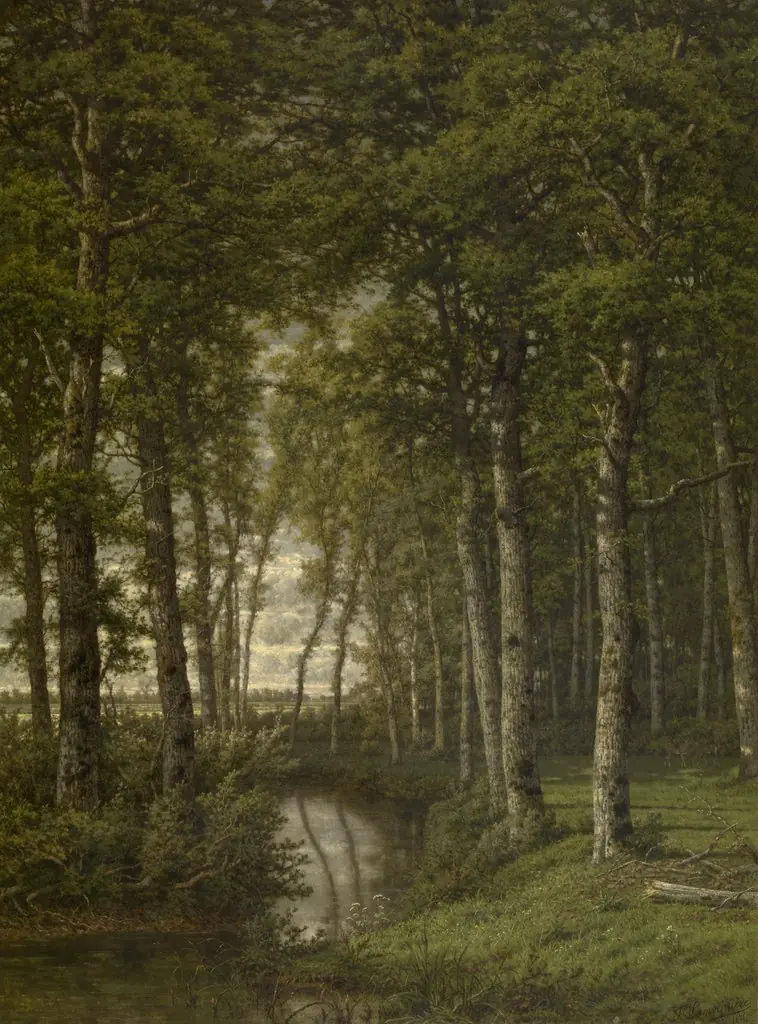 Loneliness. Landscape in the Surroundings of Schilde
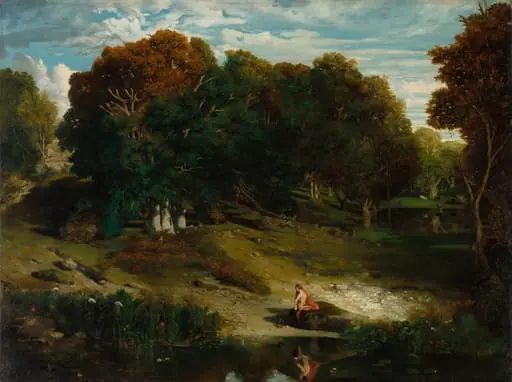 In the Forest
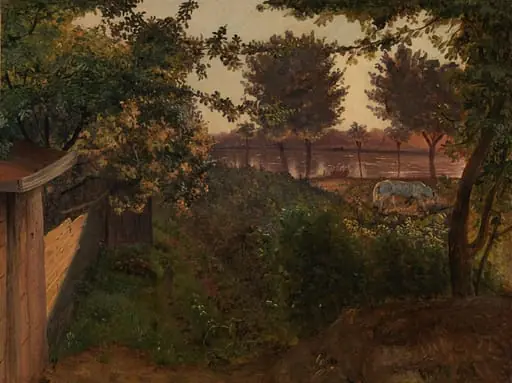 Bag kunstnerens have på Farimagsvej ved St. Jørgens Sø
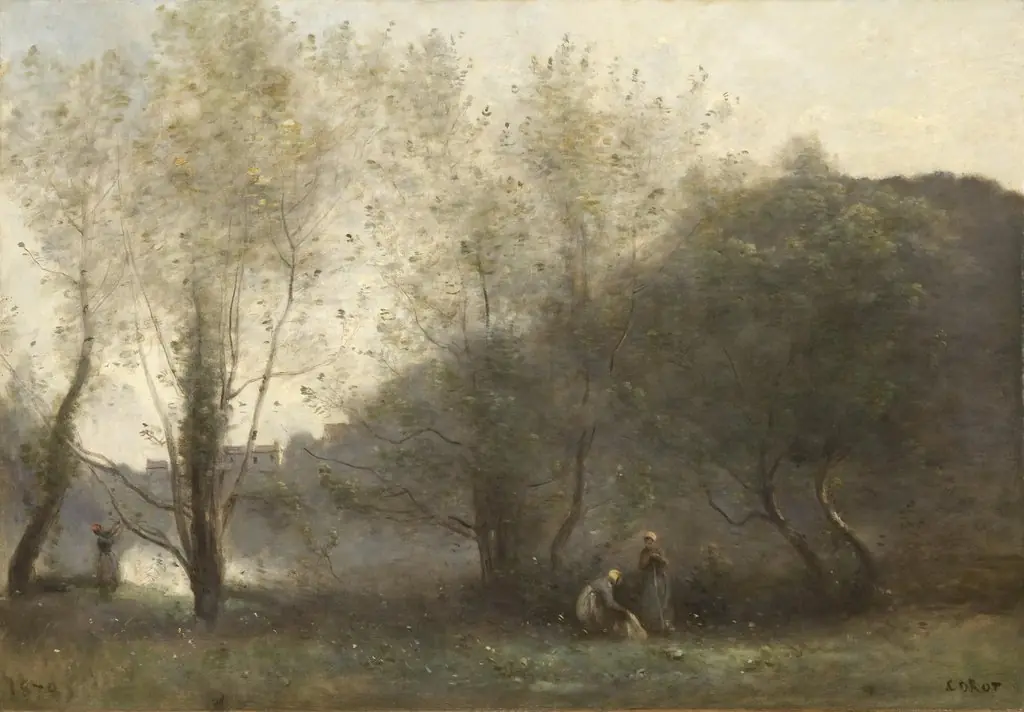 Morning on the Estuary, Ville d'Avray
 In the Woods