Artwork
Head of a Tahitian Woman
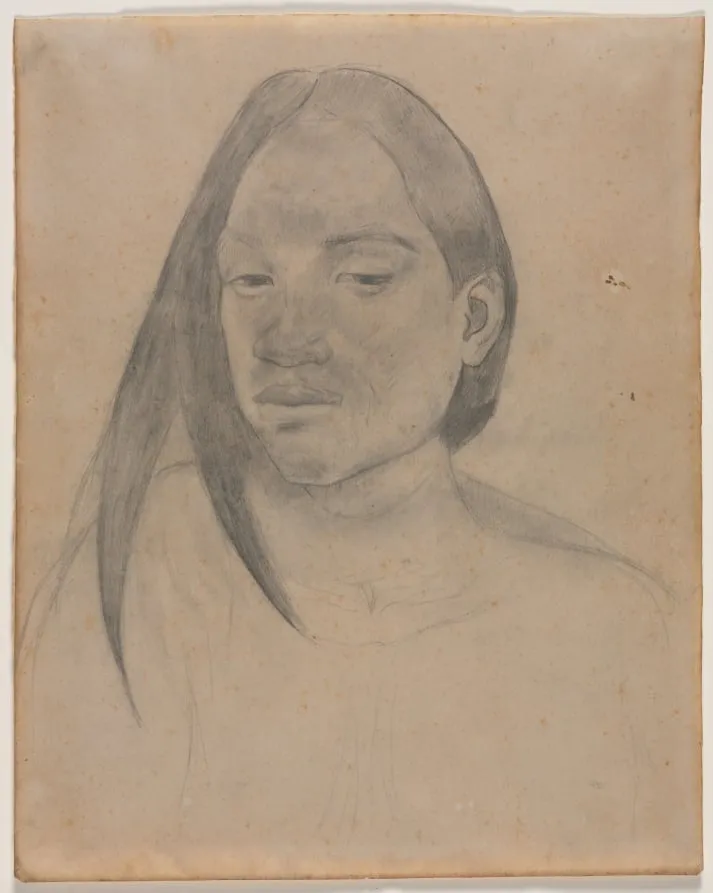
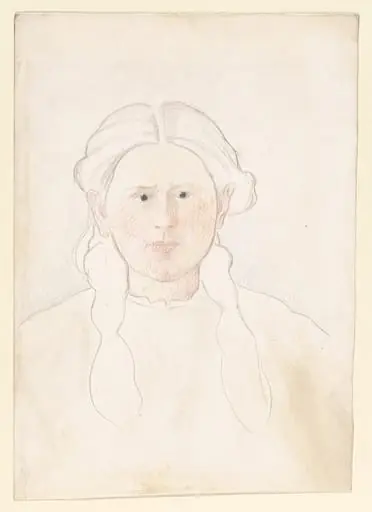
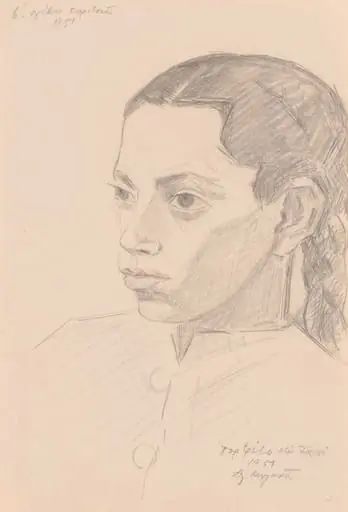
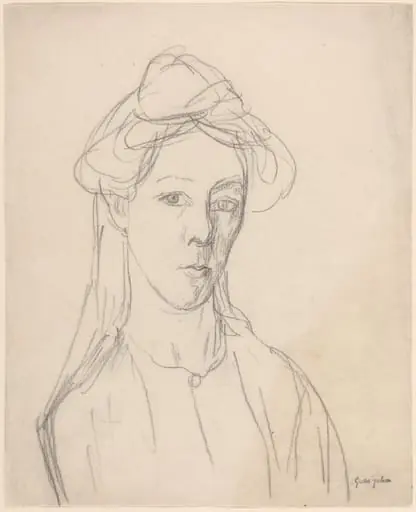
Head of a Tahitian Woman is a drawing by the Impressionist artist Paul Gauguin. It dates from 1891 and is held in the collection of the Cleveland Museum of Art.
About this work
A woman’s face fills the paper. Her dark eyes rest on you. Gauguin drew this in graphite on his first trip to Tahiti. The lines are sharp but soft. Her expression feels quiet and proud.
This is one of many drawings he made before he started painting. He liked to study people closely. You can almost feel the calm around her.
Look up Paul Gauguin (French, 1848–1903) to see more of his work.
Overview
Head of a Tahitian Woman is a graphite drawing by Paul Gauguin, created during his initial trip to Tahiti. It is one of a series of detailed portrait drawings he made to familiarize himself with the local people and landscape.
Subject & Meaning
The drawing depicts a Tahitian woman's face, characterized by a noble and enigmatic expression. Gauguin's representation conveys a sense of spirituality and melancholy, reflecting his artistic goals for his Polynesian work.
Technique & Style
Executed in graphite, the drawing is marked by sharp yet soft lines, suggesting it was made from life. The meticulous quality of the study underscores Gauguin's observational skills and attention to detail.
History & Provenance
The drawing was created during Gauguin's first trip to Tahiti, a period when he focused on drawing to understand the local culture before turning to painting.
Artist & collection
Artist
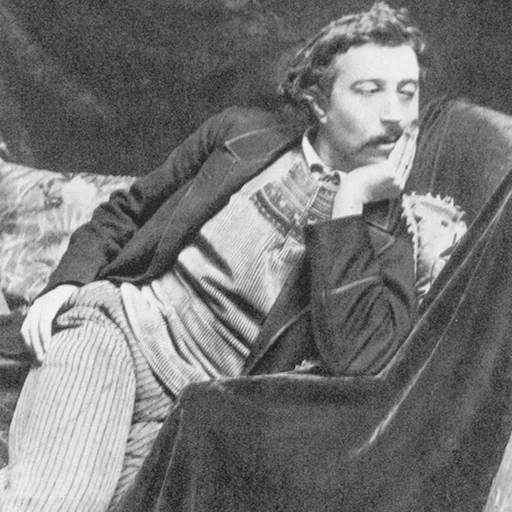
Eugène Henri Paul Gauguin (; French: ; 7 June 1848 – 8 May 1903) was a French painter, sculptor, printmaker, ceramist, and writer, whose work has been primarily associated with the Post-Impressionist and Symbolist movements.

![Two Marquesans [verso], by Paul Gauguin](https://artifactworldgallery.com/img/paul-gauguin--two-marquesans-verso--f01414934a7b5e40-w320.webp)