Artwork
Merahi metua no Tehamana
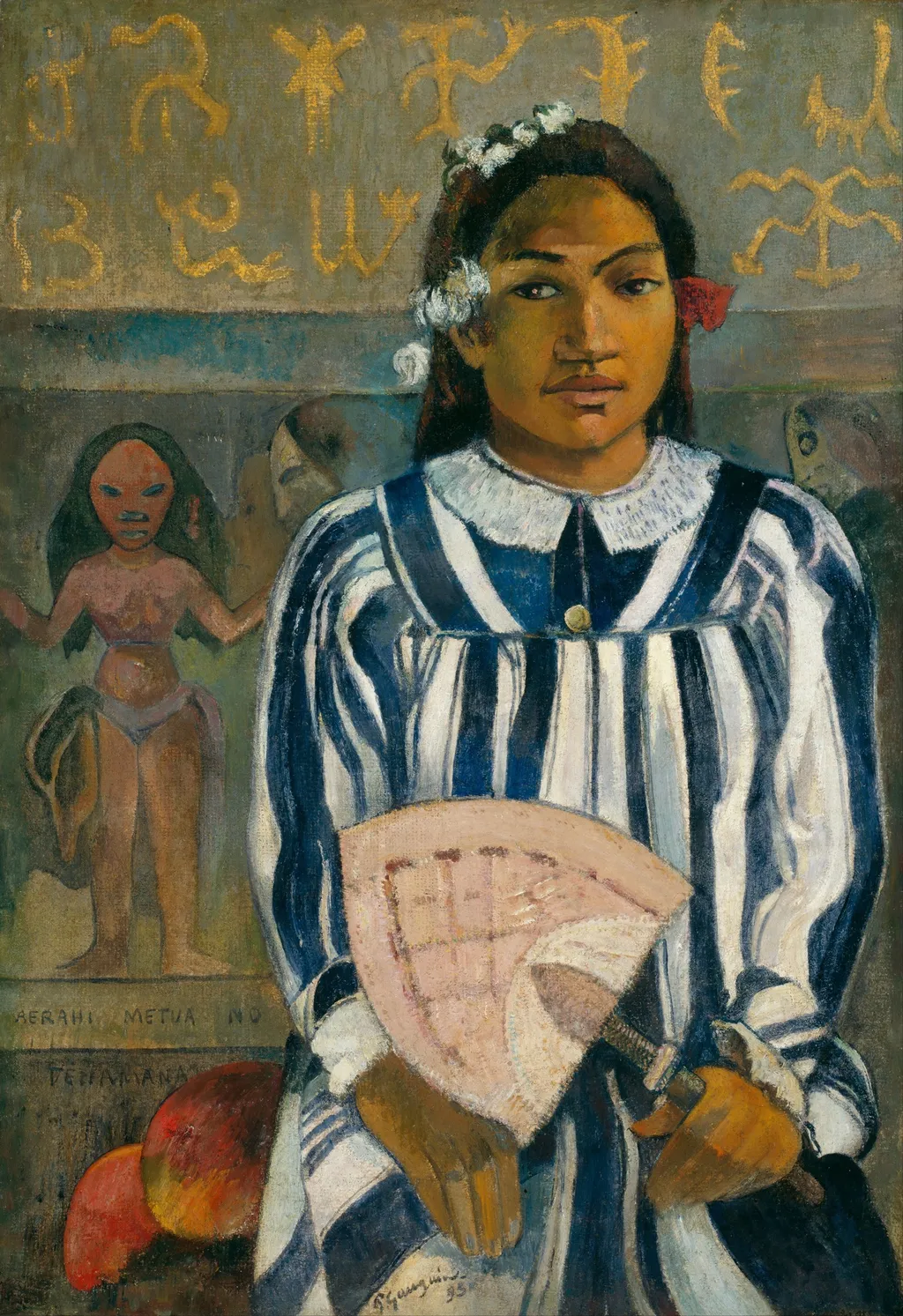
Merahi metua no Tehamana is an oil painting by the Post-Impressionist artist Paul Gauguin. It dates from 1897 and is held in the collection of the Art Institute of Chicago.
About this work
Overview
Merahi metua no Tehamana is an oil painting executed in 1893 by Paul Gauguin. The work forms part of the Art Institute of Chicago’s collection and depicts a figure from Gauguin’s personal life during his early years in Tahiti.
Subject & Meaning
The canvas portrays Teha'amana, who was Gauguin’s wife at the time of his first Tahitian sojourn. The portrait captures her within the intimate context of their brief marital arrangement, reflecting the artist’s fascination with his new domestic and cultural surroundings.
Technique & Style
Rendered in oil, the painting displays Gauguin’s characteristic use of bold color and simplified forms, hallmarks of his post‑Impressionist approach. The composition emphasizes flat planes and a decorative quality that aligns with his broader Tahitian series.
History & Provenance
Created during Gauguin’s 1891–1893 stay in Tahiti, the work entered the Art Institute of Chicago’s holdings in the twentieth century. Its provenance traces back to the artist’s own estate before being acquired by the museum.
Context
The marriage that produced this portrait was arranged in a single afternoon, a fact that has sparked ongoing debate. Gauguin asserted that Teha'amana was thirteen at the time, a claim that has contributed to the work’s complex historical reception.
Own this work as a print
Artist & collection
Artist
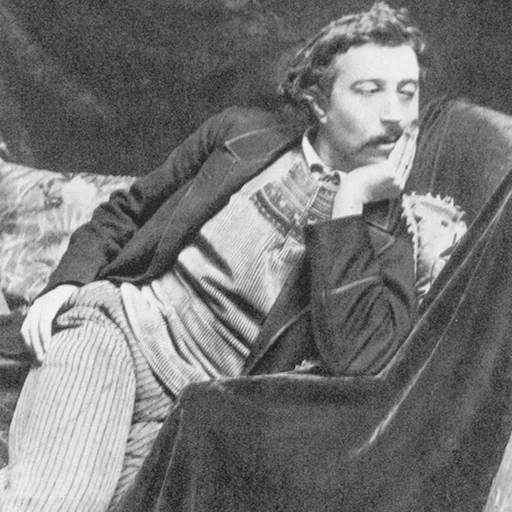
Eugène Henri Paul Gauguin (; French: ; 7 June 1848 – 8 May 1903) was a French painter, sculptor, printmaker, ceramist, and writer, whose work has been primarily associated with the Post-Impressionist and Symbolist movements.