Artwork
Resting Herd
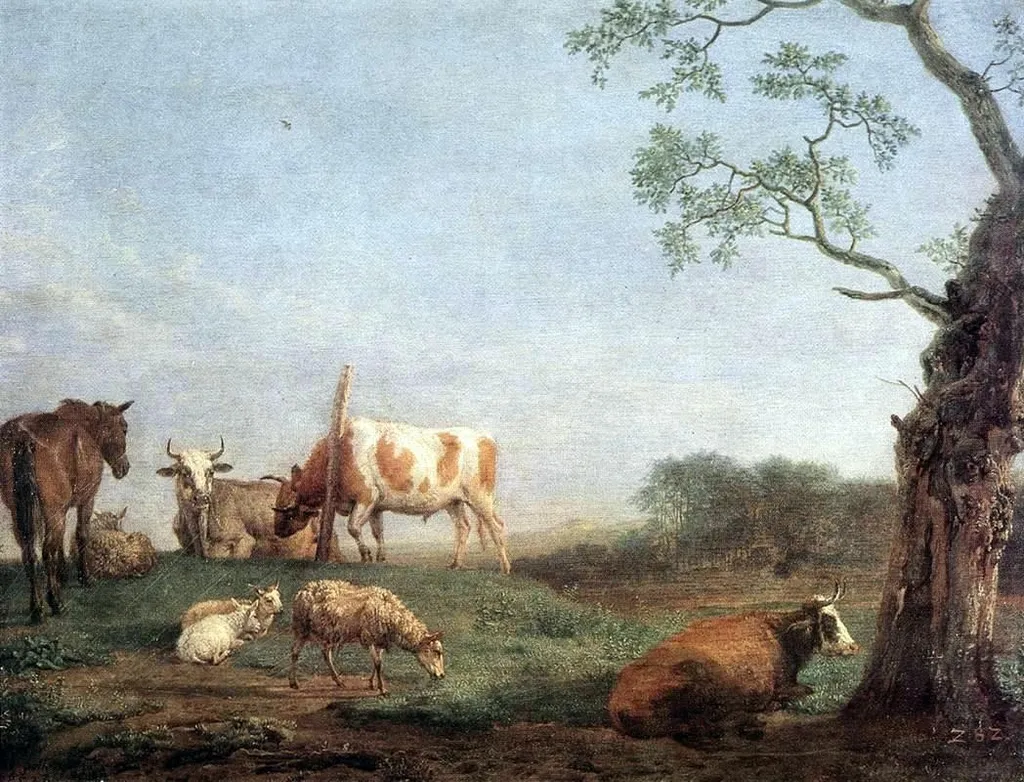
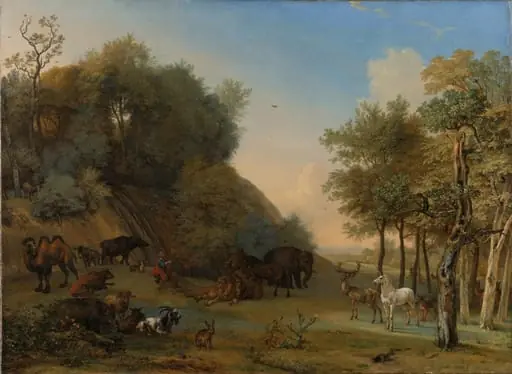
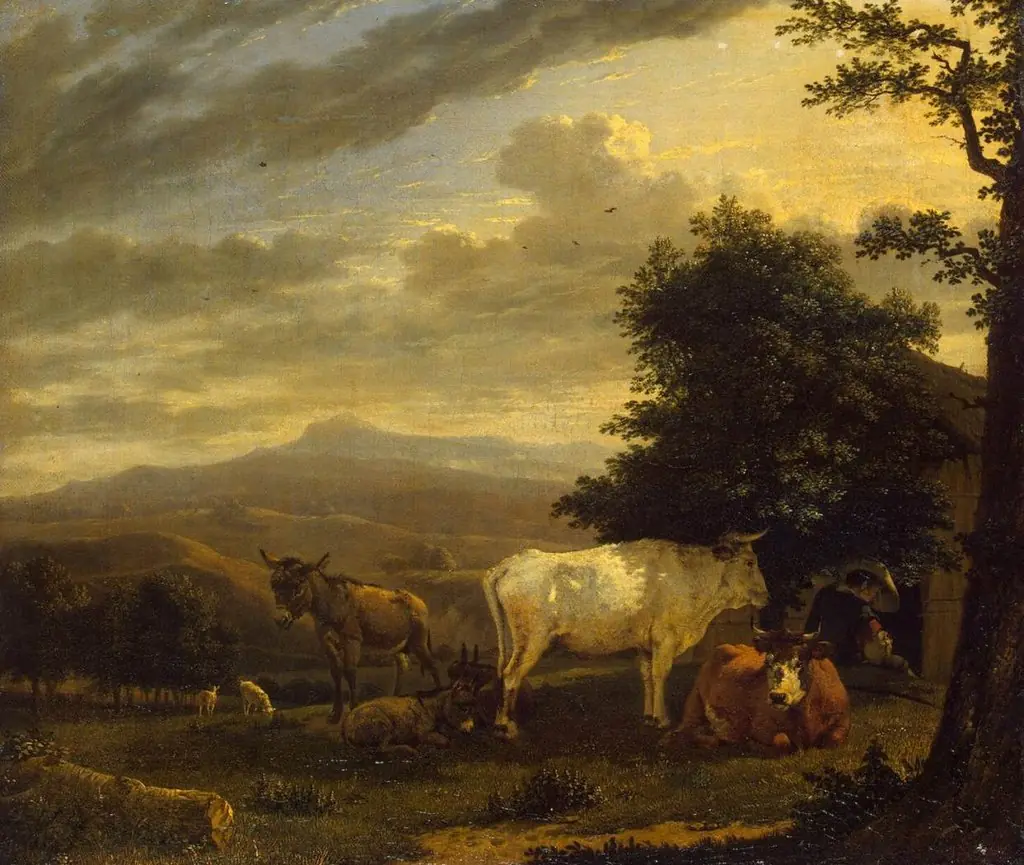
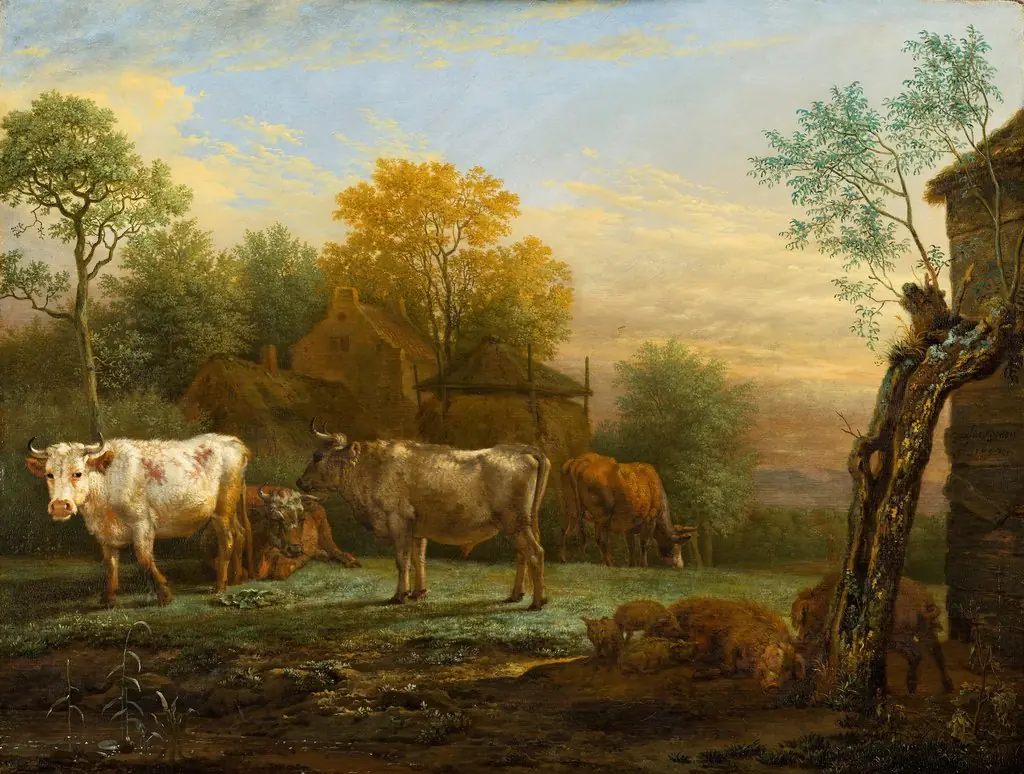
Resting Herd is an oil painting by the Dutch Golden Age artist Paulus Potter. It dates from 1652 and is held in the collection of the Staatliche Kunstsammlungen Dresden.
About this work
Overview
Potter, active during the Dutch Golden Age, focused on animals within natural settings, often rendering them from a low perspective to emphasize their presence.
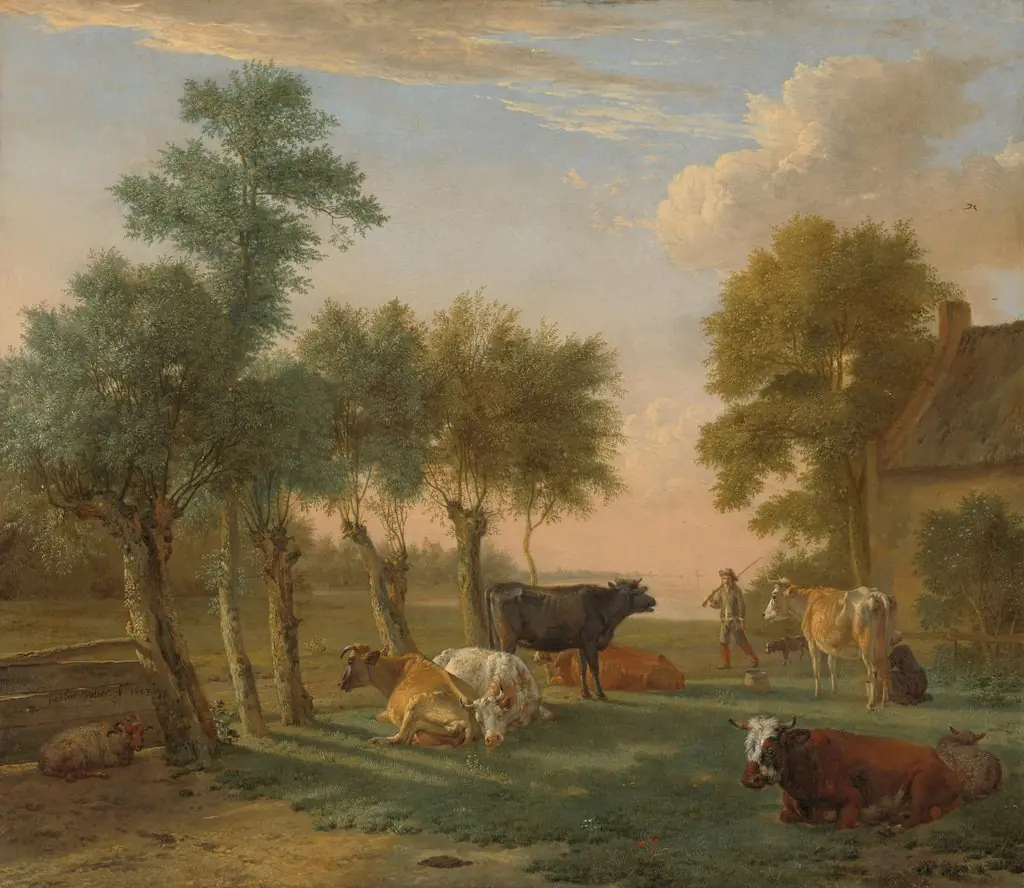
Painted in 1652 by Paulus Potter, *Resting Herd* is an oil-on-canvas work that captures a quiet moment in a rural Dutch landscape. Potter, active during the Dutch Golden Age, focused on animals within natural settings, often rendering them from a low perspective to emphasize their presence. The painting resides in the Gemäldegalerie Alte Meister, one of approximately 100 known works by the artist, who died at age 28 from tuberculosis.
Subject & Meaning
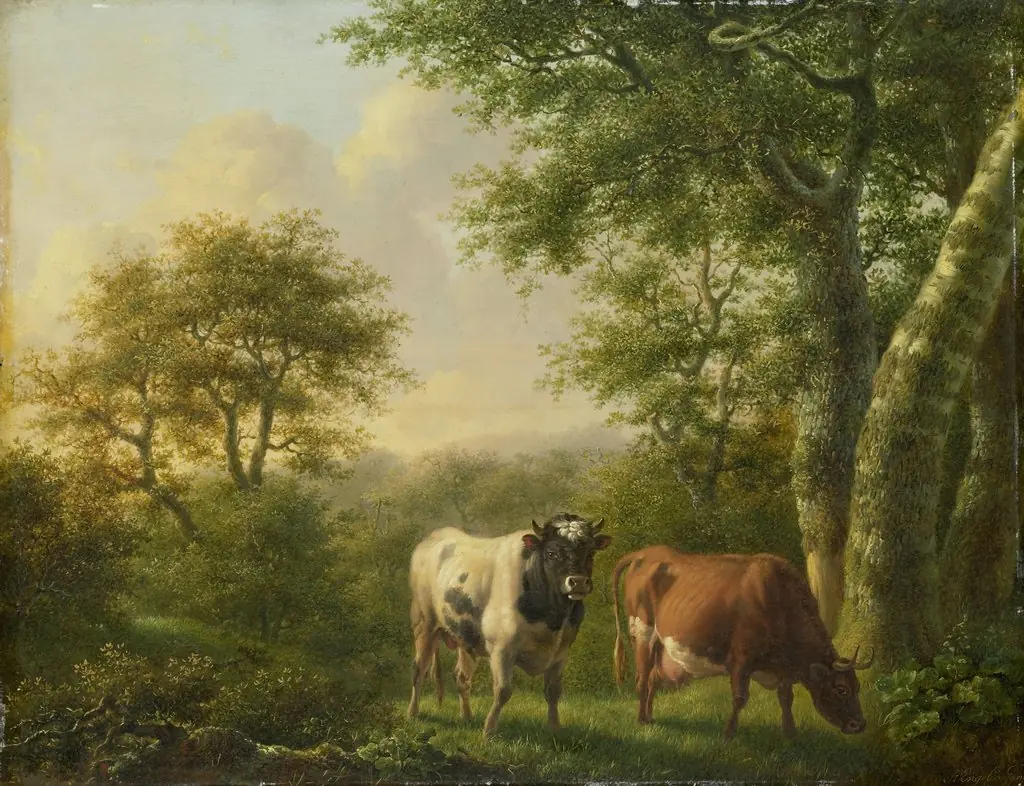
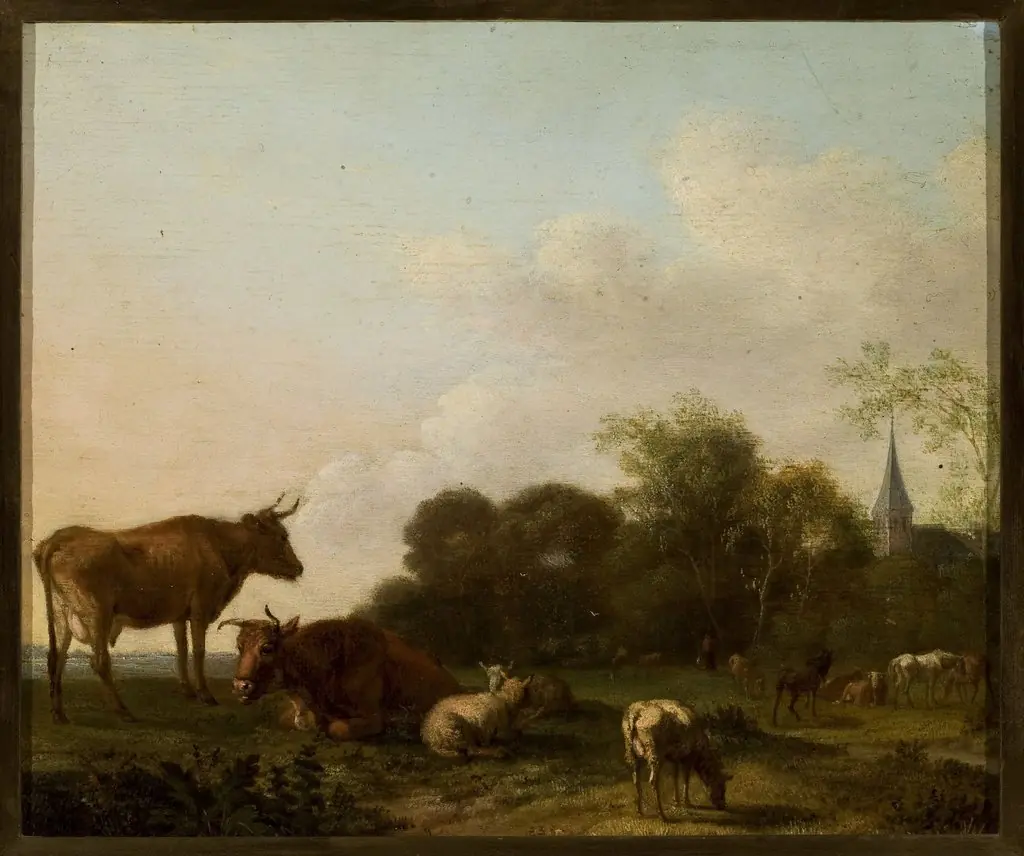
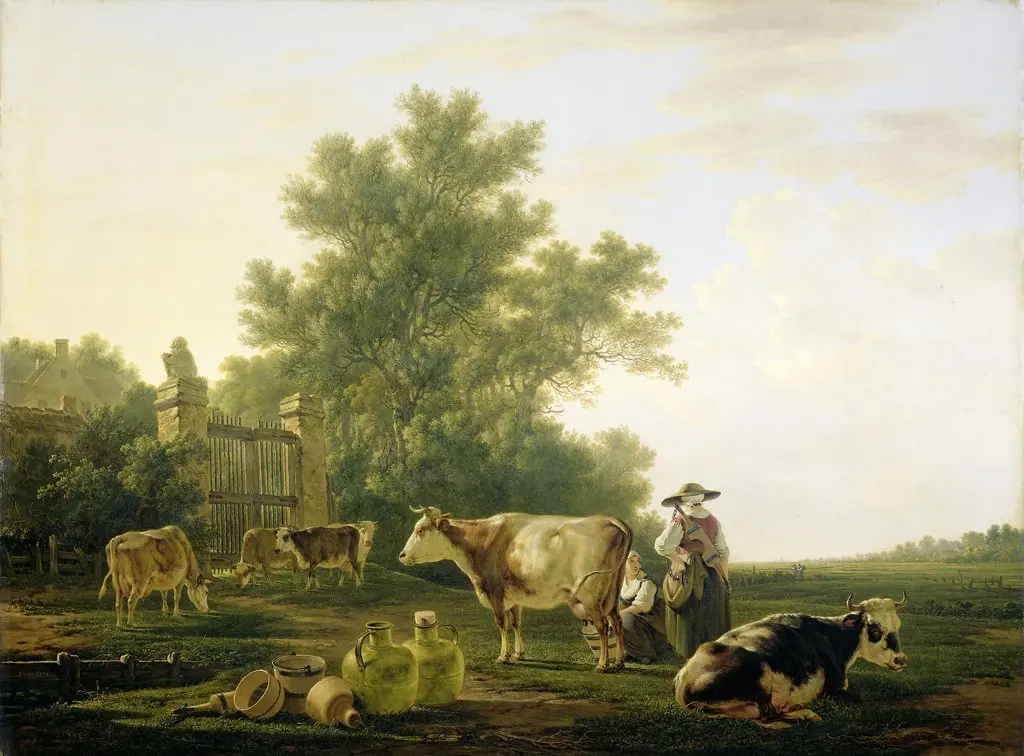
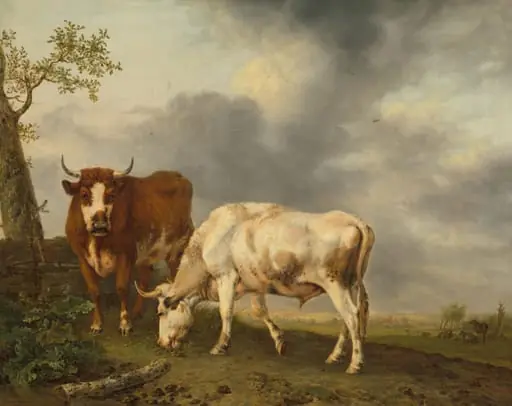
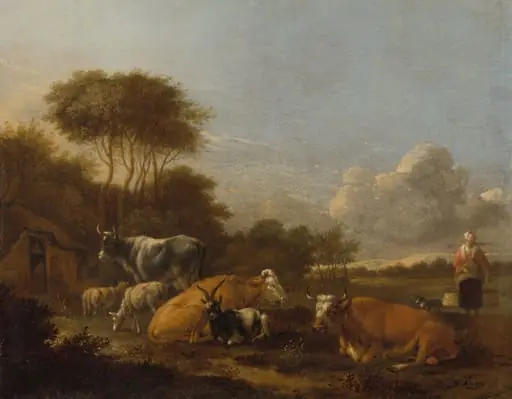
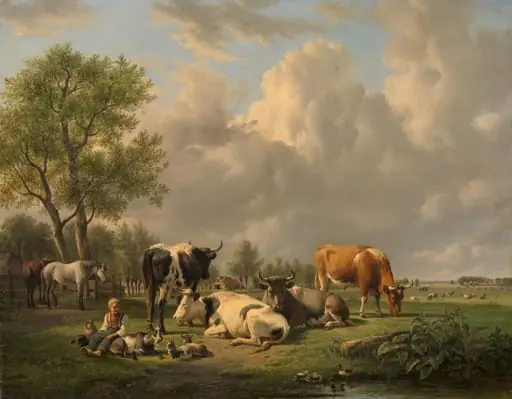
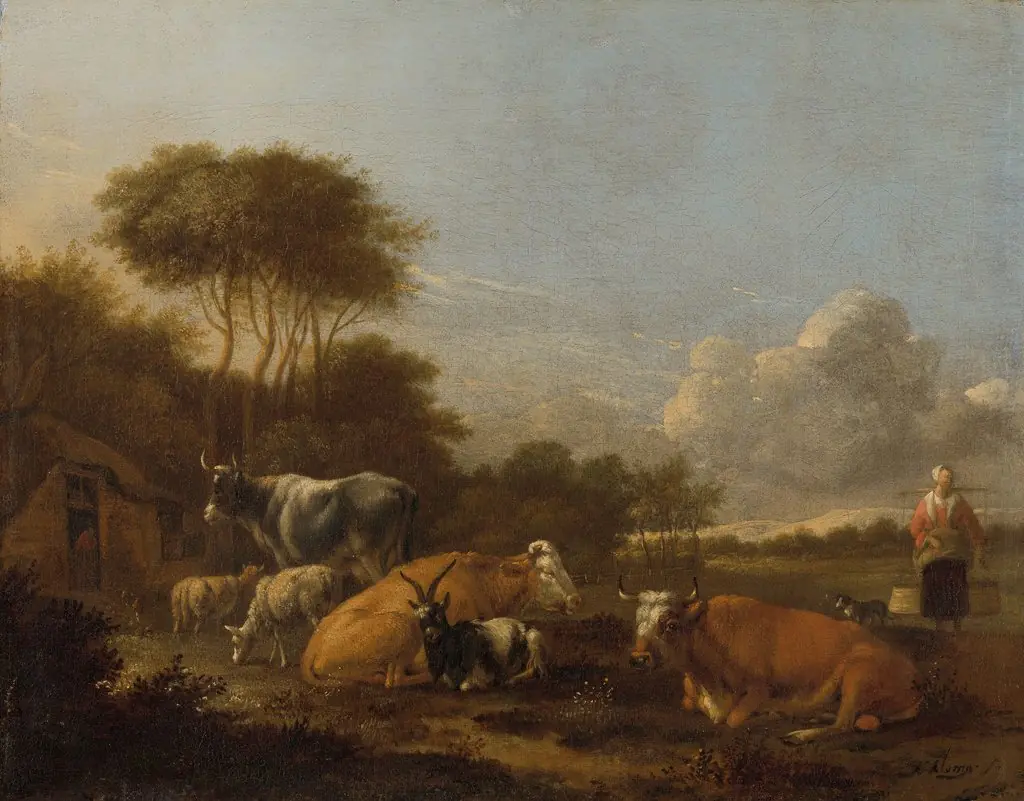
The scene depicts a herd of cattle in various states of repose—some standing, others lying in the grass—set against a muted, atmospheric background. The composition avoids human figures, centering the animals as subjects of quiet dignity. The lone large tree in the foreground anchors the space, suggesting a natural rhythm of rest and renewal. The work reflects a broader 17th-century Dutch interest in observing and honoring the everyday life of the countryside.
Technique & Style
Potter employed careful observation to render the textures of fur, bark, and grass with precision. Light falls unevenly across the scene, creating subtle contrasts that define volume and depth without dramatic chiaroscuro. The background is softly blurred, enhancing the sense of distance while keeping the foreground animals sharply defined. His brushwork is controlled yet naturalistic, avoiding idealization in favor of authentic detail.
History & Provenance
Created in the final years of Potter’s short life, the painting entered the collection of the Gemäldegalerie Alte Meister in Dresden, where it remains today. Little is known of its early ownership, but its survival and continued display reflect its enduring value within the canon of Dutch animal painting. The work was likely acquired during the 18th or early 19th century as part of broader efforts to preserve Northern European art.
Context
During the Dutch Golden Age, depictions of livestock and rural life gained popularity among urban patrons seeking connection to the countryside. Potter’s focus on cattle, rather than mythological or aristocratic subjects, aligned with a growing appreciation for realism and the dignity of ordinary nature. His low-angle compositions distinguished him from contemporaries, offering viewers an intimate, ground-level encounter with the animals.
Legacy
Though Potter’s career was brief, his influence endured among later animal painters and landscape artists who valued direct observation. *Resting Herd* exemplifies a quiet, non-dramatic approach to nature that contrasted with the grandeur of Baroque traditions. Today, it stands as a testament to the precision and sensitivity with which Dutch artists captured the subtle rhythms of the natural world.
Artist & collection
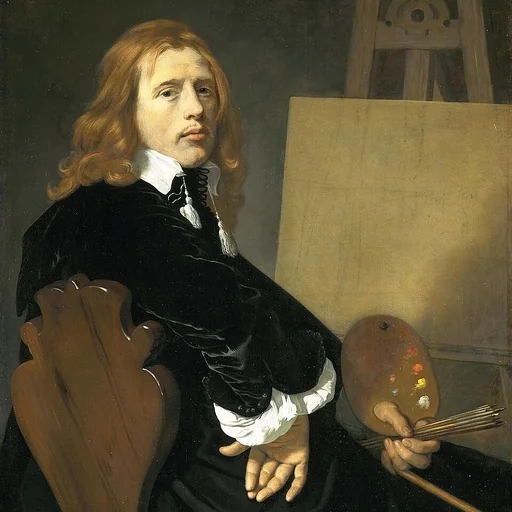
Artist
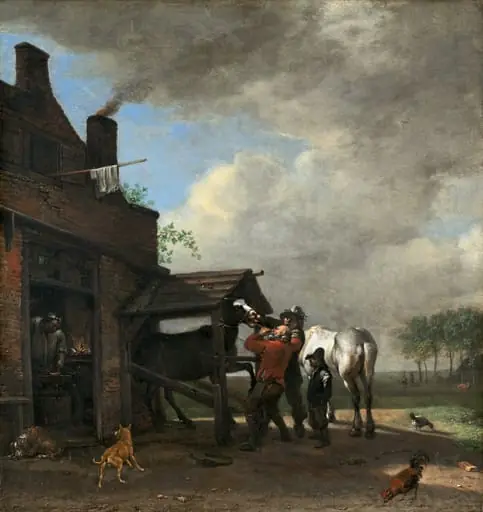
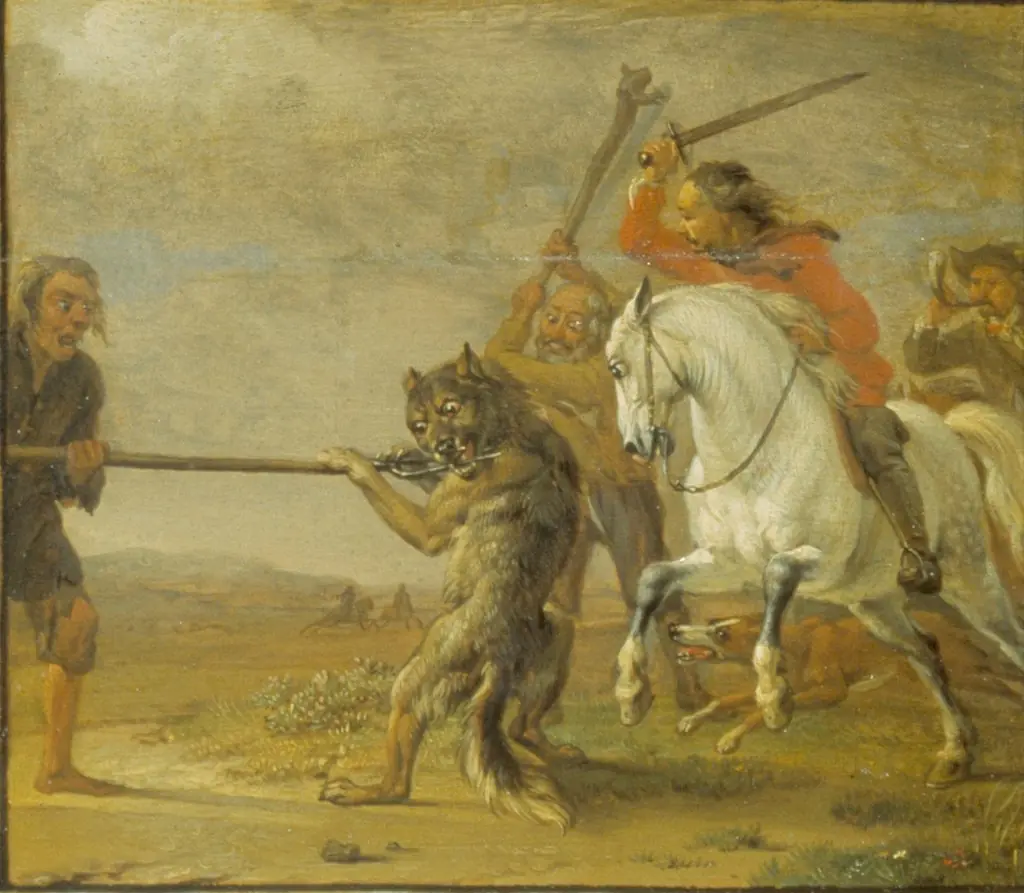
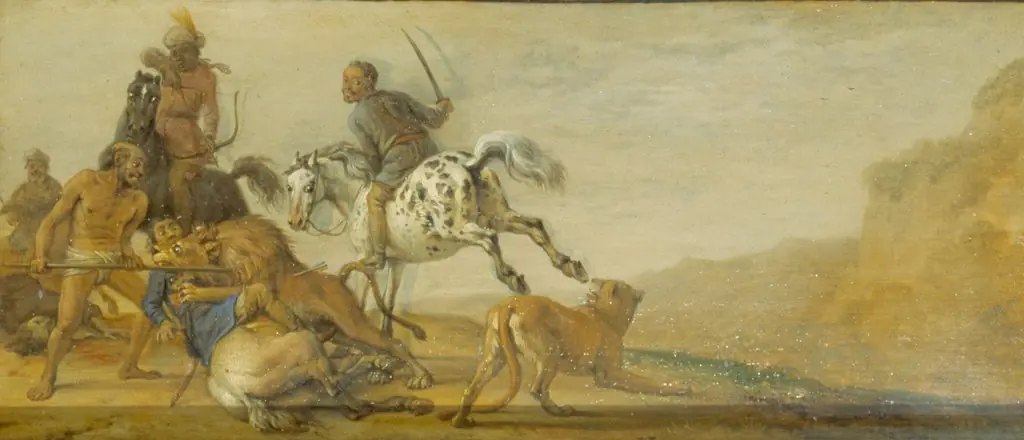
Paulus Potter (Dutch pronunciation: ; 20 November 1625 (baptised) – 17 January 1654 (buried)) was a Dutch painter who specialized in landscapes featuring animals, often from a low vantage point.