Artwork
Untitled
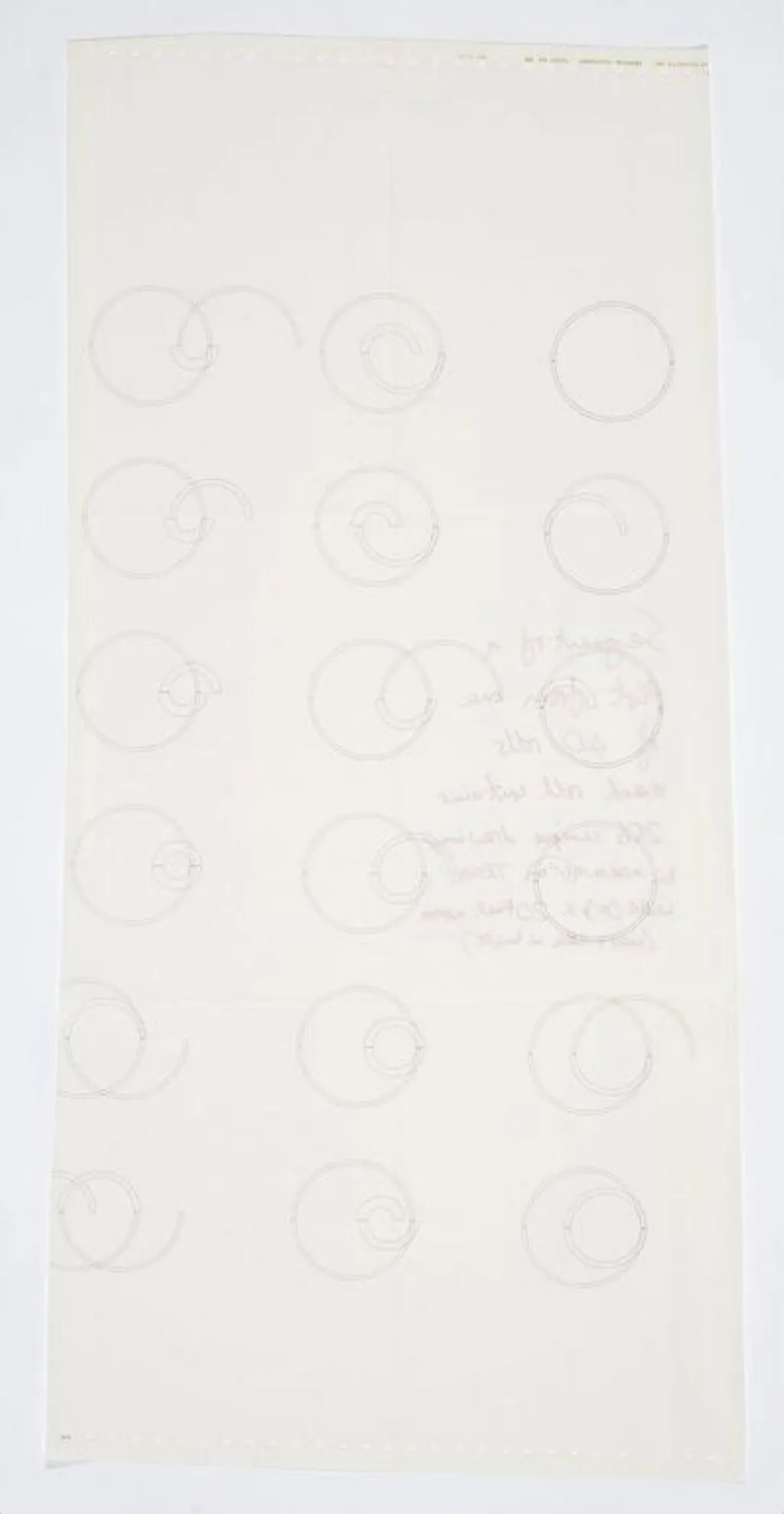
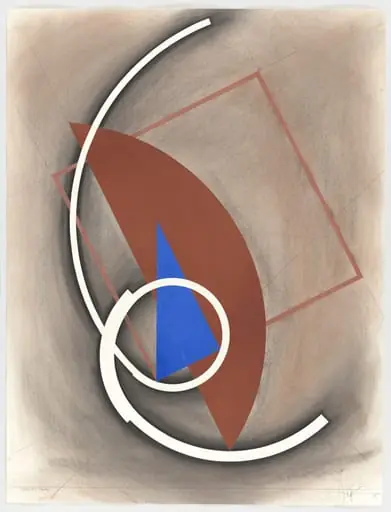
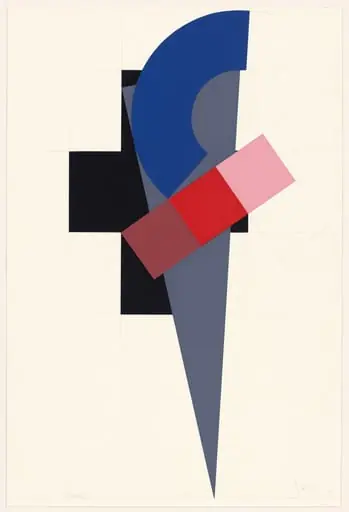
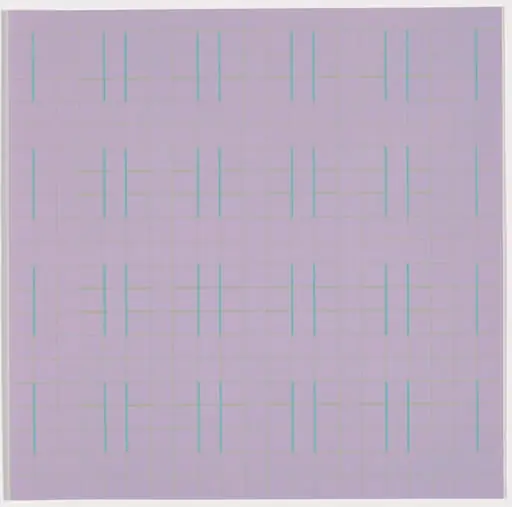
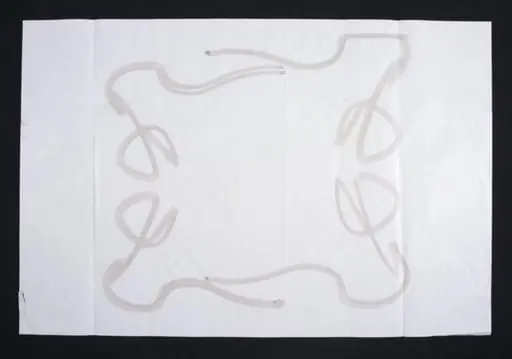
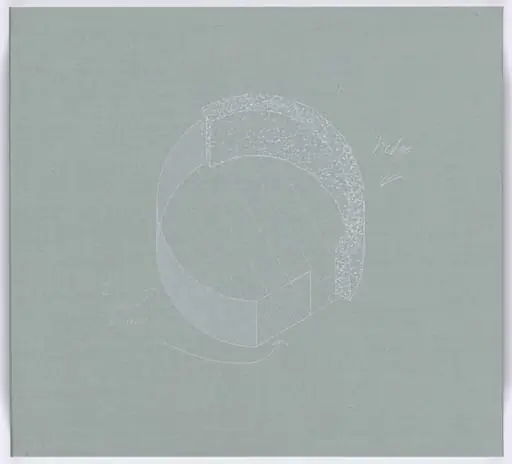
Untitled is a drawing by John Pearson. It is held in the collection of the Victoria and Albert Museum.
About this work
Overview
He spent over four decades teaching at institutions including Oberlin College, where he held the Young-Hunter professorship until his retirement in 2014.
John Pearson, born in 1940 in Yorkshire, trained at the Royal Academy Schools in London and the Akademie der Bildenden Kunst in Munich. He spent over four decades teaching at institutions including Oberlin College, where he held the Young-Hunter professorship until his retirement in 2014. His artistic practice in the 1970s and 1980s centered on algorithmically derived compositions, using mathematical rules and early computer programs to structure visual forms.
Subject & Meaning
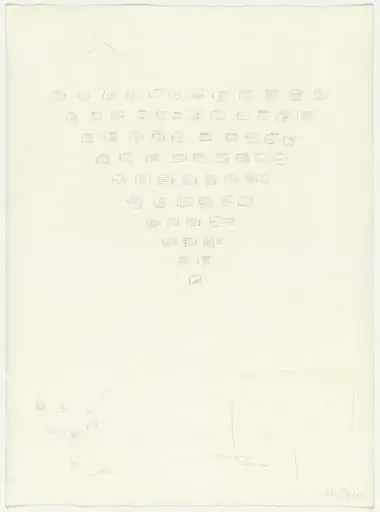
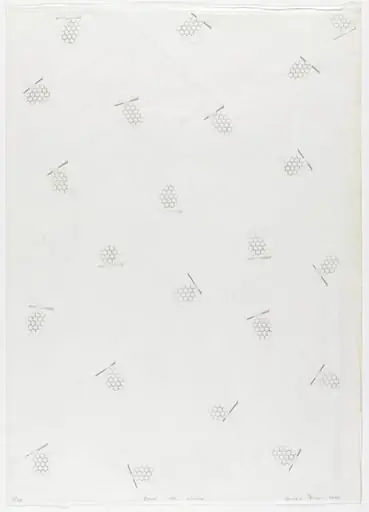
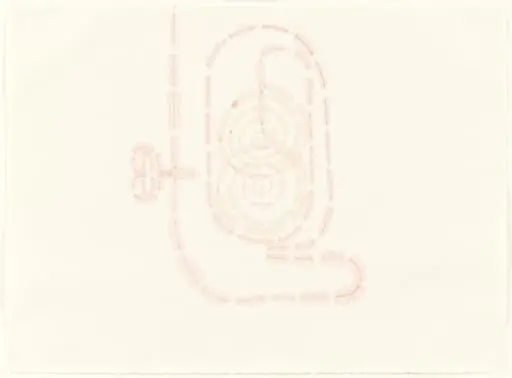
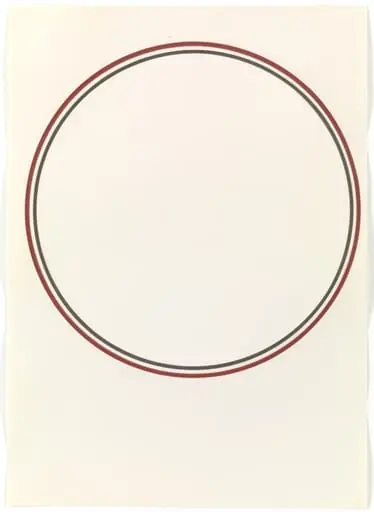
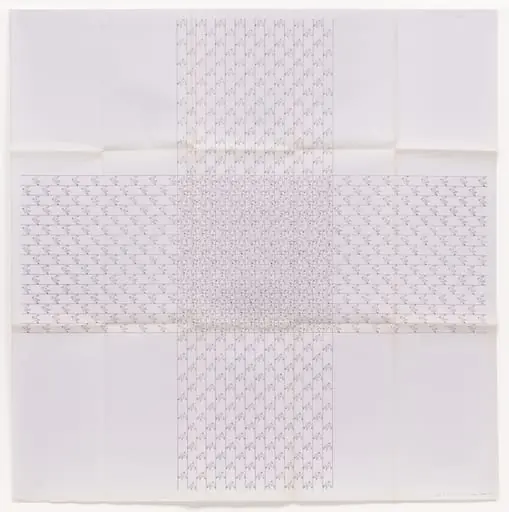
Pearson’s drawings from the mid-1980s explore abstraction through rigid geometric systems, rejecting expressive gesture in favor of precision. His work engages with the logic of grids, squares, and limited palettes, reflecting an interest in order and restraint. These compositions are not representational but instead investigate how structure can generate visual rhythm and spatial tension, echoing early 20th-century Constructivist ideals.
Technique & Style
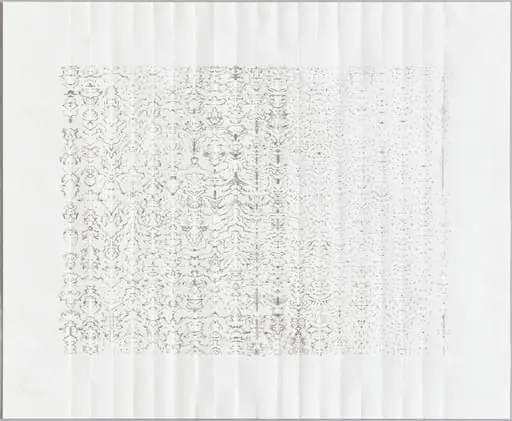
The drawing was produced using systematic methods, with forms calculated via computer algorithms rather than freehand draftsmanship. Lines are sharp, edges are clean, and color is restricted to a small range of hues, often monochromatic or binary. This disciplined approach prioritizes consistency and repeatability, aligning with industrial and computational aesthetics of the era. The work exists as a record of programmed decisions, not intuitive mark-making.
History & Provenance
Created in the mid-1980s, this drawing belongs to a body of work Pearson produced during his most intensive period of computational art-making. It predates his shift away from technology in the 1990s, following travels to Japan and a growing interest in organic patterns. The piece reflects a specific phase in his career, when digital tools were central to his creative process and institutional recognition was growing.
Context
Pearson’s work emerged alongside broader movements in systems art and conceptual practice, where artists sought to remove subjective authorship through rule-based creation. His use of computers placed him within a small group of mid-century artists experimenting with technology as a medium. His training in Europe and teaching in the U.S. positioned him at the intersection of European modernism and American academic art circles.
Legacy
Though Pearson abandoned computer-generated methods after the 1990s, his earlier work remains a significant example of how digital tools were early adopted in fine art to challenge traditional notions of hand and eye. His transition from algorithmic rigor to natural observation illustrates a broader evolution in his thinking — from control to contingency — influencing later generations interested in the limits of systems in art.
Artist & collection

Artist
John Pearson was a master craftsman of the Newlyn School and Guild of Handicraft. He worked in copper and his style is described as arts and crafts / Modern Style.