Artwork
Guy Little Theatrical Photograph
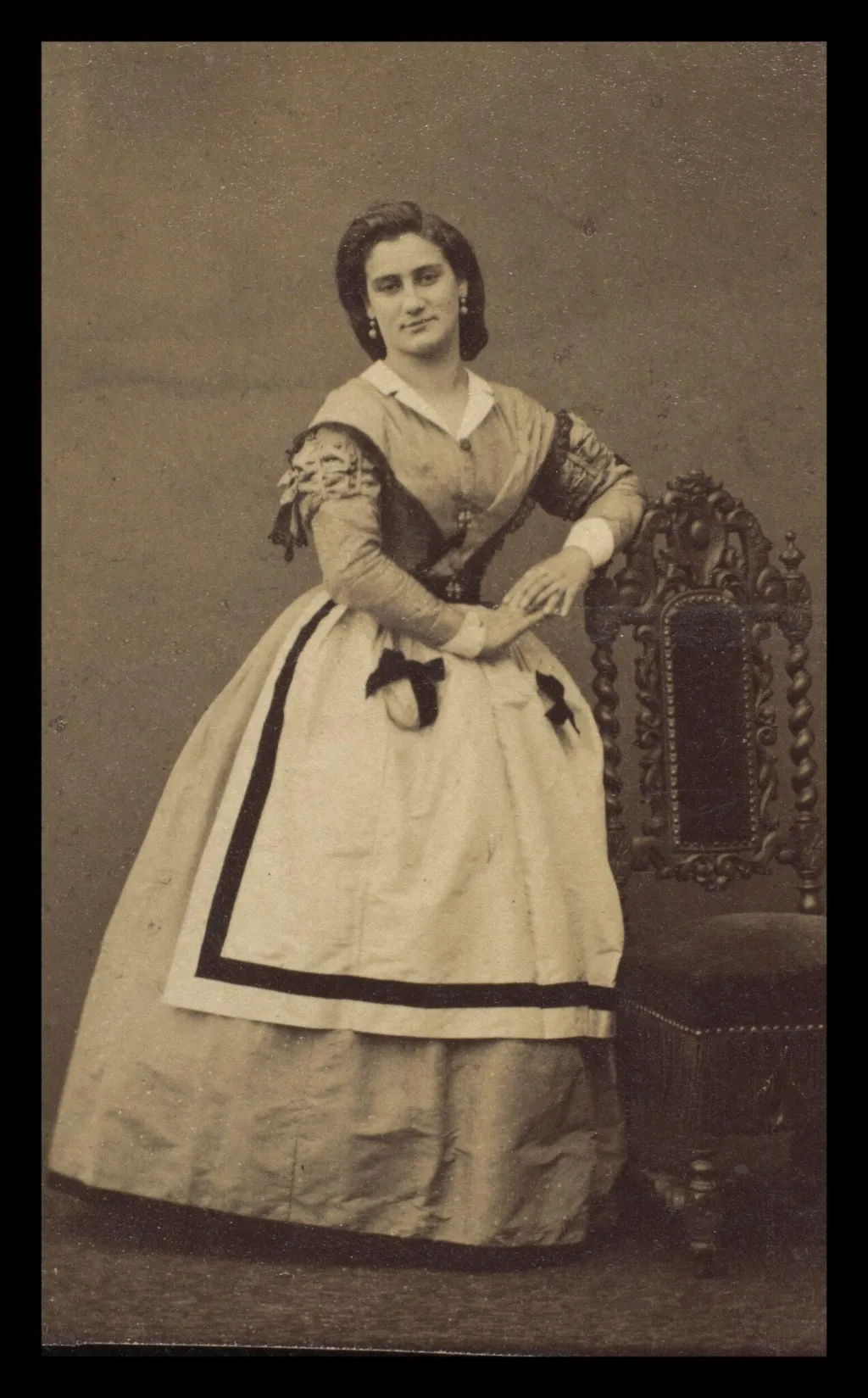
Guy Little Theatrical Photograph is a photographic photography by Pesniá. It dates from 1850 and is held in the collection of the Victoria and Albert Museum.
About this work
Overview
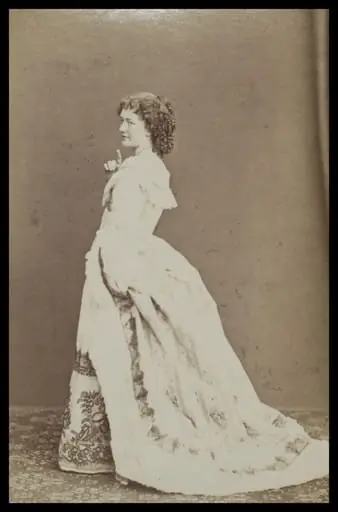
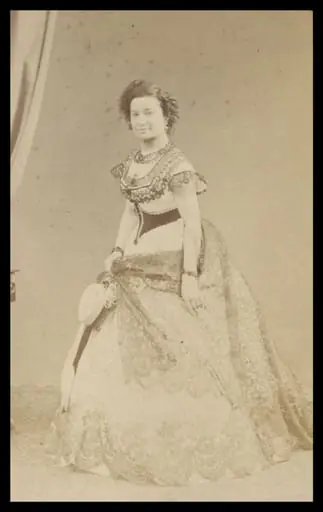
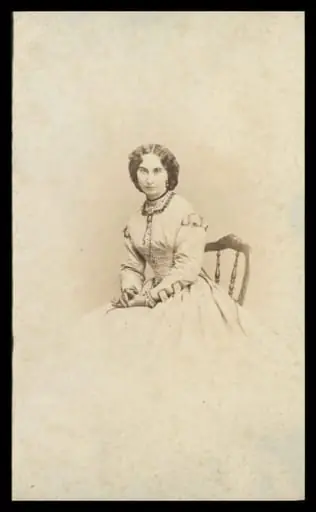
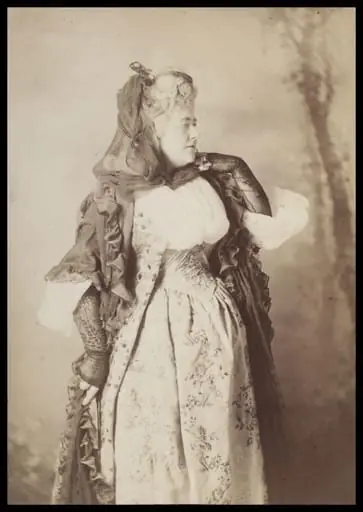
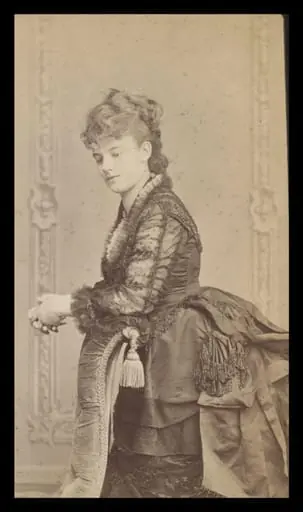
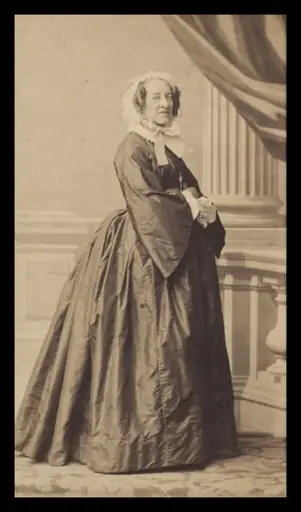
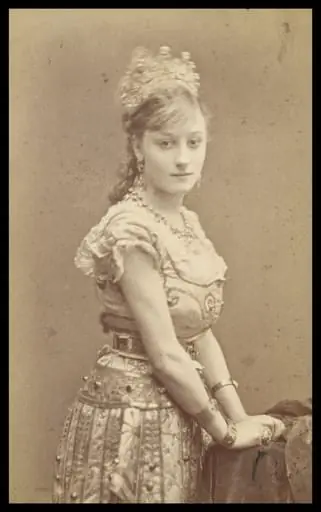
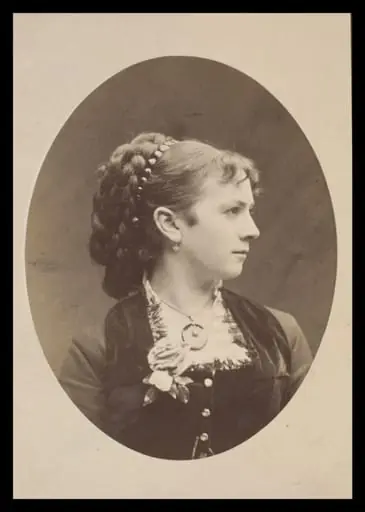
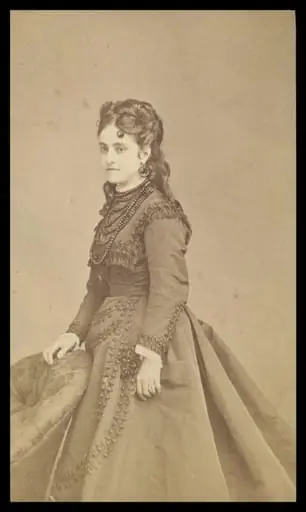
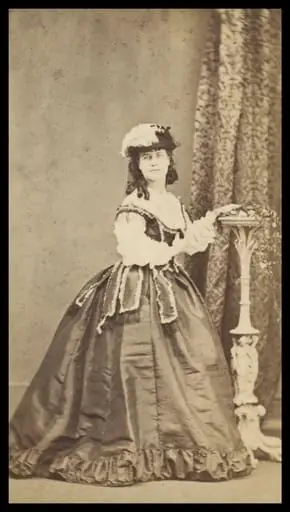
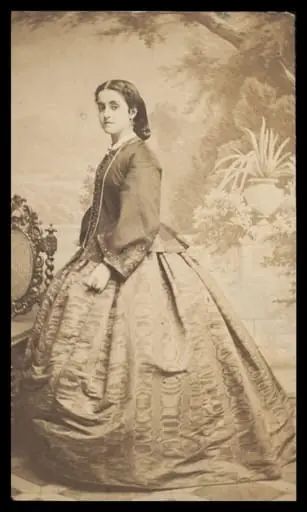
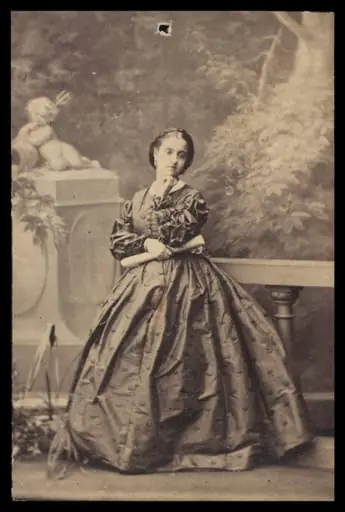
This portrait photograph depicts the actress Coralie Braché, captured during the Victorian era when photography was emerging as a popular medium for personal and theatrical imagery. The image is an albumen print, a common process of the time, produced from a glass negative and originally mounted on a stiff card bearing the photographer’s imprint.
Subject & Meaning
Coralie Braché, a noted stage performer, is presented in a pose that reflects the conventions of theatrical portraiture, offering a glimpse into the visual culture surrounding actors in the late 19th century. Such images served both as personal mementos and as promotional material for performers.
Technique & Style
The photograph utilizes the albumen printing technique, wherein silver nitrate is mixed with egg whites to create a light-sensitive coating on paper. This method yielded sharp detail and a glossy surface, typical of the ‘cartes de visite’ and later ‘cabinet cards’ that circulated widely during the period.
History & Provenance
Originally part of a series of small portrait cards, the image was later removed from its original backing and bound into an album by Guy Tristram Little, a solicitor and avid collector of photographic ephemera. Upon Little’s death in 1953, his assembled collection was bequeathed to the Victoria and Albert Museum.
Context
During the 1860s, ‘cartes de visite’—tiny visiting-card-sized photographs—became a fashionable collectible, featuring everything from landscapes to celebrity portraits. By the late 1870s they were superseded by larger ‘cabinet cards’, which remained popular until the rise of postcards in the 1890s.
Legacy
The photograph illustrates the intersection of theatre and early photographic practice, documenting how performers like Braché were marketed to the public. Its preservation within the V&A’s Theatre Collections underscores the role such images play in tracing the visual history of performance arts.
Artist & collection
Artist