Artwork
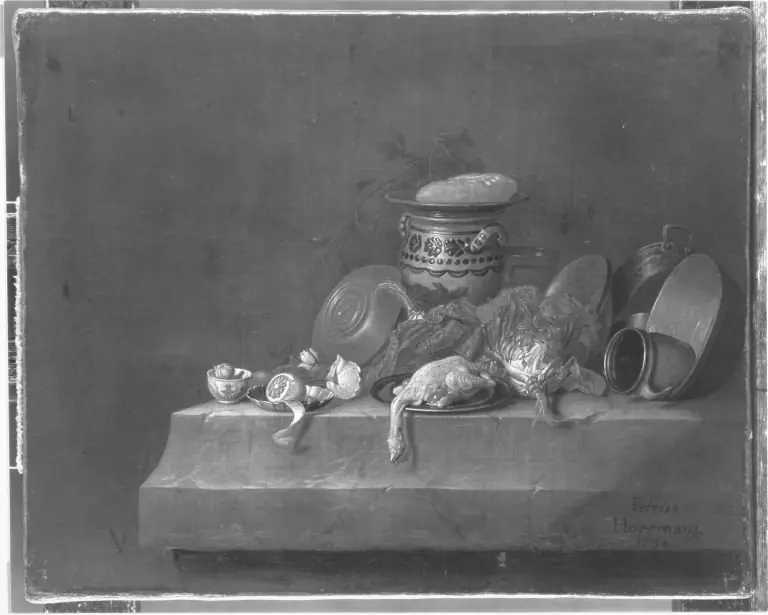
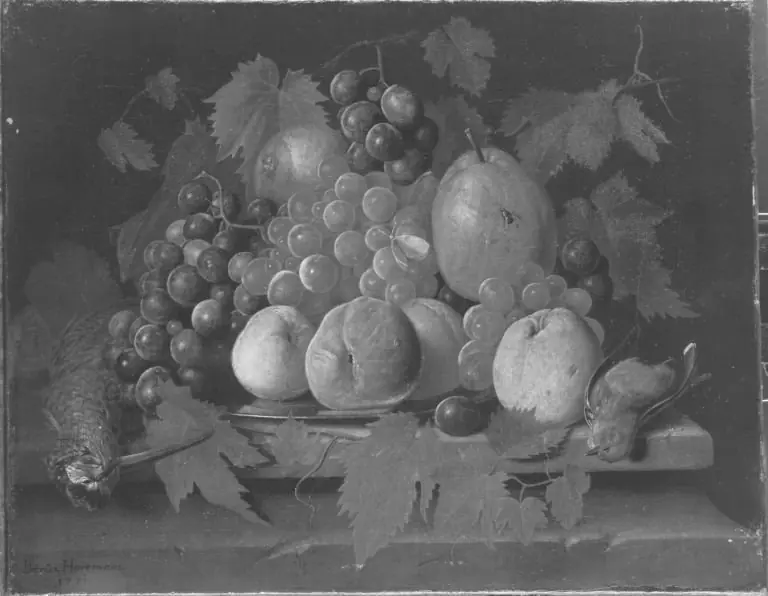
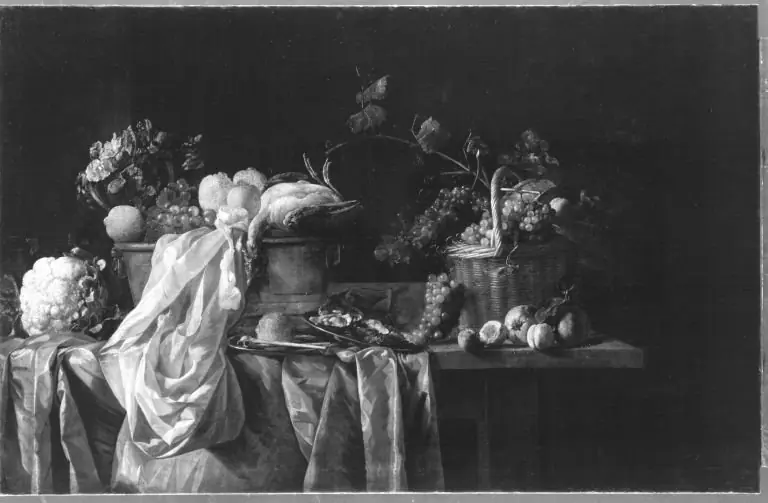
Stillleben mit totem Rebhuhn
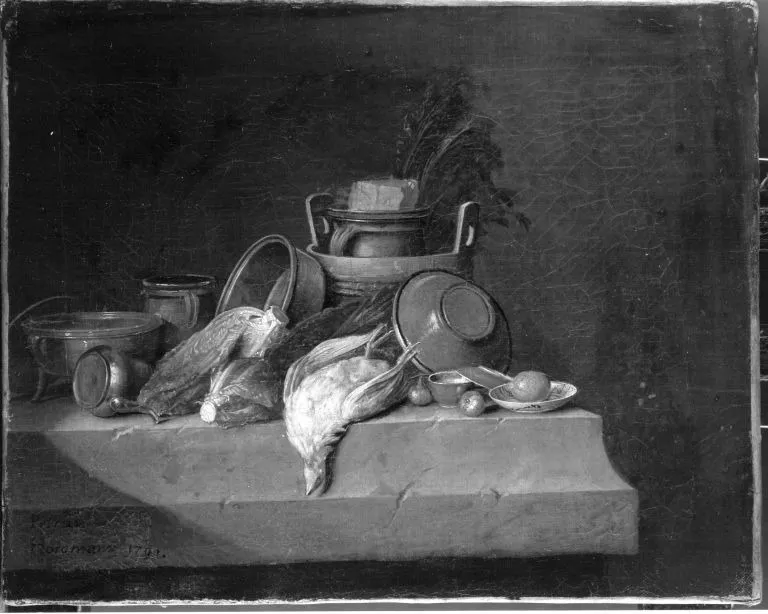
Stillleben mit totem Rebhuhn is an unspecified painting by the Rococo painting artist Peter Jacob Horemans. It dates from 1764 and is held in the collection of the Bavarian State Painting Collections.
About this work
Overview
Executed during the Rococo period, the work belongs to the still‑life genre and is presently part of the Alte Pinakothek’s collection in Munich.
Created in 1764, *Stillleben mit totem Rebhuhn* is a small-scale oil painting by the Flemish artist Peter Jacob Horemans. Executed during the Rococo period, the work belongs to the still‑life genre and is presently part of the Alte Pinakothek’s collection in Munich. Its composition centers on a dark tabletop crowded with everyday foodstuffs and kitchen implements, highlighted against a deep black background.
Subject & Meaning
The central motif is a freshly killed partridge, positioned among raw poultry, a possible rabbit carcass, onions, carrots, and a solitary apple. Accompanying metal pots, pans, a basket, a knife and a plate suggest a domestic kitchen scene, reflecting the 18th‑century interest in the transience of food and the material pleasures of the table.
Technique & Style
Horemans employs a pronounced chiaroscuro, using stark contrasts between illuminated objects and the surrounding darkness to give the items a sculptural presence. The careful rendering of textures—glossy metal, soft flesh, and rough vegetable skins—demonstrates his meticulous brushwork and his ability to convey tactile realism within the decorative sensibilities of Rococo still life.
History & Provenance
The painting entered the Alte Pinakothek’s holdings in the 19th century, though its exact acquisition path remains undocumented. Horemans, who worked for aristocratic patrons across Europe, produced a range of works from portraiture to genre scenes; this still life exemplifies his lesser‑known but skillful engagement with the market‑type subject matter favored by his clientele.
Context
In mid‑18th‑century Europe, still‑life compositions featuring dead game and kitchen fare were popular among both courtly and bourgeois collectors, serving as visual studies of abundance and mortality. Horemans’ treatment aligns with contemporary Flemish and German traditions, while his use of dramatic lighting anticipates later Baroque‑inspired naturalism.
Artist & collection
Artist
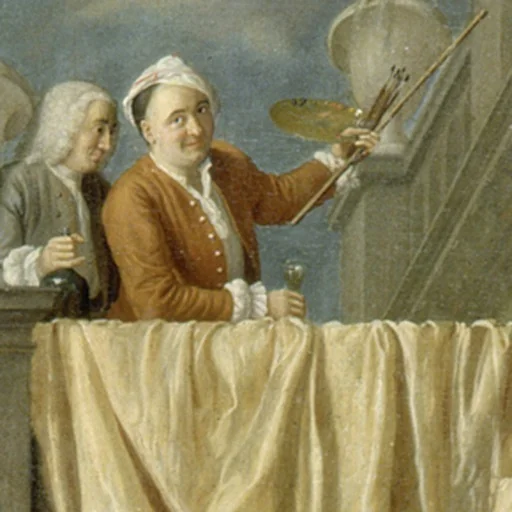
Peter Jacob Horemans or Peter Jakob Horemans (25 October 1700 – 3 August 1776) was a Flemish painter of genre scenes, portraits, conversation pieces, still lives and city views.

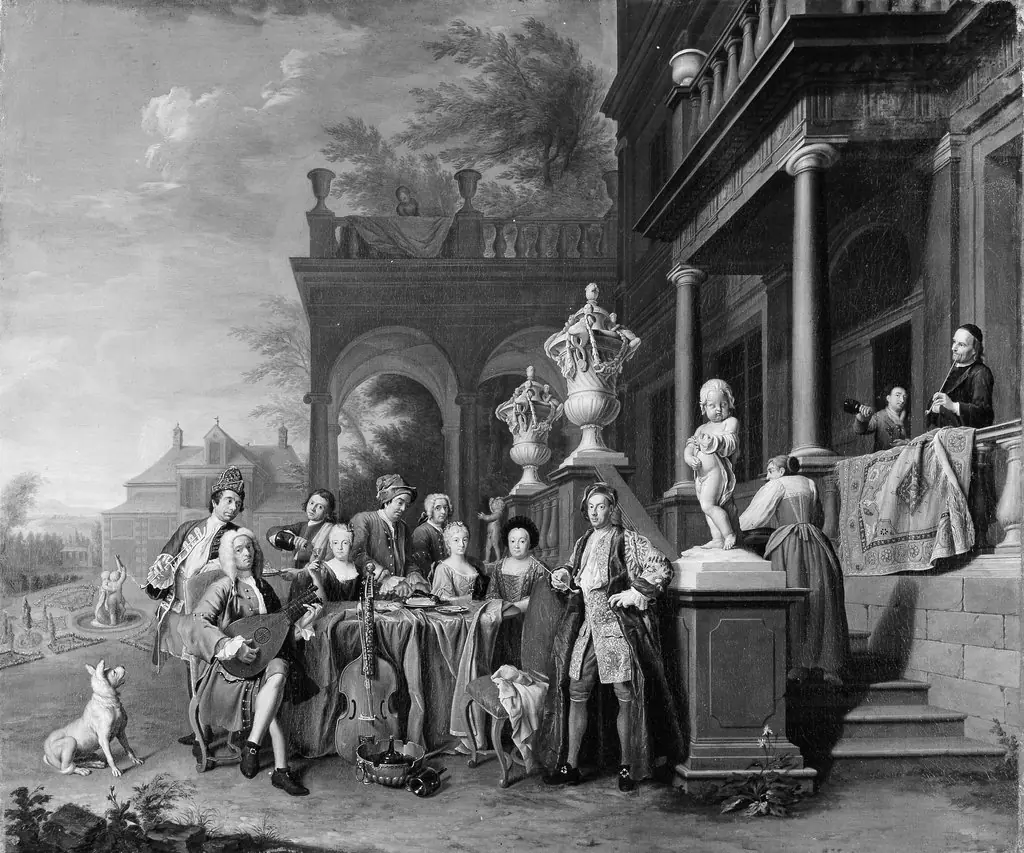 A Musical Gathering at the Court of the Elector Karl Albrecht of Bavaria
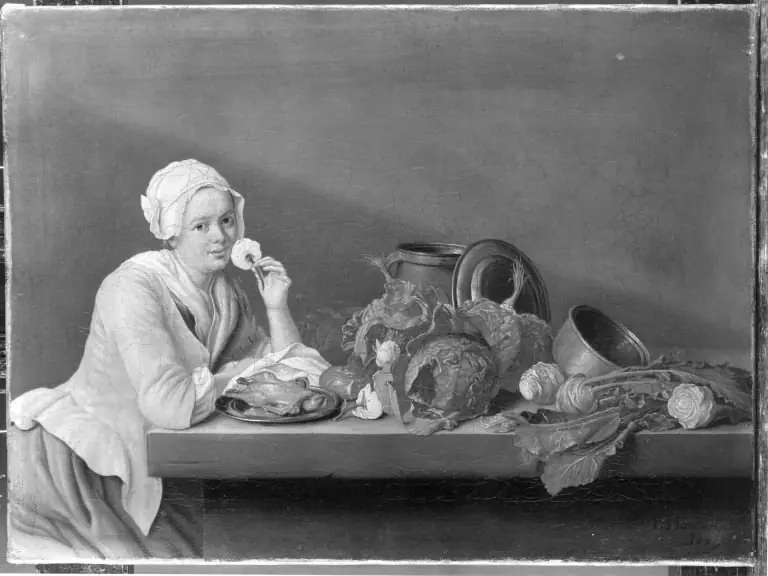 Stillleben mit weiblicher Figur mit Blumen
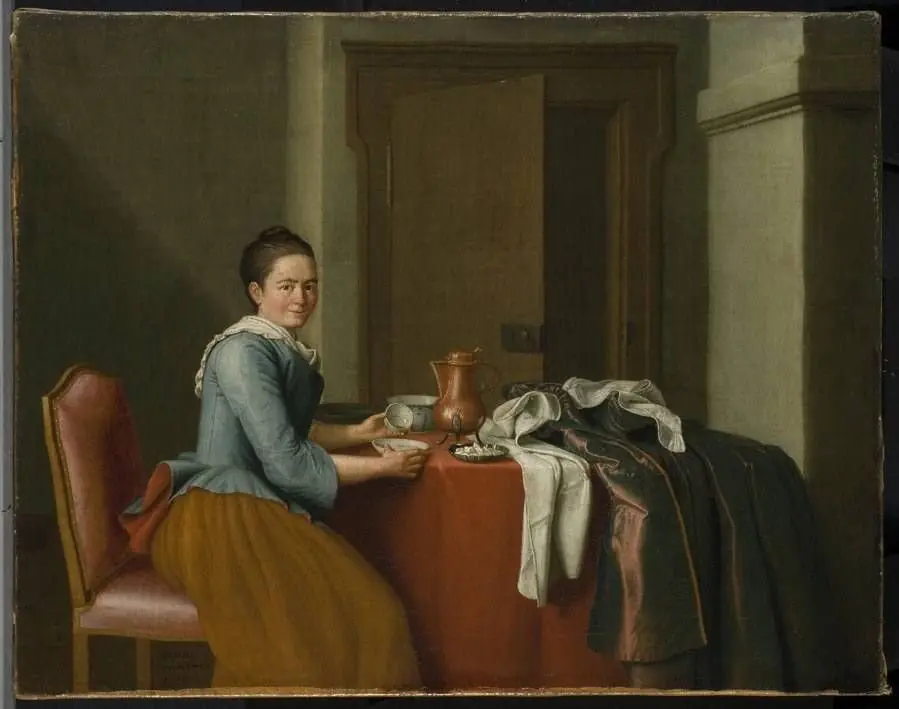 Stillleben mit weiblicher Figur
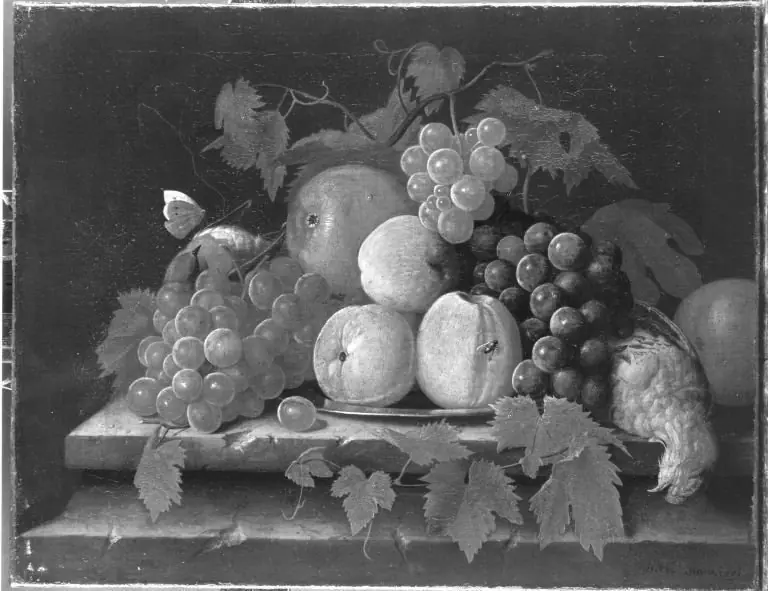 Stillleben mit Früchten und toten Vögeln
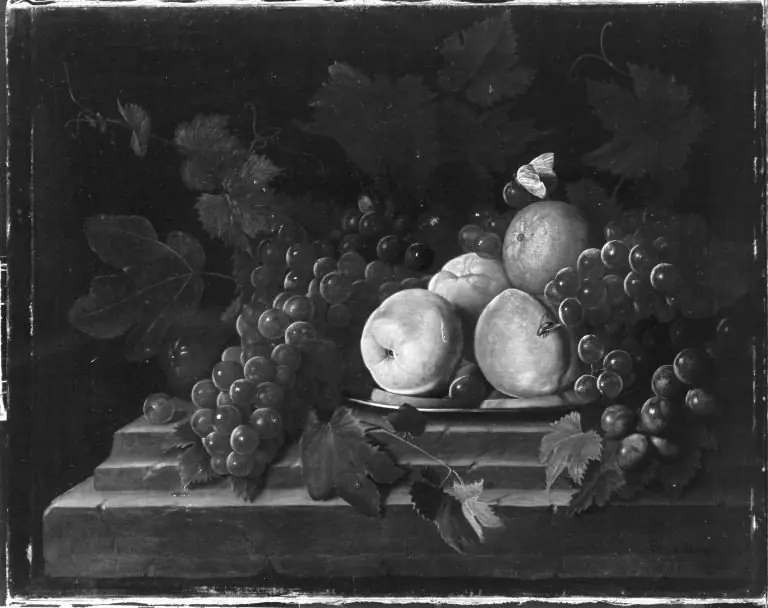 Früchtestück
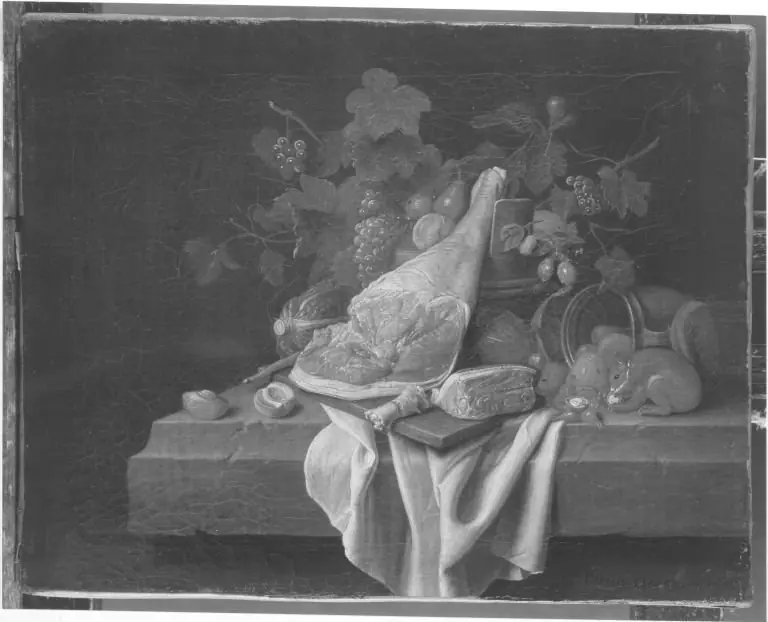 Stillleben mit Schweinskeule und Eichhörnchen
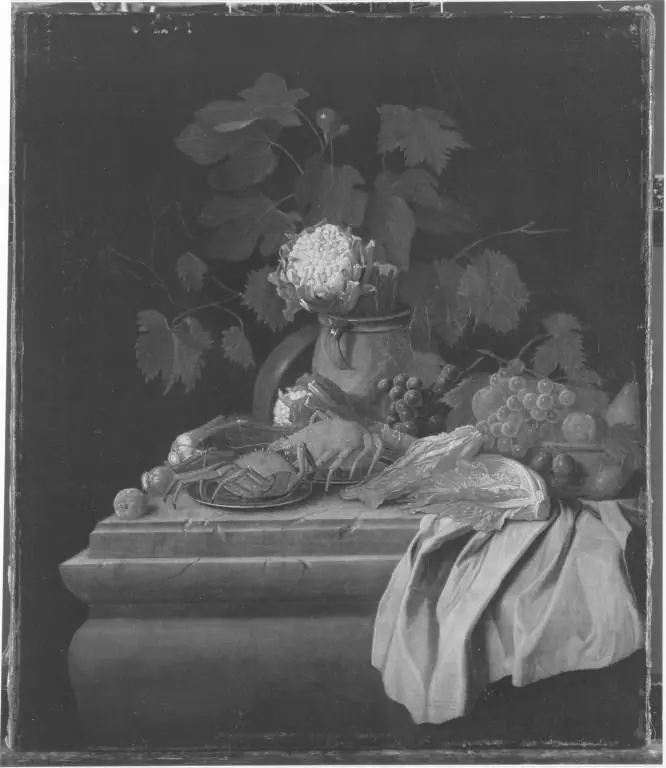 Stillleben mit Krebsen
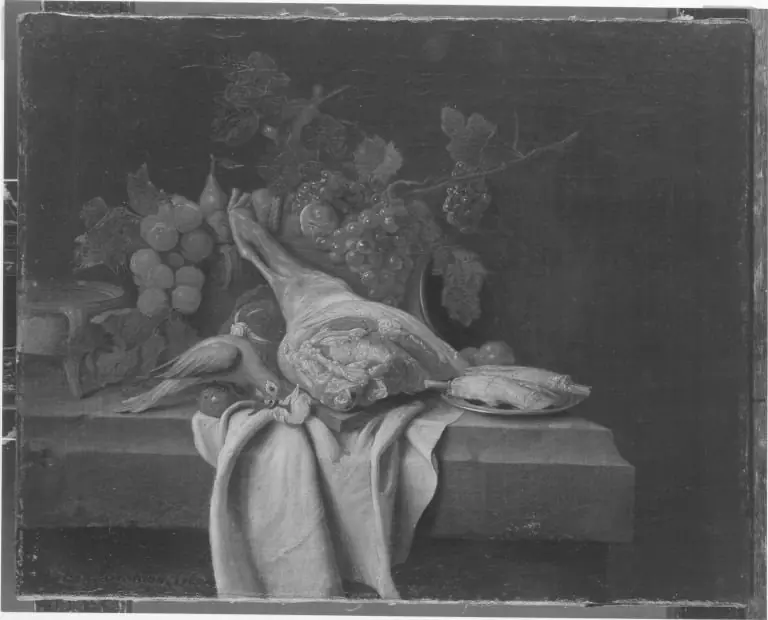 Stillleben mit Schweinskeule und Papagei