Artwork
Christ on the Sea of Galilee
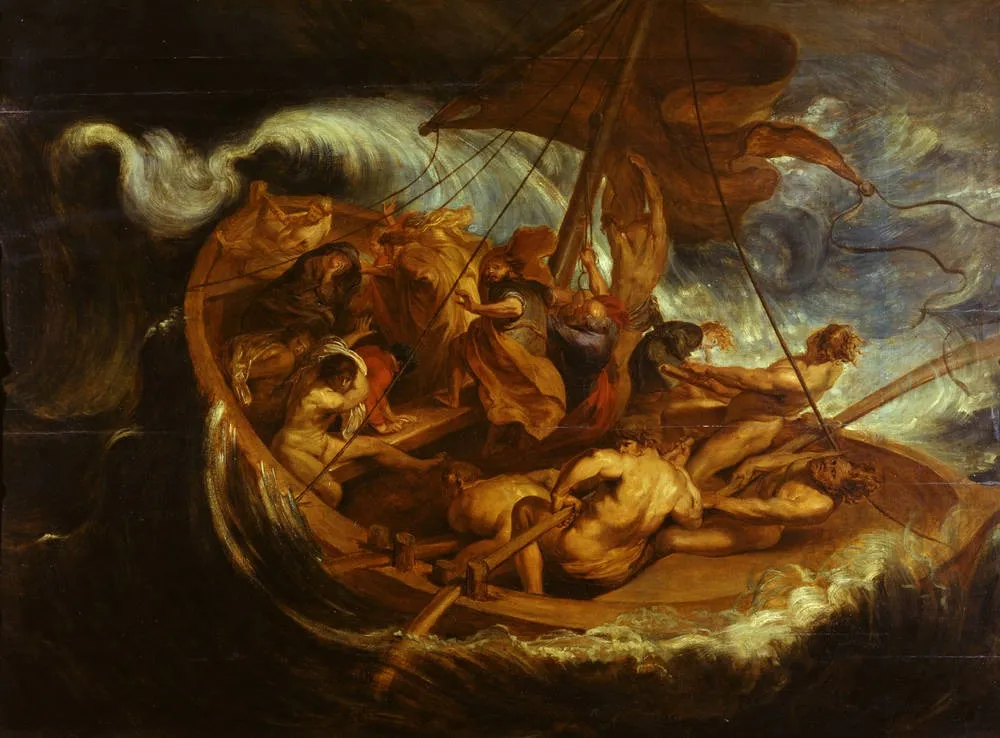
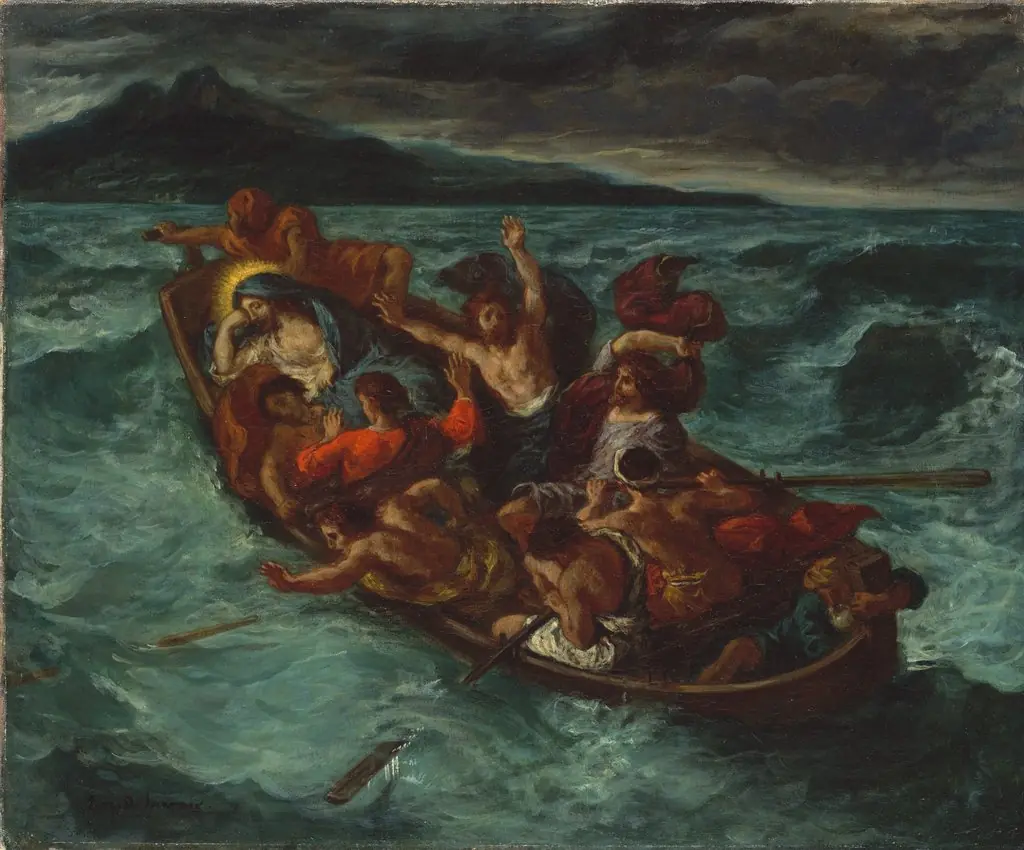
Christ on the Sea of Galilee is an oil painting by the Flemish Baroque painting artist Peter Paul Rubens. It dates from 1611 and is held in the collection of the Gemäldegalerie Alte Meister.
About this work
Overview
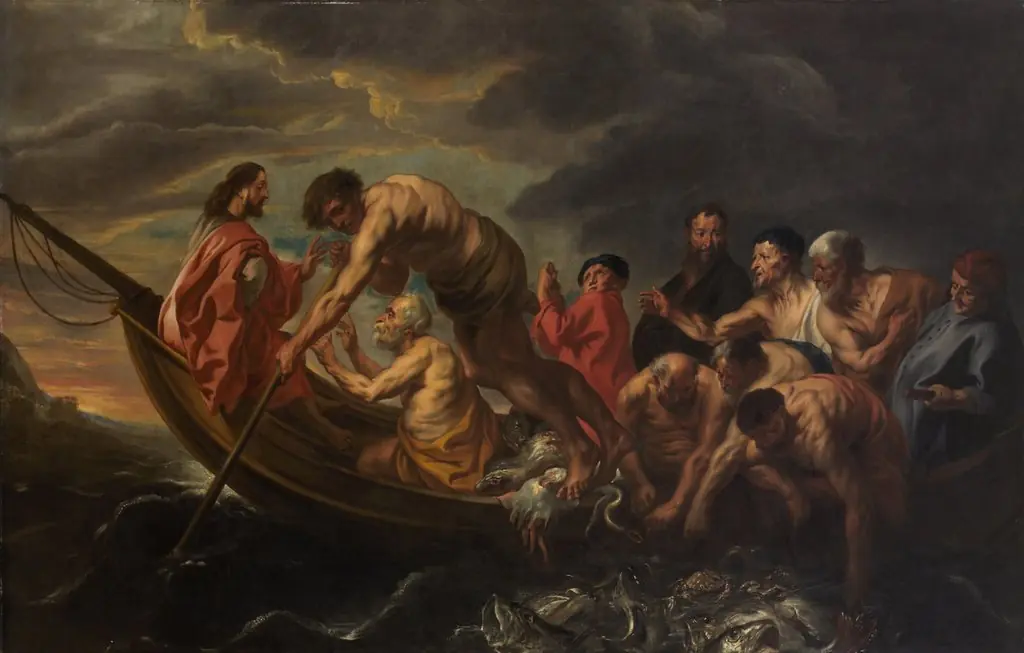
The work portrays a tempestuous maritime episode from the Gospels, placing Jesus at the prow of a small vessel while a storm rages around him.
Peter Paul Rubens painted *Christ on the Sea of Galilee* in 1611, employing oil on canvas within the Flemish Baroque idiom. The work portrays a tempestuous maritime episode from the Gospels, placing Jesus at the prow of a small vessel while a storm rages around him. The composition balances vigorous movement with a central figure of calm authority, reflecting the dramatic sensibility characteristic of Rubens’s mature period.
Subject & Meaning
The scene illustrates the biblical episode in which Christ calms the storm, a narrative favored by Counter‑Reformation patrons for its emphasis on divine intervention and emotional immediacy. By positioning Jesus illuminated against dark, turbulent waters, Rubens underscores the saint’s spiritual mastery over chaos, inviting viewers to contemplate faith’s capacity to restore order amid turmoil.
Technique & Style
Rubens employs a vigorous brushwork and a rich palette, contrasting warm, golden light that envelops the figure of Christ with the deep, shadowy tones of the storm‑filled sky and sea. The chiaroscuro heightens the drama, while the dynamic arrangement of the disciples—some clutching the rigging, others teetering—creates a sense of kinetic energy typical of Baroque theatricality.
History & Provenance
Since its creation, the painting has remained within the European collection circuit, ultimately entering the Gemäldegalerie Alte Meister. Its presence in this prestigious museum situates the work among other masterpieces of the 17th‑century Flemish school, allowing scholars to trace Rubens’s influence on subsequent generations of religious painters.
Context
Executed during the height of the Counter‑Reformation, the work aligns with the Catholic Church’s call for vivid, affective imagery that could engage the faithful. Rubens, both a court painter and diplomat, responded to these directives by integrating classical compositional balance with heightened emotional content, thereby reinforcing doctrinal messages through visual splendor.
Artist & collection
Artist
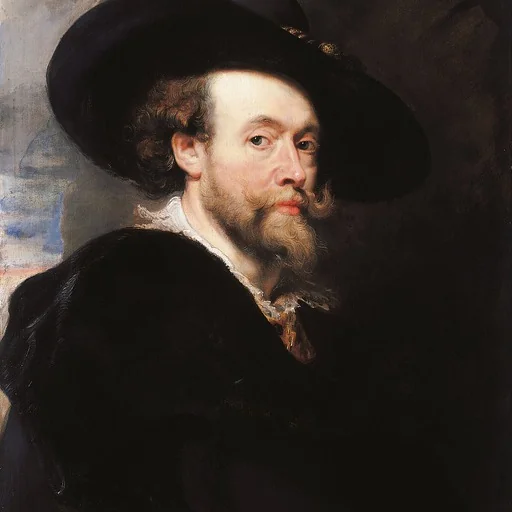
Sir Peter Paul Rubens ( ROO-bənz; Dutch: ; 28 June 1577 – 30 May 1640) was a Flemish artist and diplomat.