Artwork
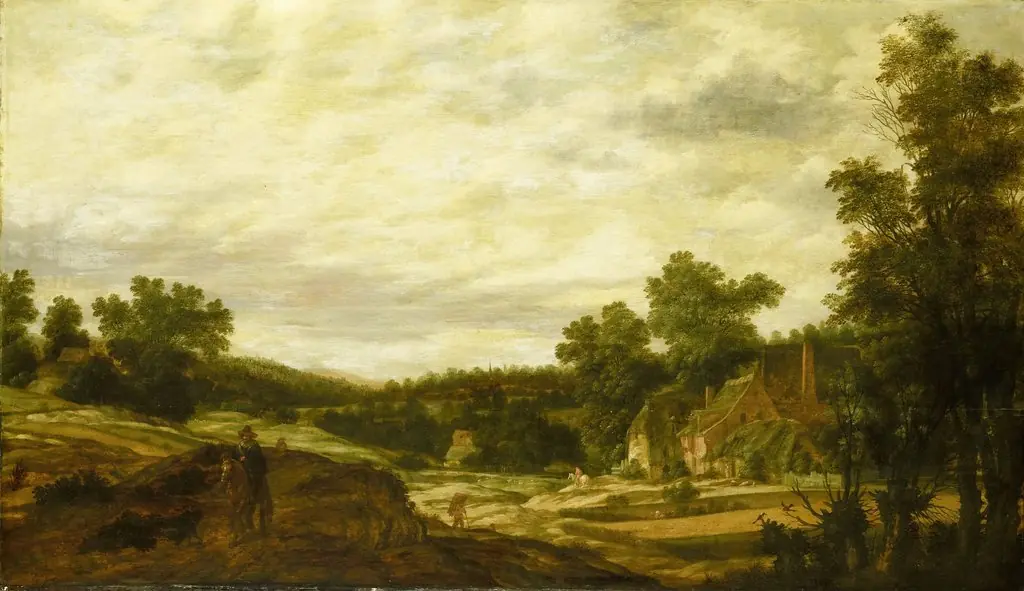
Landscape with an Avenue of Trees
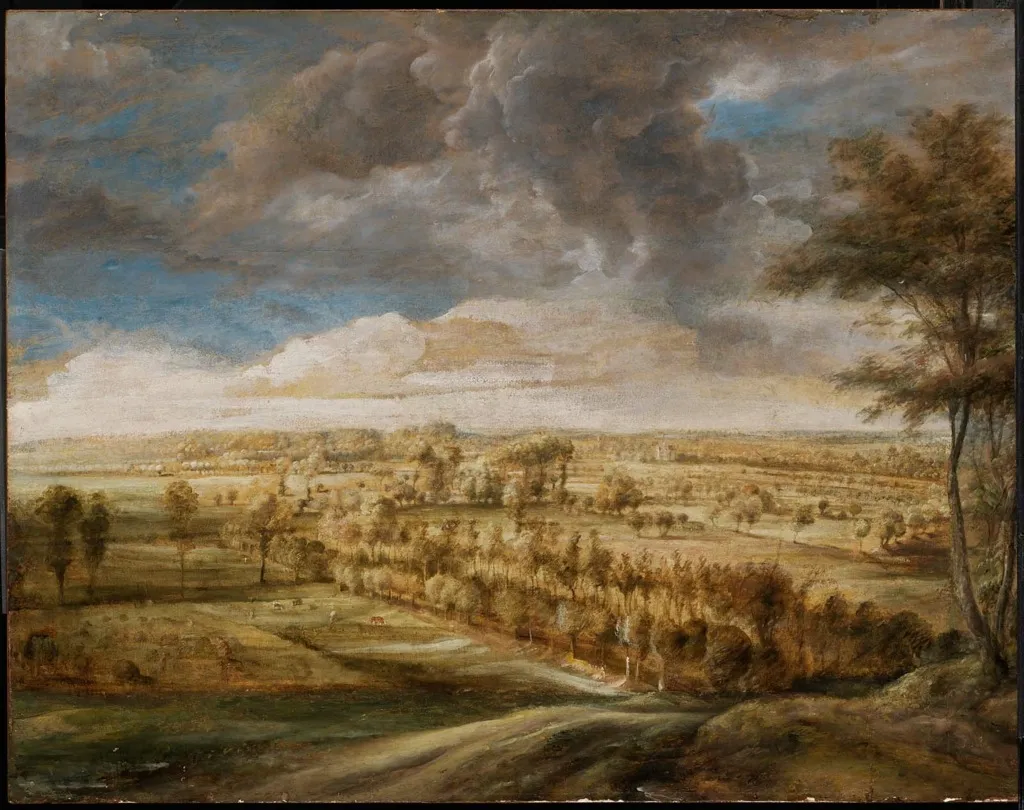
Landscape with an Avenue of Trees is an oil painting by the Flemish Baroque painting artist Peter Paul Rubens. It dates from 1635 and is held in the collection of the Museum of Fine Arts Boston.
About this work
Overview
Painted in 1635 by Peter Paul Rubens, this oil-on-canvas landscape presents a quiet rural scene along a tree-lined path.
Painted in 1635 by Peter Paul Rubens, this oil-on-canvas landscape presents a quiet rural scene along a tree-lined path. Unlike his more dramatic religious or mythological works, this piece focuses on natural harmony, reflecting Rubens’s engagement with the Flemish Baroque tradition through observed landscape rather than narrative. It is part of a smaller body of his outdoor scenes, distinct from his larger commissions.
Subject & Meaning
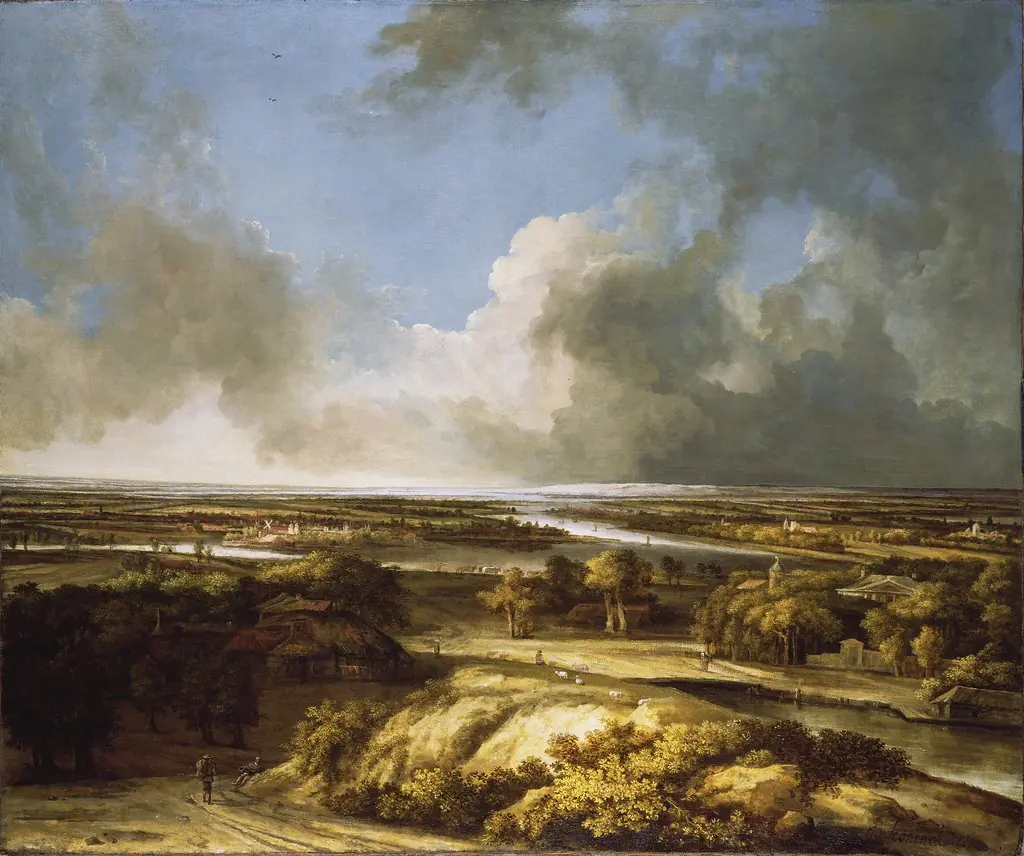
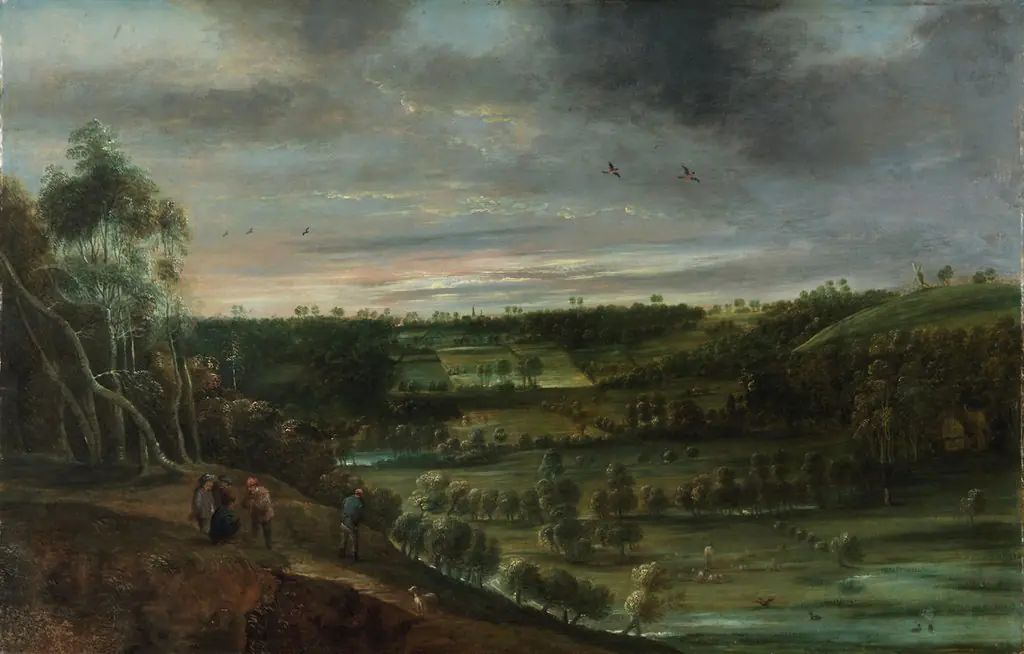
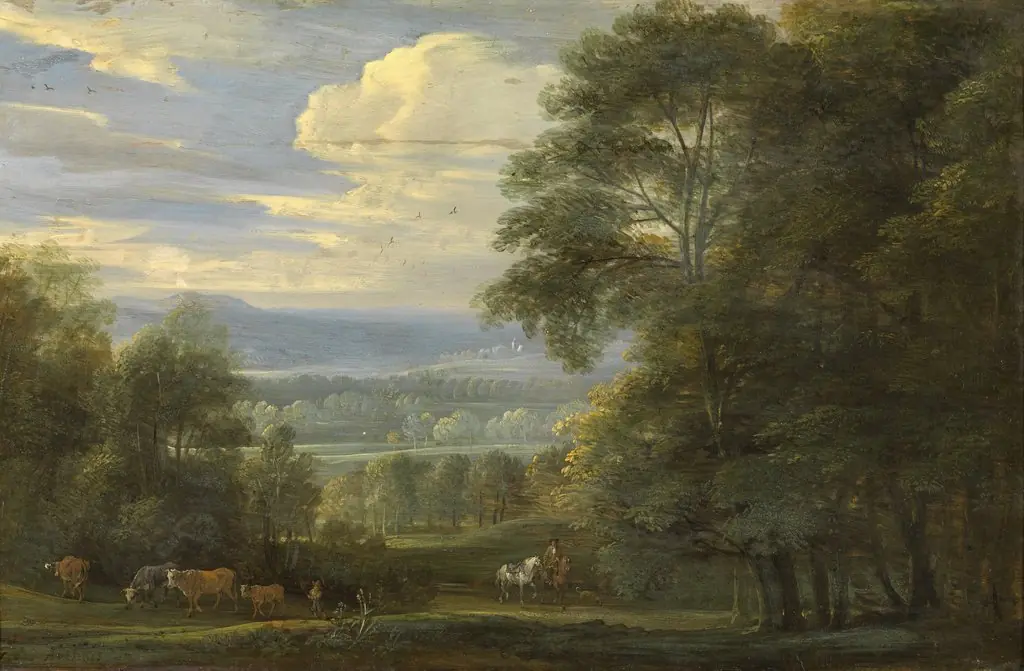
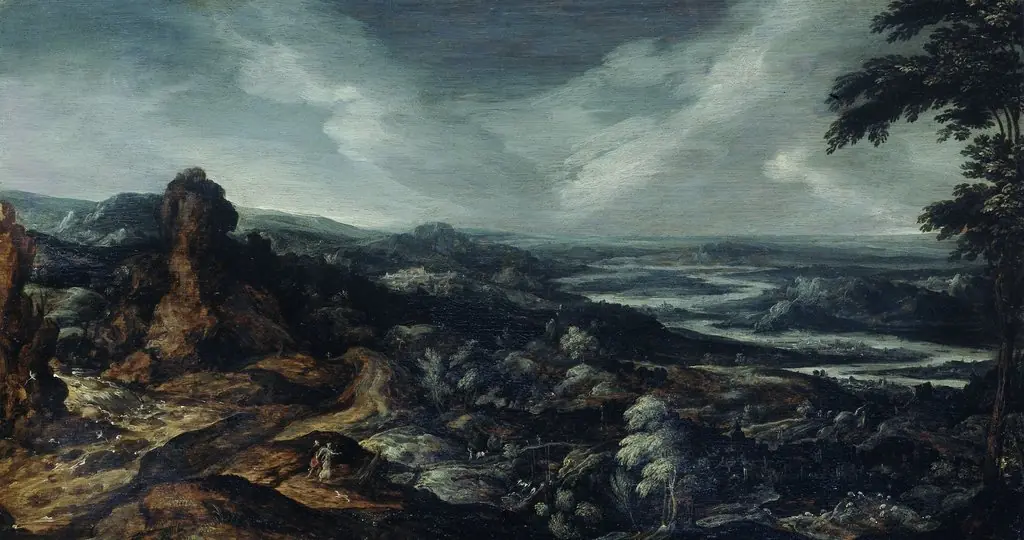
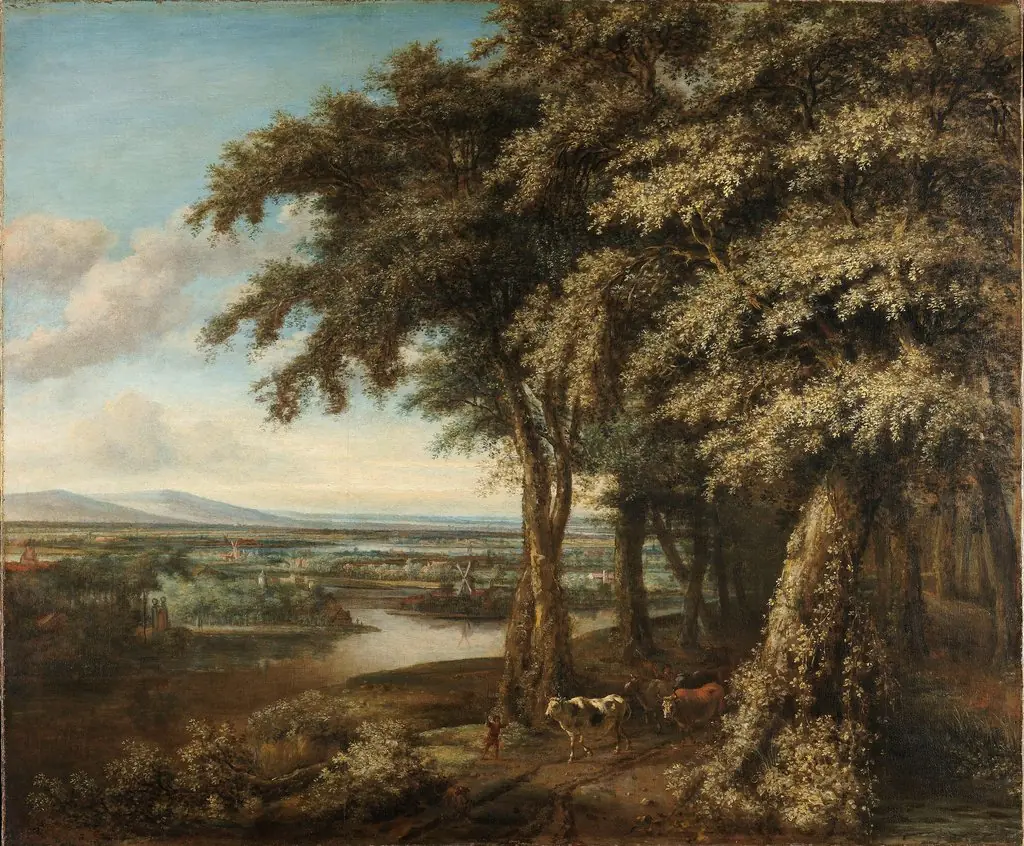
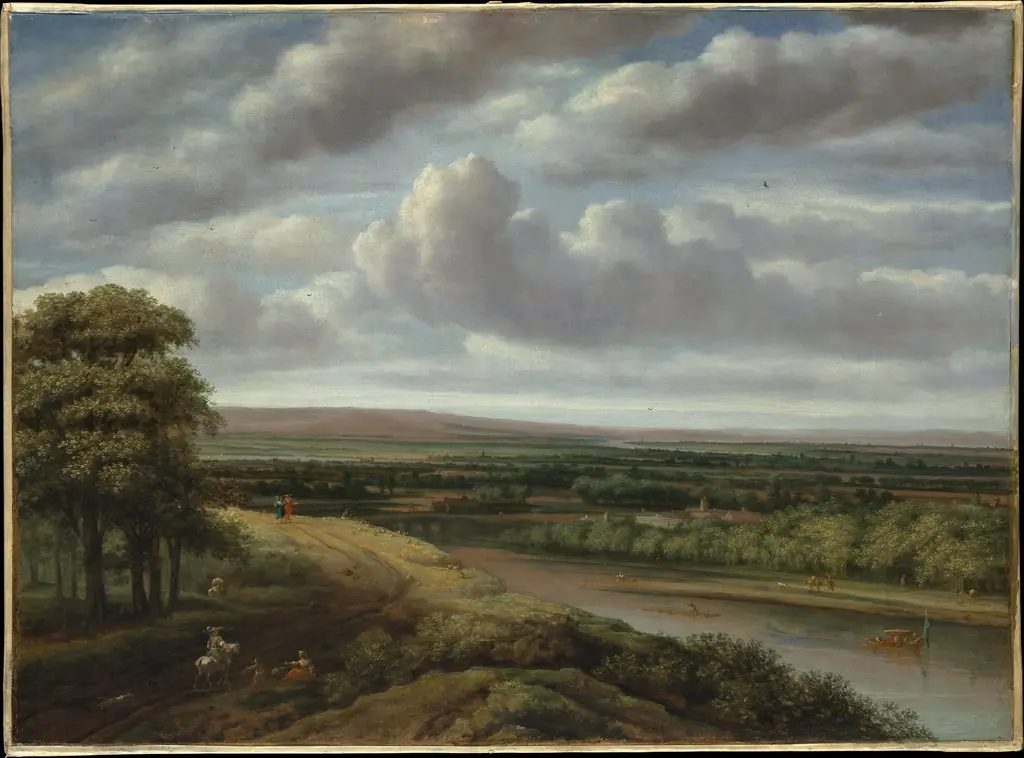
The painting depicts a peaceful rural avenue bordered by tall, evenly spaced trees, leading the eye toward a distant hamlet nestled in rolling hills. There is no human activity visible, and the absence of narrative elements suggests a contemplative mood. The scene may reflect an idealized vision of the countryside, aligned with contemporary European tastes for orderly, serene nature, rather than a specific location.
Technique & Style
Rubens employs loose, fluid brushwork to render the foliage and sky, creating a sense of air and movement. The vibrant greens of the leaves contrast with the soft blues of the atmosphere, while subtle shifts in light suggest late afternoon. Depth is achieved through atmospheric perspective, with distant forms rendered in cooler tones, and the composition guides the viewer’s gaze along the avenue’s central axis.
History & Provenance
Created during Rubens’s later years at his estate in the Flemish countryside, the painting likely emerged from his personal interest in the surrounding land. It entered the Museum of Fine Arts, Boston, in the early 20th century as part of a broader acquisition of European Old Master works, and has remained in their collection since.
Context
In the 1630s, Rubens was increasingly focused on private commissions and landscapes, moving away from public altarpieces. This period saw a rise in interest among Flemish elites in pastoral imagery as expressions of refined taste. While still rooted in Baroque sensibilities, this work aligns with emerging trends toward naturalism and quiet observation in Northern European painting.
Legacy
Though less known than Rubens’s mythological scenes, this landscape exemplifies his versatility and sensitivity to natural form. It influenced later generations of landscape painters in the Low Countries, contributing to the development of the genre beyond mere backdrop. Its presence in a major American museum underscores its role in shaping Western perceptions of Flemish Baroque landscape.
Artist & collection
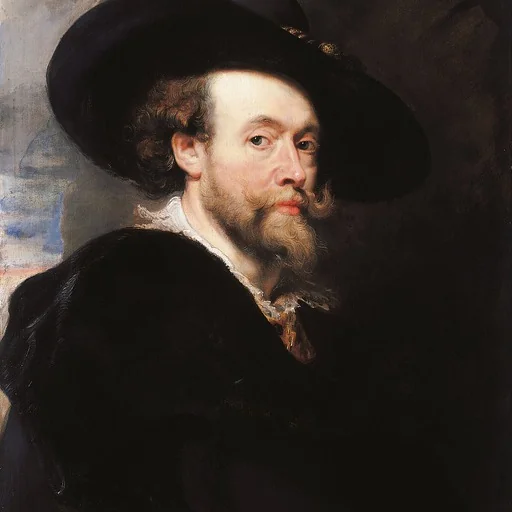
Artist
Sir Peter Paul Rubens ( ROO-bənz; Dutch: ; 28 June 1577 – 30 May 1640) was a Flemish artist and diplomat.