Artwork
Man in Oval Frame
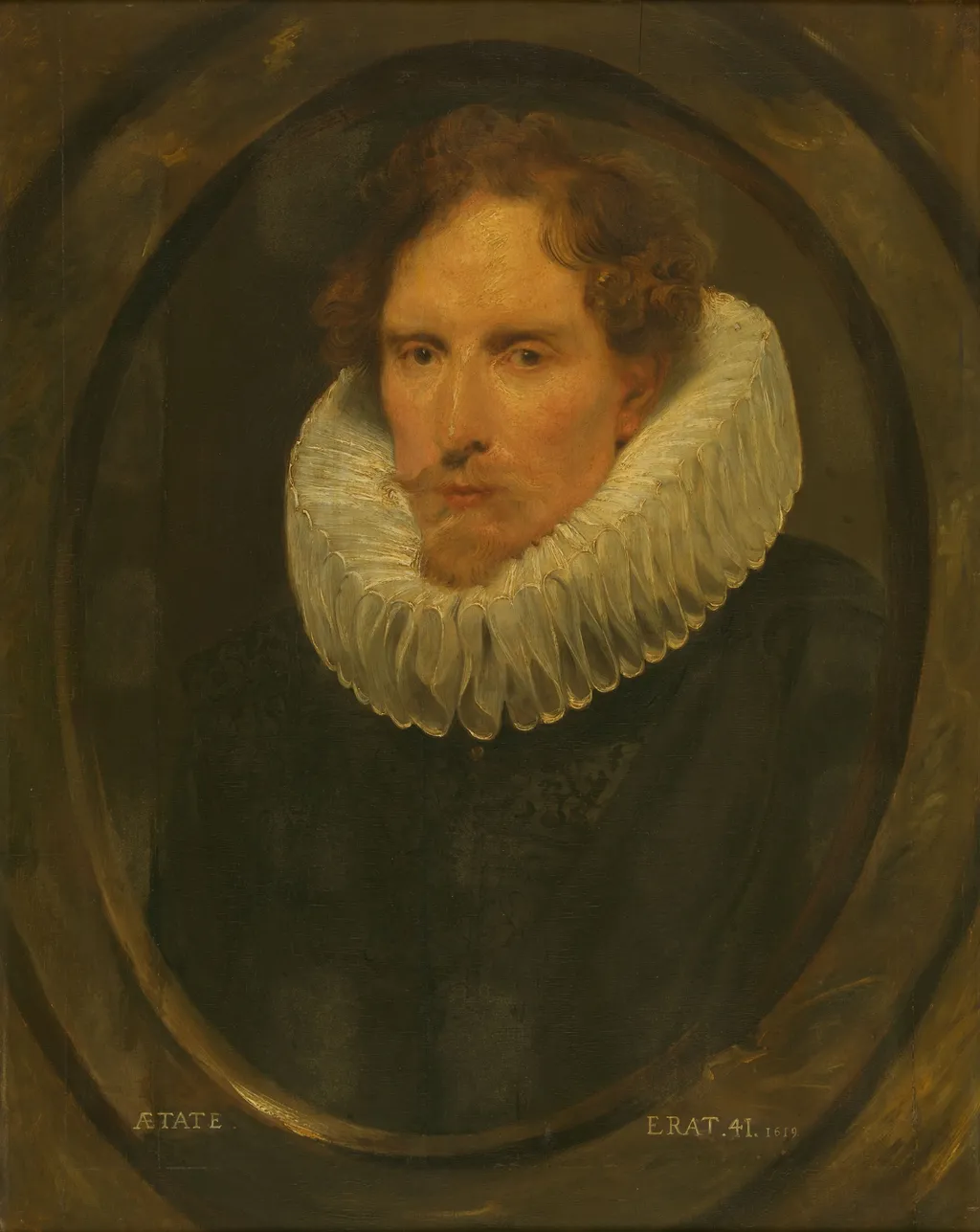
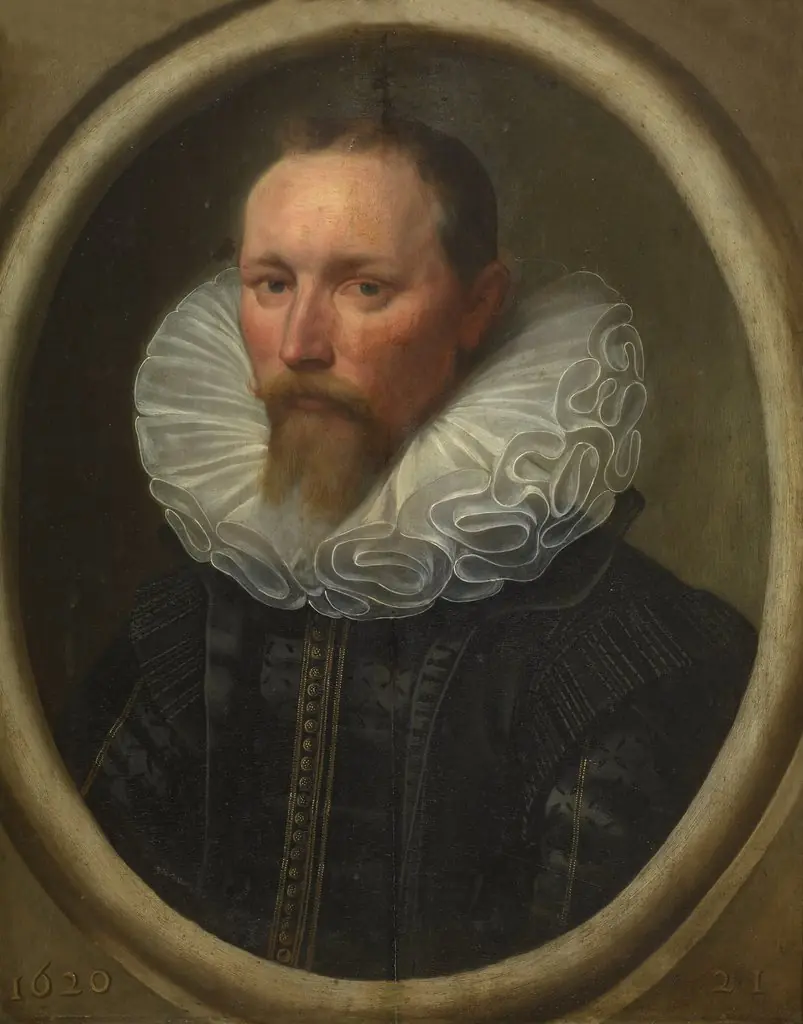
Man in Oval Frame is an oil painting by Peter Paul Rubens. It dates from 1619 and is held in the collection of the Royal Museums of Fine Arts of Belgium.
About this work
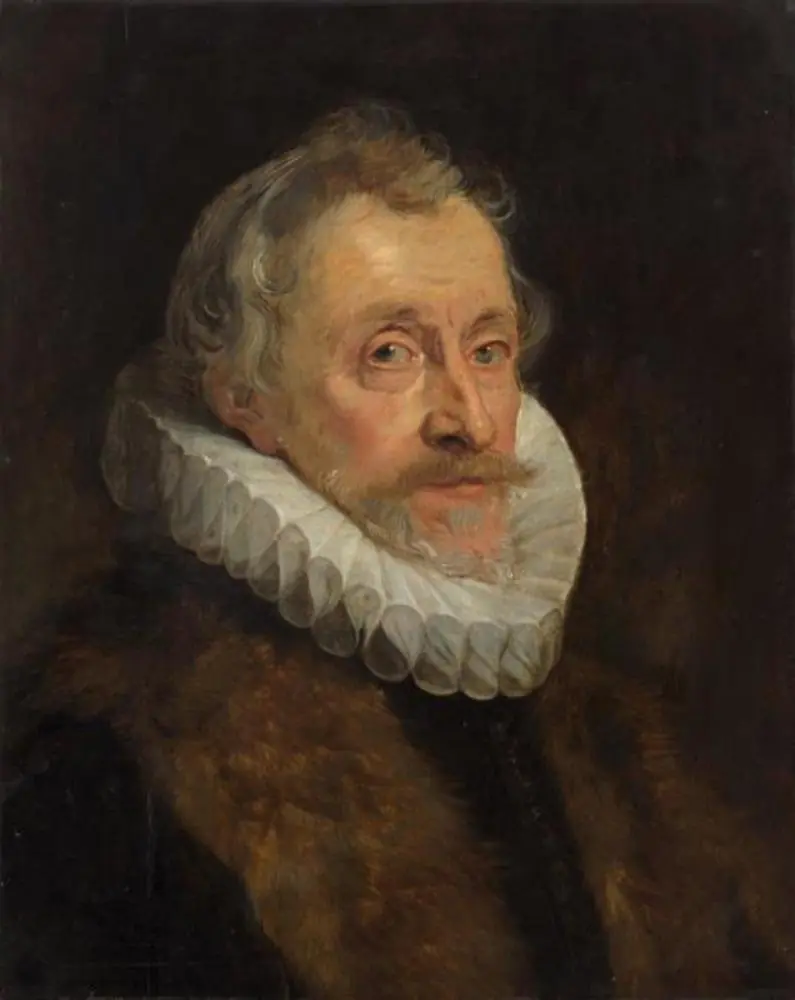
The artist's use of chiaroscuro creates a sense of depth, with the subject's face and collar standing out from the darker surroundings.
The painting, "Man in Oval Frame," features a man with curly brown hair and a white ruffled collar, set against a dark background. He wears a black jacket adorned with an intricate pattern.
The subject's attire and the oval frame suggest a formal portrait from the early 17th century. The artist's use of chiaroscuro creates a sense of depth, with the subject's face and collar standing out from the darker surroundings.
This painting is part of the collection at the Royal Museums of Fine Arts of Belgium.
Overview
Painted in 1619 by Peter Paul Rubens, this oil portrait presents a formally dressed man within an oval composition. Rubens, a leading Flemish painter of the Baroque era, employed oil techniques to capture texture and presence with subtle luminosity. The work belongs to the Royal Museums of Fine Arts of Belgium, where it reflects his broader engagement with portraiture during his mature period.
Subject & Meaning
The sitter, identified only by his attire, wears a black jacket with detailed embroidery and a high white ruffle collar, signaling status and refinement. His curly brown hair and direct gaze suggest a controlled, dignified presence. The oval format, common in elite portraiture of the time, frames the figure with intimacy, emphasizing personal identity rather than narrative or allegory.
Technique & Style
Rubens used chiaroscuro to model the face and collar against a deep, unbroken background, enhancing three-dimensionality. Brushwork varies: soft transitions define skin, while finer strokes render the lace and fabric patterns. The oval shape guides the viewer’s eye inward, reinforcing focus on the subject’s expression and costume, consistent with Rubens’ interest in dynamic composition within confined forms.
History & Provenance
Created during Rubens’ years in Antwerp, the painting entered the Belgian royal collection in the 19th century. Its early ownership is undocumented, but its quality and style align with portraits commissioned by wealthy patrons or members of the local elite. It has remained in public custody since its acquisition by the state, preserving its historical continuity.
Context
In early 17th-century Flanders, portraiture served both social and political functions, often reinforcing the sitter’s standing through refined dress and composed demeanor. Rubens, balancing diplomatic duties with artistic production, adapted courtly conventions to his expressive style. This portrait reflects the era’s preference for elegance and subtle psychological presence over overt grandeur.
Legacy
Though not among Rubens’ most widely known works, this portrait exemplifies his ability to convey individuality within formal constraints. It contributes to the understanding of how Flemish Baroque portraiture evolved—merging realism with decorative richness. Its preservation in a national collection ensures continued study of his approach to the human figure in intimate settings.
Artist & collection
Artist
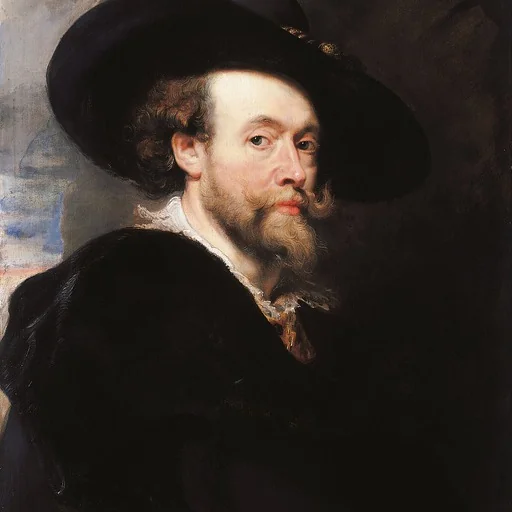
Sir Peter Paul Rubens ( ROO-bənz; Dutch: ; 28 June 1577 – 30 May 1640) was a Flemish artist and diplomat.

Museum
Royal Museums of Fine Arts of Belgium
Continue through works from the same source collection.
 Portrait of a Man
 Portrait of a Man
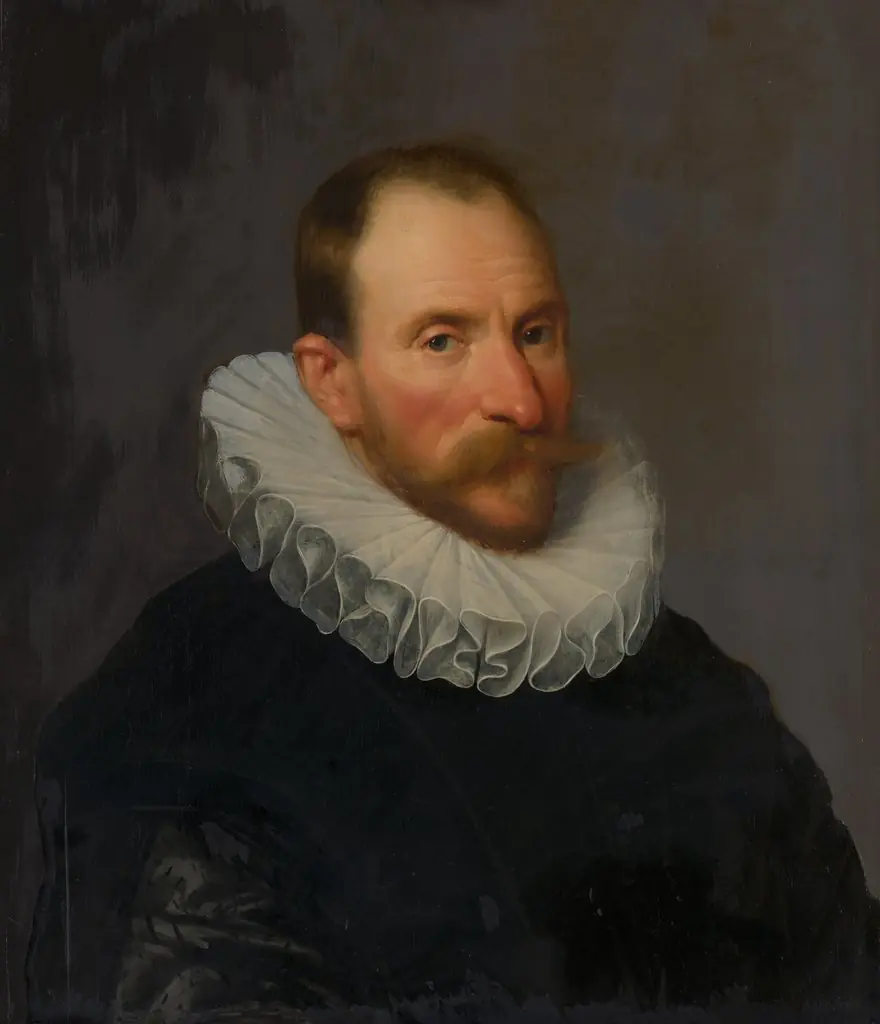 Portrait of Cornelis van Aerssen (1545-1627)
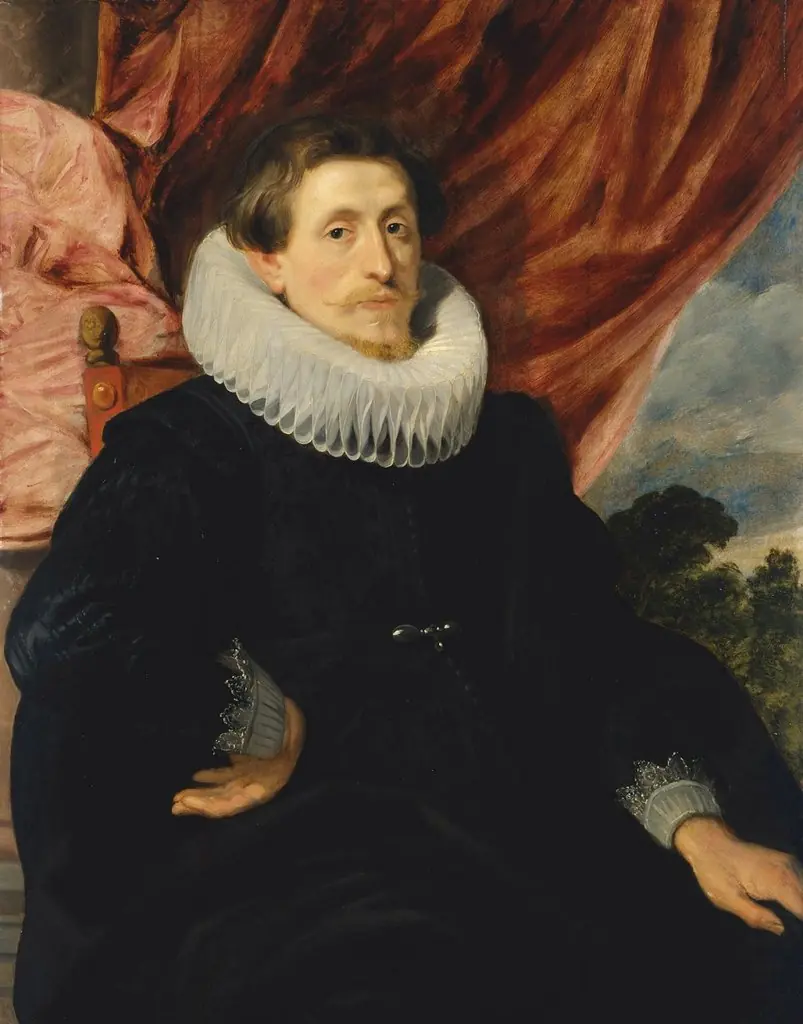 Portrait of a Man, 1618
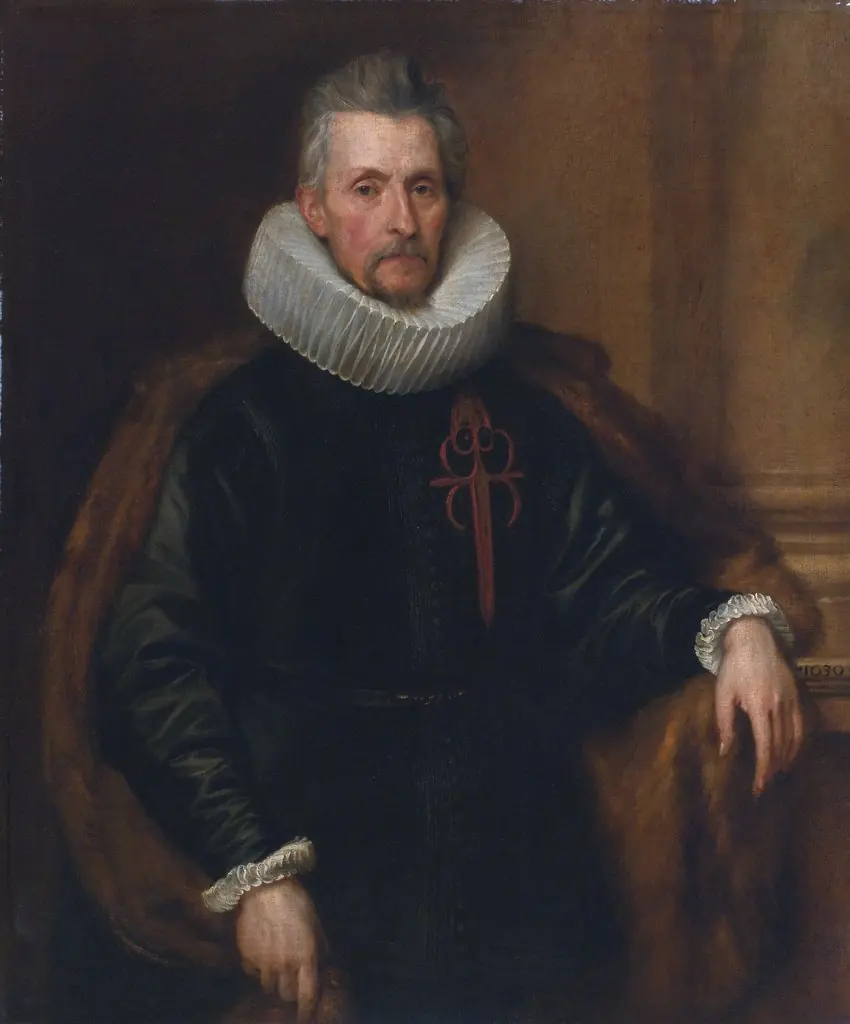 Portrait of Ferdinand van Boisschot
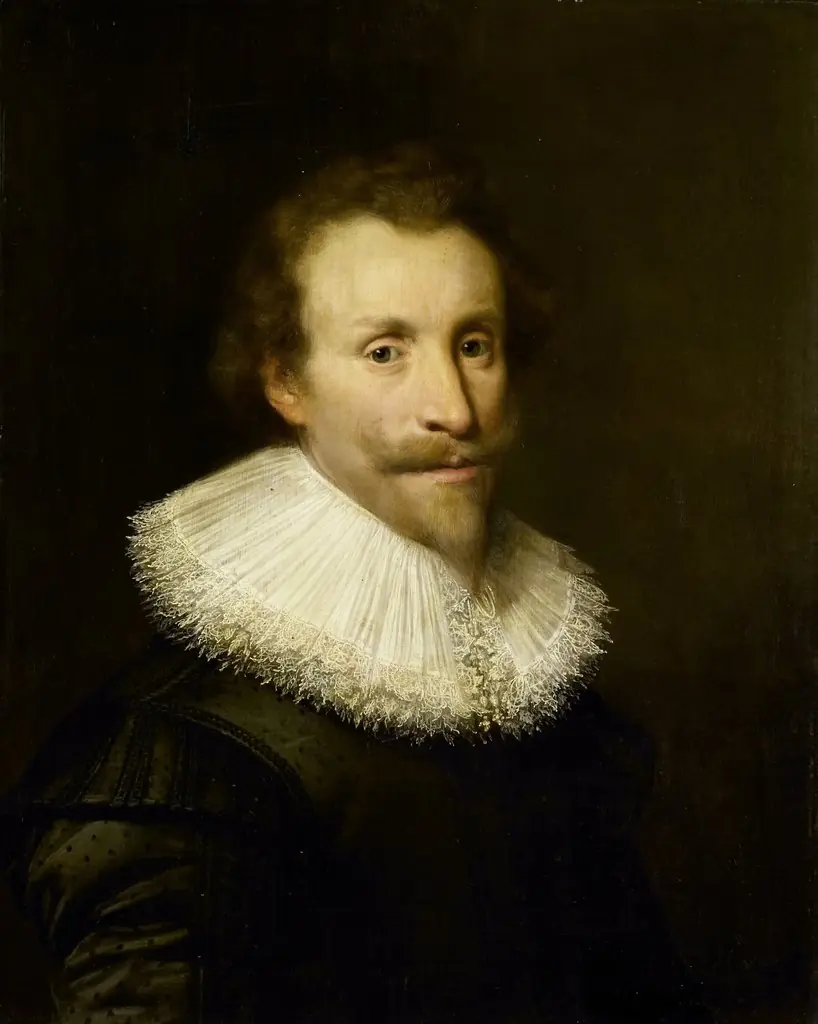 Portrait of a man
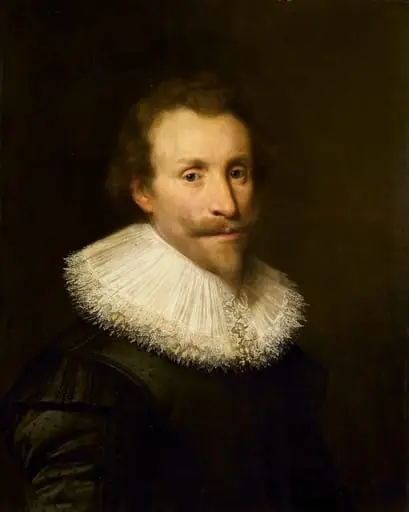 Untitled
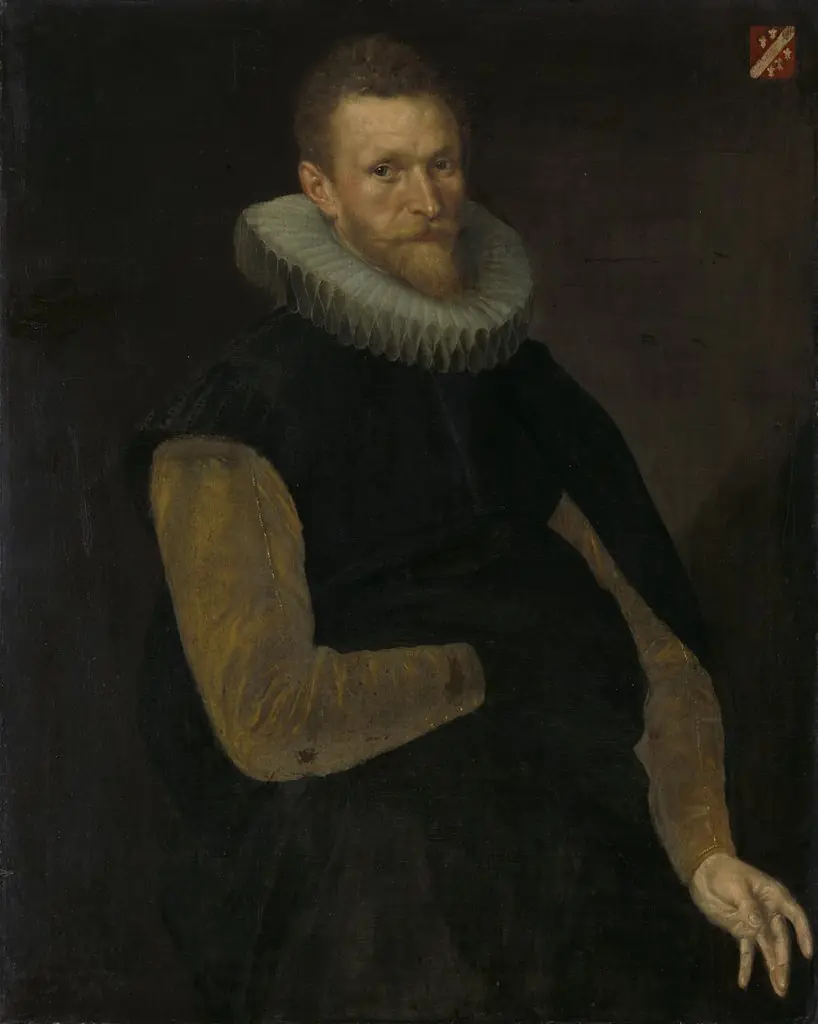 Portrait of Jacob Cornelisz Banjaert, called van Neck (1564-1638). Admiral & mayor of Amsterdam
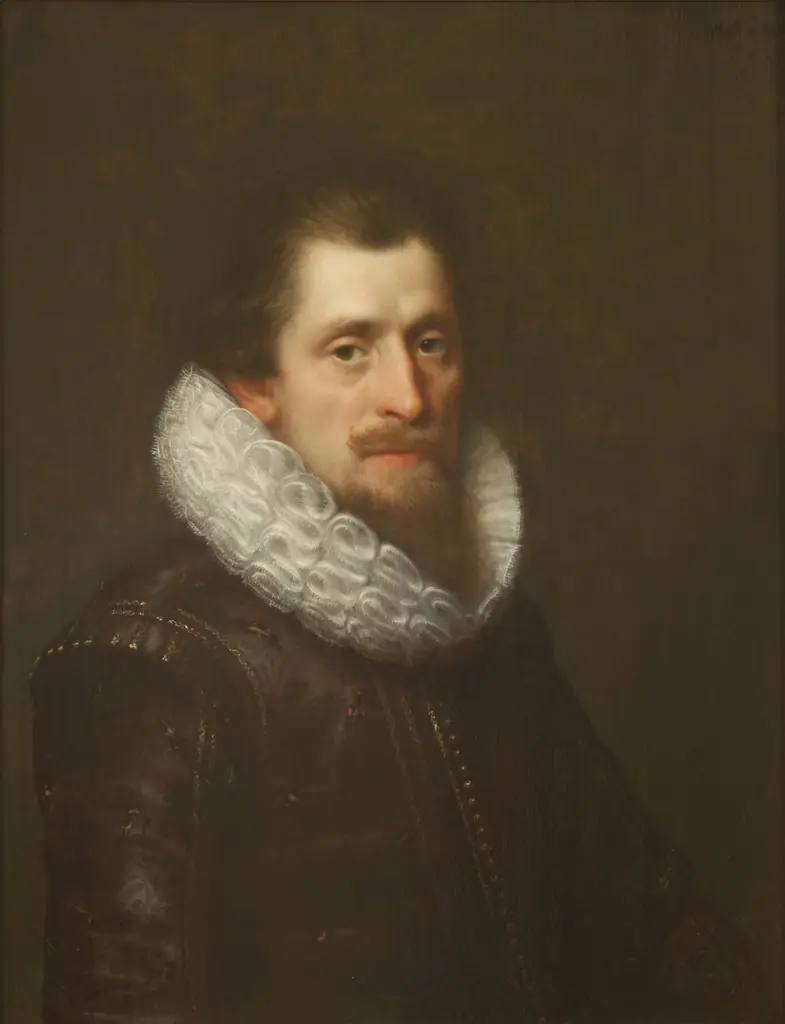 Portrait of a gentleman
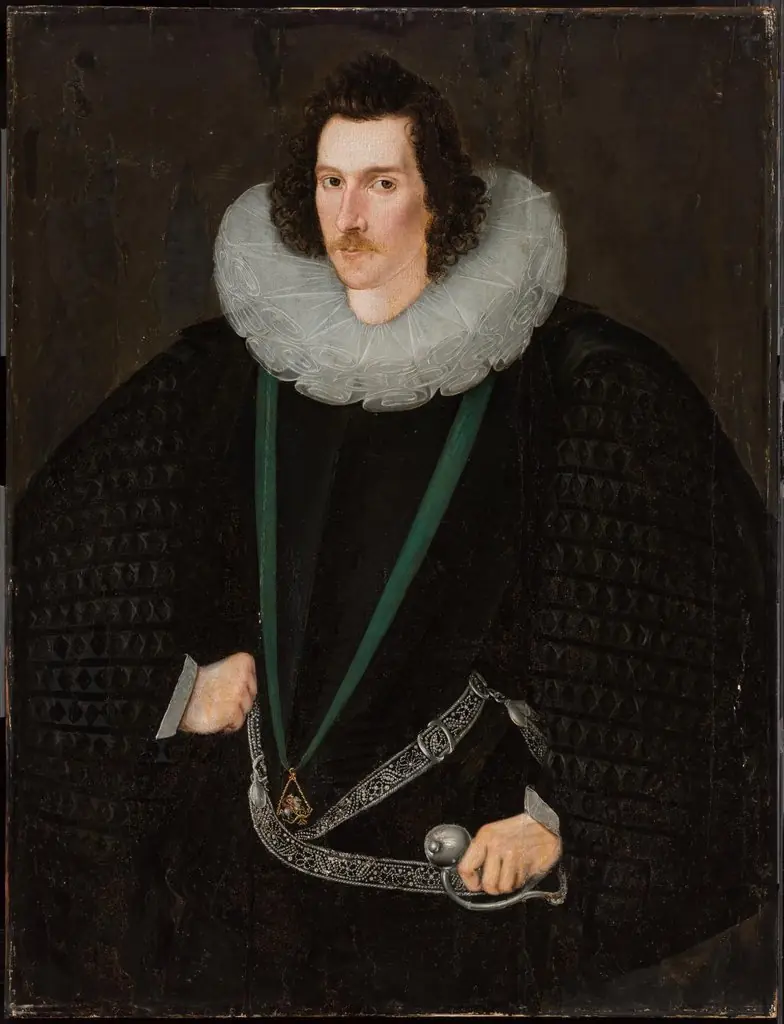 Robert Devereux, 2nd Earl of Essex, as a Knight of the Garter
 Man in a Fur Wrap and Pleated Collar
 Portrait of a man