Artwork
Saint Sebastian
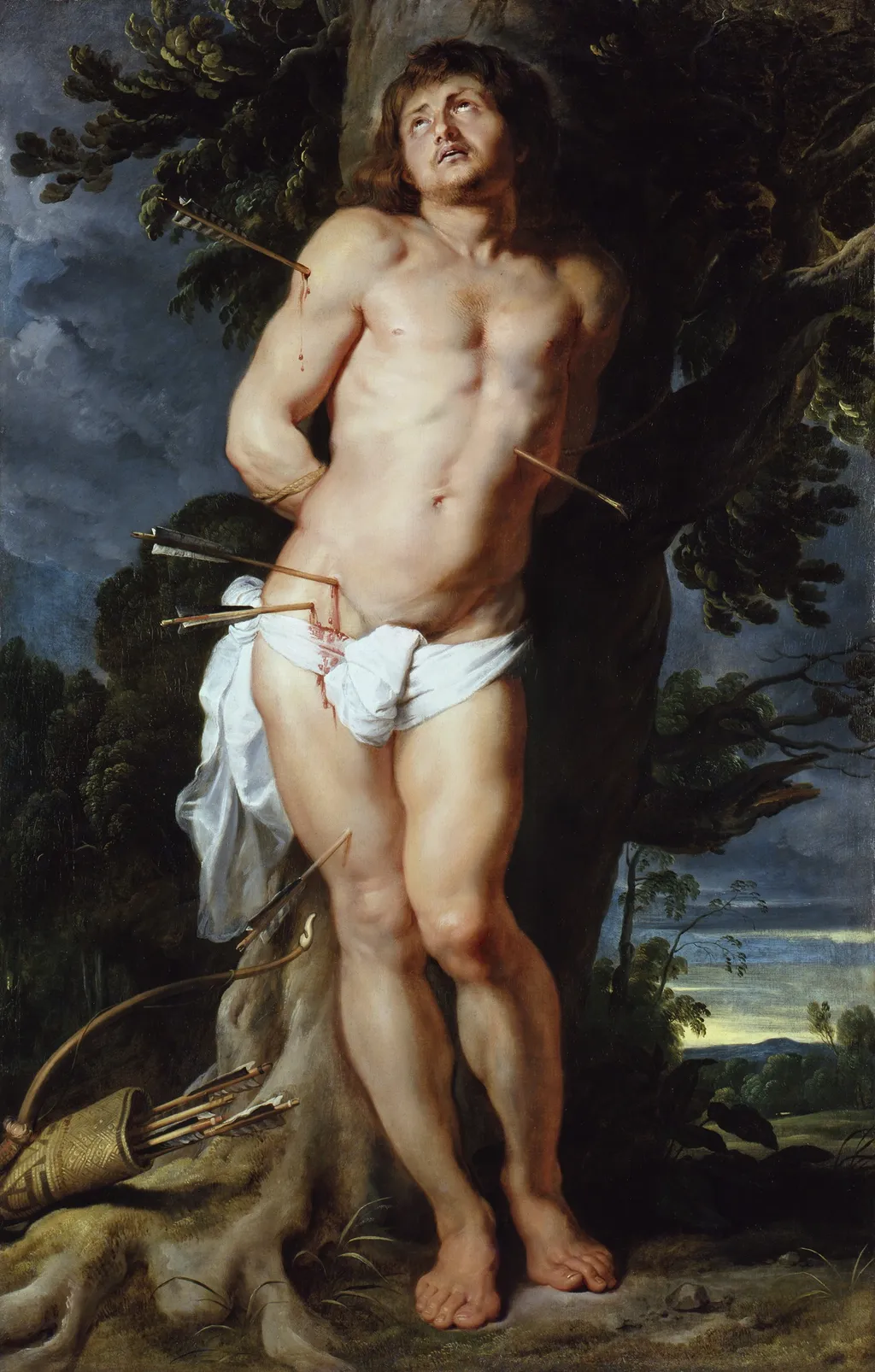
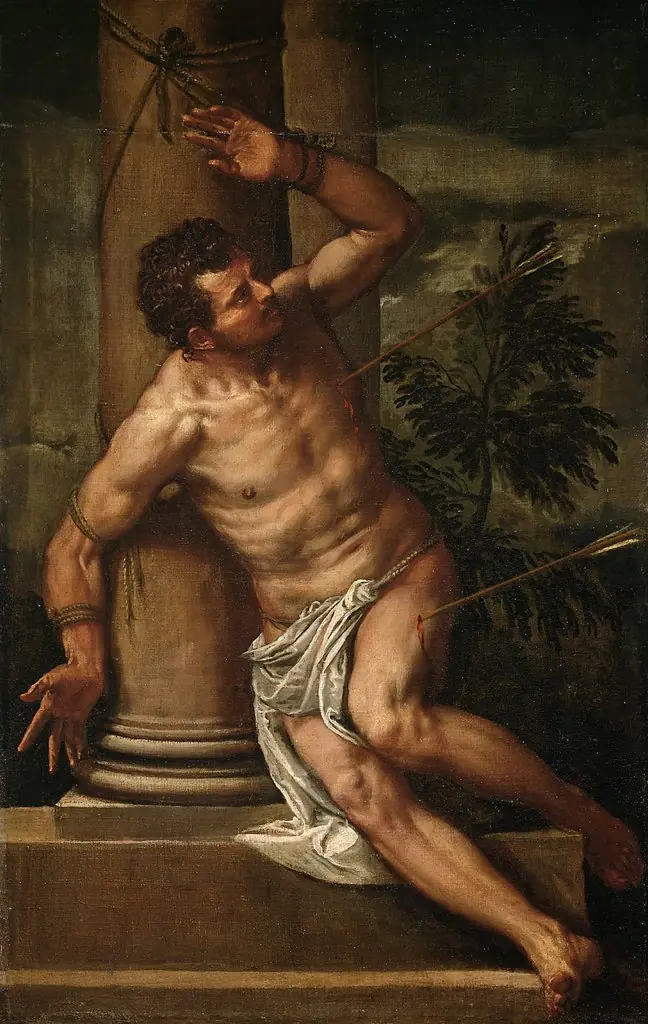
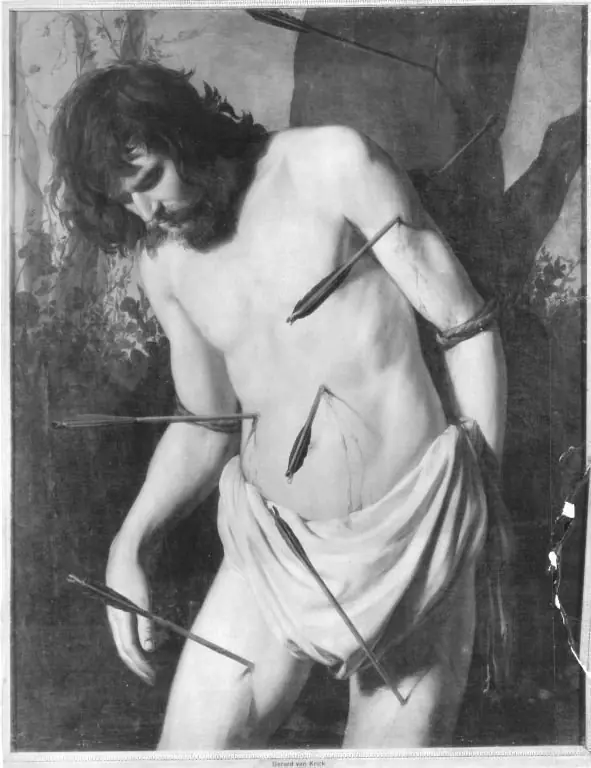
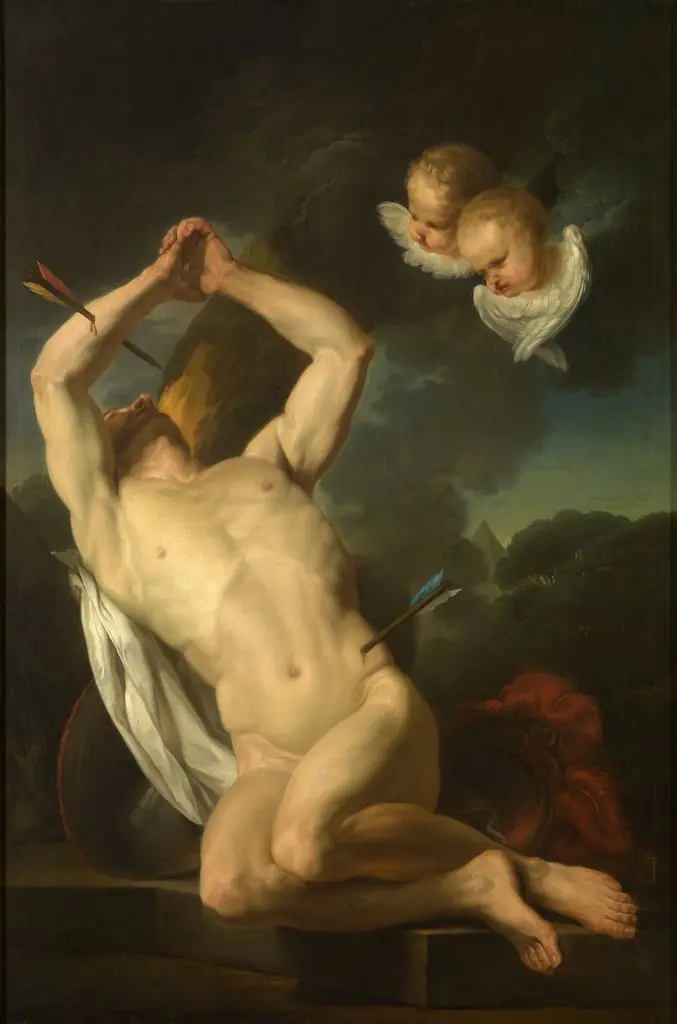
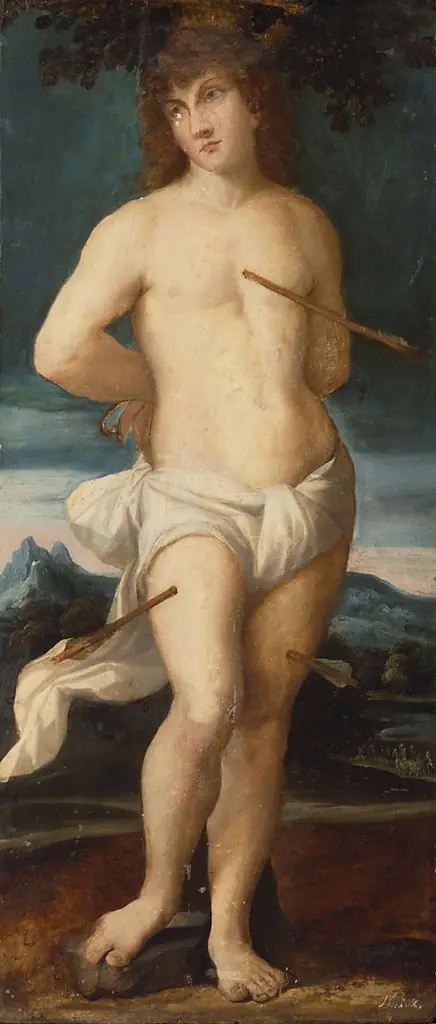
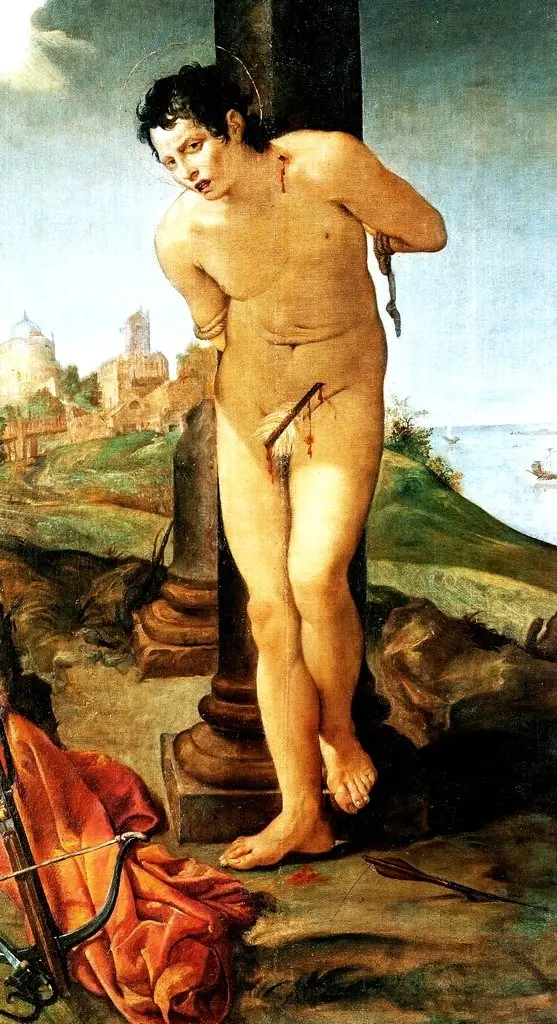
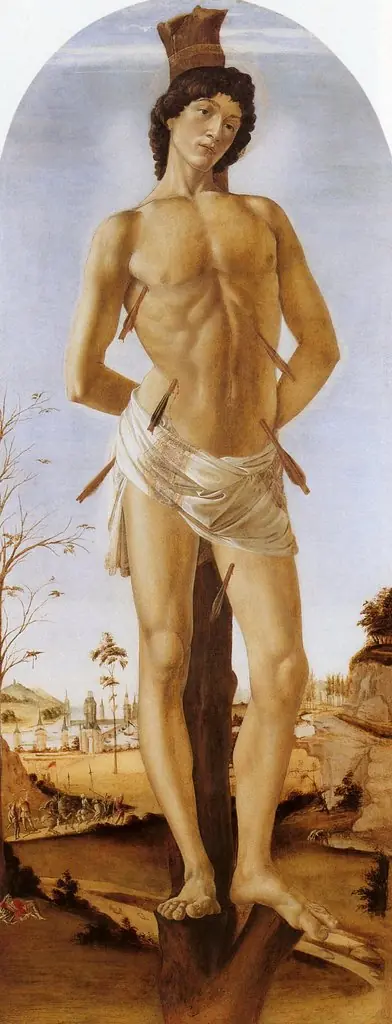
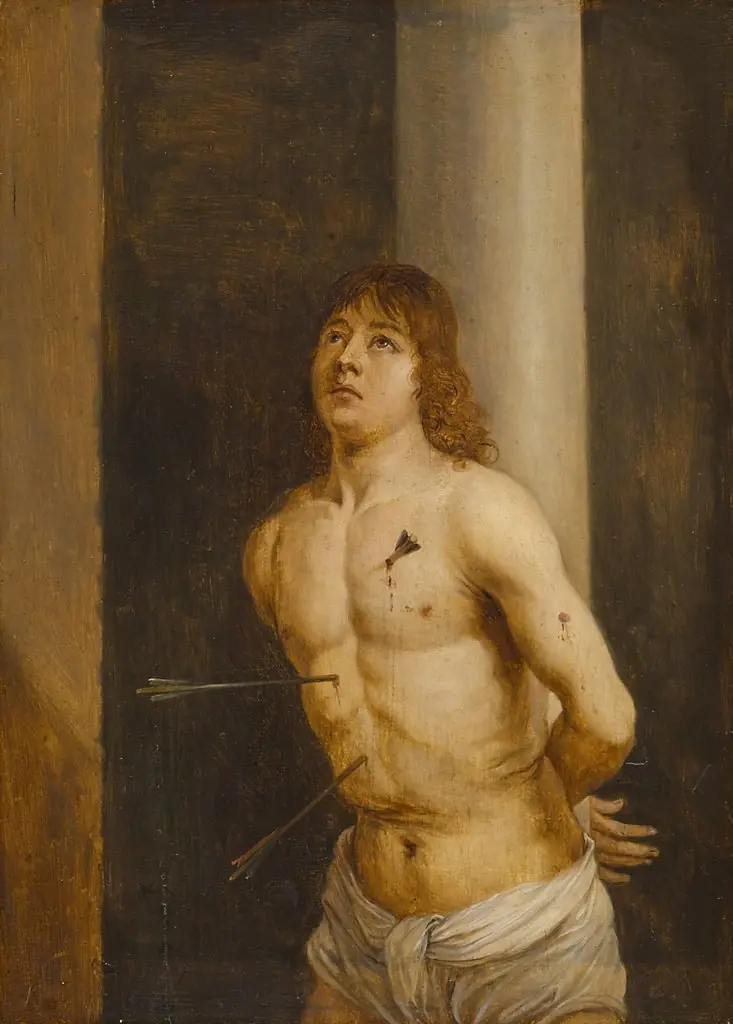
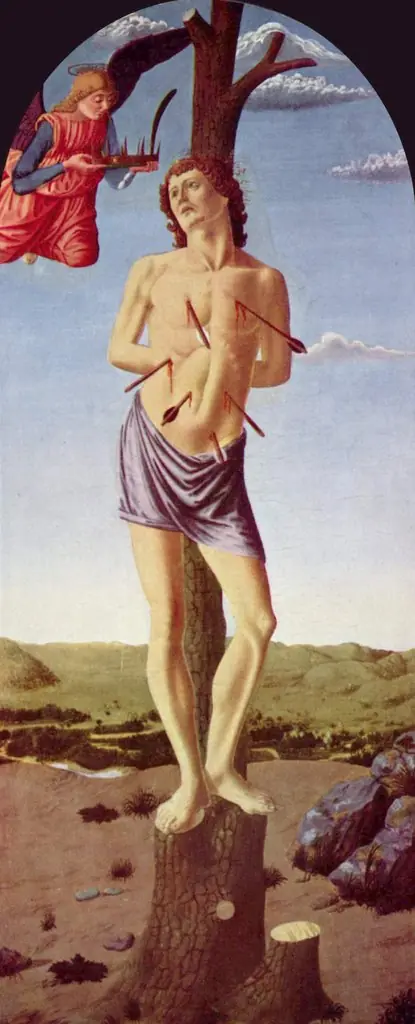
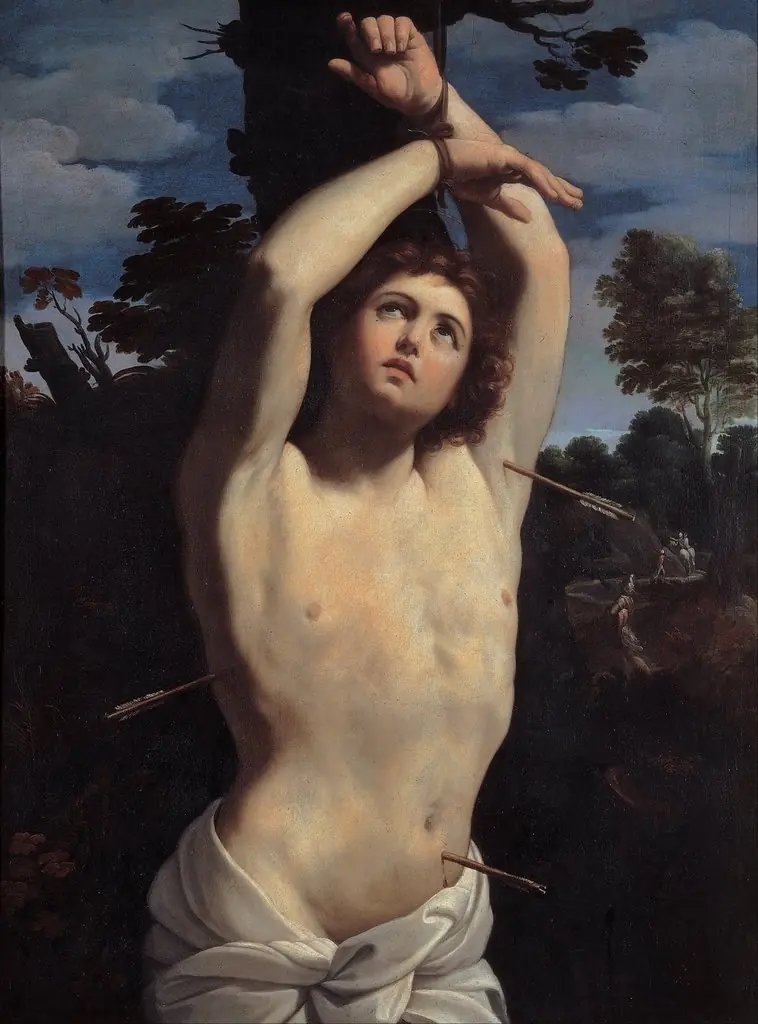
Saint Sebastian is an oil painting by the Flemish Baroque painting artist Peter Paul Rubens. It dates from 1618 and is held in the collection of the Gemäldegalerie Berlin.
About this work
Its sinuous line and defined figures reflect his study of Michelangelo and the Flemish Mannerist style.
Saint Sebastian is an oil painting by the Flemish master Peter Paul Rubens, dated 1618. It shows the Christian martyr Saint Sebastian. Rubens used oil paint to achieve depth and rich color.
The work comes from Rubens’s early years in Rome. Its sinuous line and defined figures reflect his study of Michelangelo and the Flemish Mannerist style. The painting was bought by the Borghese family directly from Cardinal Neri Corsini in Brussels.
You can learn more by
Overview
Peter Paul Rubens created an oil on canvas portrait of the Christian martyr Saint Sebastian around 1614. The composition presents the saint tied to a tree, his body pierced by arrows, rendered with the dramatic vigor characteristic of Rubens’s early Roman period. The work measures roughly a typical full‑length figure painting and exemplifies the artist’s engagement with both Italian and Northern artistic traditions.
Subject & Meaning
The painting depicts Saint Sebastian, a 3rd‑century Roman soldier venerated for his steadfast faith despite torture. By portraying the saint in a moment of physical suffering yet serene acceptance, Rubens underscores themes of martyrdom, divine endurance, and the triumph of spiritual conviction over bodily pain, reflecting Counter‑Reformation devotional aims.
Technique & Style
Rubens employed oil pigments to achieve a luminous flesh tone and deep, saturated hues that model the figure’s musculature. The composition’s flowing, sinuous lines and the sculptural definition of the body reveal the influence of Michelangelo’s anatomical studies, while the heightened elegance of the pose aligns with Flemish Mannerist tendencies that Rubens absorbed before his Roman sojourn.
History & Provenance
The canvas entered the collection of the Borghese family after being purchased directly from Cardinal Neri Corsini in Brussels. It remained in the Borghese holdings for several generations before being transferred to the Gemäldegalerie in Berlin, where it is presently displayed as part of the museum’s Baroque holdings.
Context
Created during Rubens’s initial years in Rome, the work reflects his exposure to the city’s artistic milieu, including the works of Michelangelo and the burgeoning Baroque style. This period marked a transition from his earlier Flemish training toward a synthesis of Italian dynamism and Northern detail, a synthesis that would define his later, more mature productions.
Own this work as a print
Artist & collection
Artist
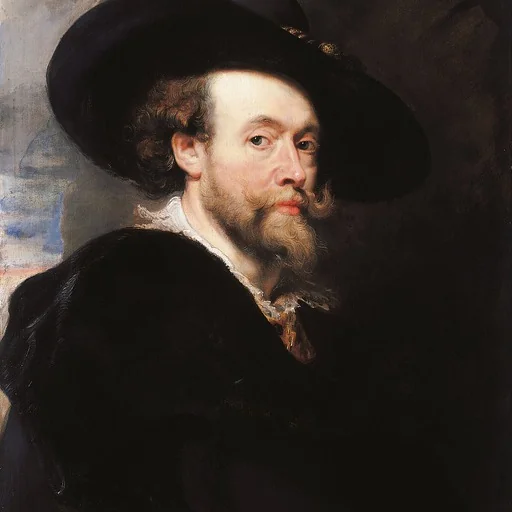
Sir Peter Paul Rubens ( ROO-bənz; Dutch: ; 28 June 1577 – 30 May 1640) was a Flemish artist and diplomat.