Artwork
The Holy Trinity
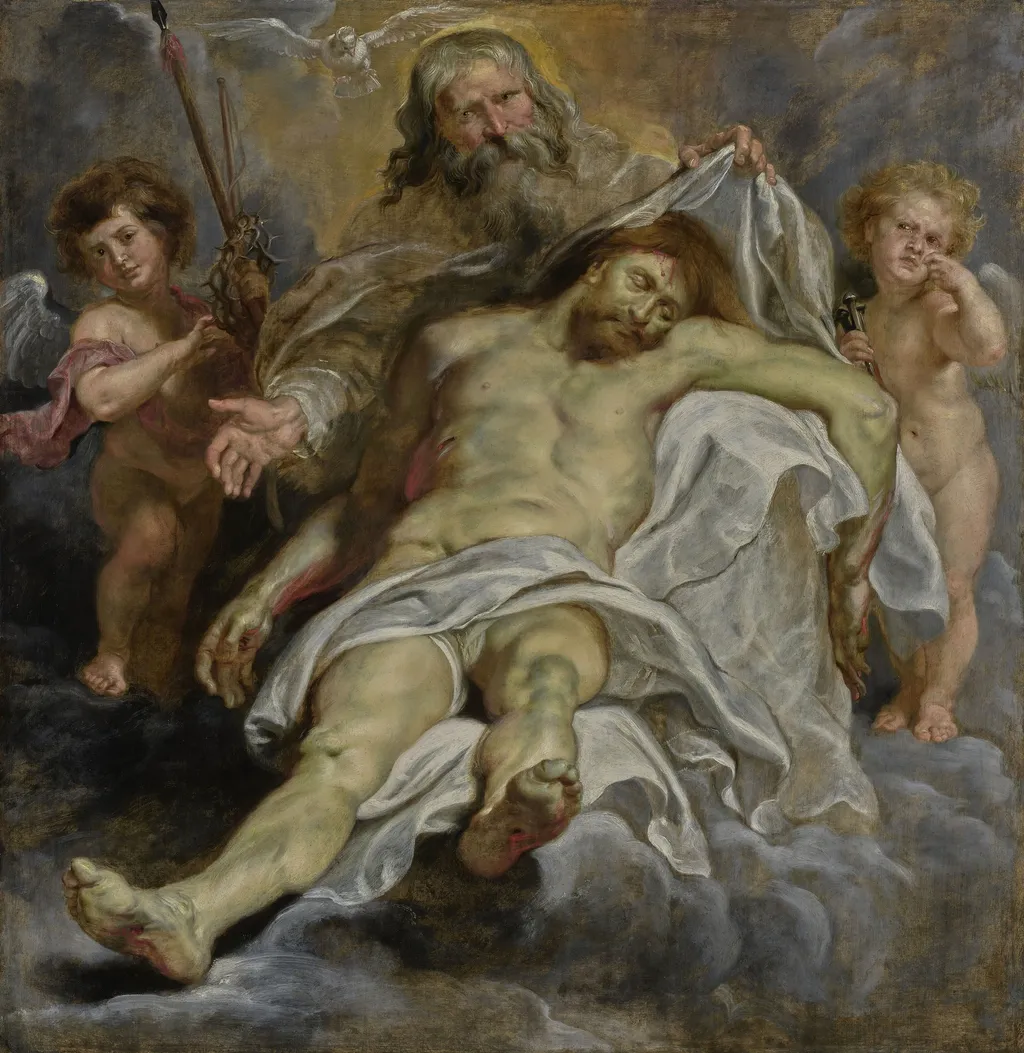
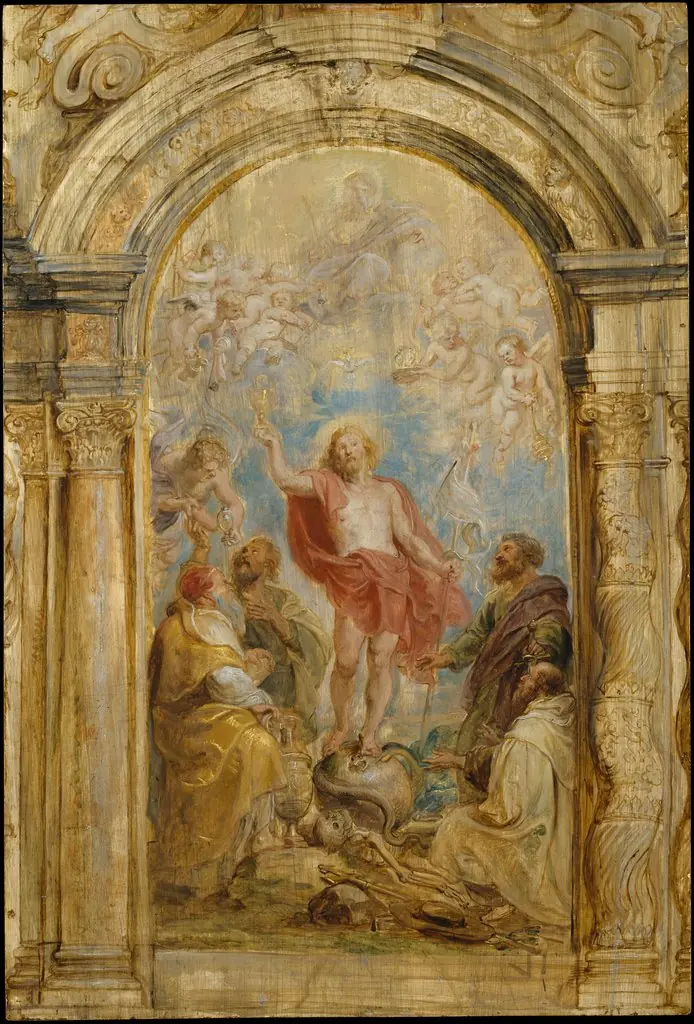
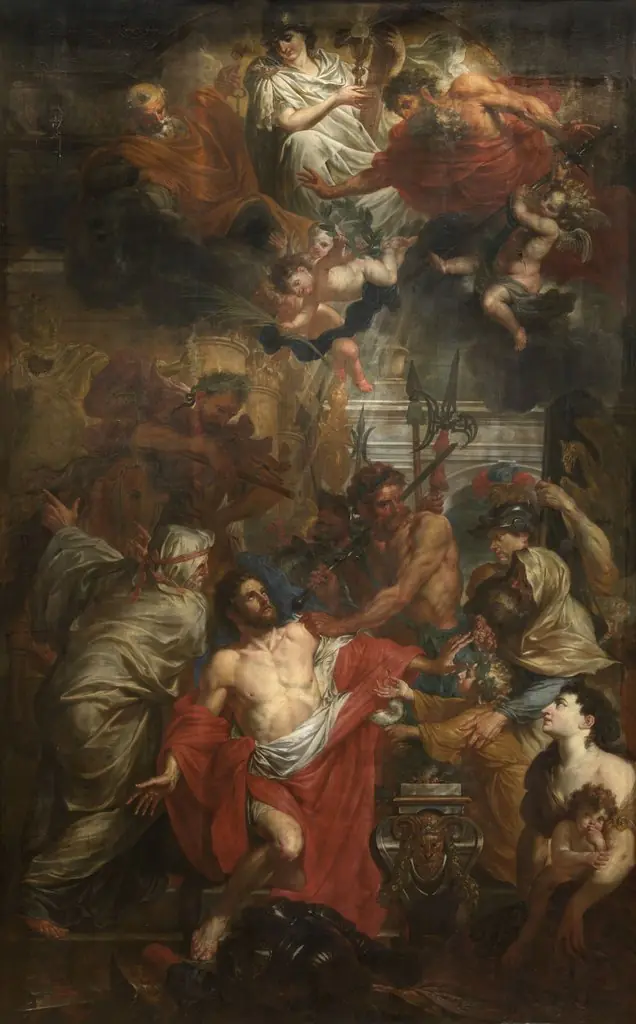
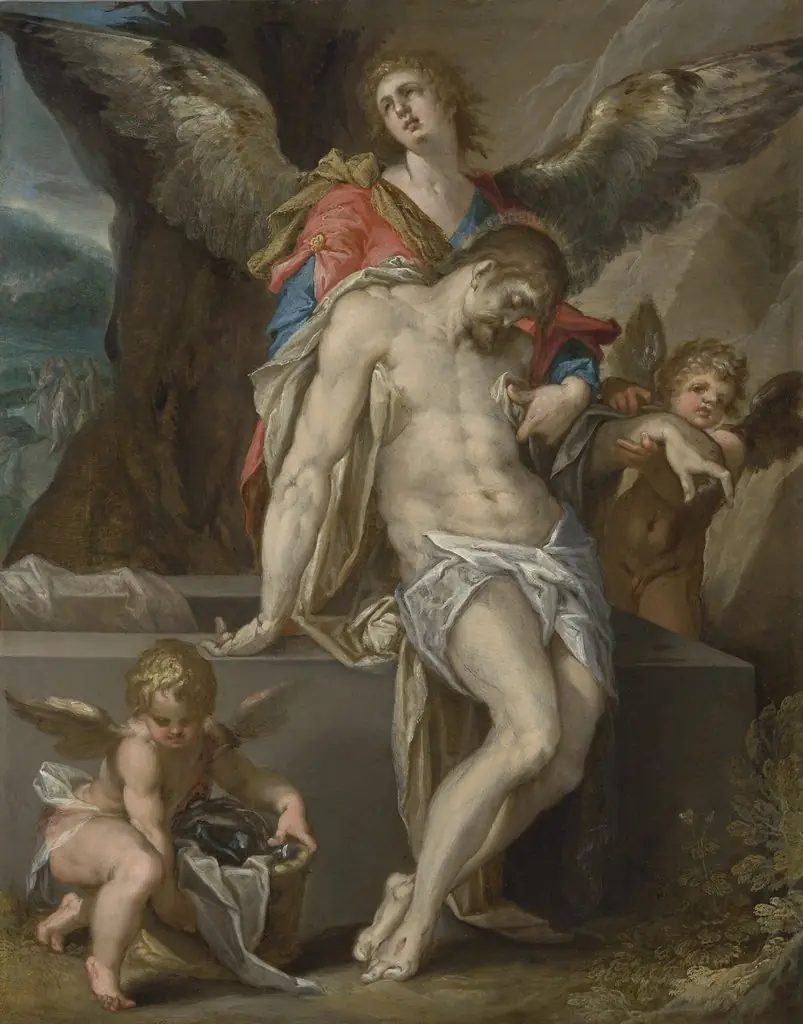
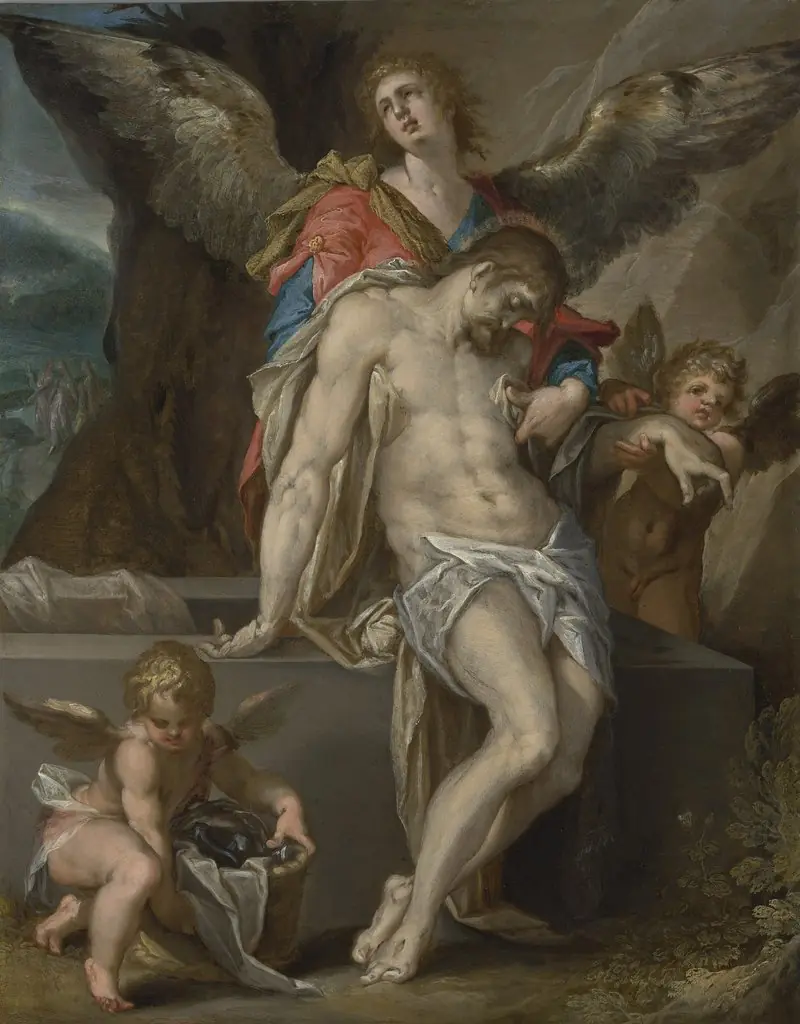
The Holy Trinity is an oil painting by Peter Paul Rubens. It dates from 1620 and is held in the collection of the Royal Museum of Fine Arts Antwerp.
About this work
Overview
Painted in 1620 by Peter Paul Rubens, *The Holy Trinity* is an oil-on-canvas work rooted in the religious traditions of the Flemish Baroque.
Painted in 1620 by Peter Paul Rubens, *The Holy Trinity* is an oil-on-canvas work rooted in the religious traditions of the Flemish Baroque. Commissioned for devotional purposes, it reflects the artist’s engagement with Counter-Reformation ideals. The painting resides in the Royal Museum of Fine Arts Antwerp, where it remains part of a broader collection of Rubens’s ecclesiastical commissions from his Antwerp period.
Subject & Meaning
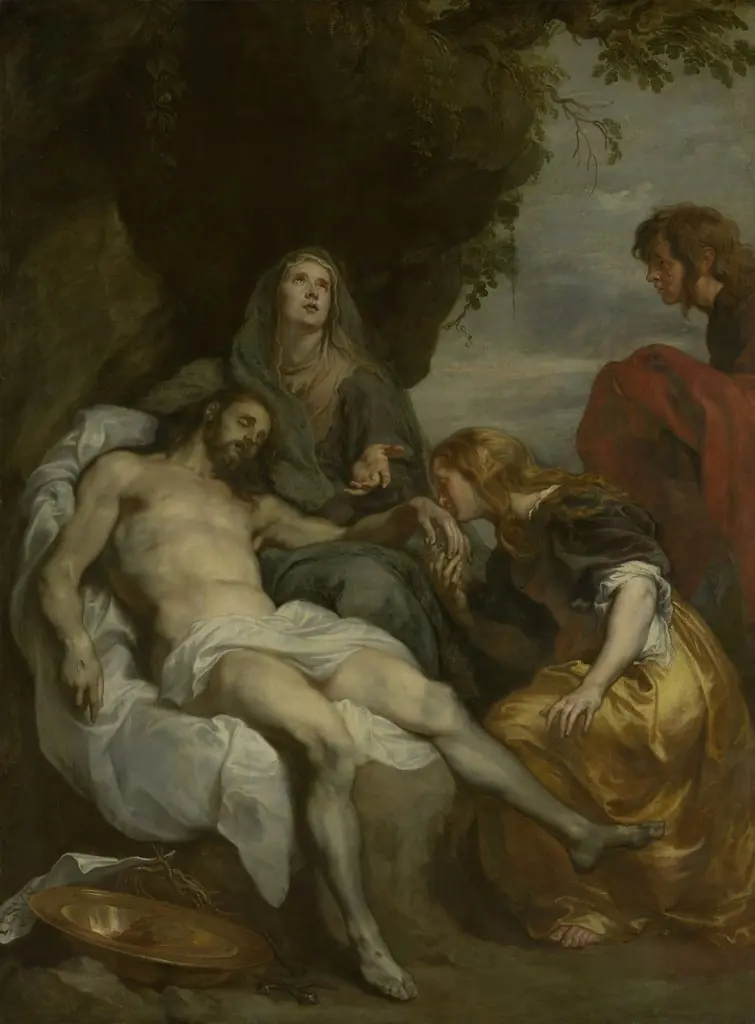
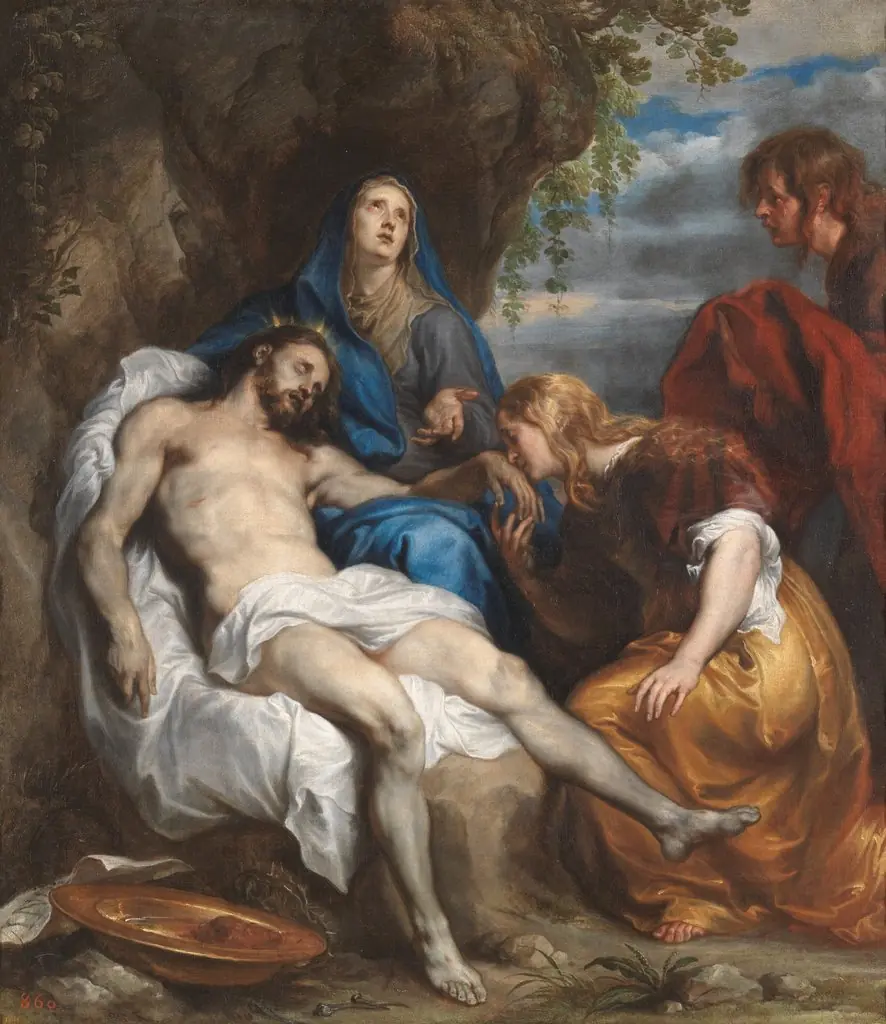
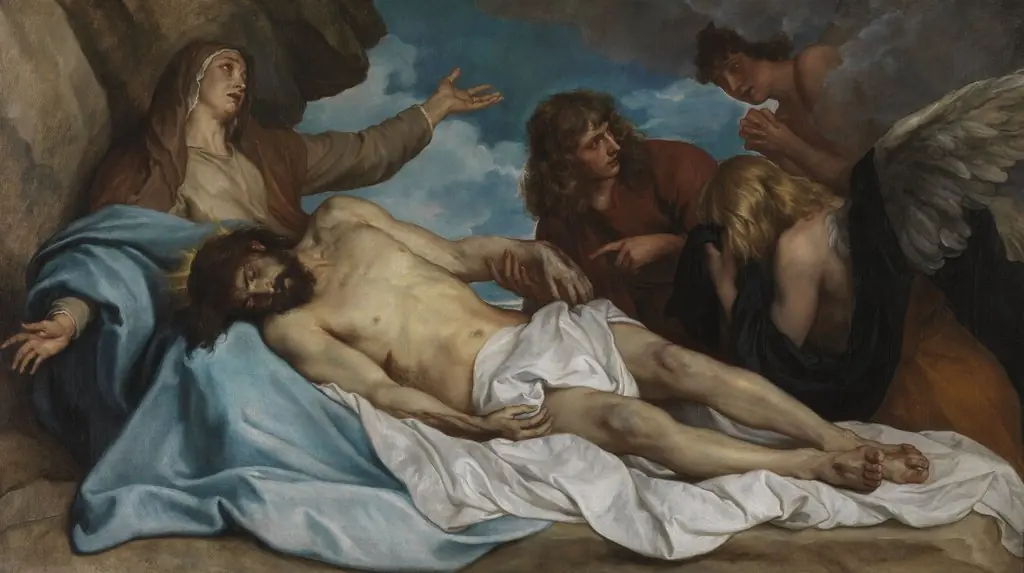
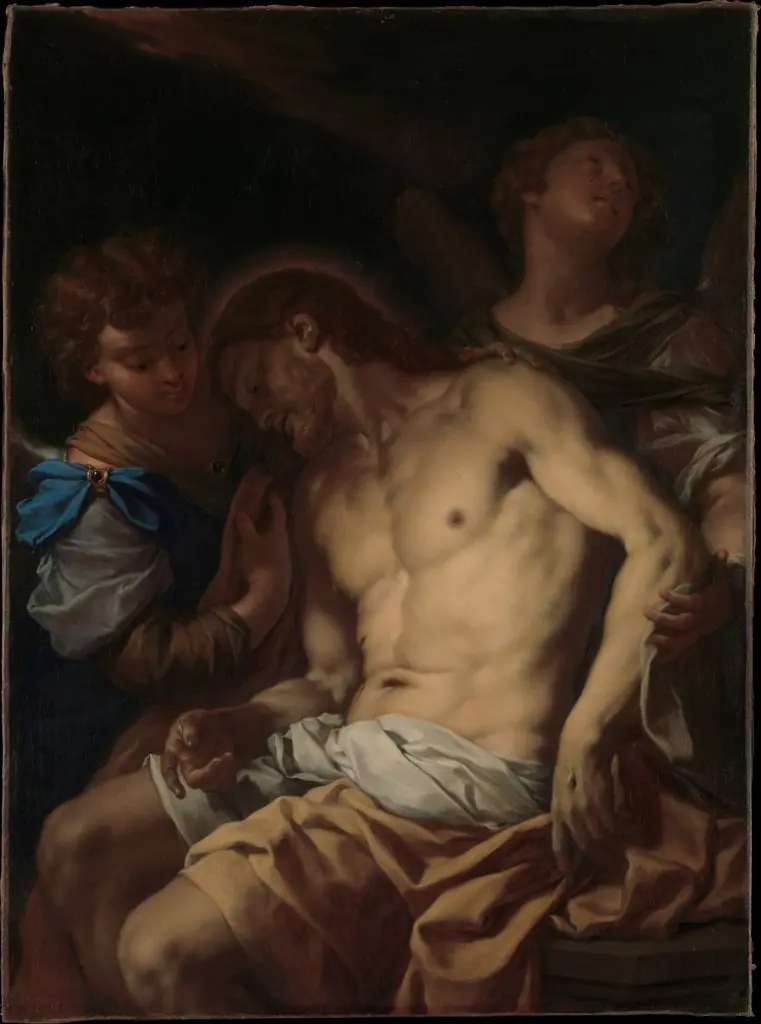
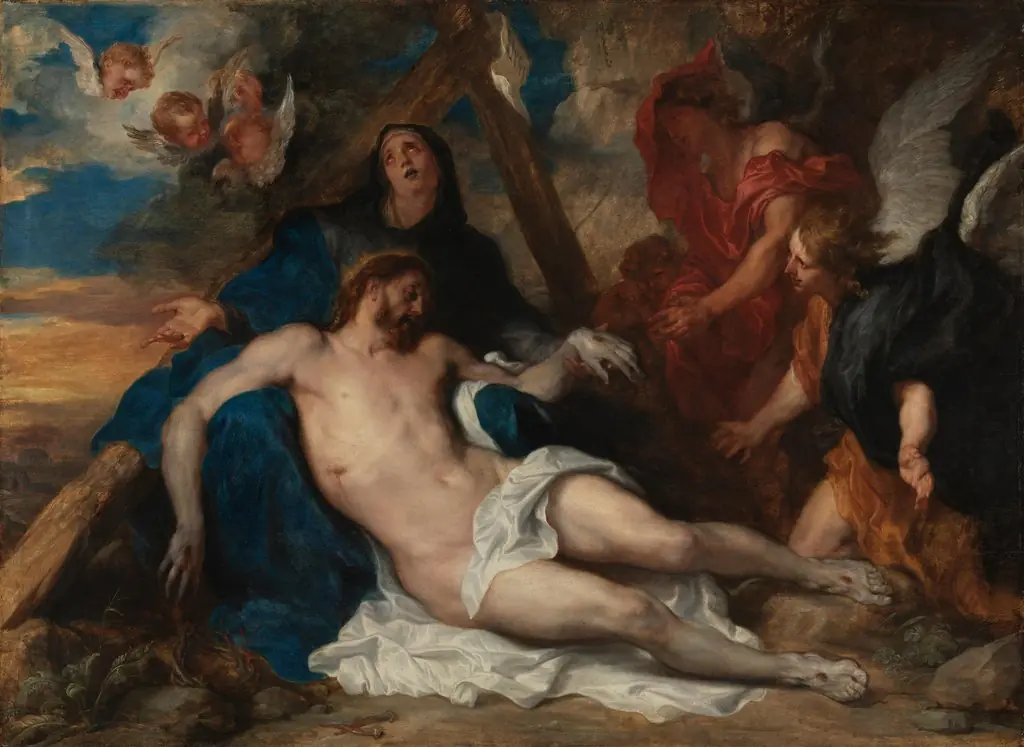
The composition portrays the Trinity as a solemn, intimate moment: God the Father cradles the body of Christ, wrapped in a white shroud, while a dove hovers above, symbolizing the Holy Spirit. Two cherubs flank the scene, each holding instruments of the Passion—a spear and a sword—hinting at Christ’s sacrifice. The quietude of the figures contrasts with the implied violence of their fate, emphasizing theological themes of redemption and divine sorrow.
Technique & Style
Rubens employs chiaroscuro to model the figures with soft, volumetric light, drawing them out of a dim, cloud-filled sky. His brushwork blends smooth transitions between tones, enhancing the tactile quality of fabric and skin. The figures are arranged in a balanced pyramid, their forms rendered with a sculptural weight that anchors the ethereal subject. Rich, warm hues in the drapery contrast with the cool grays of the heavens, reinforcing spatial depth and emotional gravity.
History & Provenance
Created during Rubens’s mature period in Antwerp, the painting was likely intended for private devotion or a religious institution. It entered the Royal Museum of Fine Arts Antwerp’s collection in the 19th century, following the dissolution of monastic holdings. Its documented history is consistent with other works from Rubens’s studio during the 1620s, a time when he balanced diplomatic duties with a high volume of ecclesiastical commissions.
Context
In the early 17th century, the Catholic Church encouraged art that evoked emotional engagement with sacred narratives, especially in response to Protestant critiques. Rubens’s depiction of the Trinity, neither abstract nor overly dramatic, aligns with Counter-Reformation goals: accessible, reverent, and theologically precise. His fusion of classical form with emotional depth made his religious works influential across Catholic Europe.
Legacy
Though less widely exhibited than Rubens’s larger altarpieces, *The Holy Trinity* exemplifies his ability to convey theological complexity through restrained composition. It influenced later Baroque painters in the Southern Netherlands who sought to balance spiritual gravity with naturalistic detail. The painting remains a quiet but significant reference in studies of Flemish religious art and the evolution of Trinitarian iconography.
Own this work as a print
Artist & collection
Artist
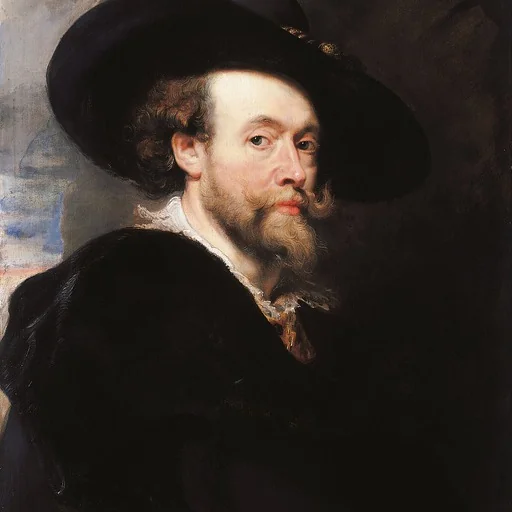
Sir Peter Paul Rubens ( ROO-bənz; Dutch: ; 28 June 1577 – 30 May 1640) was a Flemish artist and diplomat.