Artwork
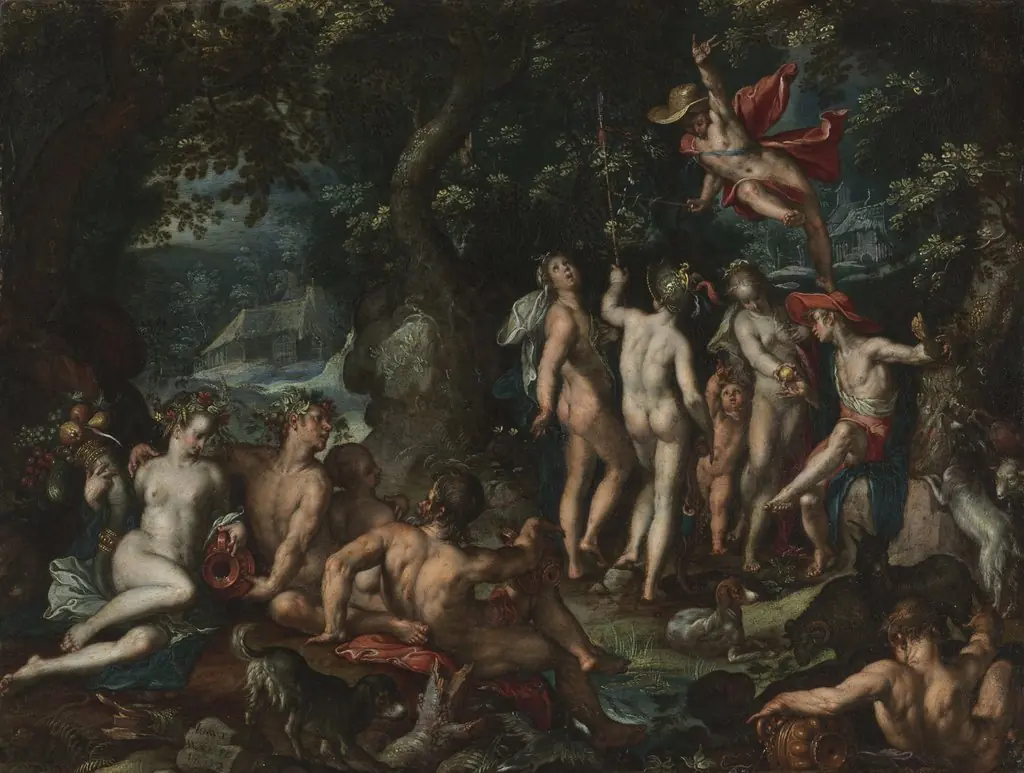
The Judgement of Paris

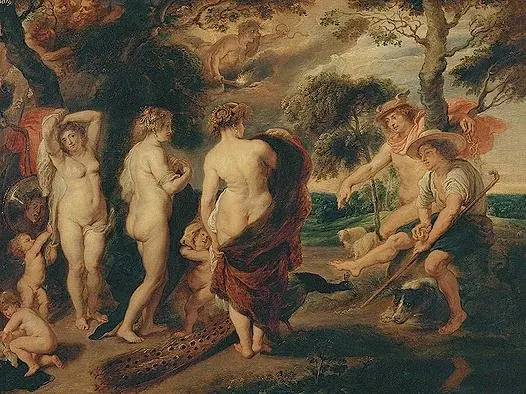
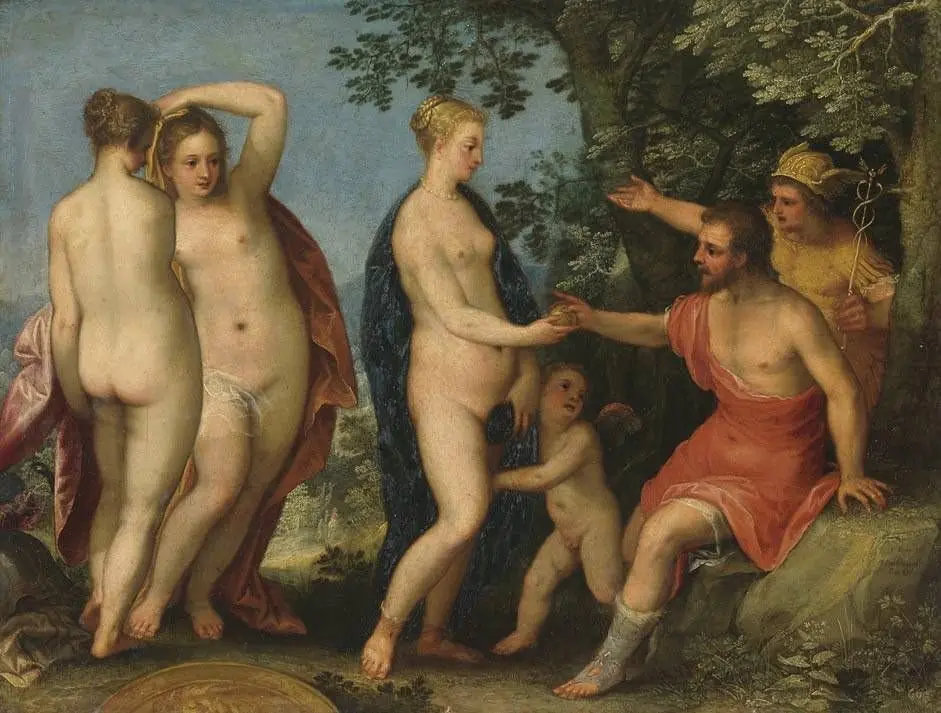
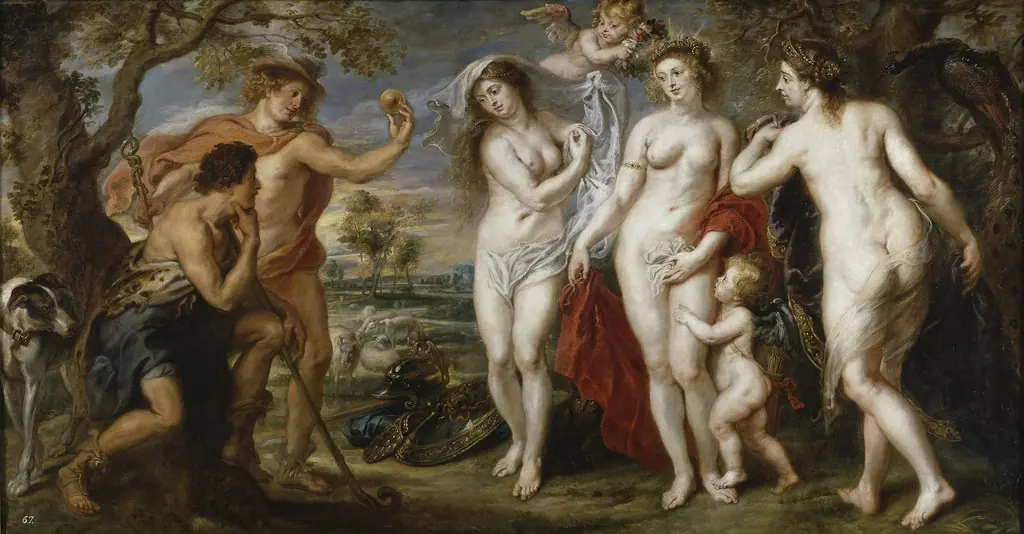
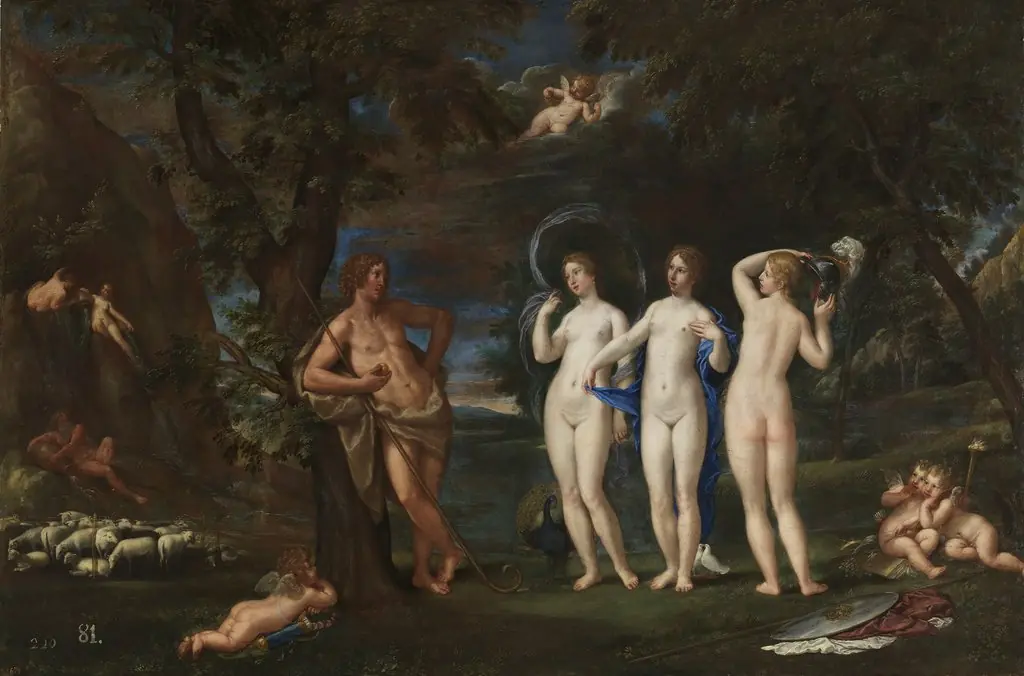
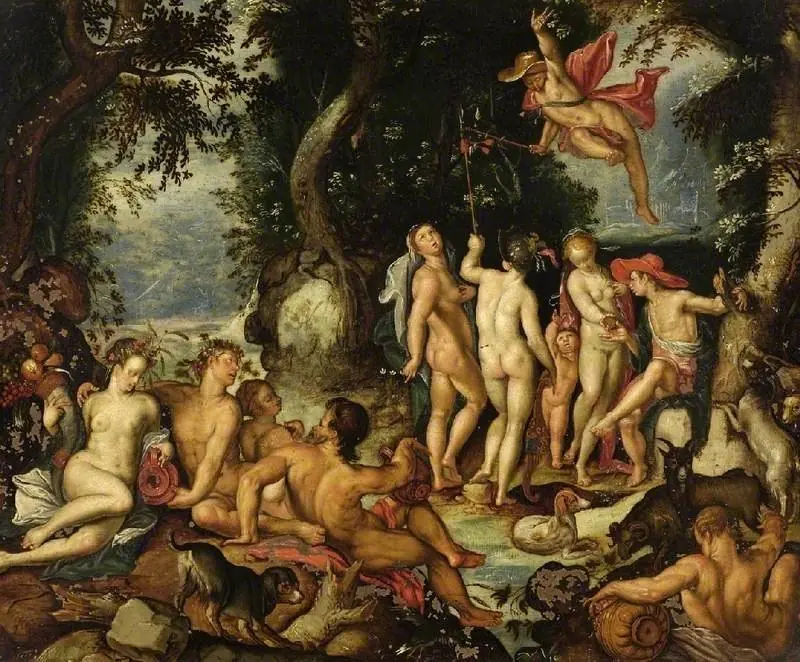
The Judgement of Paris is an oil painting by the Flemish Baroque painting artist Peter Paul Rubens. It dates from 1618 and is held in the collection of the National Gallery of Ireland.
About this work
Overview
Created around 1618 by the Flemish painter Peter Paul Rubens, this oil work belongs to the Baroque period and is presently owned by the National Gallery of Ireland. It illustrates the myth of the Judgement of Paris, a subject drawn from classical antiquity that Rubens often treated in his history and allegorical compositions.
Subject & Meaning
The scene gathers the three goddesses—Hera, Athena and Aphrodite—who appear nude in a forest clearing, while Paris, the Trojan prince, sits on a rock and evaluates their offerings. Two attendant figures, dressed in ancient‑style robes, and a few children playing nearby complete the narrative group, emphasizing the myth’s themes of choice and desire.
Technique & Style
Rubens employs a vigorous Baroque palette and a pronounced chiaroscuro, using strong contrasts of light and shadow to model the figures and give the composition depth. The foliage, distant trees and a reflective water surface are rendered with fluid brushwork that conveys movement within an overall calm atmosphere.
Context
During the early seventeenth century Rubens was at the height of his diplomatic and artistic career, frequently turning to classical stories to showcase his skill in depicting the human form and complex interactions. The Judgement of Paris reflects his interest in merging mythological narrative with the dynamic vigor characteristic of Flemish Baroque art.
History & Provenance
The painting entered the collection of the National Gallery of Ireland, where it remains on display. Its acquisition history traces back to the early twentieth century, when the museum expanded its holdings of European Baroque works.
Artist & collection
Artist
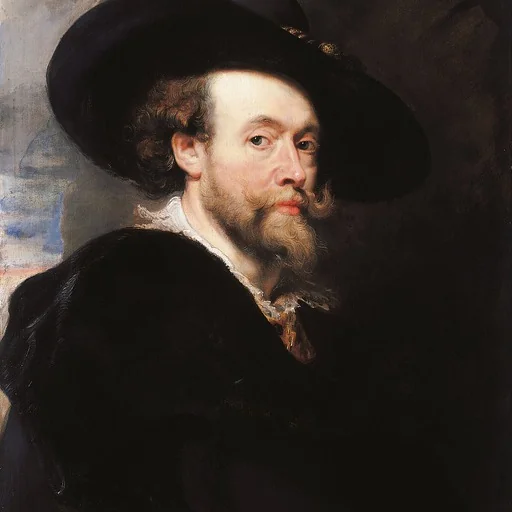
Sir Peter Paul Rubens ( ROO-bənz; Dutch: ; 28 June 1577 – 30 May 1640) was a Flemish artist and diplomat.