Artwork
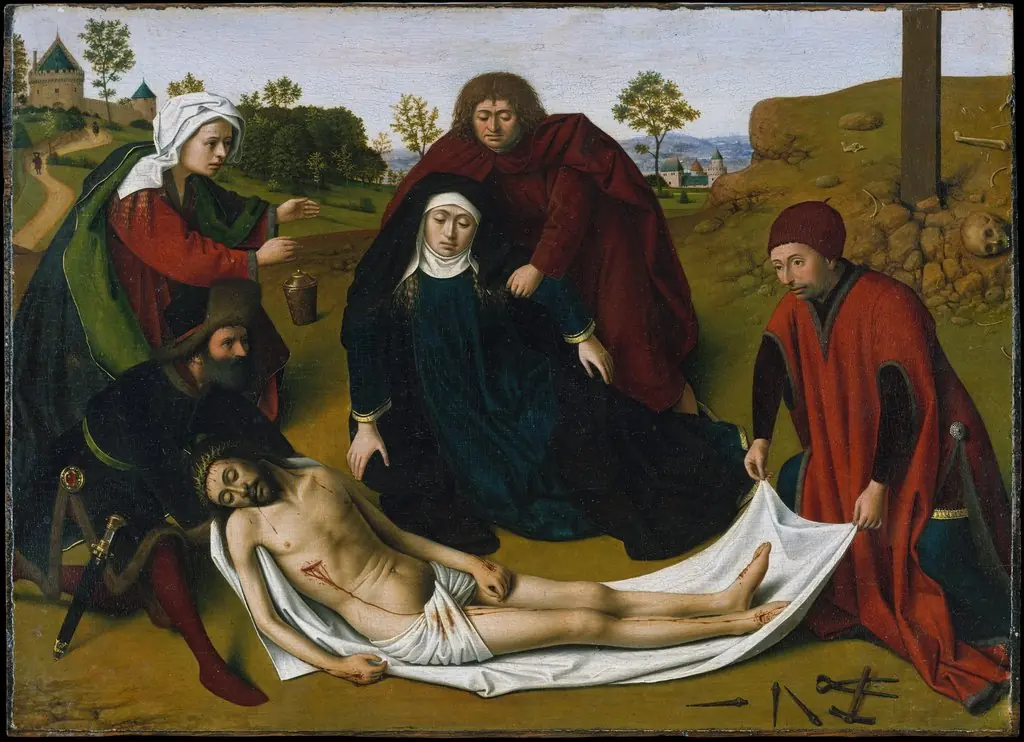
Lamentation of Christ
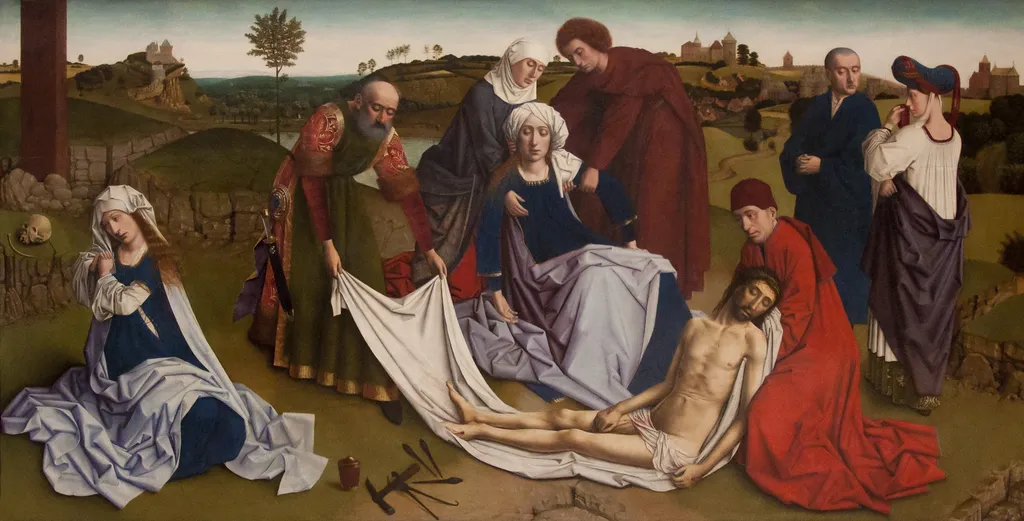
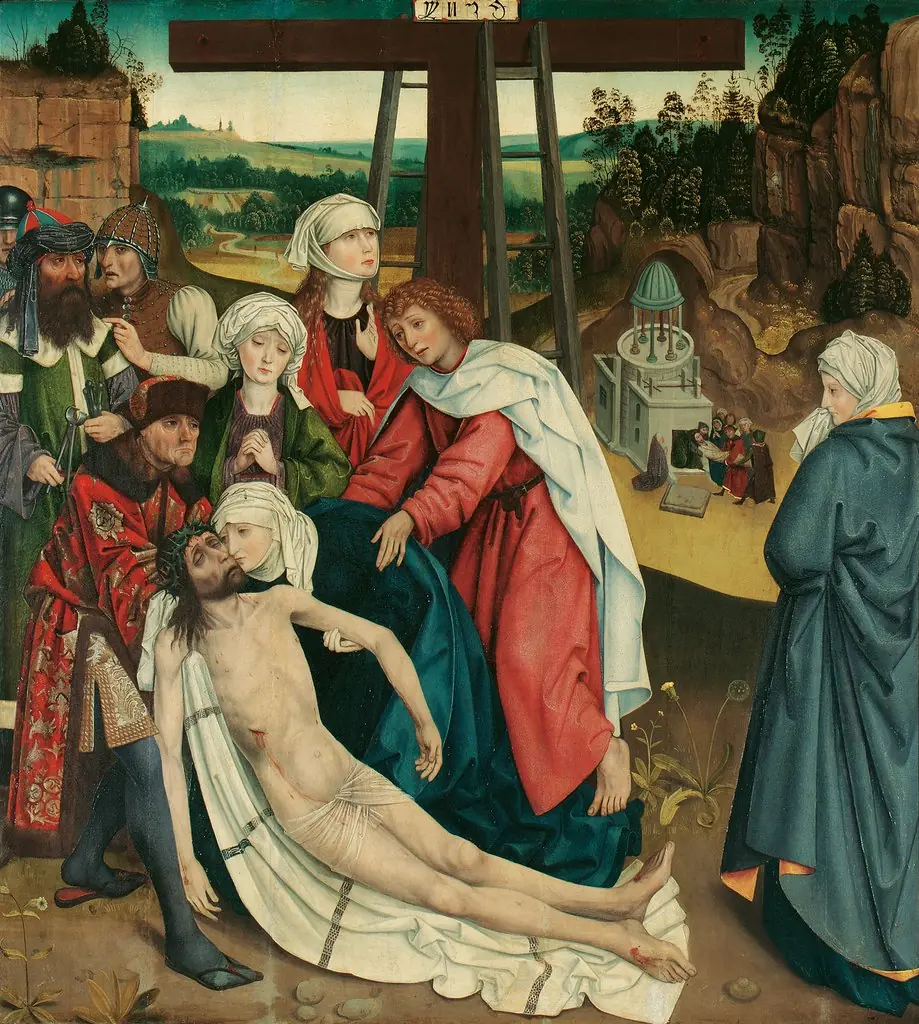
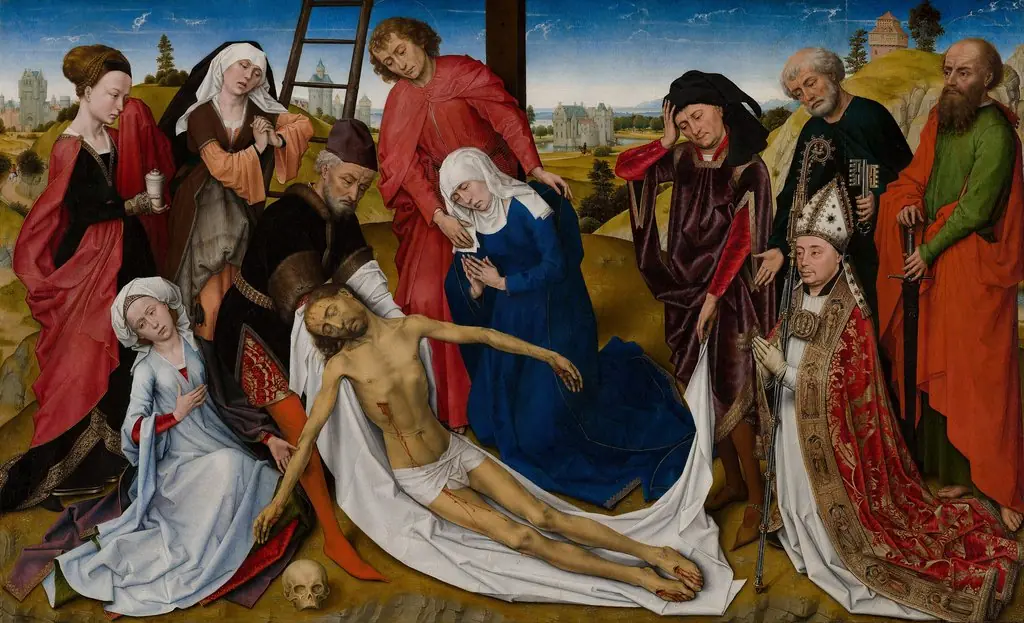
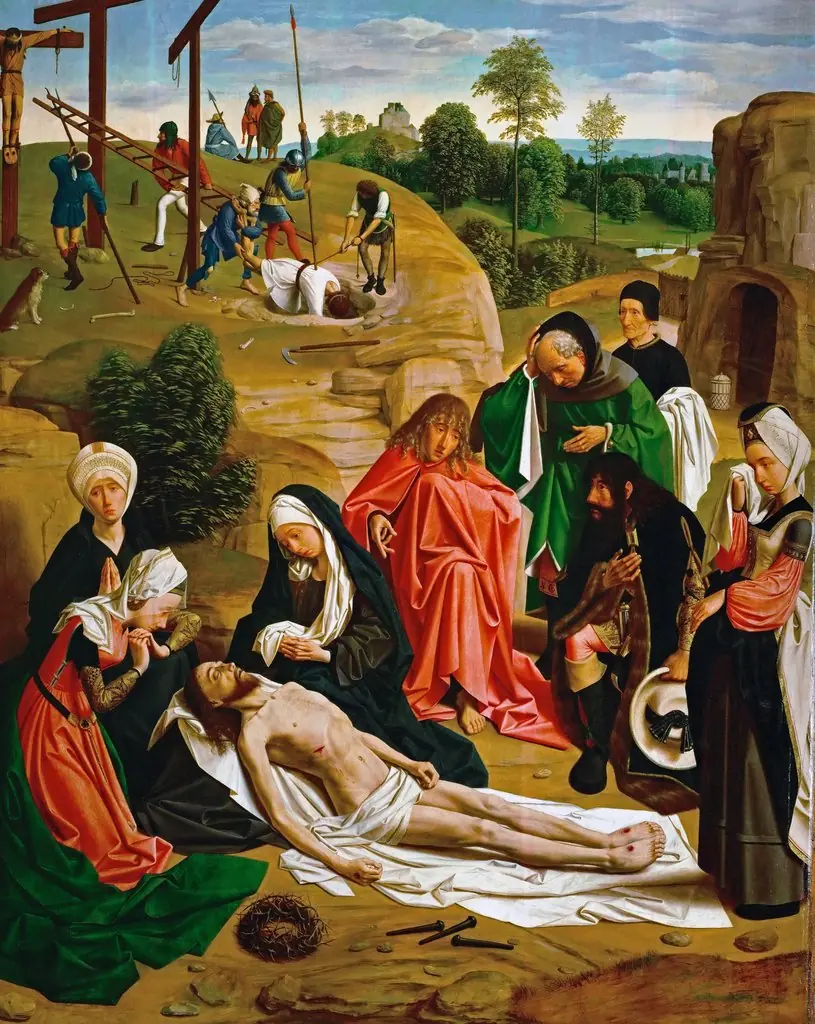
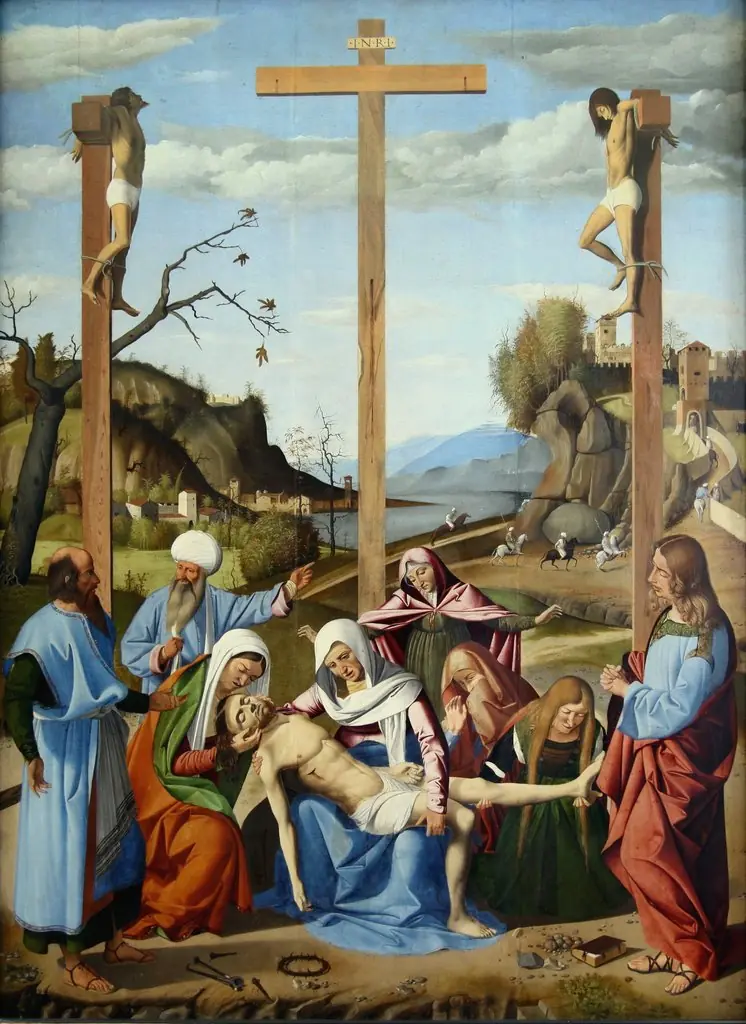
Lamentation of Christ is an oil painting by the Northern Renaissance artist Petrus Christus. It dates from 1455 and is held in the collection of the Royal Museums of Fine Arts of Belgium.
About this work
Overview
It is part of the Royal Museums of Fine Arts of Belgium’s collection, where it remains a quiet testament to devotional art of the mid-15th century.
Painted in 1455 by Petrus Christus, this oil-on-panel work portrays the moment after Christ’s crucifixion, with mourners gathered around his body. Executed in Bruges during the height of the Northern Renaissance, the painting reflects Christus’s mastery of oil technique and spatial depth. It is part of the Royal Museums of Fine Arts of Belgium’s collection, where it remains a quiet testament to devotional art of the mid-15th century.
Subject & Meaning
The scene centers on Christ’s lifeless body, draped in white linen and resting on a red cloth, evoking both burial rites and the solemnity of death. Figures surrounding him—Mary in blue, another woman holding the shroud, and distant onlookers—convey grief through posture and stillness. The composition invites contemplation rather than drama, emphasizing spiritual mourning over theatrical emotion, consistent with Northern devotional ideals.
Technique & Style
Christus employed fine glazing to achieve luminous skin tones and rich fabric textures, a hallmark of Early Netherlandish painting. His use of linear perspective creates a convincing interior space that opens into a distant landscape, blending intimate grief with expansive nature. Details like the folds of cloth and the rendering of light on stone reflect the influence of van Eyck, while his spatial organization shows a refined grasp of depth uncommon in earlier works.
History & Provenance
Commissioned likely for private devotion, the painting entered the Royal Museums of Fine Arts of Belgium’s collection in the 19th century. Its early history is undocumented, but its preservation suggests it remained in religious or aristocratic hands. No major alterations or restorations are recorded, allowing its original tonal harmony and delicate brushwork to remain largely intact.
Context
In mid-15th century Bruges, religious imagery served both spiritual and social functions. Christus’s work emerged amid a flourishing market for small-scale devotional panels among the urban elite. The Lamentation, though not a large altarpiece, was designed for personal meditation, reflecting a broader trend toward intimate, emotionally restrained representations of sacred moments in Northern Europe.
Legacy
Though less widely known than contemporaries like van der Weyden, Christus’s precise handling of space and light influenced later Northern painters. This painting exemplifies how devotional themes were rendered with psychological subtlety and technical rigor, contributing to the evolution of oil painting as a medium for quiet, introspective worship in the decades before the Reformation.
Own this work as a print
Artist & collection
Artist
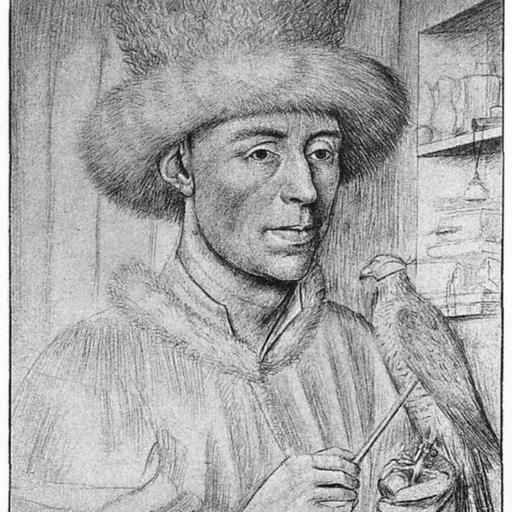
Petrus Christus (Dutch: ; c. 1410/1420 – c. 1475/1476) was an Early Netherlandish painter active in Bruges from 1444, where, along with Hans Memling, he became the leading painter after the death of Jan van Eyck. He was…

Museum
Royal Museums of Fine Arts of Belgium
Continue through works from the same source collection.