Artwork
Saint Arsenius Leaving the World
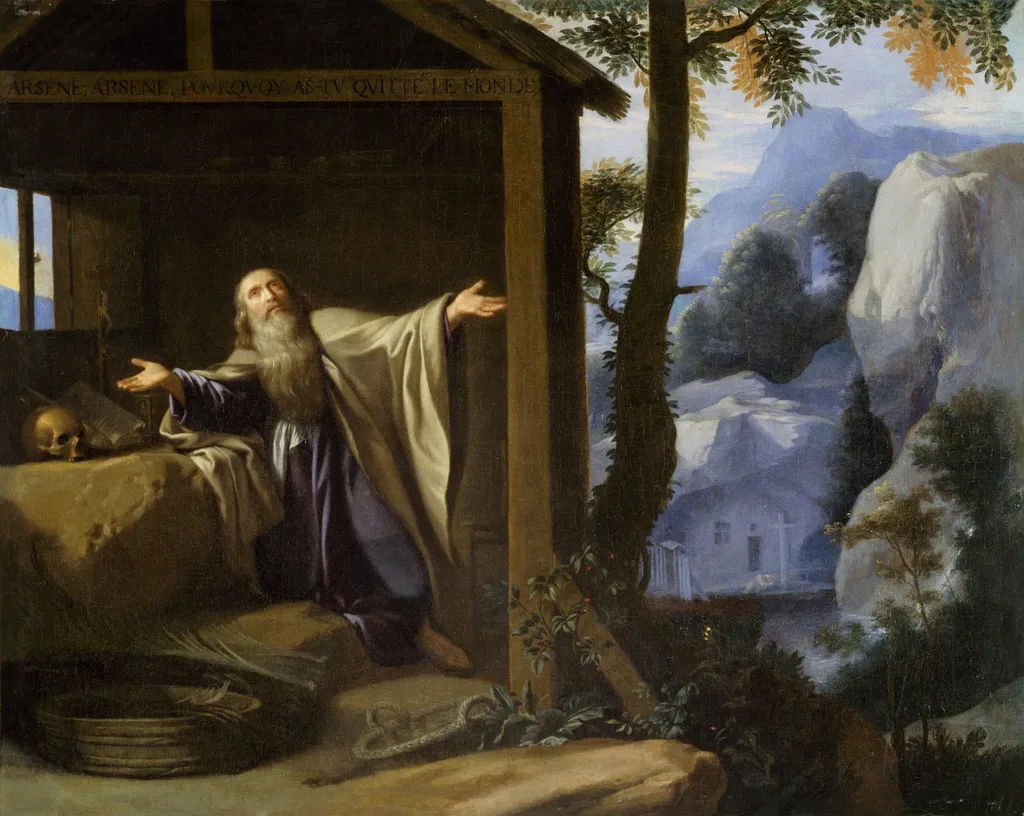
Saint Arsenius Leaving the World is an oil painting by the French Classical Baroque artist Philippe de Champaigne. It dates from 1633 and is held in the collection of the Museum of Fine Arts, Houston.
About this work
Overview
Painted in 1633 by Philippe de Champaigne, this oil on canvas depicts the hermit saint Arsenius at the moment of his spiritual departure from earthly life.
Painted in 1633 by Philippe de Champaigne, this oil on canvas depicts the hermit saint Arsenius at the moment of his spiritual departure from earthly life. A key figure in the French Baroque tradition and a founder of the Académie royale, Champaigne rendered the scene with quiet solemnity, reflecting the religious and intellectual currents of early 17th-century France. The work is now held in the Museum of Fine Arts, Houston.
Subject & Meaning
The painting captures Saint Arsenius, a 5th-century desert father, at the threshold of his cell, gazing upward as he abandons worldly concerns. His outstretched arms and serene expression suggest surrender to divine will. The skull on the table beside him, a memento mori, underscores the transience of life and the urgency of spiritual focus, aligning with ascetic Christian ideals of the period.
Technique & Style
Champaigne employed a restrained palette and precise brushwork, characteristic of French Classical Baroque. The figure is rendered with calm clarity against a softly lit, distant landscape, enhancing the sense of inner stillness. Light falls gently on the saint’s face and robe, drawing attention to his contemplative posture while the background remains muted, reinforcing the theme of withdrawal from the material world.
History & Provenance
Commissioned during Champaigne’s peak years as a court painter, the work reflects his close ties to French religious and aristocratic patrons. It remained in private collections in France before entering the Museum of Fine Arts, Houston’s holdings. Its preservation and consistent attribution to Champaigne have allowed scholars to trace its role in the development of French devotional painting.
Context
Created amid the Counter-Reformation’s emphasis on personal piety, the painting resonates with Jansenist ideals of humility and detachment. Champaigne’s approach—avoiding theatricality in favor of introspection—mirrored the spiritual climate of French monastic circles and the influence of the Port-Royal community, with whom he was personally connected.
Legacy
This work exemplifies Champaigne’s distinctive contribution to French religious art: a blend of emotional restraint and spiritual intensity. Though less known than his Italian or Flemish contemporaries, his influence endured in the development of French academic painting, particularly in the depiction of contemplative saints and the use of minimalism to convey profound inner states.
Own this work as a print
Artist & collection
Artist
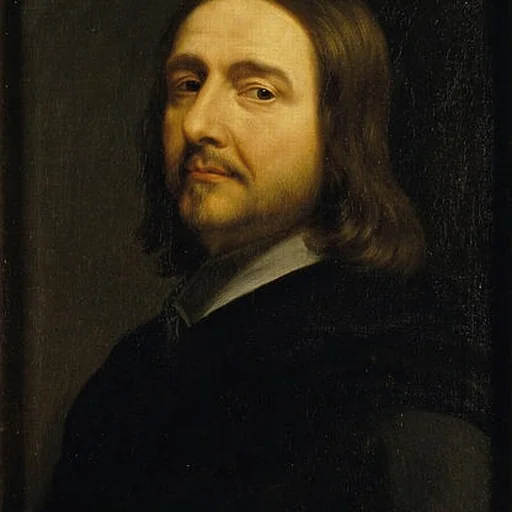
Philippe de Champaigne (French pronunciation: ; 26 May 1602 – 12 August 1674) was a Brabant-born French Baroque era painter, a major exponent of French Baroque painting.

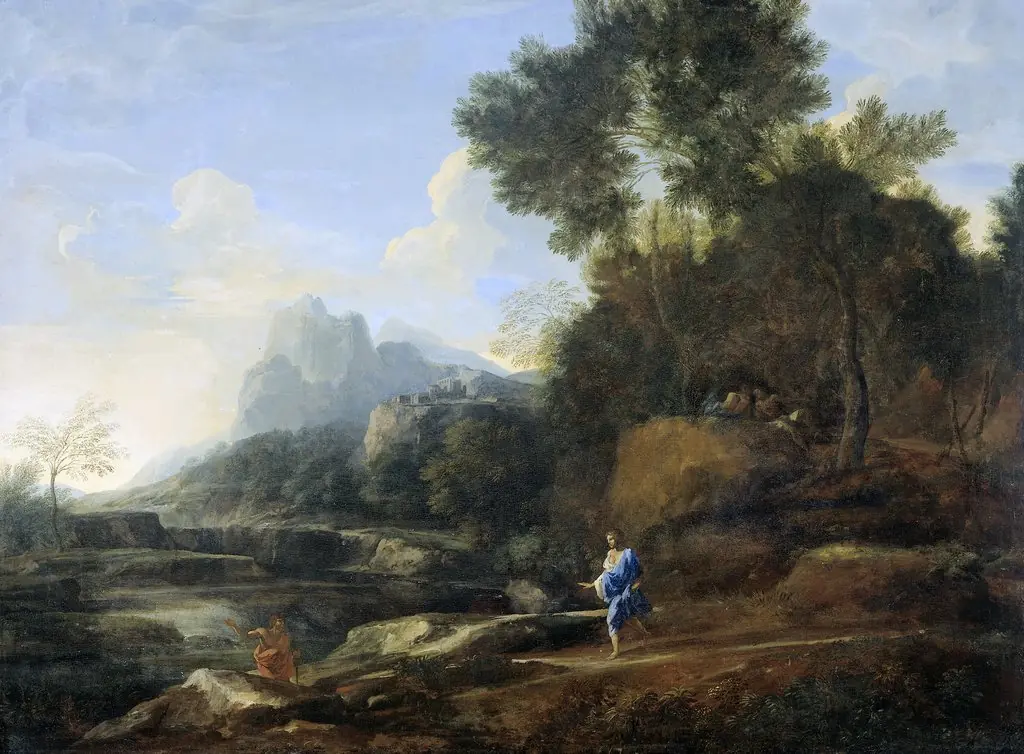 Italian Landscape
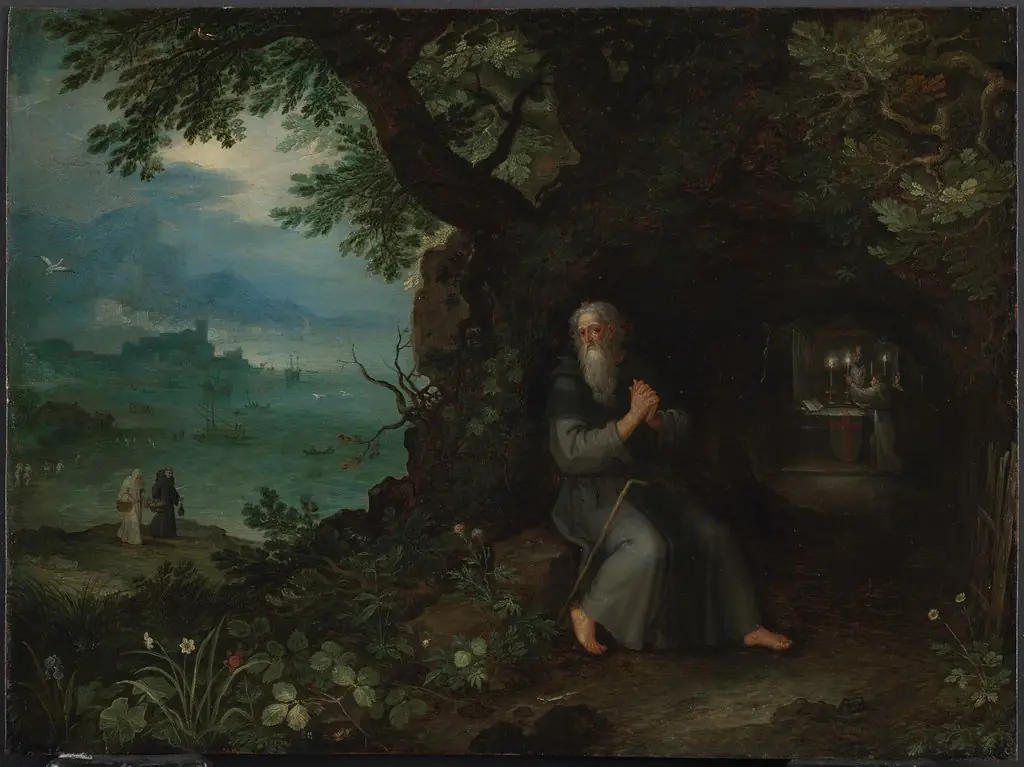 Landscape with St. Fulgentius
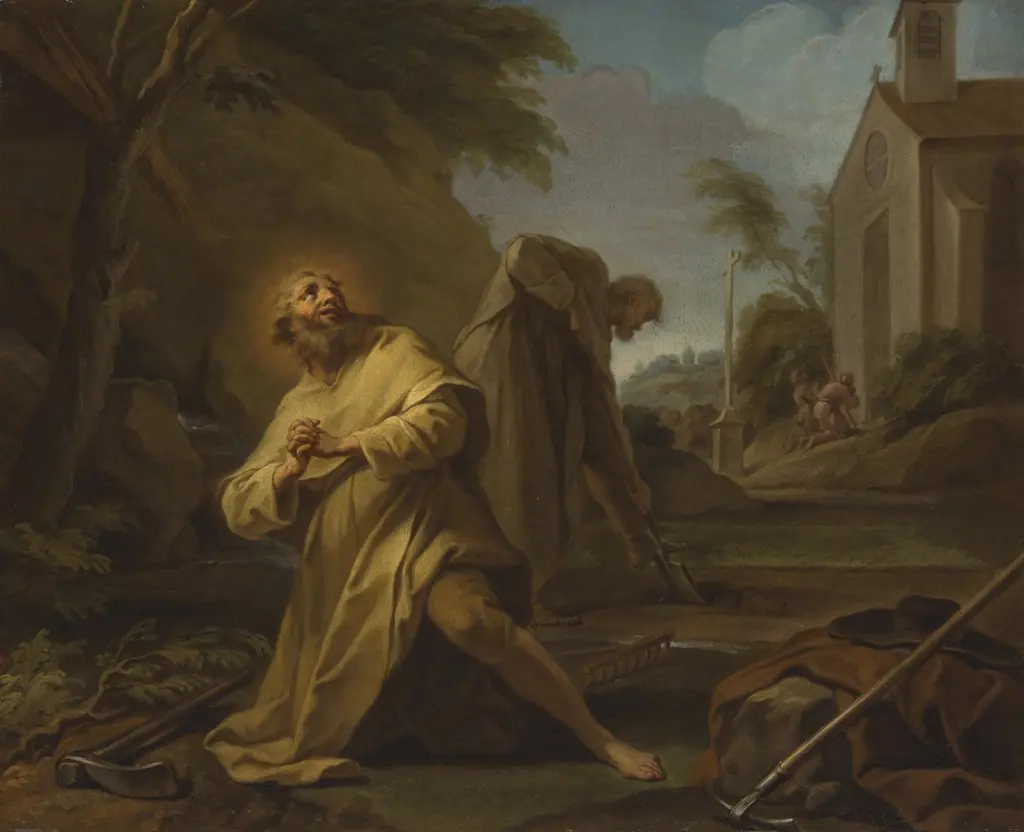 Saint Hymer in Solitude
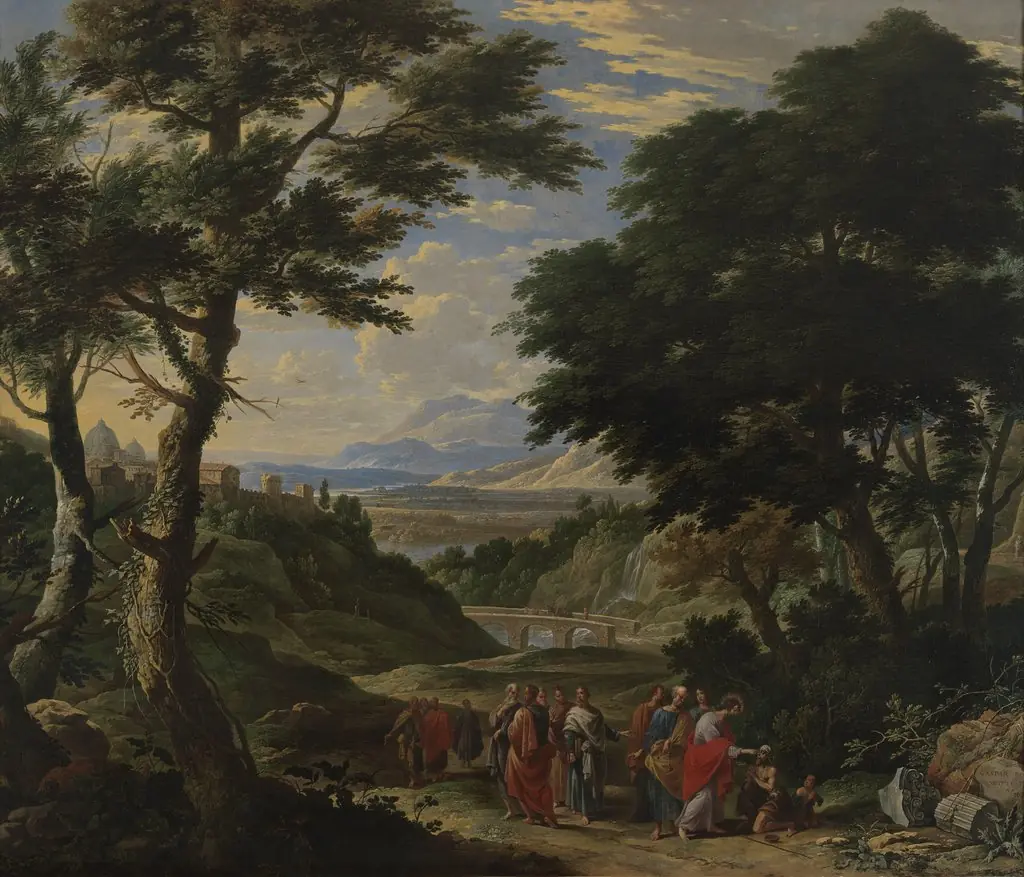 Christ Healing the Blind Man at Jericho
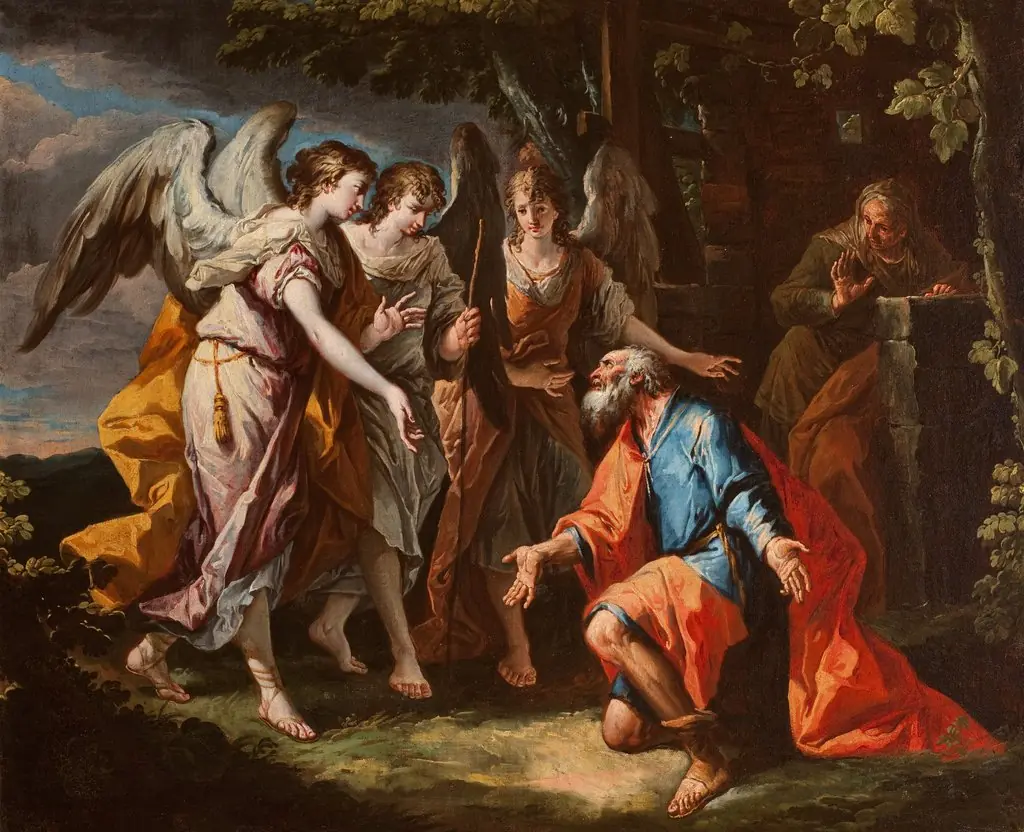 Abraham and the Angels
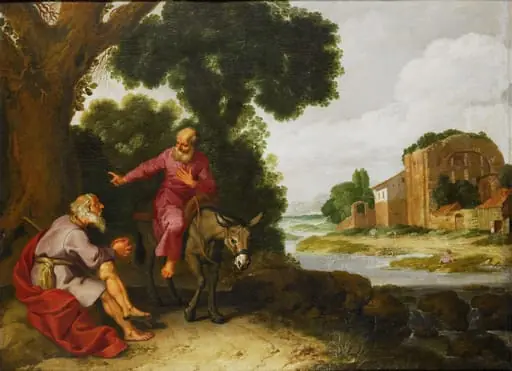 Untitled
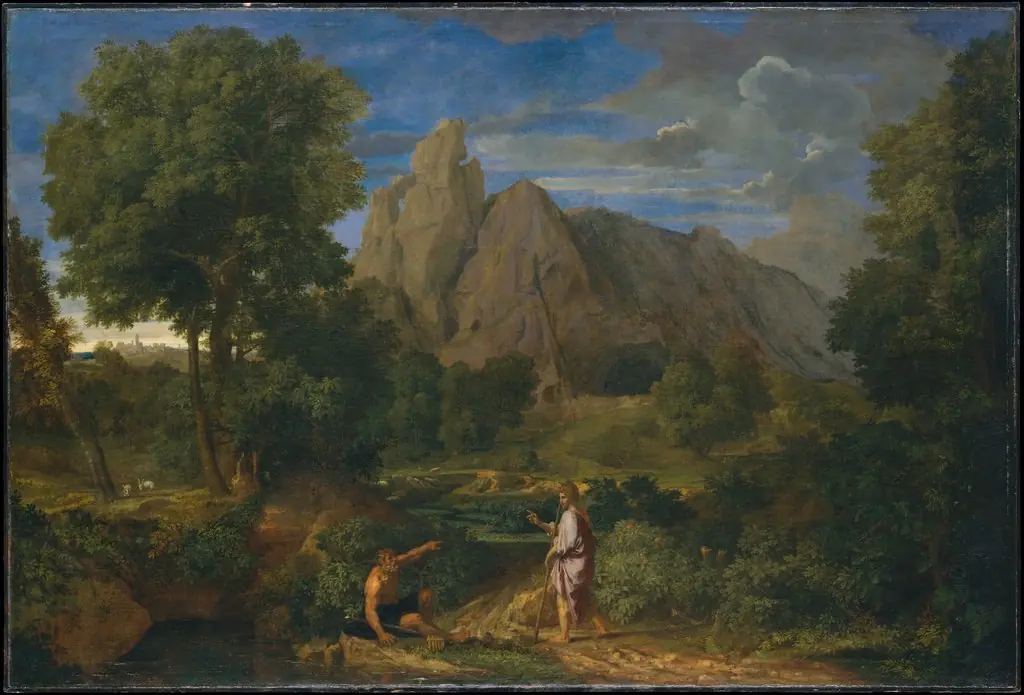 Mercury and Battus
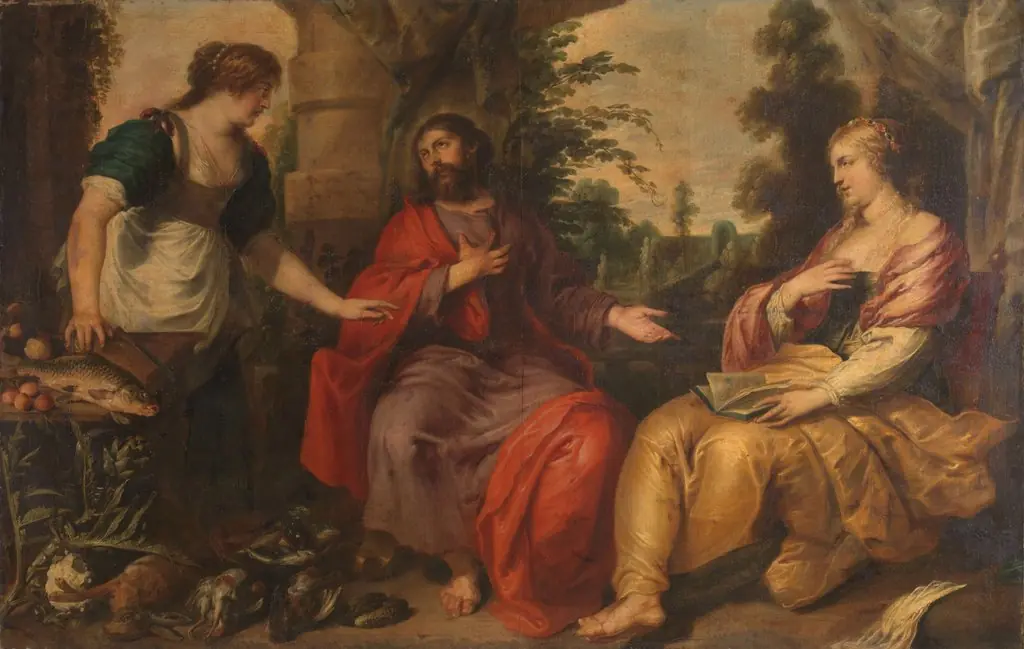 Christ in the house of Martha and Mary
 Christ with Martha and Mary
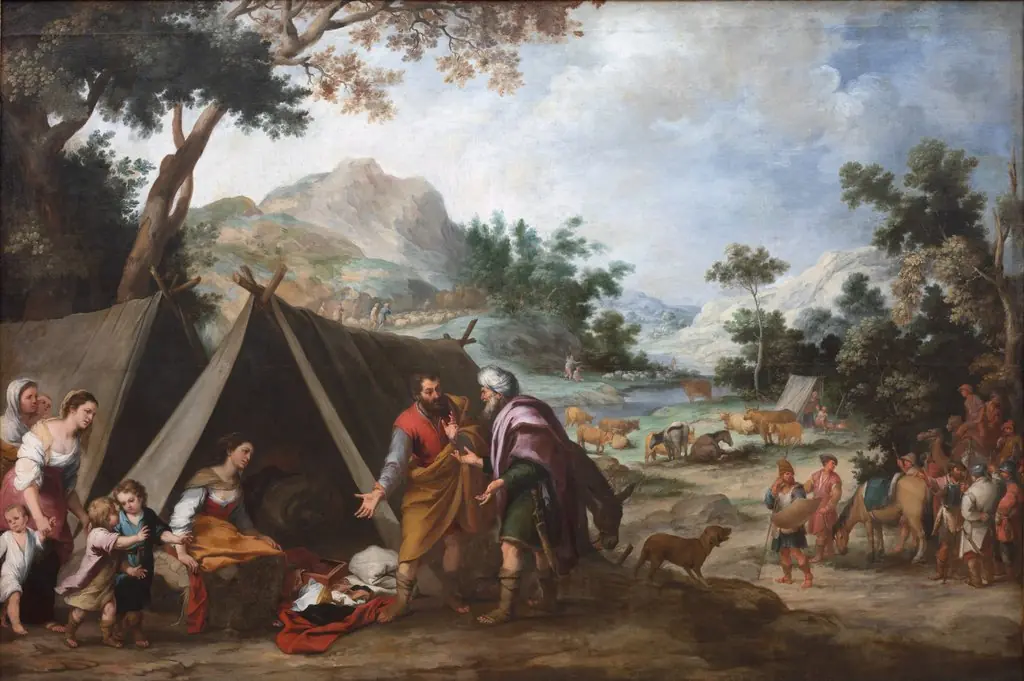 Laban Searching for his Stolen Household Gods
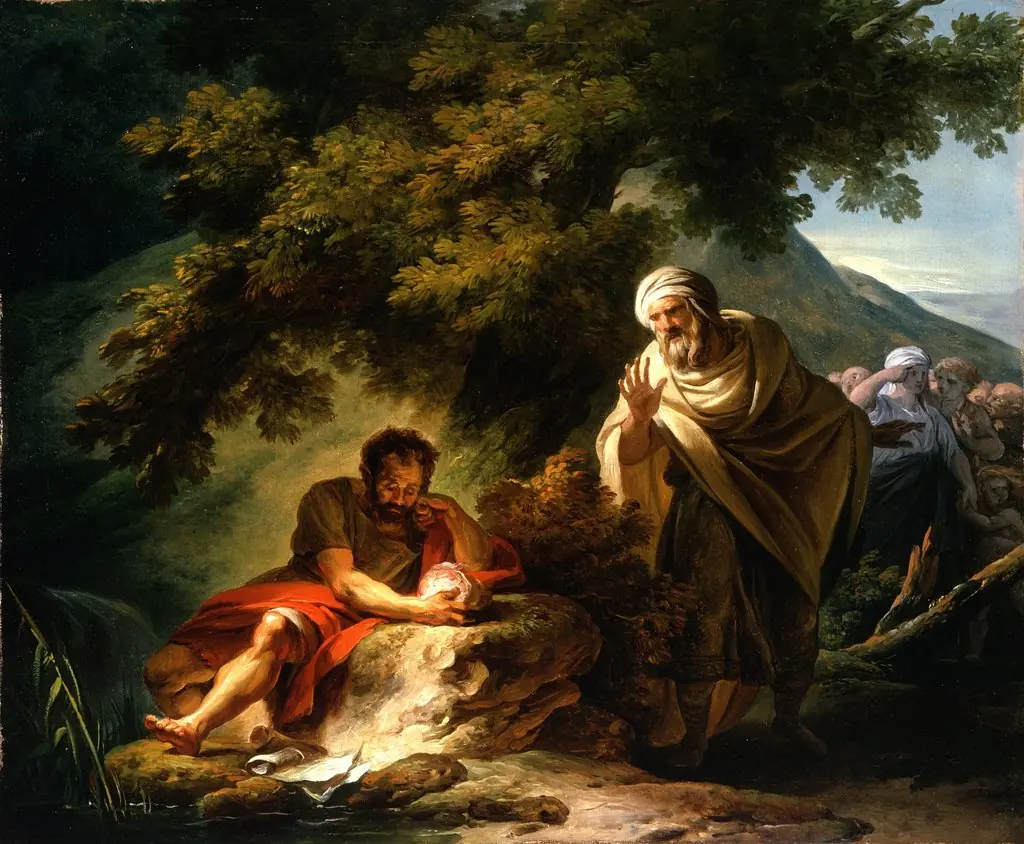 Democritus among the Abderitans
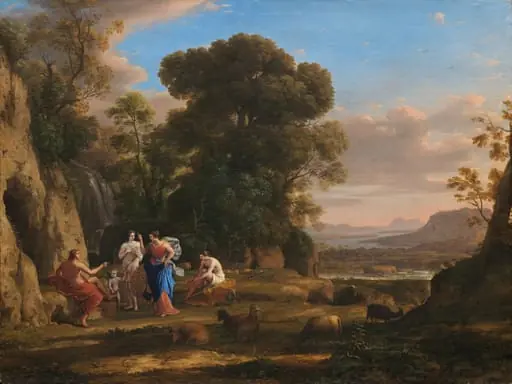 The Judgment of Paris