Artwork
The victory of the peasants
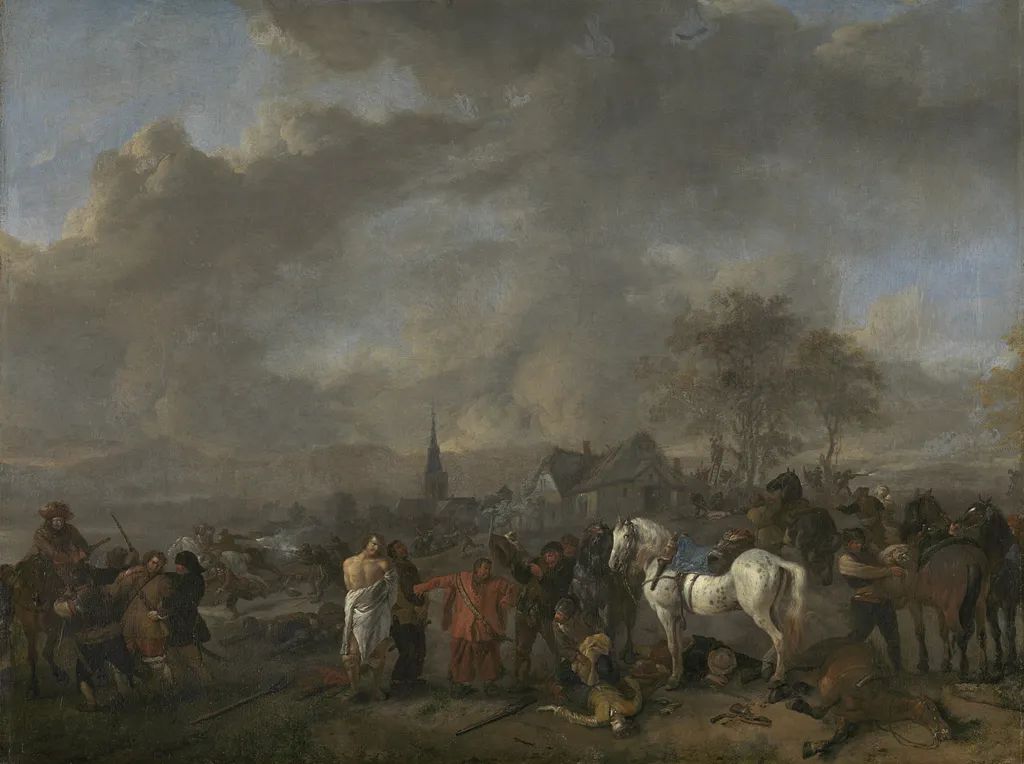
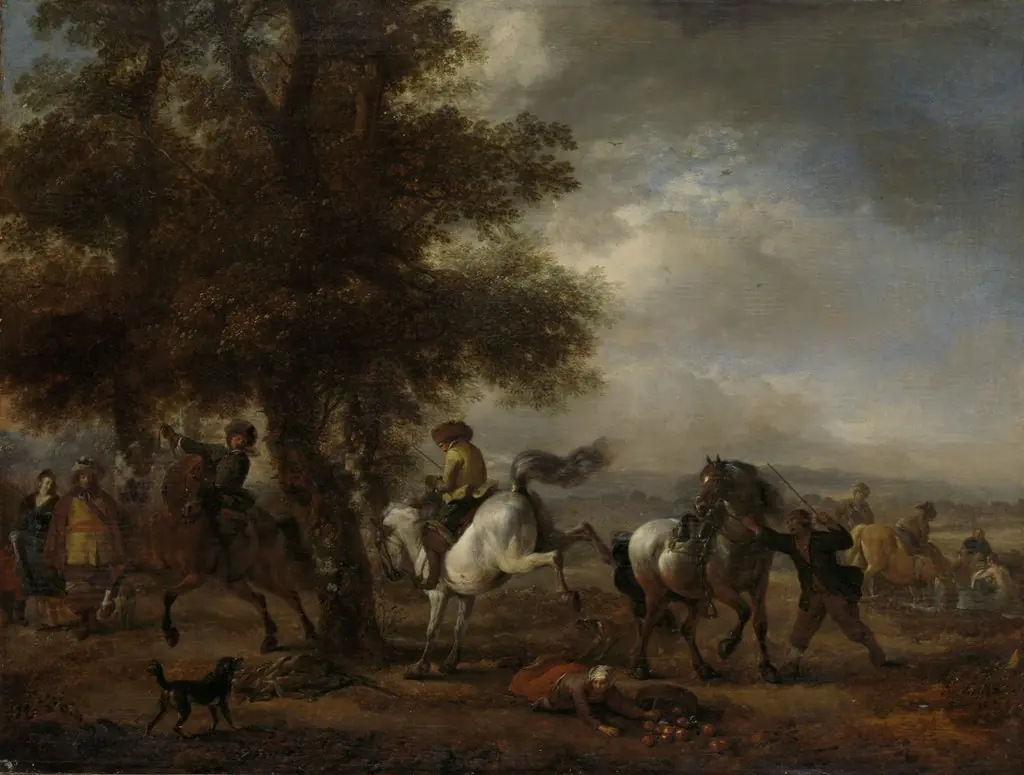
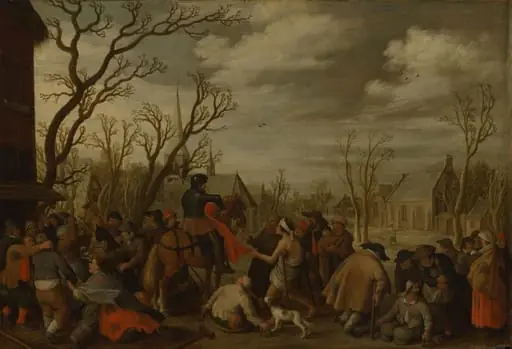
The victory of the peasants is an oil painting by the Dutch Golden Age artist Philips Wouwerman. It dates from 1650 and is held in the collection of the Rijksmuseum.
About this work
Overview
Created circa 1650 by Dutch painter Philips Wouwerman, *The Victory of the Peasants* is an oil on canvas that belongs to the landscape tradition. The work depicts a tumultuous clash set within a village, dominated by a group of horses and figures amidst a storm‑laden sky. It is part of the Rijksmuseum’s collection.
Subject & Meaning
The composition presents a disorderly skirmish among peasants, with soldiers and civilians intertwined in combat, flight, and aid. A striking white horse bearing a rider in blue draws the eye, while scattered weapons and fallen bodies suggest the harsh reality of rural conflict. The scene conveys both the vigor and the tragedy of the encounter.
Technique & Style
Wouwerman employs vigorous, impasto brushwork that accentuates movement, especially in the swirling clouds and the texture of garments. Contrasting chiaroscuro intensifies the dramatic atmosphere, with deep shadows offset by illuminated figures, creating a sense of immediacy and kinetic energy throughout the muddy ground and chaotic crowd.
History & Provenance
A member of the Haarlem Guild of St. Luke, Wouwerman was renowned for his battle and hunting subjects during the Dutch Golden Age. *The Victory of the Peasants* entered the Rijksmuseum’s holdings, where it remains on view as an example of his mature landscape practice.
Context
The painting reflects mid‑17th‑century Dutch interest in genre scenes that blend everyday life with martial themes. Wouwerman’s focus on horses and dynamic action aligns with contemporary tastes for vivid, narrative landscapes that documented both the prosperity and the occasional unrest of rural communities.
Own this work as a print
Artist & collection
Artist
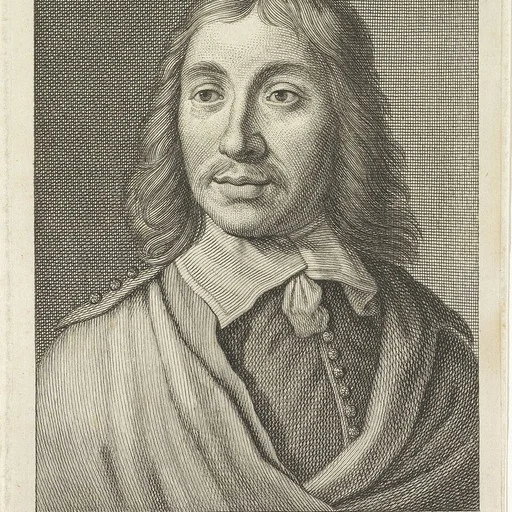
Philips Wouwerman (also Wouwermans) (24 May 1619 (baptized) – 19 May 1668) was a Dutch painter of hunting, landscape and battle scenes. He became prolific during the Dutch Golden Age and joined the Haarlem Guild of St. Luke.