Artwork
Watering and Exercising Horses
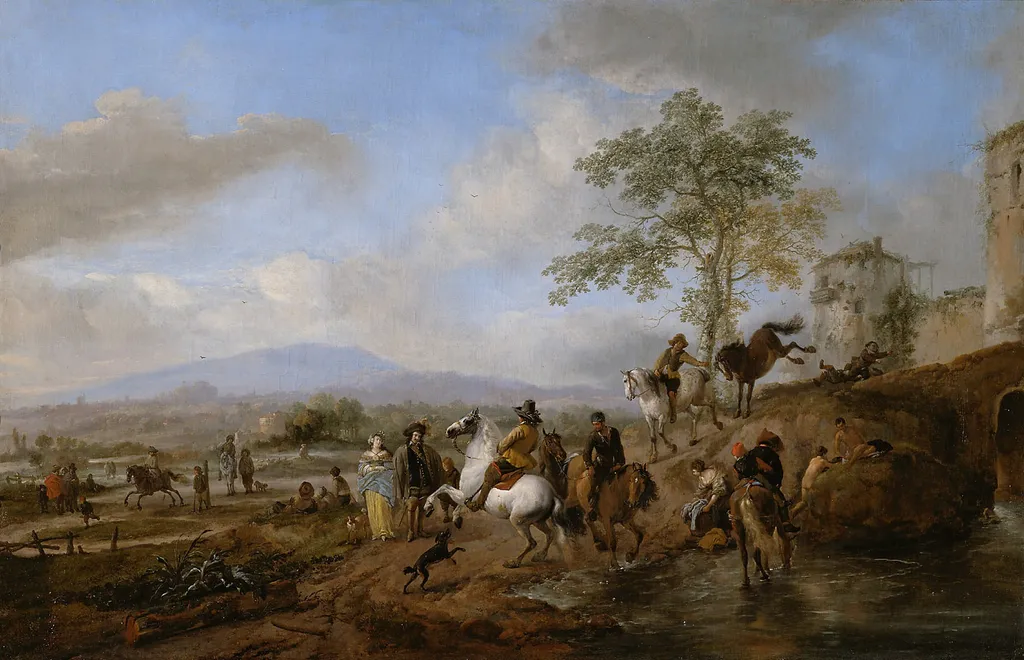
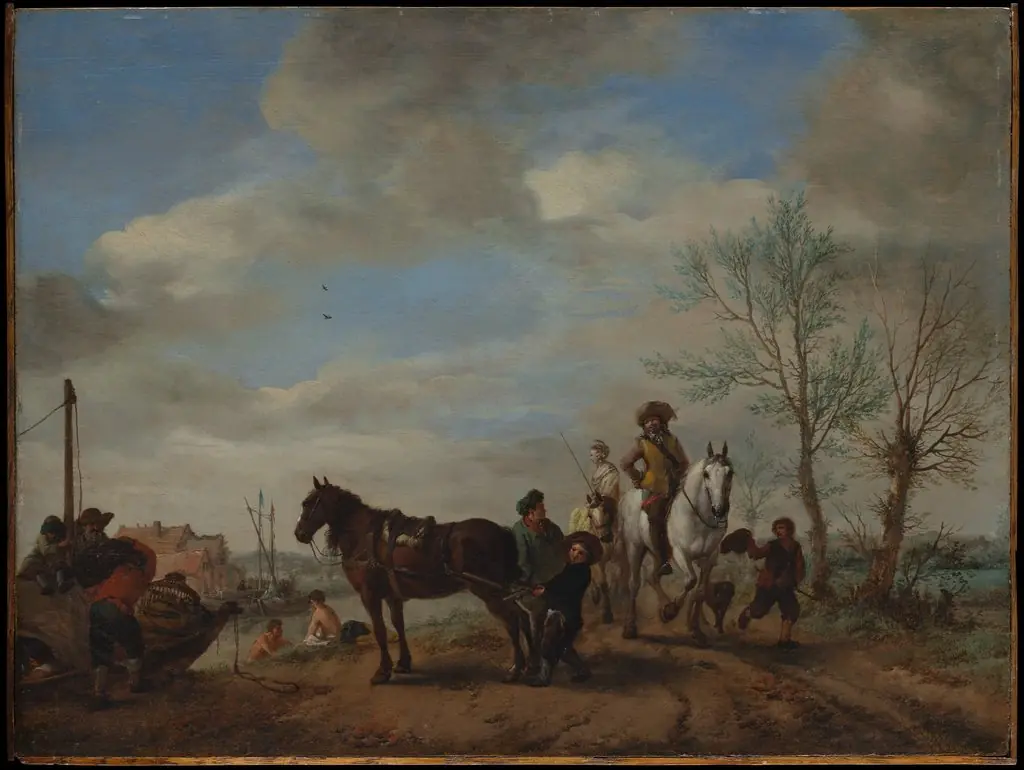
Watering and Exercising Horses is an oil painting by the Dutch Golden Age artist Philips Wouwerman. It dates from 1655 and is held in the collection of the Kunsthistorisches Museum.
About this work
Overview
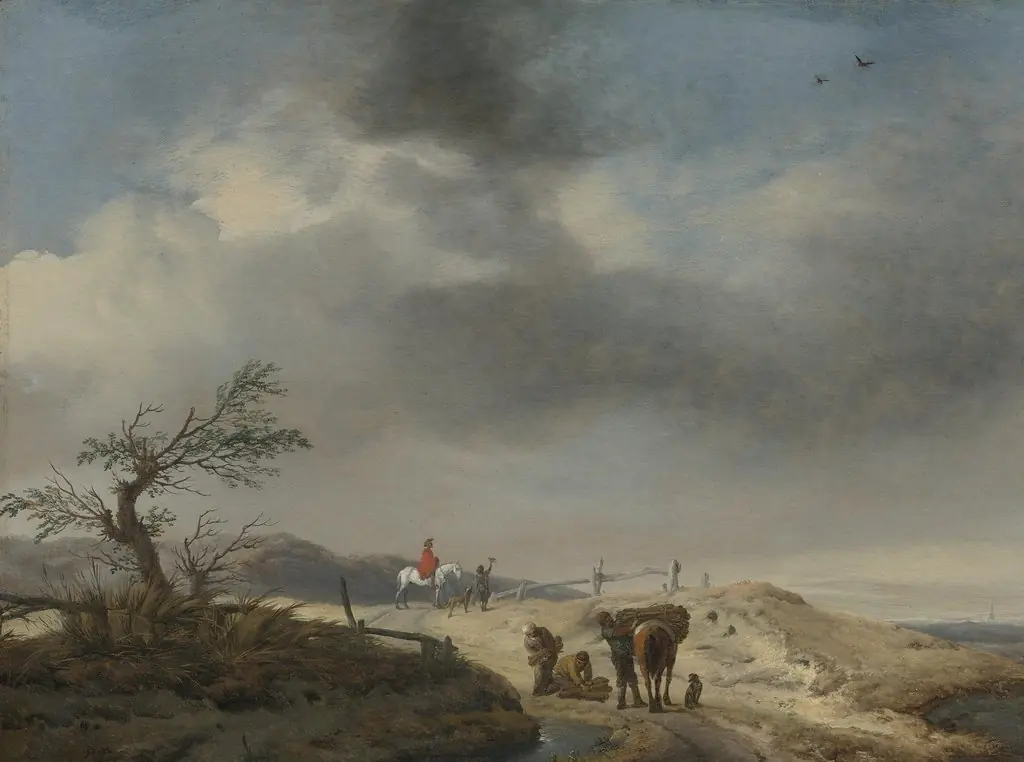
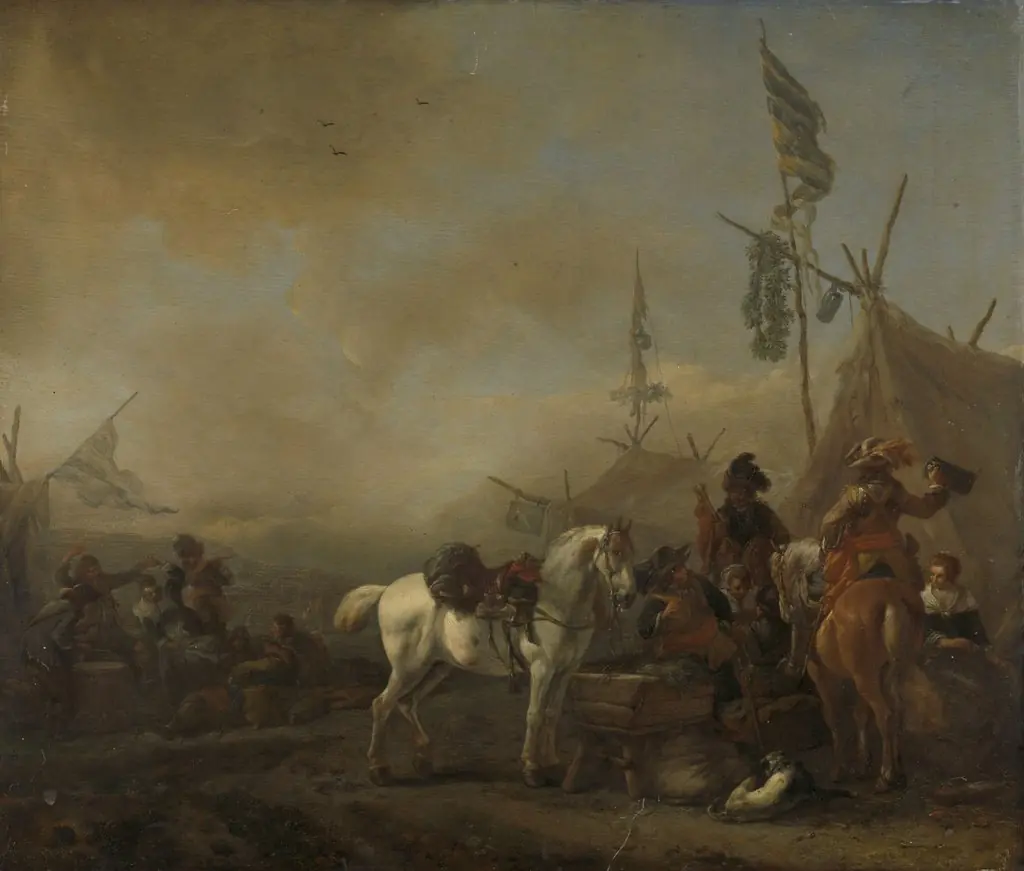
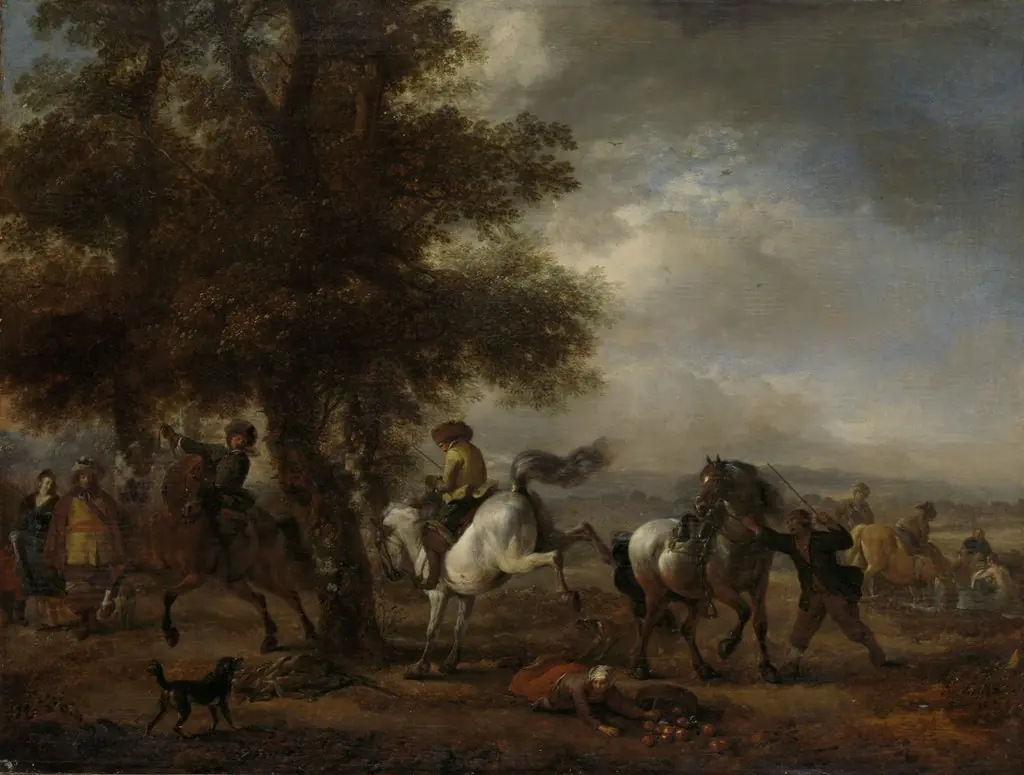
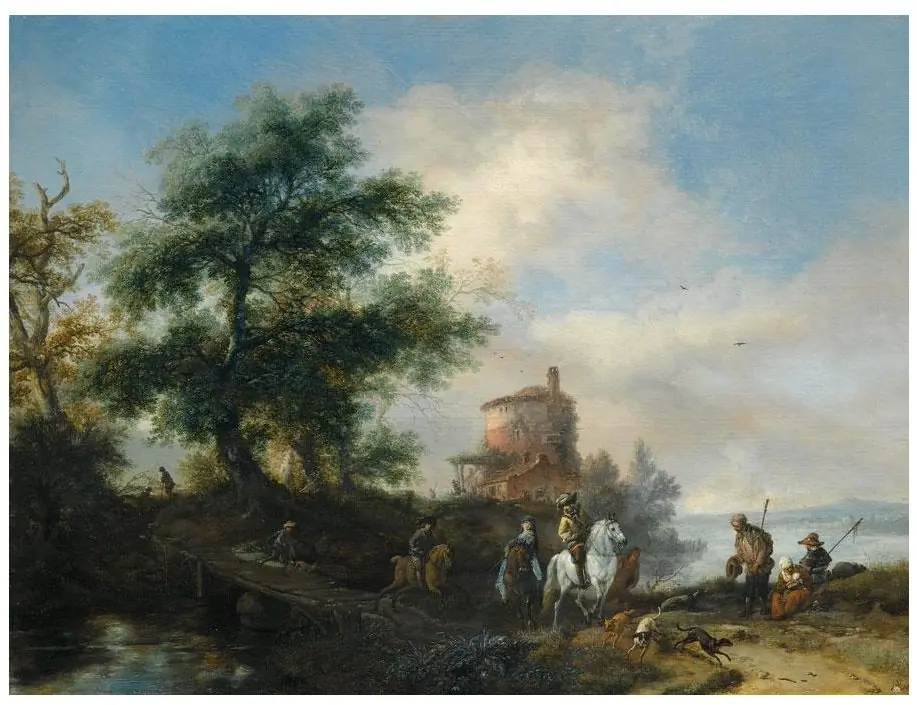
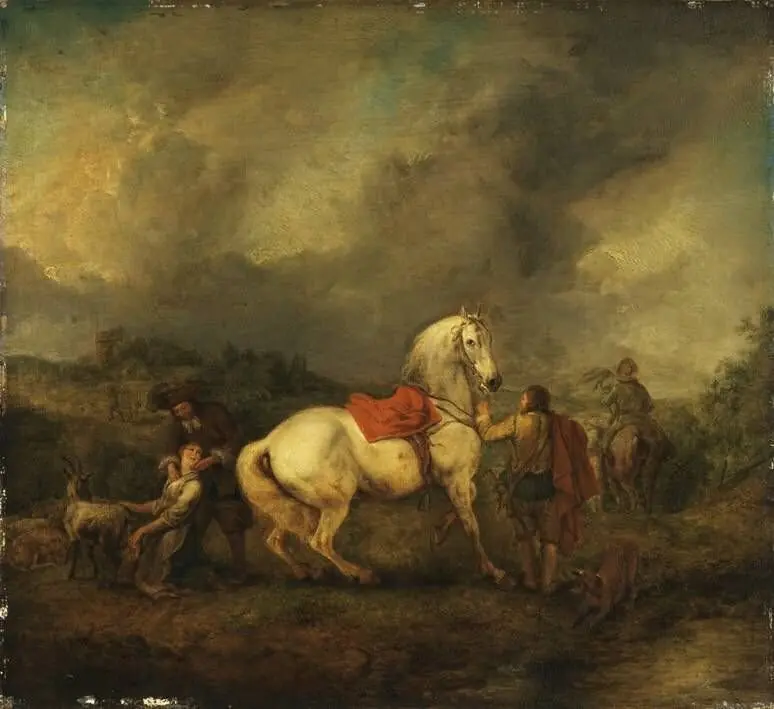
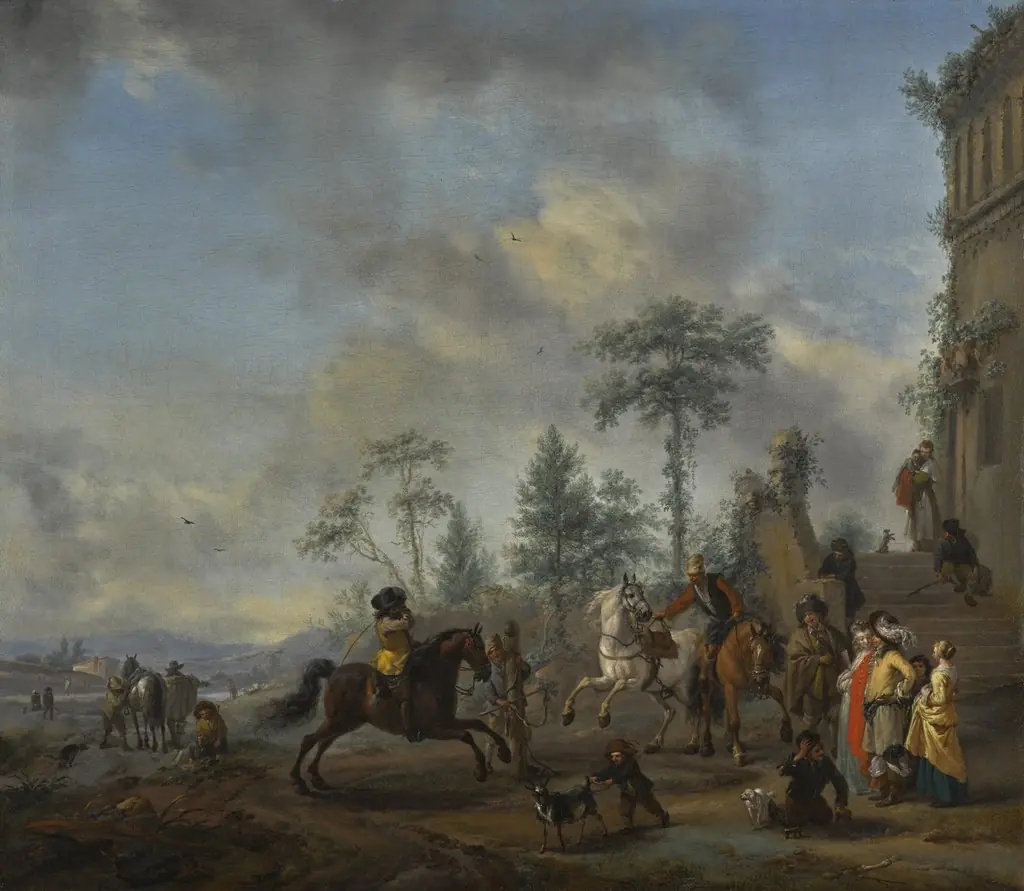
Philips Wouwerman’s *Watering and Exercising Horses* (1655) is an oil painting that presents a lively riverside scene where men attend to horses in a setting resembling a riding school. The composition balances active figures on horseback with pedestrians along the bank, all under a soft, cloud‑filled sky.
Subject & Meaning
The work portrays a group of riders and handlers engaged in the care and training of horses near a waterway. A rearing horse on a grassy rise, riders wading in the river, and assorted onlookers convey a moment of disciplined exercise intertwined with everyday labor, suggesting the importance of horsemanship in 17th‑century Dutch life.
Technique & Style
Wouwerman employs a naturalistic palette and careful modelling of light to highlight the movement of the animals and figures. The rendering of the rearing horse and the subtle gradations of sky and water demonstrate his skill in depicting kinetic energy within a tranquil landscape.
History & Provenance
Created during the Dutch Golden Age, the painting reflects Wouwerman’s prolific output in hunting, battle, and countryside subjects. It entered the collection of the Kunsthistorisches Museum in Vienna, where it remains part of the museum’s holdings of 17th‑century Dutch art.
Context
As a member of Haarlem’s Guild of St. Luke, Wouwerman was part of a network of artists who catered to a market for detailed, narrative landscapes. This piece aligns with his broader interest in equine subjects, offering insight into contemporary practices of horse training and rural leisure.
Artist & collection
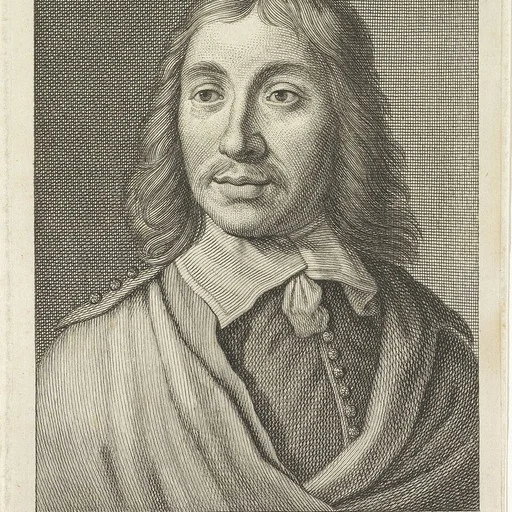
Artist
Philips Wouwerman (also Wouwermans) (24 May 1619 (baptized) – 19 May 1668) was a Dutch painter of hunting, landscape and battle scenes. He became prolific during the Dutch Golden Age and joined the Haarlem Guild of St. Luke.