Artwork
Girl with Spikes - Girl with Flowers
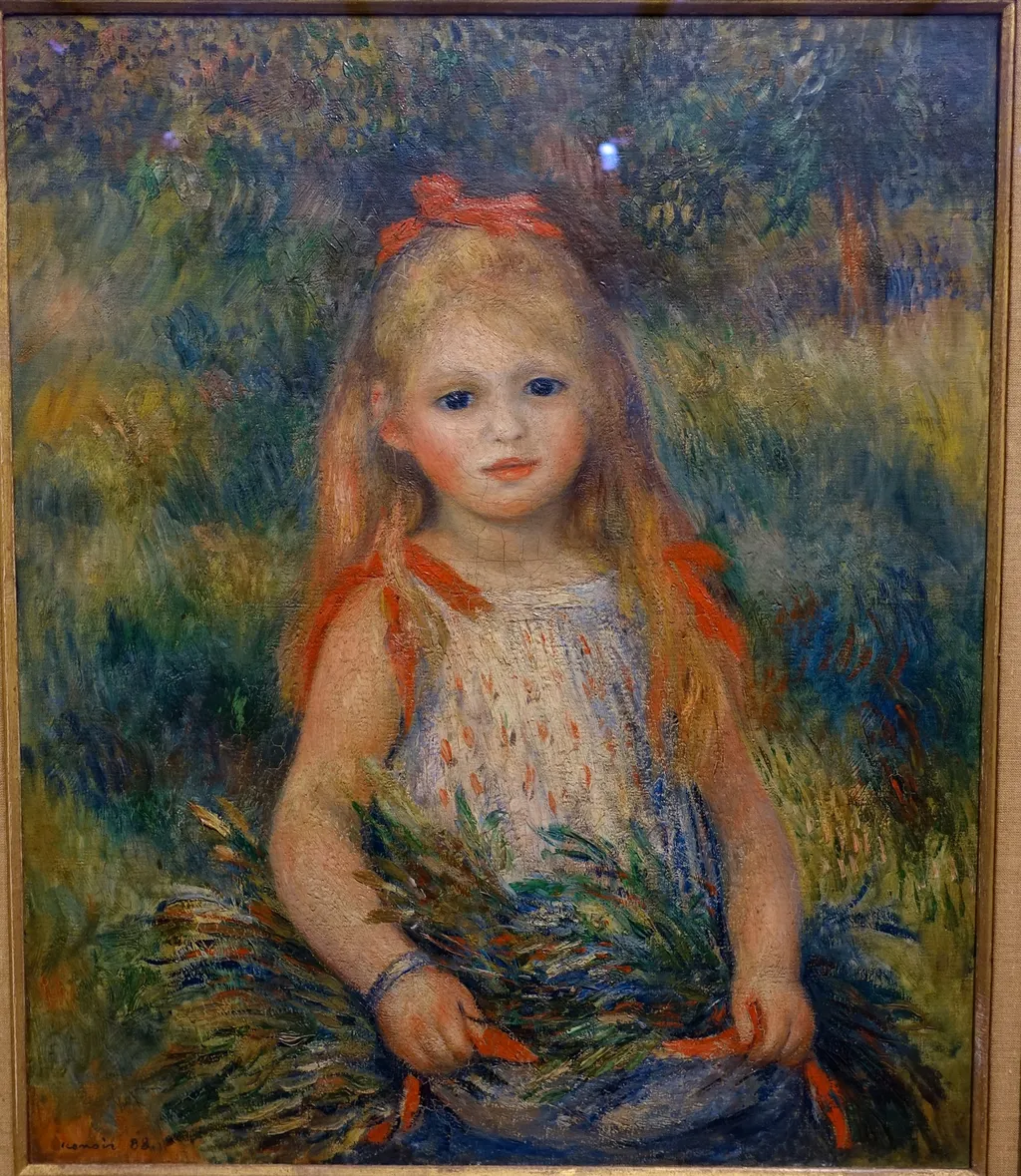
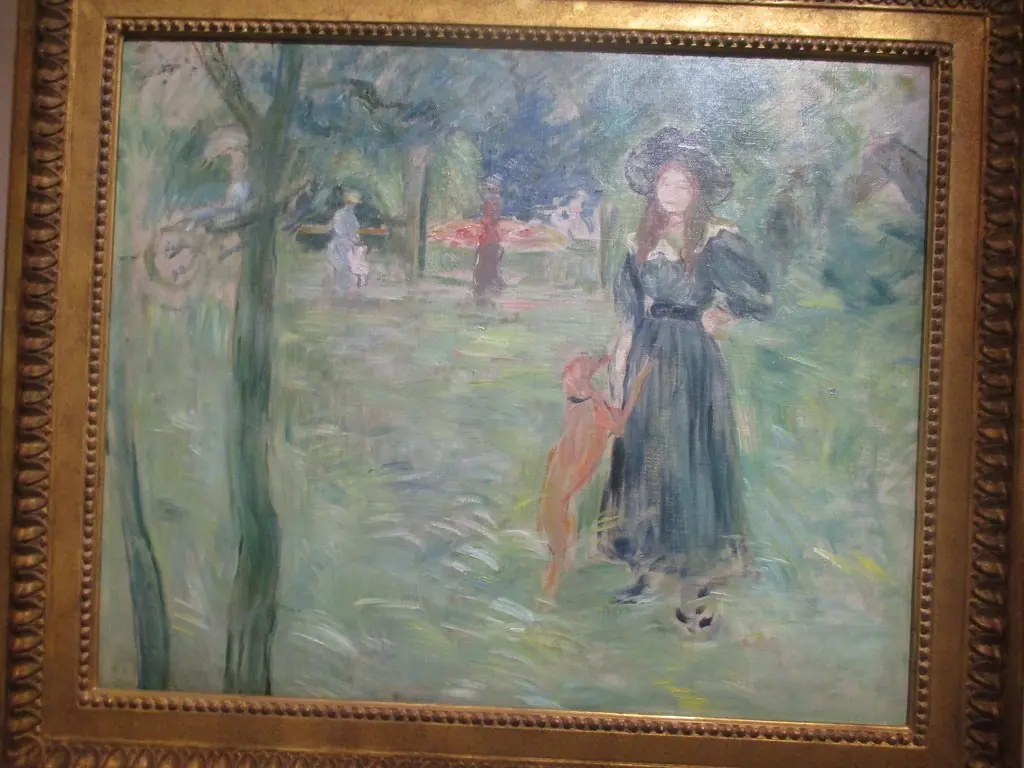
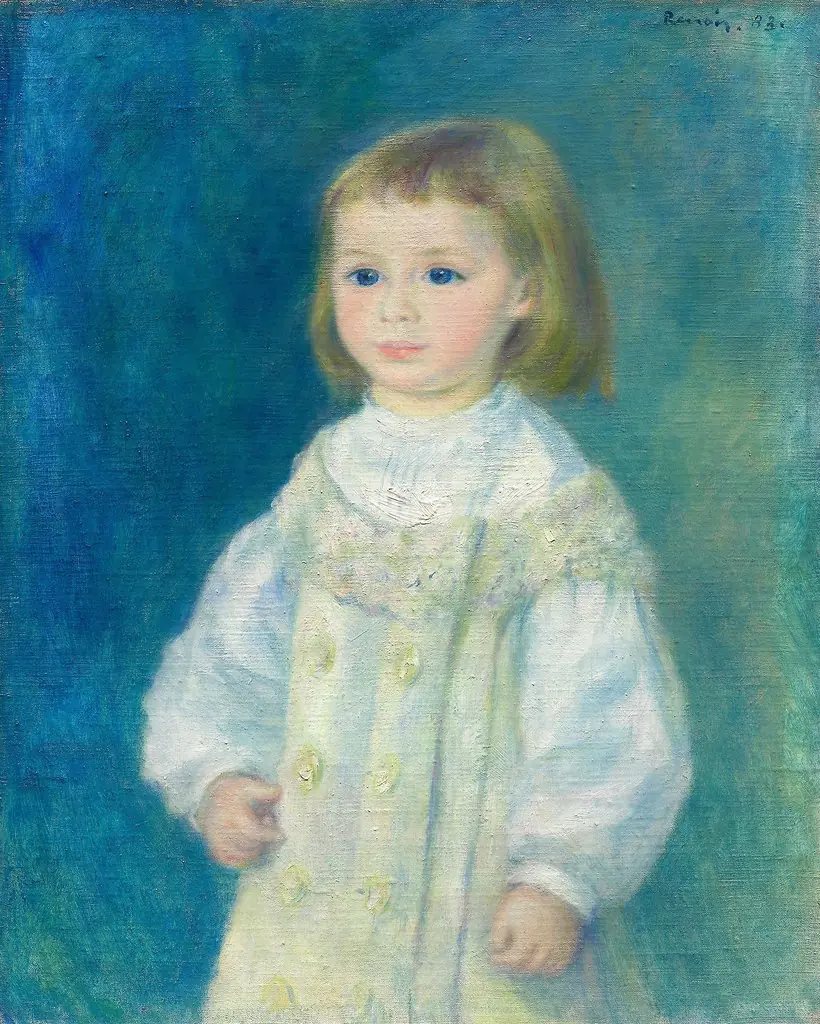
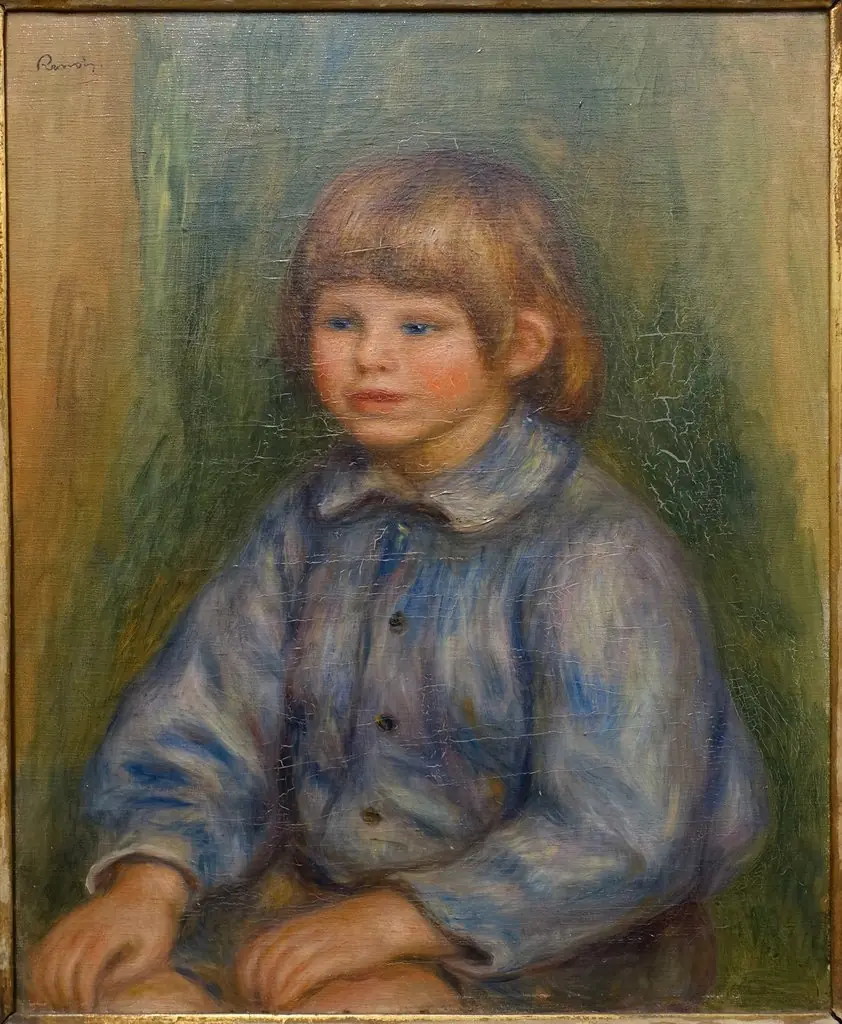
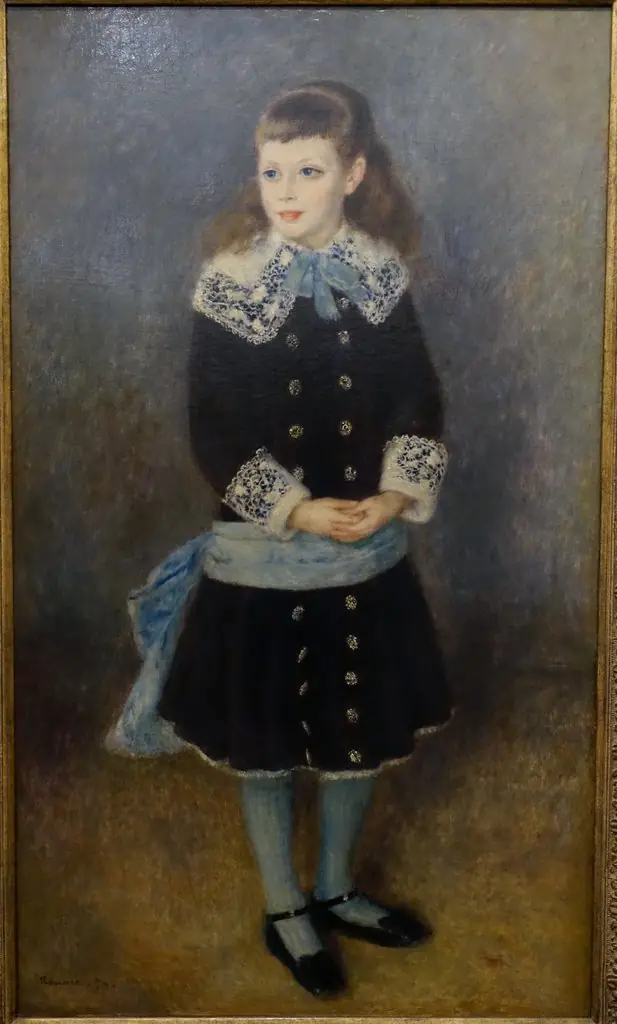
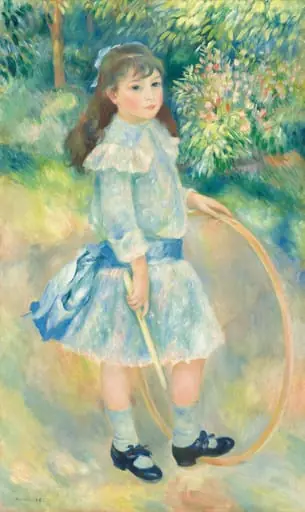
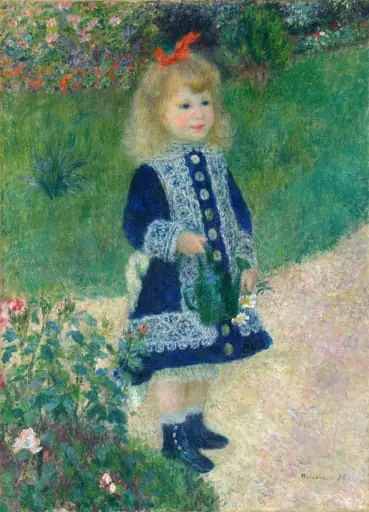
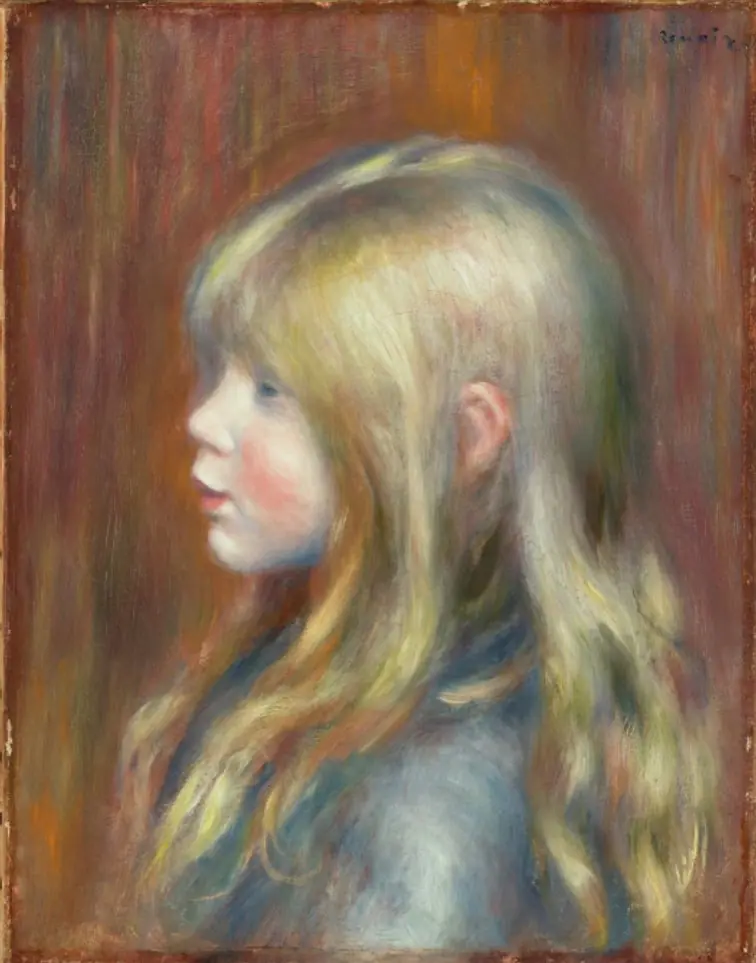
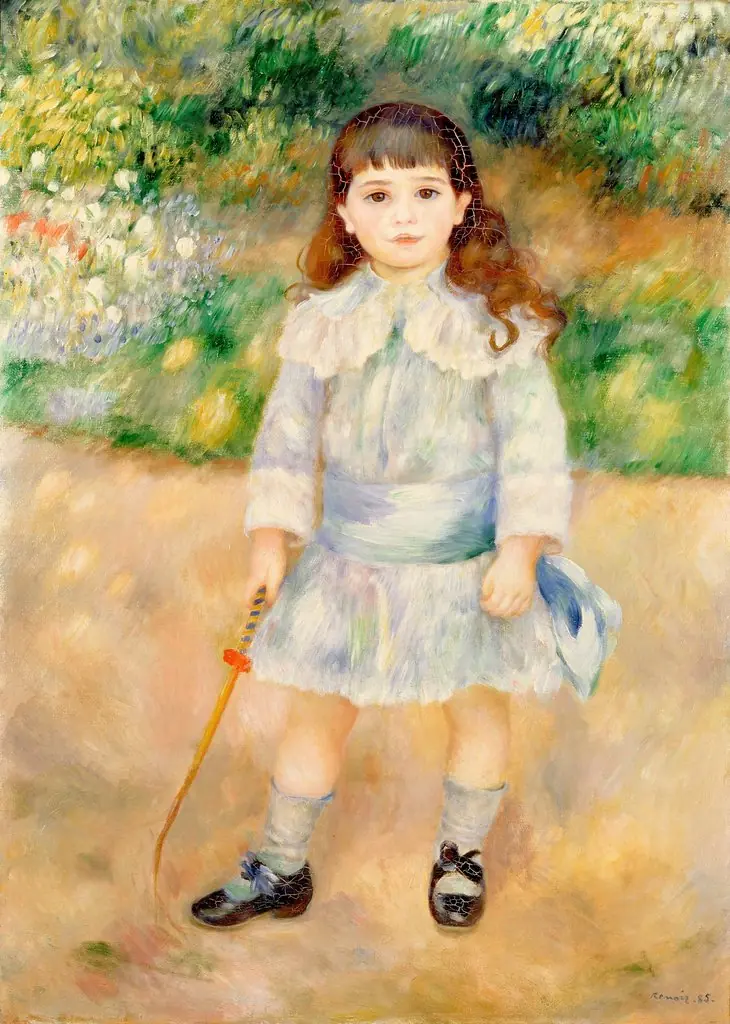
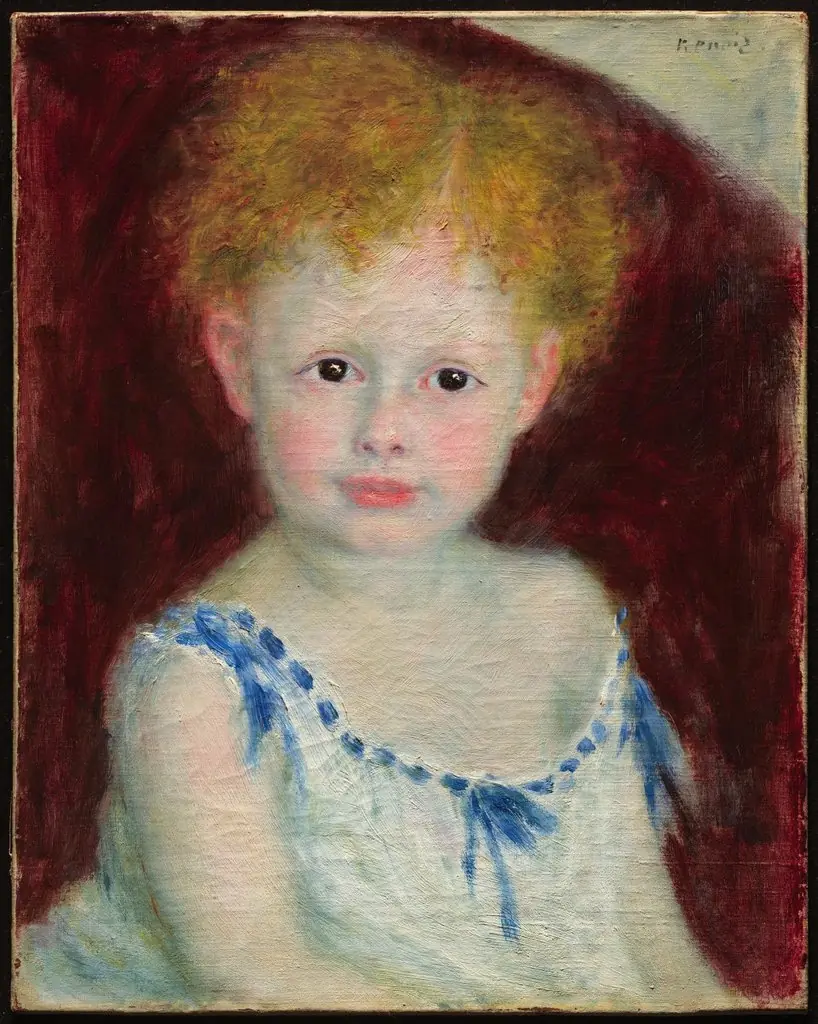
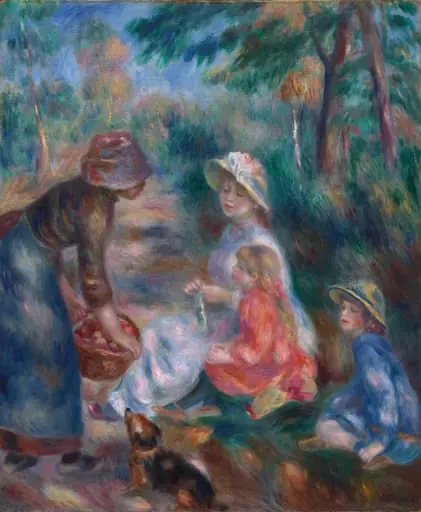
Girl with Spikes - Girl with Flowers is an oil painting by the Impressionist artist Auguste Renoir. It dates from 1894 and is held in the collection of the São Paulo Museum of Art.
About this work
Overview
Painted in 1894 by Pierre-Auguste Renoir, this oil on canvas depicts a young girl in a moment of quiet stillness. The work is part of the collection at the São Paulo Museum of Art. It reflects Renoir’s continued engagement with intimate, domestic subjects during his later years, blending observed reality with a soft, luminous aesthetic that distinguishes his post-Impressionist phase.
Subject & Meaning
The subject is a girl with long blonde hair, wearing a white dress with red straps and a blue skirt, holding a small bouquet of flowers.
The subject is a girl with long blonde hair, wearing a white dress with red straps and a blue skirt, holding a small bouquet of flowers. A red bow adorns her hair, adding a touch of color and focus. Her expression is tender, her posture relaxed, suggesting a fleeting, unposed moment. The flowers and her attire imply childhood innocence, not as an idealized symbol, but as a quietly observed reality.
Technique & Style
Renoir employs loose, fluid brushwork to render fabric, foliage, and skin with a sense of breath and motion. Color is applied in layered strokes, allowing hues to blend optically rather than mix on the palette. The green background dissolves into soft tones, framing the figure without sharp definition. Light filters through the scene, enhancing the warmth of the girl’s skin and the vibrancy of her dress.
History & Provenance
The painting was completed in 1894 during a period when Renoir was refining his approach to portraiture after moving away from pure Impressionism. It entered the São Paulo Museum of Art’s collection in the mid-20th century, acquired as part of a broader effort to build a representative European collection. Its provenance prior to that remains documented but unremarkable in public records.
Context
Created during Renoir’s mature phase, the work aligns with his interest in figures set within natural environments, a theme recurring in his later oeuvre. While influenced by earlier Impressionist concerns with light and atmosphere, this painting shows a shift toward more structured composition and heightened attention to form, reflecting his engagement with Renaissance and classical ideals.
Legacy
Though not among Renoir’s most widely reproduced works, the painting exemplifies his enduring ability to convey quiet humanity through color and touch. It contributes to the understanding of his evolution from radical Impressionist to a painter seeking harmony between observation and timeless beauty, influencing later generations focused on figurative warmth over abstraction.
Artist & collection
Artist
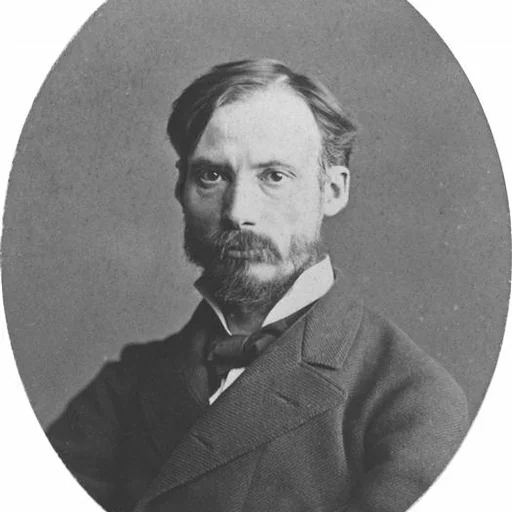
Pierre-Auguste Renoir was born on 25 February 1841 in Limoges, the son of a tailor and a seamstress.