Artwork
The Laundress
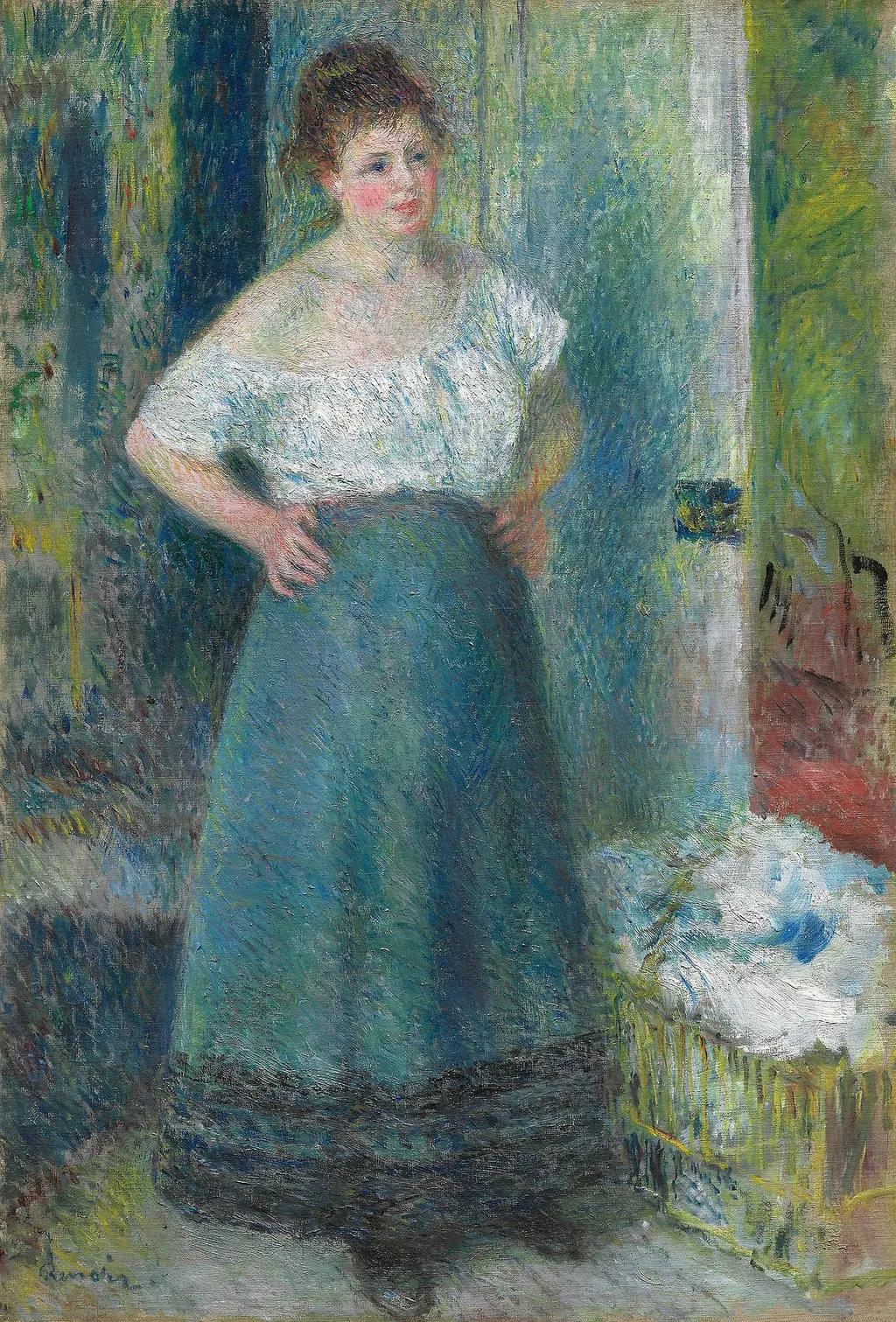
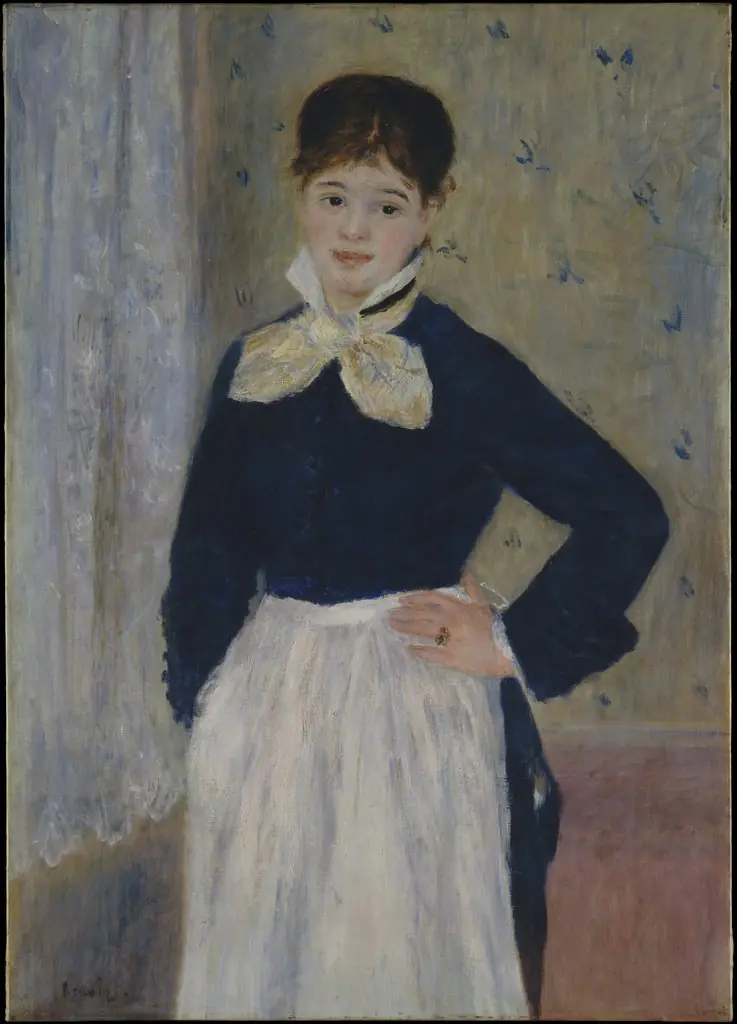
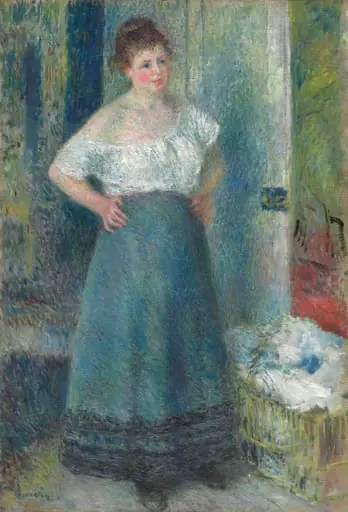
The Laundress is an oil painting by the Impressionist artist Auguste Renoir. It dates from 1889 and is held in the collection of the Art Institute of Chicago.
About this work
Overview
Painted in 1889 by Pierre-Auguste Renoir, The Laundress is an oil on canvas work currently in the collection of the Art Institute of Chicago. It portrays a working-class woman in a modest interior, captured mid-task with quiet dignity. The composition centers on her upright posture and the quiet rhythm of her daily labor, framed by softly rendered walls and a laundry basket beside her.
Subject & Meaning
The painting reflects an interest in ordinary lives, common among Impressionist artists who sought to elevate everyday scenes.
The figure is a laundress, identified by her practical clothing and the basket of linens at her side. She stands with hands on hips, a pose suggesting both fatigue and resilience. Renoir avoids sentimentality, presenting her not as a symbol but as an individual in her environment. The painting reflects an interest in ordinary lives, common among Impressionist artists who sought to elevate everyday scenes.
Technique & Style
Renoir employs loose, fluid brushwork to suggest texture in fabric and wall surfaces, using varied greens and blues to create spatial depth without sharp contours. Light falls gently across the woman’s form, modeling her figure subtly. The palette is restrained yet nuanced, with the white of her top contrasting against the cooler tones of the room, enhancing the sense of quiet realism.
History & Provenance
The painting was completed in 1889 during Renoir’s mature period, when he increasingly focused on figures in domestic settings. It entered the Art Institute of Chicago’s collection in 1922 through the Helen Birch Bartlett Memorial Collection, a significant acquisition of French Impressionist works. Its provenance remains unbroken since then, with no record of public exhibition prior to its acquisition.
Context
In late 19th-century France, urban laborers like laundresses were often invisible in high art. Renoir’s choice to depict one reflects a broader shift in artistic focus toward the working class, influenced by social changes and the rise of realism. Though not overtly political, the painting quietly acknowledges the dignity of manual labor in a society increasingly shaped by industrialization.
Legacy
The Laundress remains a quiet example of Renoir’s ability to infuse ordinary moments with emotional resonance. It contributes to a broader understanding of Impressionism beyond landscapes and leisure, highlighting the artist’s engagement with social reality. The work continues to be studied for its compositional balance and its understated portrayal of labor in modern life.
Own this work as a print
Artist & collection
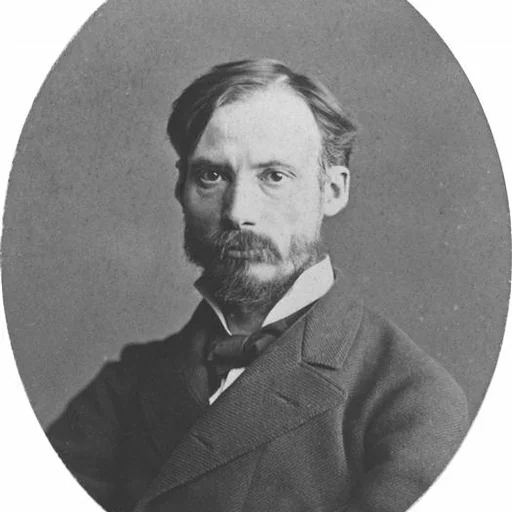
Artist
Pierre-Auguste Renoir was born on 25 February 1841 in Limoges, the son of a tailor and a seamstress.