Artwork
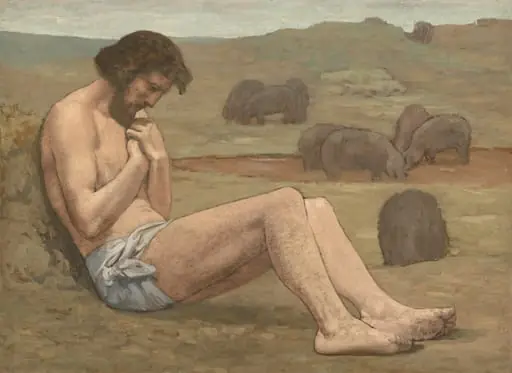
The Prodigal Son
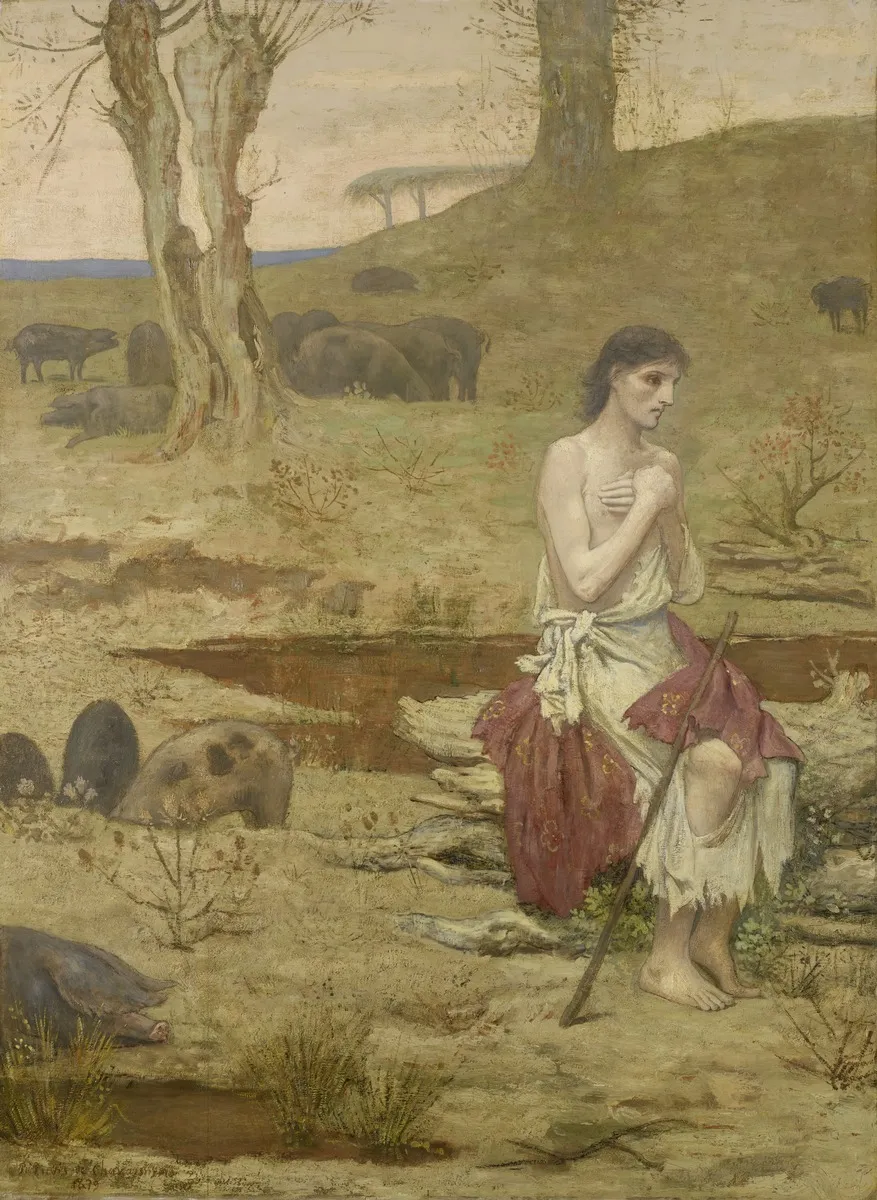
The Prodigal Son is an oil painting by the Post-Impressionist artist Pierre Puvis de Chavannes. It dates from 1890 and is held in the collection of the Foundation E.G. Bührle Collection.
About this work
Overview
A central figure in French mural painting during the early Third Republic, he was known for his restrained, symbolic approach to narrative.
Pierre Puvis de Chavannes completed *The Prodigal Son* in 1890 using oil paint on canvas. A central figure in French mural painting during the early Third Republic, he was known for his restrained, symbolic approach to narrative. This work, though rooted in biblical themes, diverges from dramatic realism, favoring quiet emotional resonance. It resides in the collection of Kunsthaus Zürich, reflecting its international recognition among late 19th-century art institutions.
Subject & Meaning
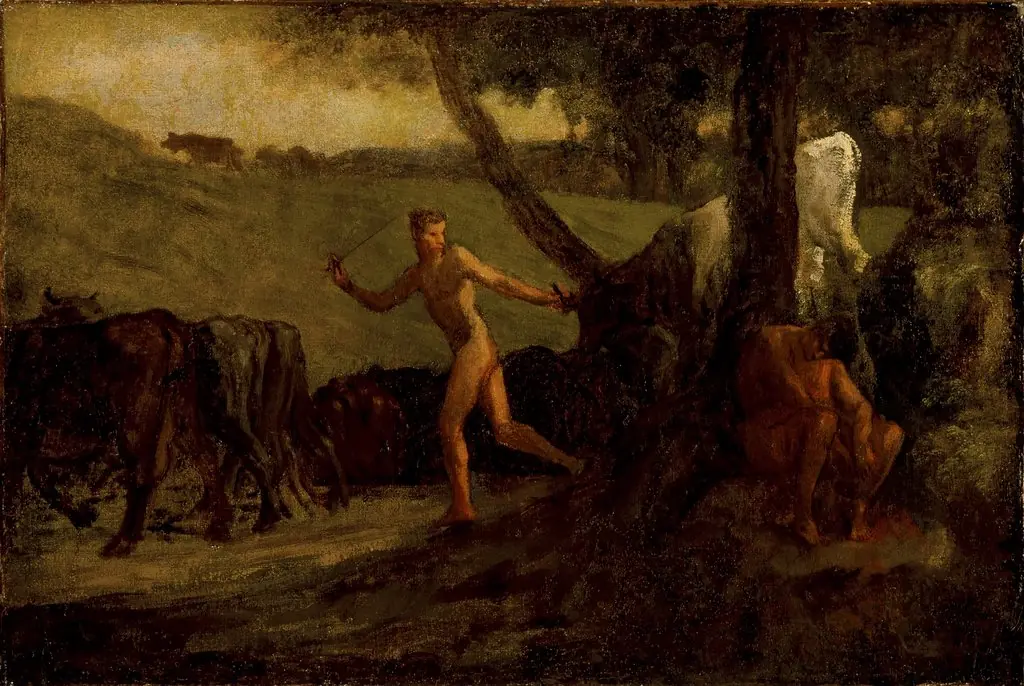
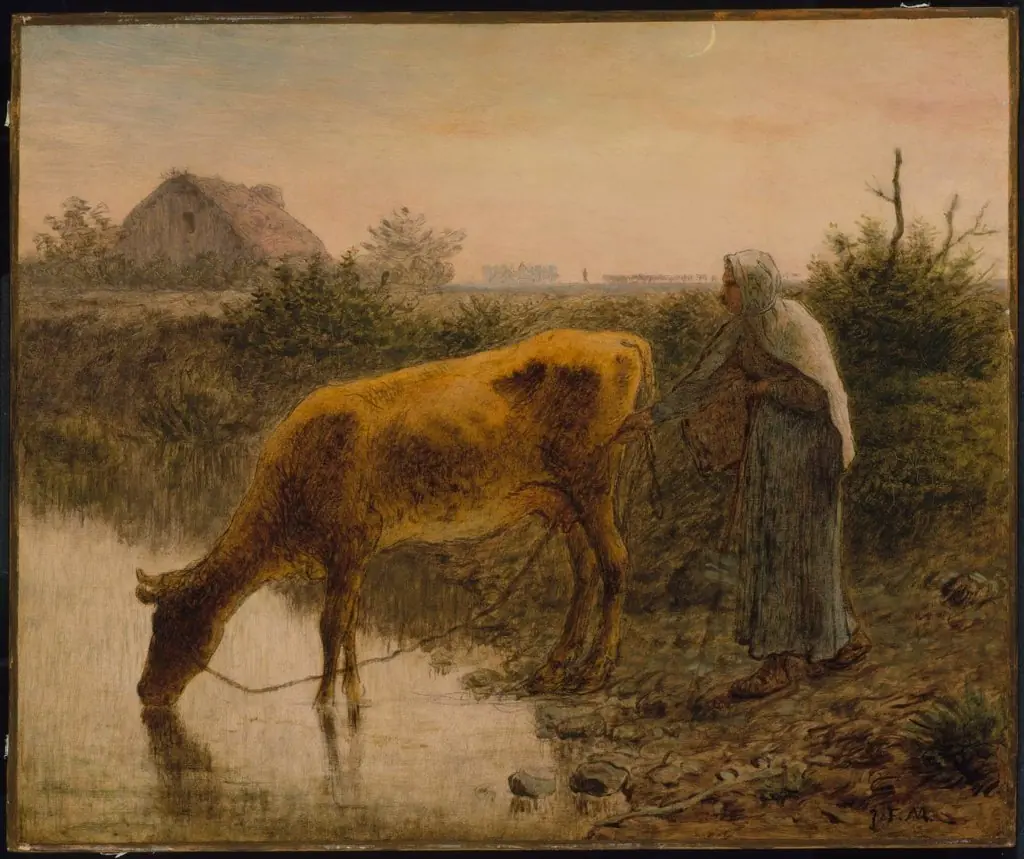
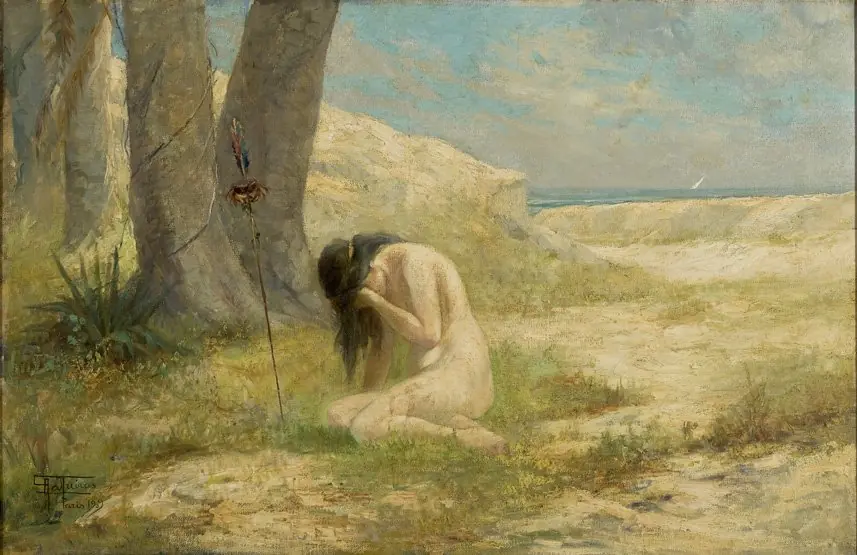
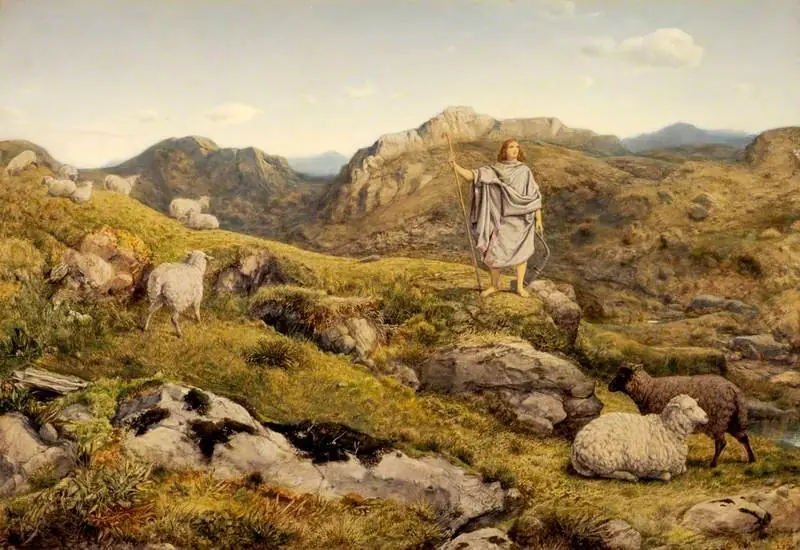
The painting illustrates the moment of the prodigal son’s return, depicted not in the act of reconciliation but in solitary reflection. The figure, barefoot and clothed in simple drapery, sits amid a sparse landscape, suggesting exhaustion and humility. The presence of livestock implies his former life of degradation, yet the calm setting avoids moral judgment. The scene emphasizes inner transformation over external drama, aligning with Puvis’s interest in spiritual stillness.
Technique & Style
Puvis employed a muted palette of earth tones—browns, grays, and muted greens—to create a sense of timelessness. Forms are simplified, contours softened, and details minimized, rejecting the vibrancy of Impressionism in favor of symbolic clarity. The composition is deliberately static, with the figure centered and the background elements arranged to frame rather than distract. This approach reflects his alignment with Post-Impressionist ideals prioritizing emotional tone over optical accuracy.
History & Provenance
Painted in 1890, *The Prodigal Son* emerged during Puvis’s mature period, when he was deeply engaged with public commissions and allegorical themes. It was not part of a larger mural project but stands as an independent work, likely intended for private or institutional display. The painting entered the Kunsthaus Zürich collection in the early 20th century, where it has remained, contributing to the museum’s holdings of French symbolic art.
Context
In late 19th-century France, artists sought alternatives to naturalism and academic tradition. Puvis, a co-founder of the Société Nationale des Beaux-Arts, championed a return to idealized form and moral narrative. His work resonated with contemporaries like Gauguin and the Nabis, who admired his flattened space and emotional restraint. *The Prodigal Son* exemplifies this shift, bridging religious iconography with modern sensibilities toward introspection and abstraction.
Legacy
Though less widely known today than his murals, *The Prodigal Son* remains a key example of Puvis’s ability to infuse biblical subjects with psychological depth through minimal means. His influence extended to Symbolist and early modernist painters who valued suggestion over spectacle. The painting’s quiet dignity and formal economy continue to inform discussions on the role of stillness and restraint in narrative art.
Artist & collection
Artist
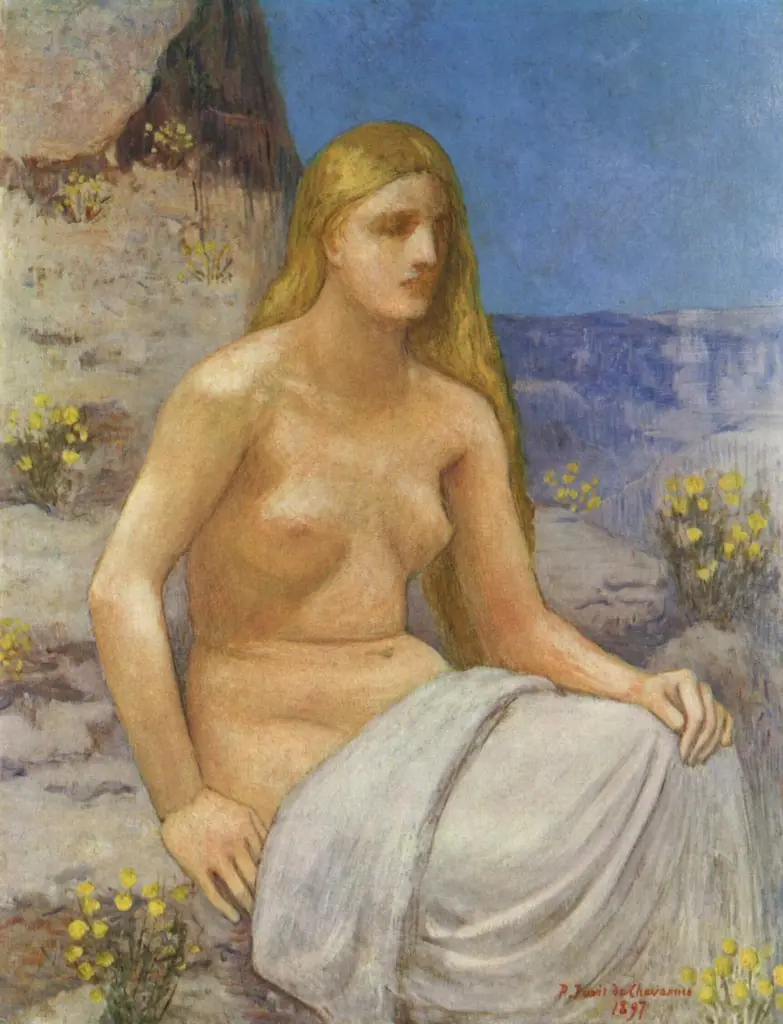
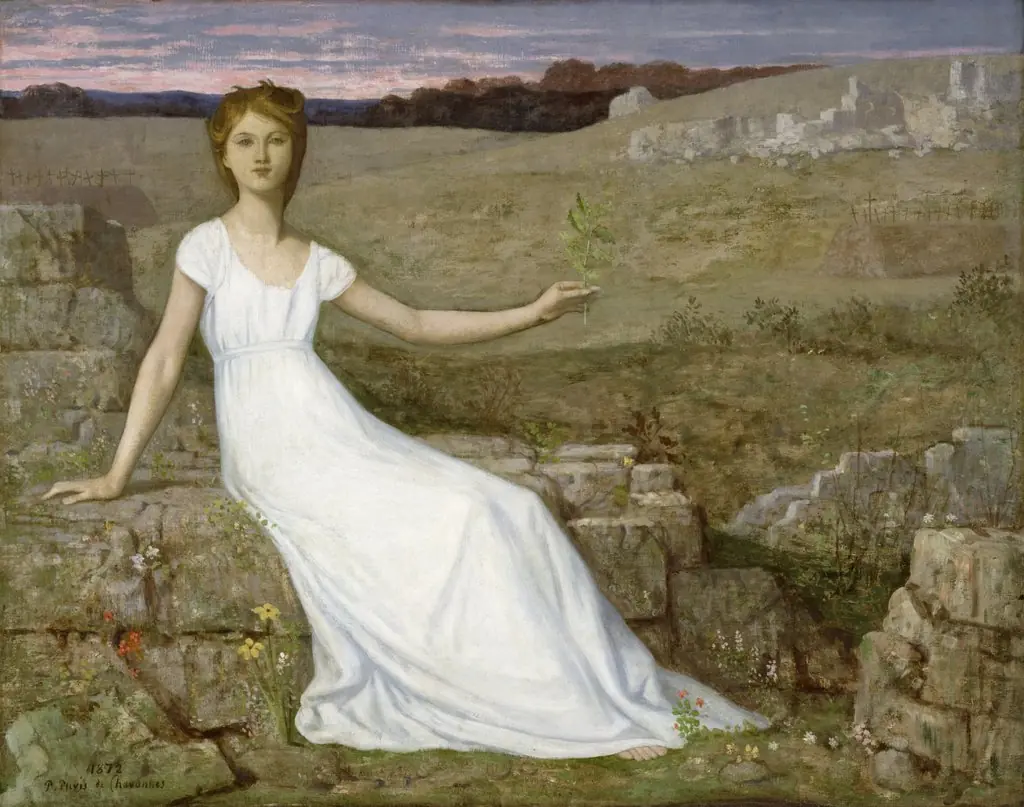
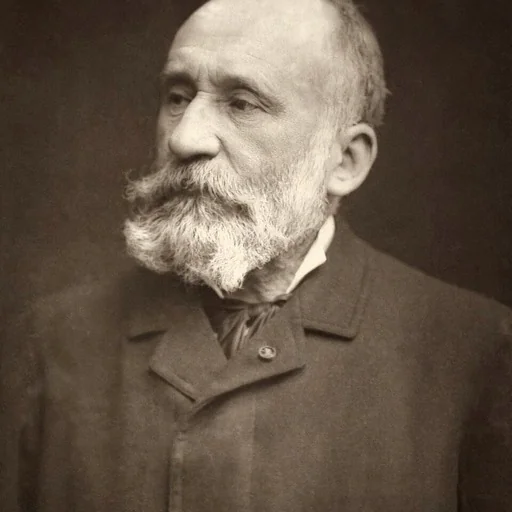
Pierre Puvis de Chavannes (French pronunciation: ; 14 December 1824 – 24 October 1898) was a French painter known for his mural painting, who came to be known as "the painter for France".