Artwork
Double-Leaf Door
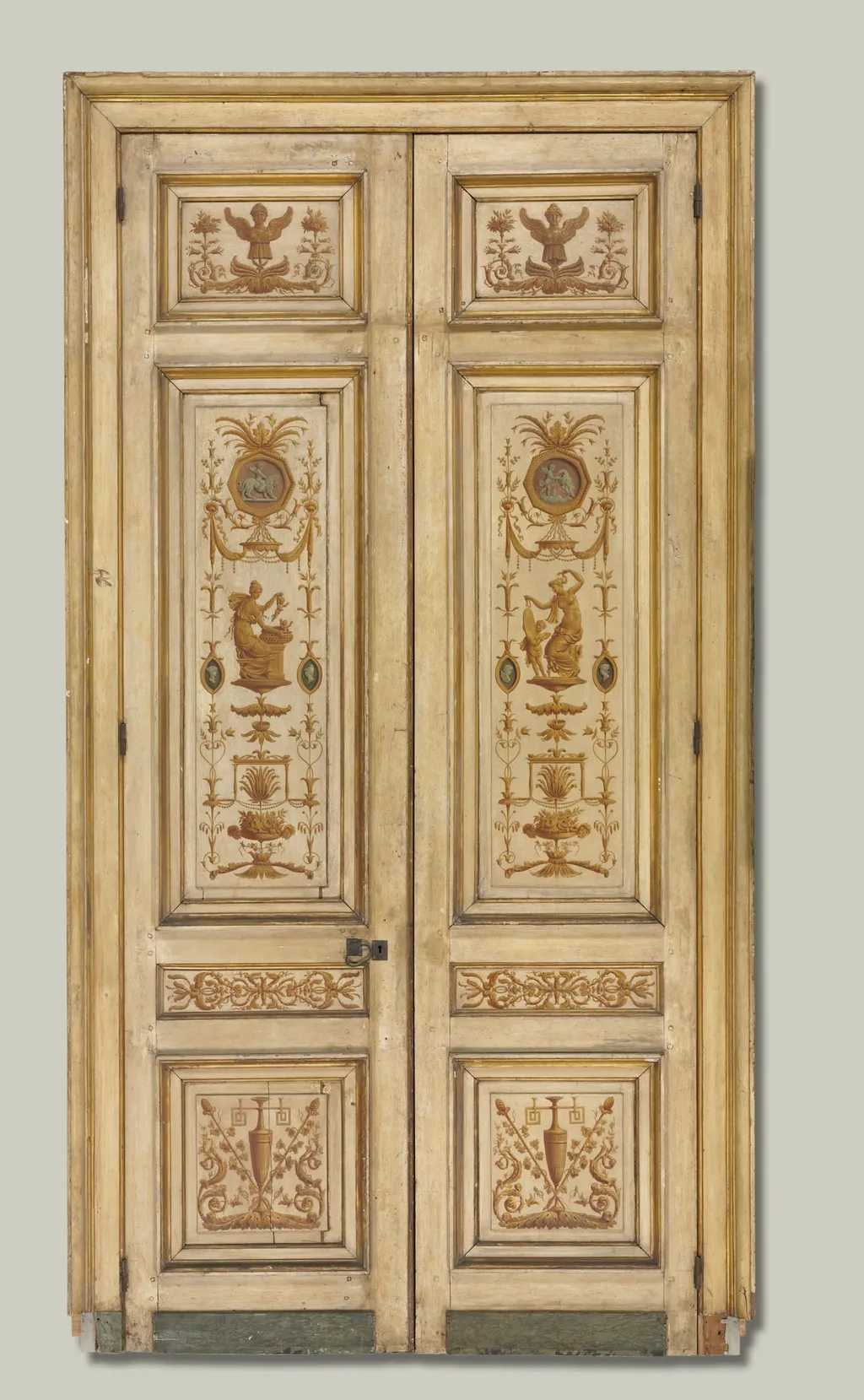
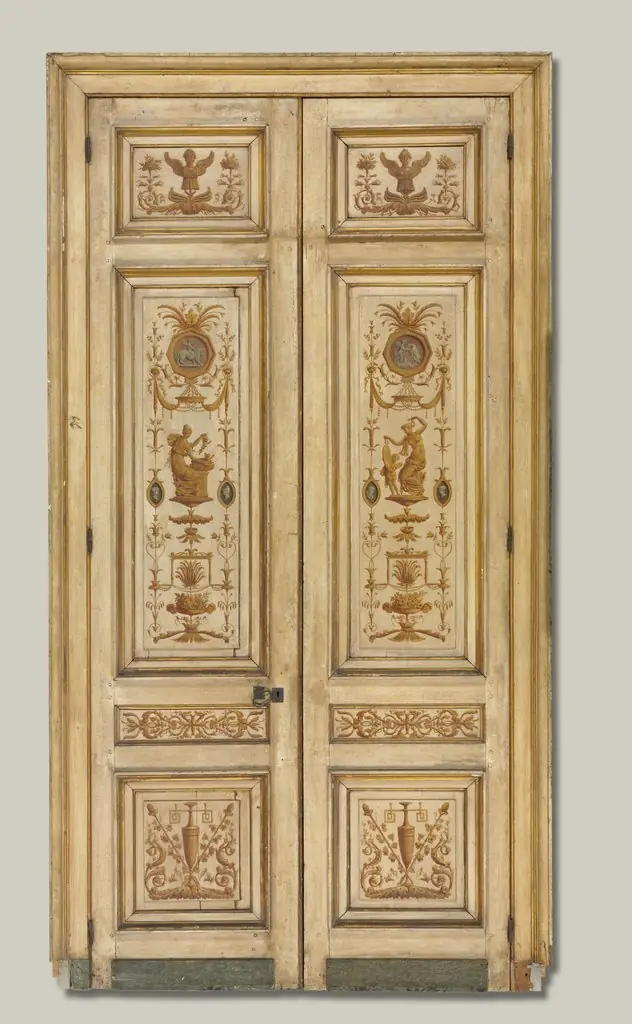
Double-Leaf Door is an unspecified painting by the Biedermeier artist Pierre Rousseau. It dates from 1794 and is held in the collection of the Cleveland Museum of Art.
About this work
Overview
The work is part of the collection at The Cleveland Museum of Art, where it stands as an example of late 18th-century French domestic observation.
Double-Leaf Door is a still-life painting attributed to Pierre Rousseau, dated around 1794. It depicts a partially opened wooden door with two hinged panels, rendered with quiet precision. The work is part of the collection at The Cleveland Museum of Art, where it stands as an example of late 18th-century French domestic observation. Its simplicity and attention to material detail distinguish it from more elaborate genre scenes of the period.
Subject & Meaning
The painting presents a common architectural element—the interior door—as its sole subject. One panel is weathered, showing signs of use; the other remains smooth, interrupted only by a brass handle. The half-open state suggests a pause, inviting contemplation of absence or transition. No figures appear, yet the door implies human presence through its wear and the play of light, evoking stillness rather than narrative.
Technique & Style
Rousseau employs a restrained palette and sharp tonal contrasts to model the door’s surfaces. Sunlight falls diagonally, casting clear shadows on the floor that anchor the object in space. Brushwork is precise but unobtrusive, emphasizing texture: the grain of aged wood, the gleam of metal. The composition is tightly framed, eliminating context to focus attention on form, material, and light.
History & Provenance
The painting’s early history is undocumented, but it entered The Cleveland Museum of Art’s collection in the 20th century. Rousseau, a lesser-known artist of the French Revolution era, produced a small body of work centered on ordinary objects. Double-Leaf Door survives as one of the few attributed pieces, offering insight into the quiet realism practiced by artists outside the academic mainstream.
Context
Created during the French Revolution, the painting reflects a shift toward intimate, non-ideological subjects. While grand historical scenes dominated official salons, artists like Rousseau turned to the mundane—doors, tools, tableware—as worthy of depiction. This quiet realism aligns with broader cultural interest in the everyday, anticipating 19th-century naturalism without overt political or emotional rhetoric.
Legacy
Double-Leaf Door remains a quiet testament to the artistic value found in ordinary things. Though Rousseau’s oeuvre is limited, this work exemplifies how precise observation can elevate the commonplace. It contributes to a lineage of still-life painting that values material truth over spectacle, influencing later generations who sought meaning in the unadorned details of daily life.
Artist & collection
Artist
Pierre Jean-Baptiste Rousseau was a French essayist, epistemologist, astronomer and journalist who authored numerous popular science essays and articles.

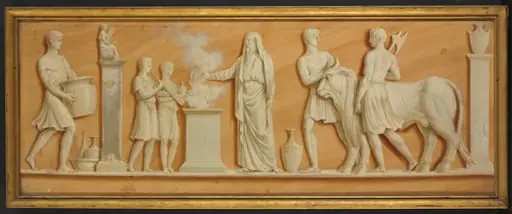
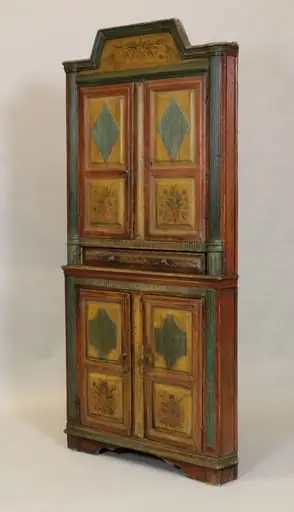 kaappi
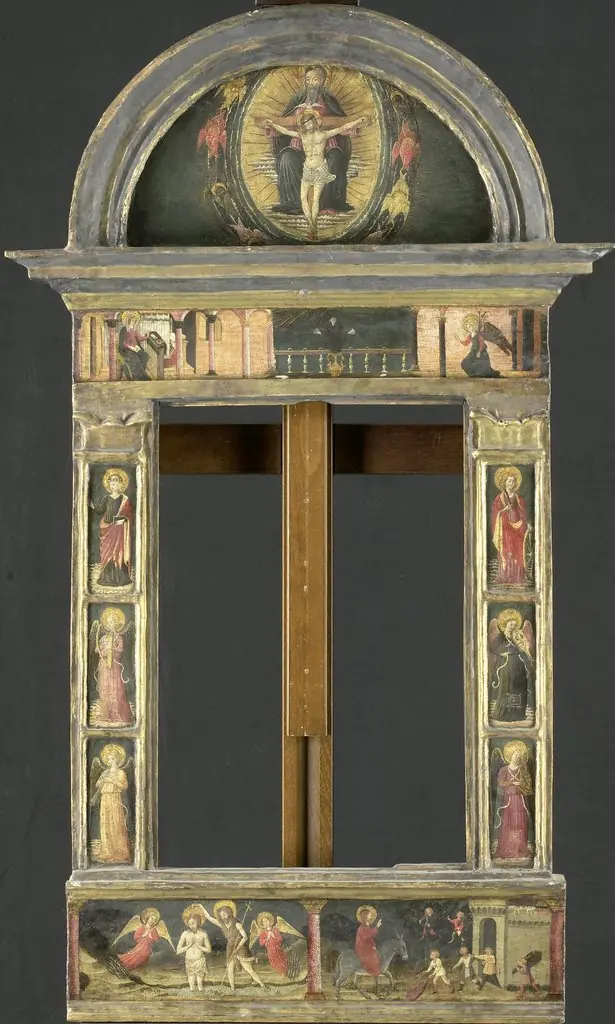 Frame painted with the annunciation, the baptism of Christ, the entry into Jerusalem, the Saints Cecilia and Catharina, and 4 angels making music
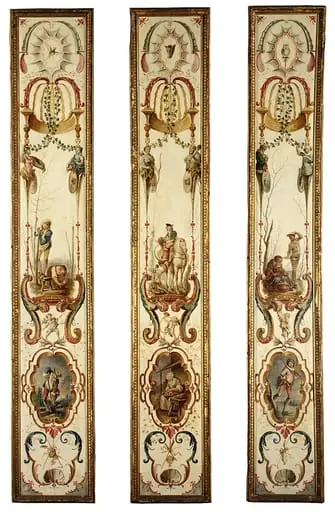 January and February (part of a set illustrating the months of the year)
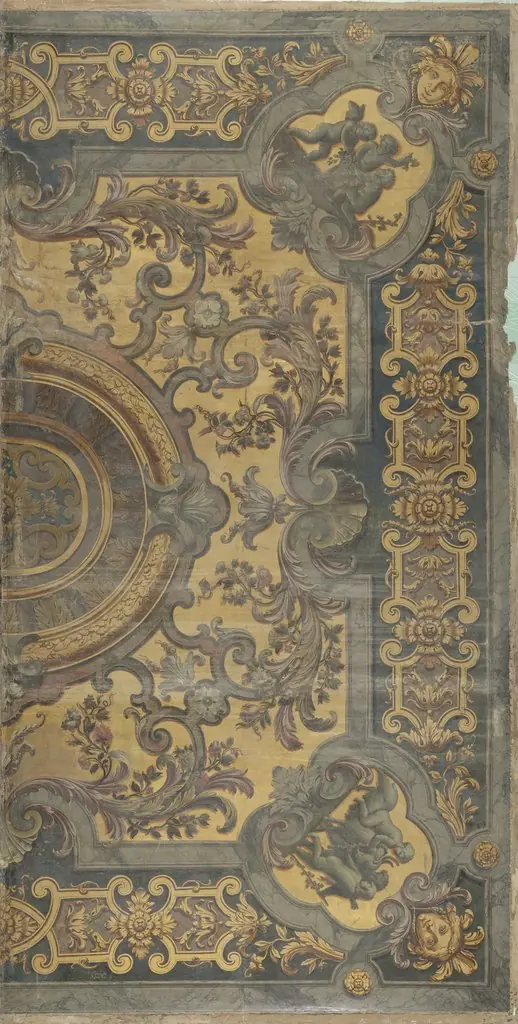 Ornamentale plafondschildering met in de hoeken voorstellingen van putti
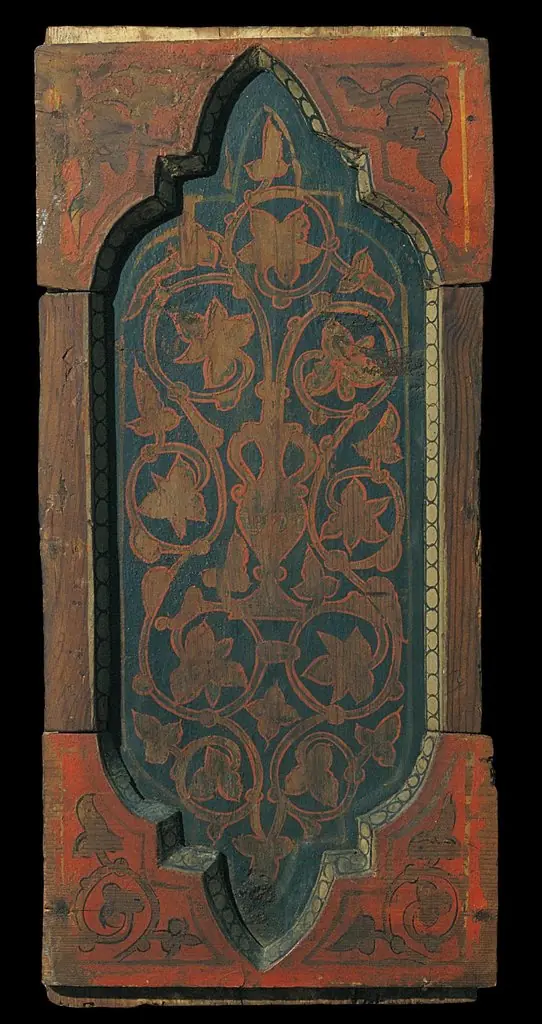 Coffered ceiling panel with plant motifs
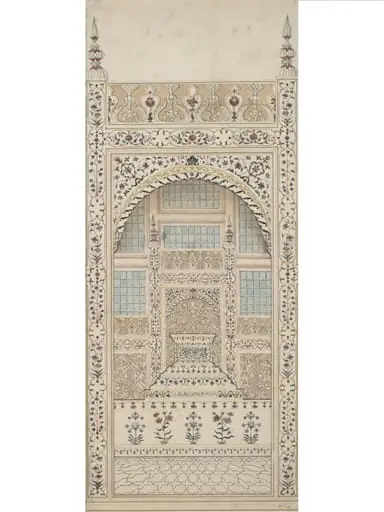 The marble screen around the cenotaphs of Shah Jahan and Mumtaz Mahal, Agra.