Artwork
Adoration of the Shepherds (fragment)
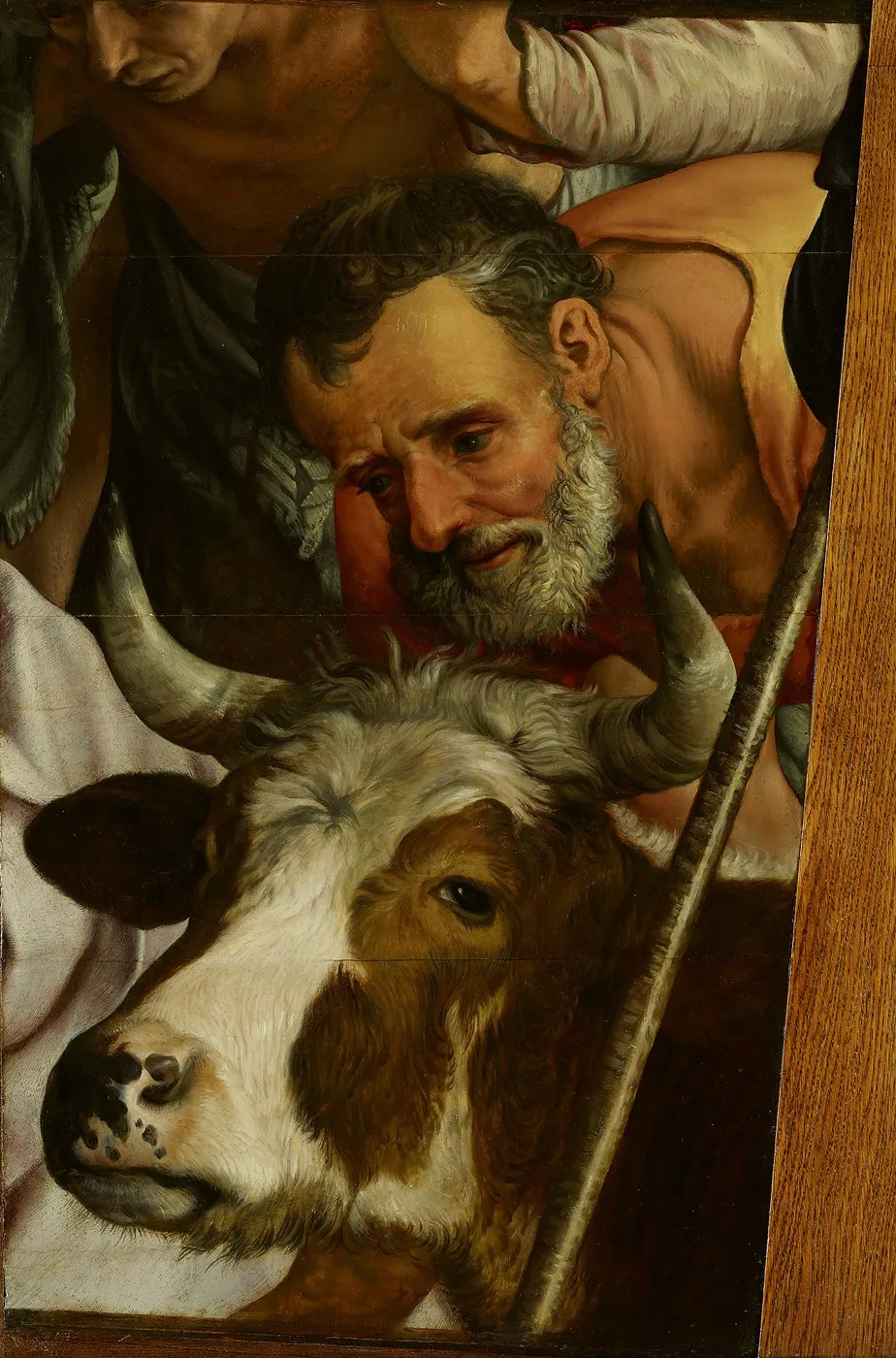
Adoration of the Shepherds (fragment) is an oil painting by the Early Baroque Italian artist Pieter Aertsen. It dates from 1559 and is held in the collection of the Rijksmuseum.
About this work
Overview
Created in 1559, the oil painting titled *Adoration of the Shepherds (fragment)* is attributed to the Dutch artist Pieter Aertsen. The work survives as a fragment of a larger composition and is part of the Rijksmuseum’s collection. It belongs to the religious genre, portraying a moment from the Nativity narrative.
Subject & Meaning
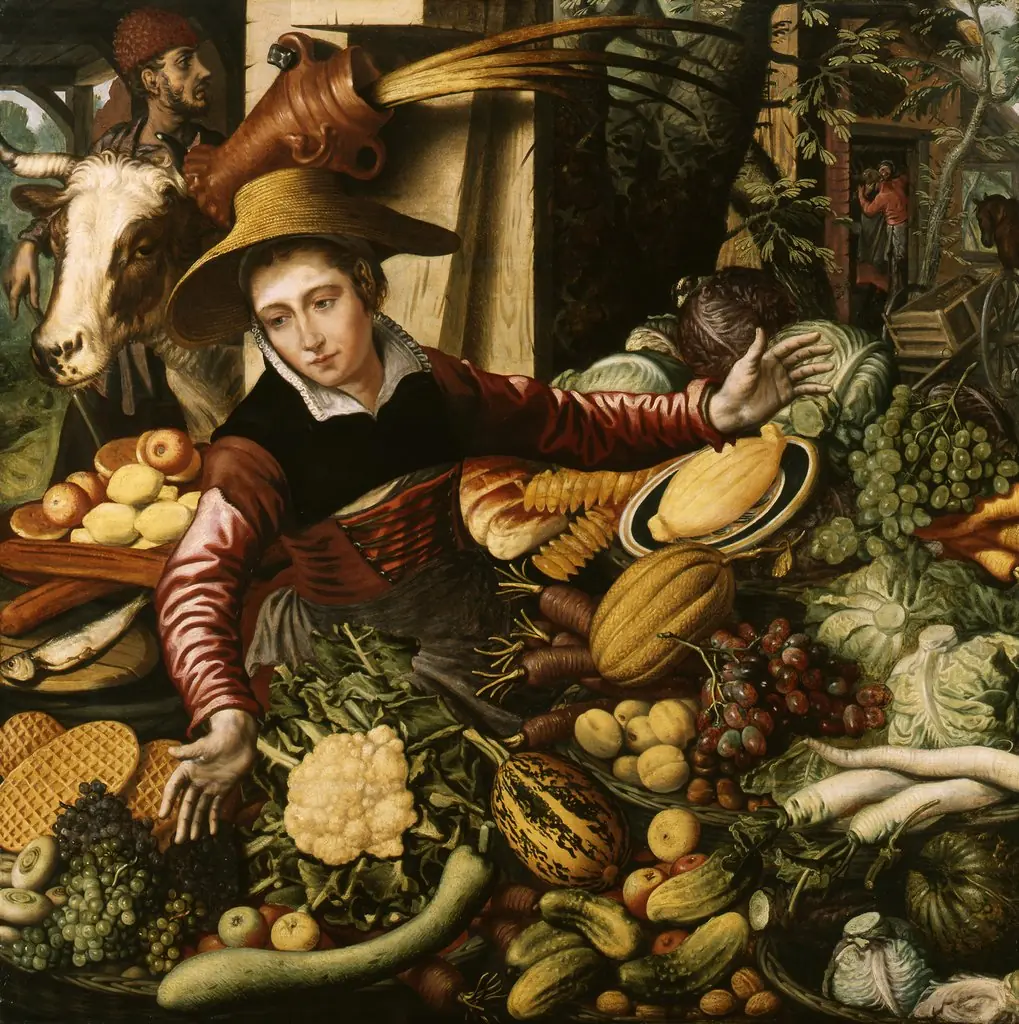
The fragment concentrates on a bearded figure gently leaning over a cow, his hand resting on the animal’s neck. A second, partially concealed figure appears behind him. The calm interaction between man and beast suggests a quiet, contemplative pause within the larger scene of the shepherds’ adoration of the infant Christ.
Technique & Style
Aertsen employs a palette of warm earth tones—browns, whites, and muted reds—applied with thick, textured brushwork. The handling of light and shadow reflects a chiaroscuro approach, giving the figures a three‑dimensional presence that aligns with the Northern Mannerist tendency toward detailed, tactile surfaces.
History & Provenance
Pieter Aertsen, active in Amsterdam and Antwerp, was known for integrating still‑life elements into biblical narratives. Although the original composition is lost, this surviving fragment entered the Rijksmuseum collection, where it remains on display as evidence of Aertsen’s early contribution to monumental genre painting.
Context
The painting sits at the crossroads of Northern Mannerism and the emerging early Baroque sensibility in Italy, illustrating how Dutch artists of the mid‑16th century began to adopt more dramatic lighting and emotional depth while retaining meticulous detail.
Artist & collection
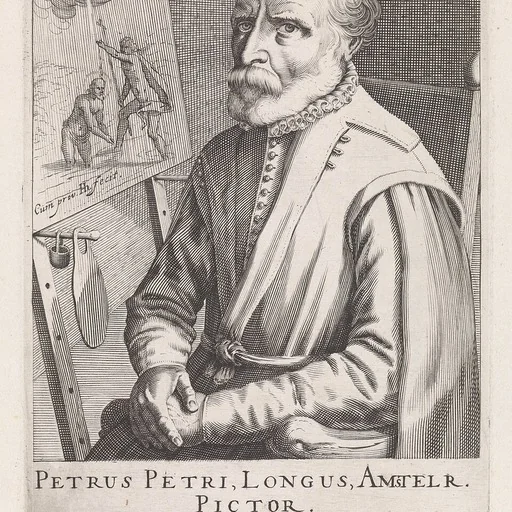
Artist
Pieter Aertsen (1508 in Amsterdam – 2 June 1575 in Amsterdam), called Lange Piet ("Tall Pete") because of his height, was a Dutch painter in the style of Northern Mannerism.