Artwork
Still Life
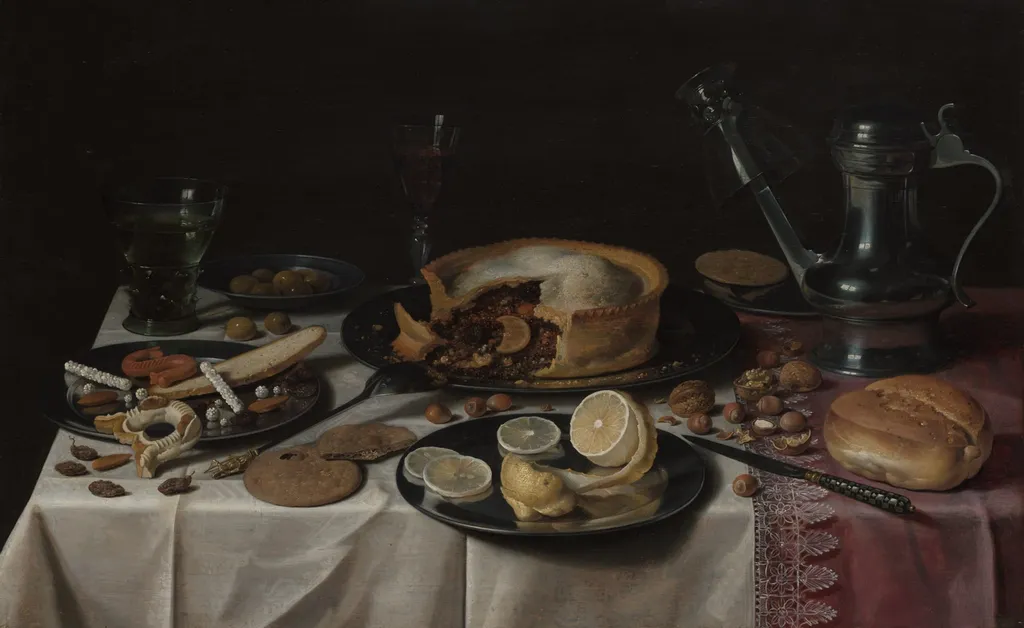
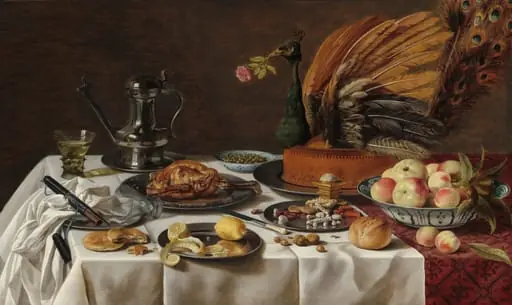
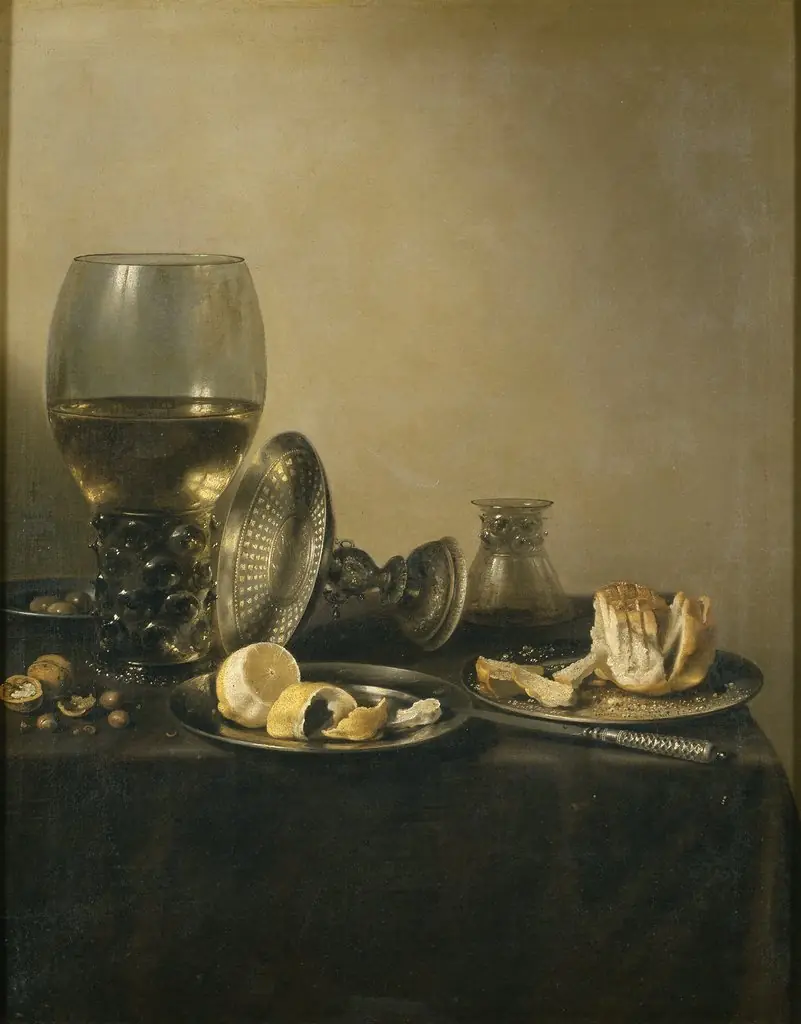
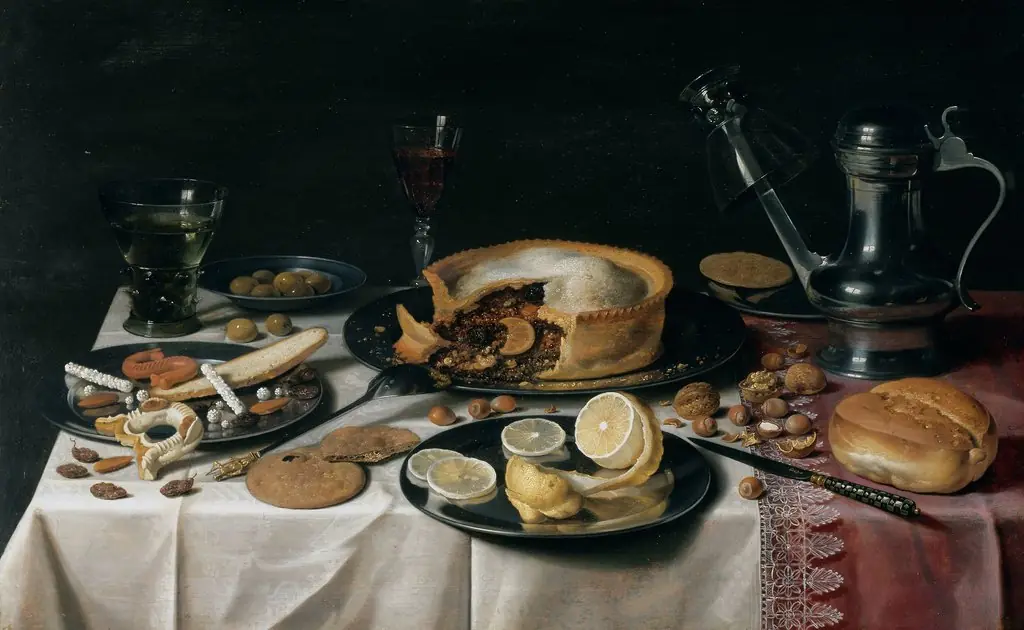
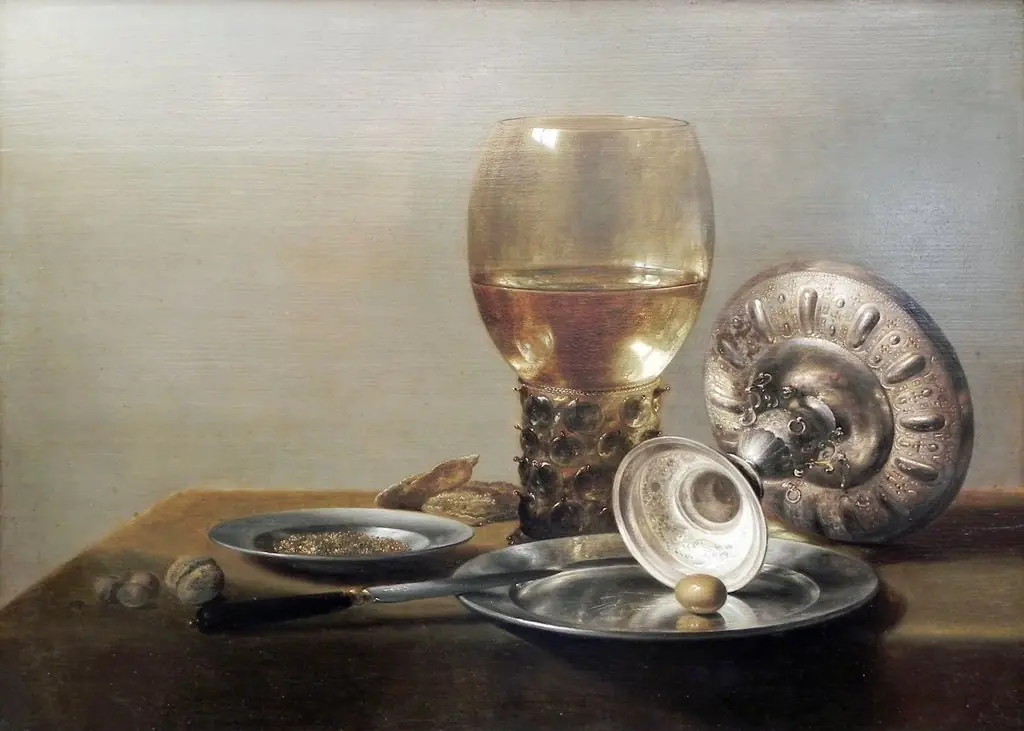
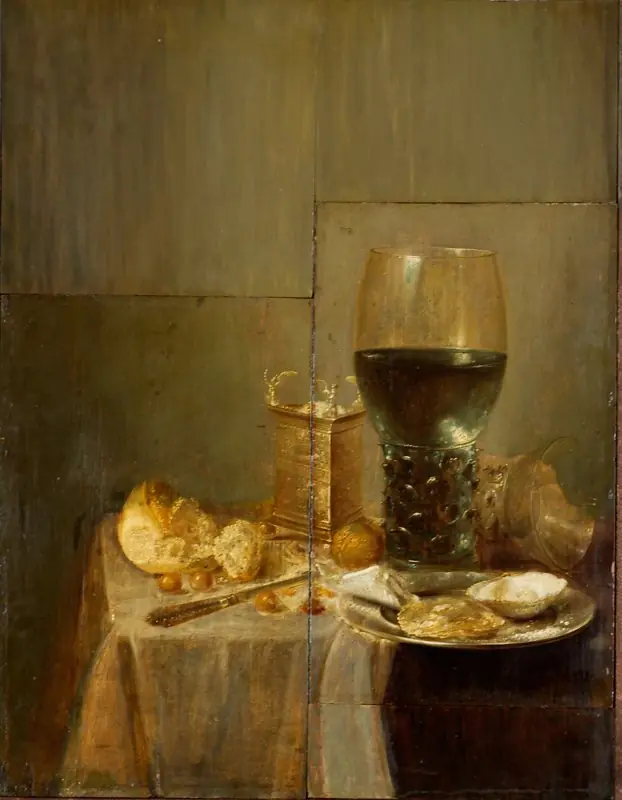
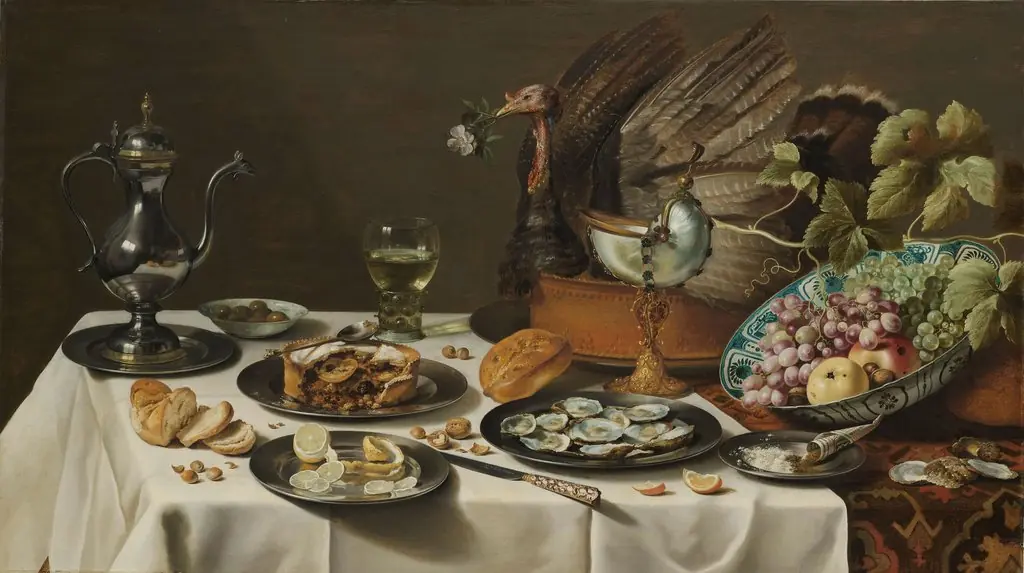
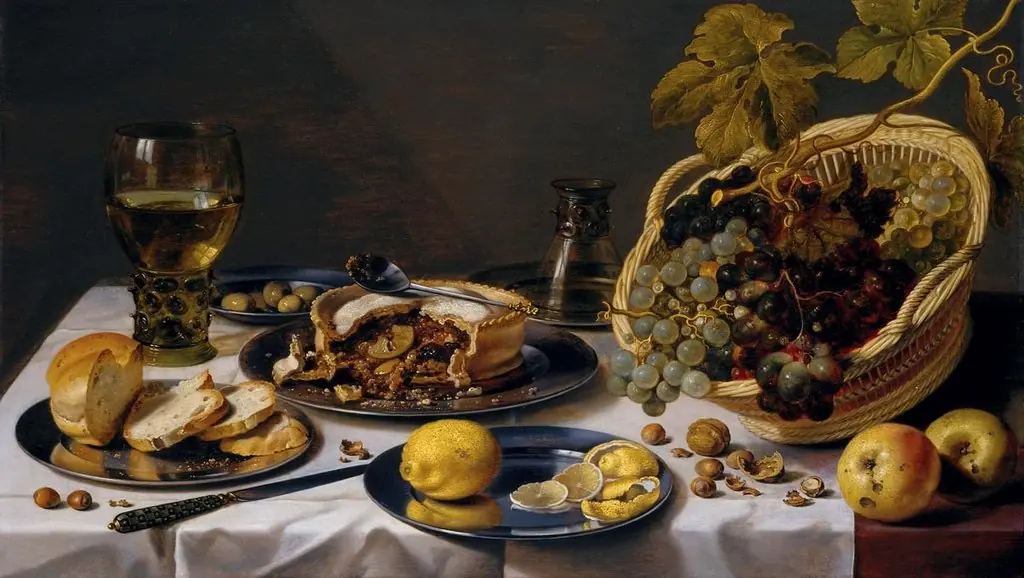
Still Life is an oil painting by the Baroque artist Pieter Claesz. It dates from 1625 and is held in the collection of the Art Institute of Chicago. Created around 1600, this oil on panel presents a meticulously arranged banquet scene.
About this work
Overview
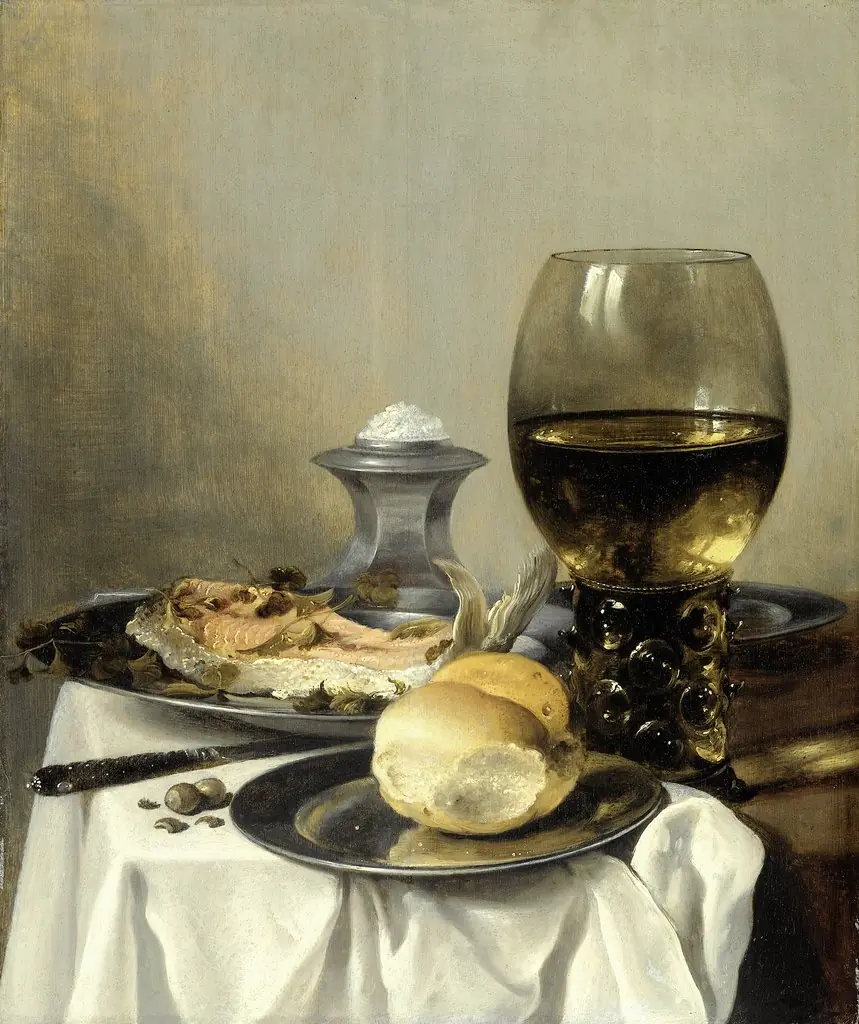
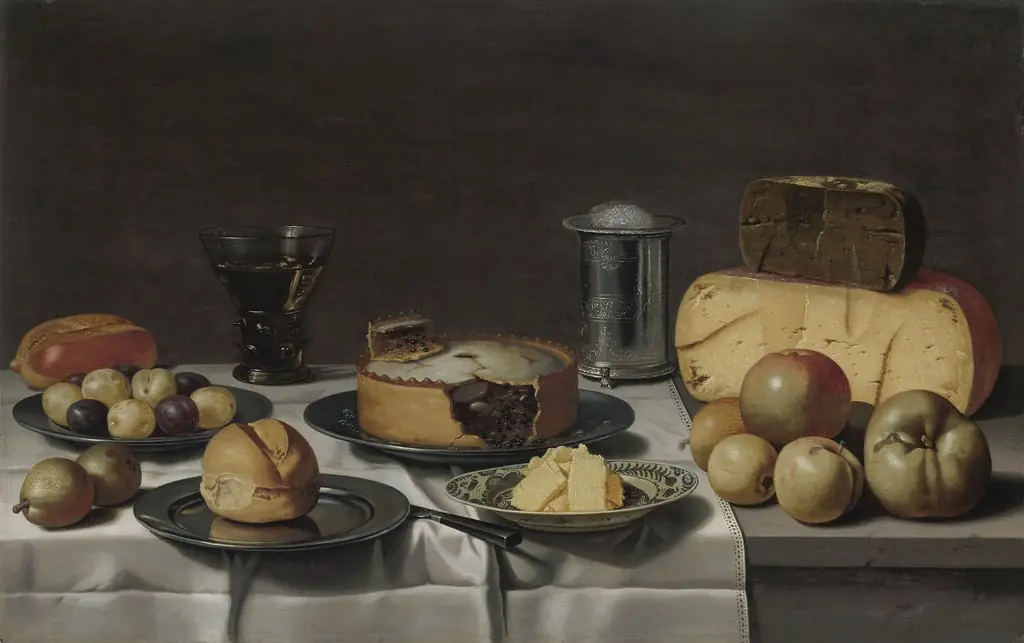
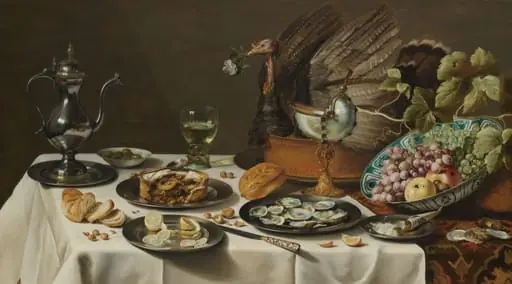
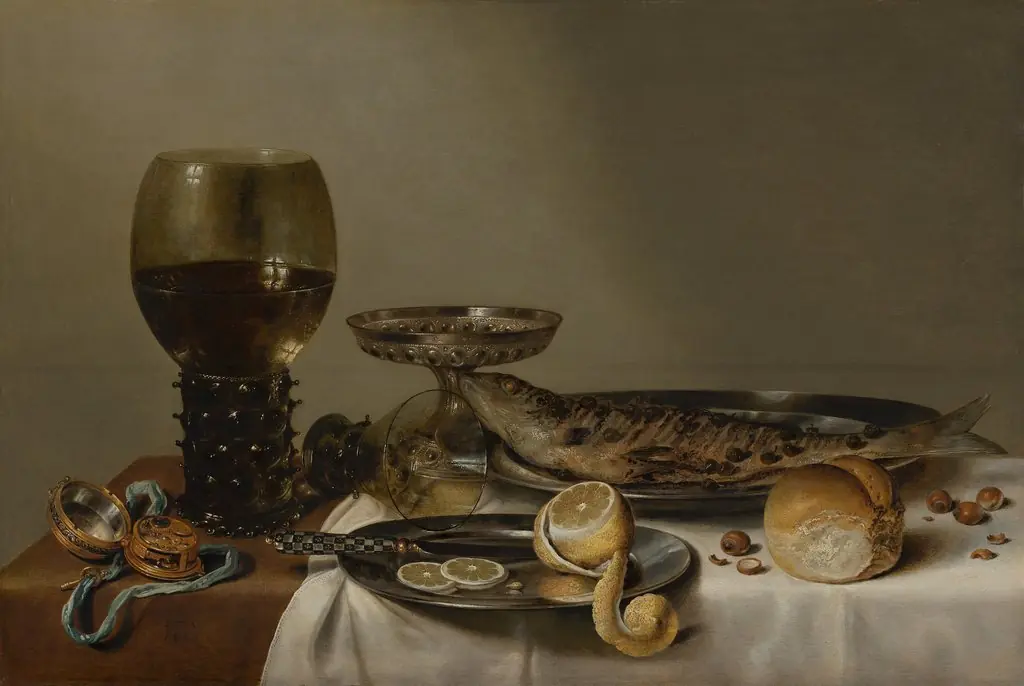
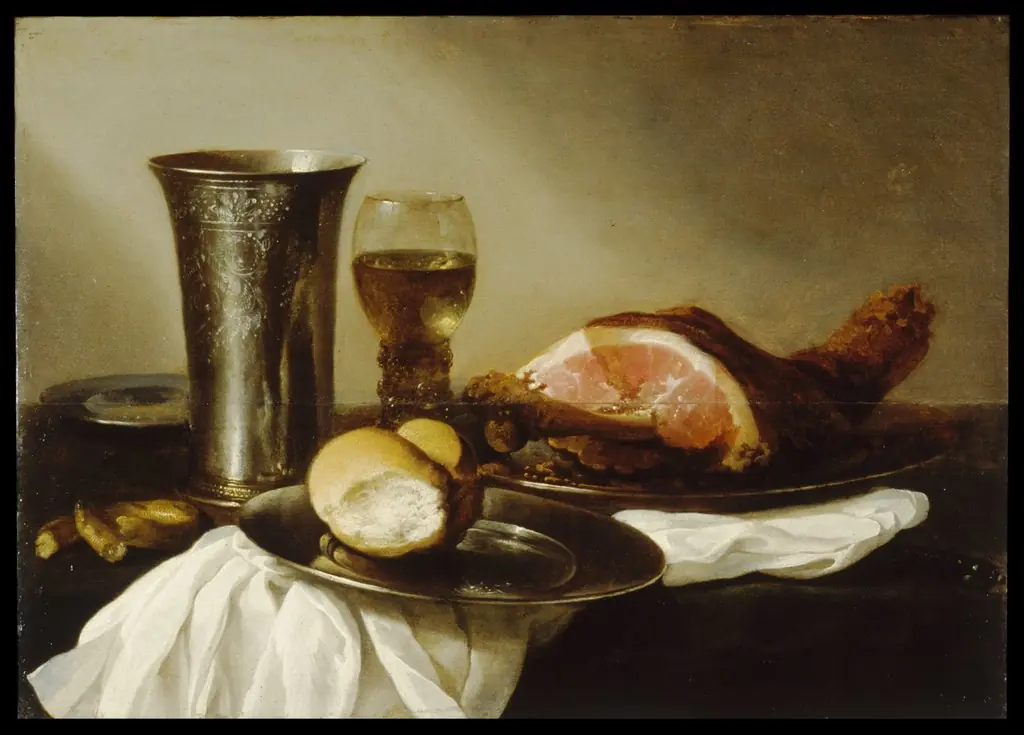
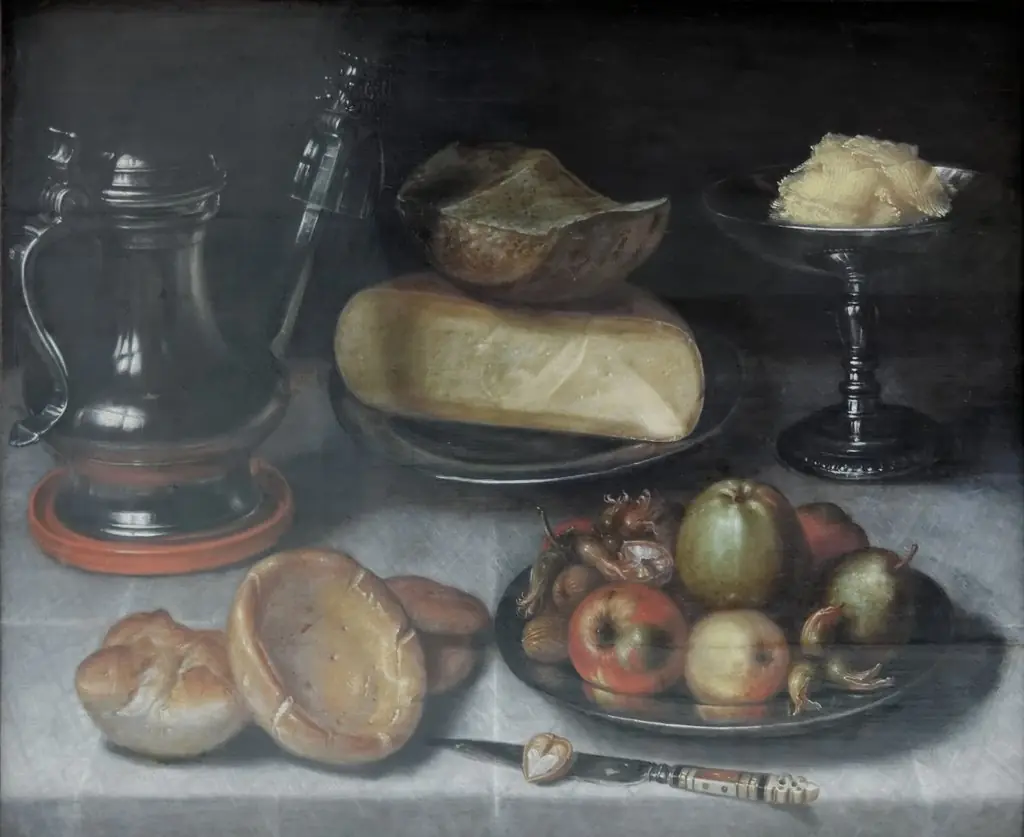
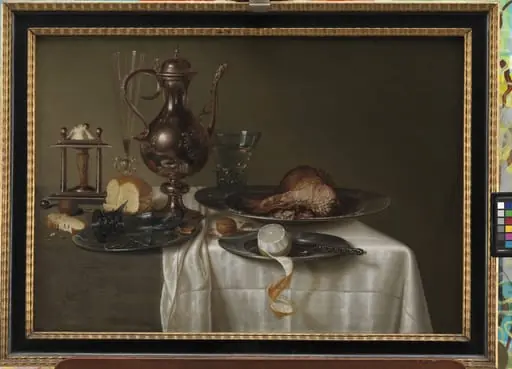
A richly draped table holds an assortment of foods and fine serving vessels, including a lemon, olives, sweetmeats, and a lace‑trimmed damask cloth.
Created around 1600, this oil on panel presents a meticulously arranged banquet scene. A richly draped table holds an assortment of foods and fine serving vessels, including a lemon, olives, sweetmeats, and a lace‑trimmed damask cloth. The composition reflects the prosperity of the Dutch Republic at the turn of the seventeenth century, when such elaborate still lifes were in demand among affluent patrons.
Subject & Meaning
The painting displays luxurious consumables poised for a feast, emphasizing material abundance. Unlike some contemporaneous works that depict spoilage to hint at the fleeting nature of wealth, the items here remain pristine, underscoring a celebration of affluence and the social status associated with the display of fine goods.
Technique & Style
Executed in oil on panel, the work employs a careful handling of light and shadow characteristic of chiaroscuro, giving depth to the textures of fruit, metal, and fabric. The precise rendering of surfaces and the subtle gradations of tone reveal the artist’s skill in capturing the tactile qualities of each object.
Context
During the Dutch Golden Age, a booming economy fostered a market for large‑scale still lifes that showcased imported delicacies and elaborate tableware. Pieter Claesz, a prominent practitioner of the banquet‑piece genre, contributed to this trend, catering to a clientele eager to affirm their prosperity through visual representations of opulent domestic settings.
Own this work as a print
Artist & collection
Artist
Pieter Claesz was born in 1596 or 1597 in Berchem, near Antwerp, and moved to Haarlem in the Dutch Republic around 1620.