Artwork
Country kermis
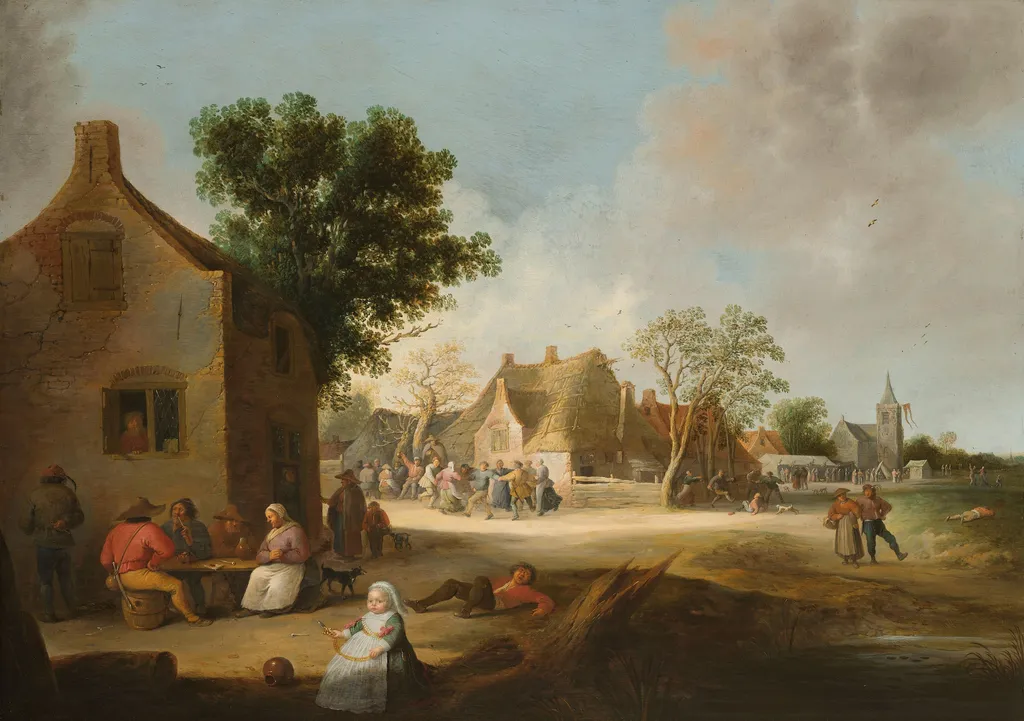
Country kermis is an oil painting by the Dutch Golden Age artist Pieter de Bloot. It dates from 1639 and is held in the collection of the Rijksmuseum.
About this work
Overview
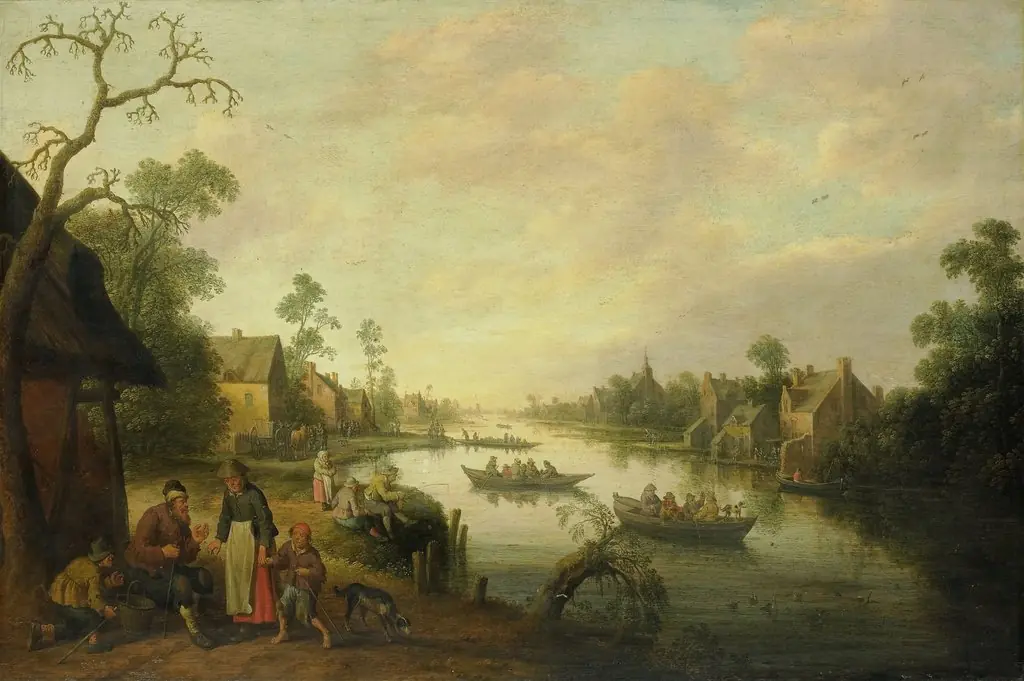
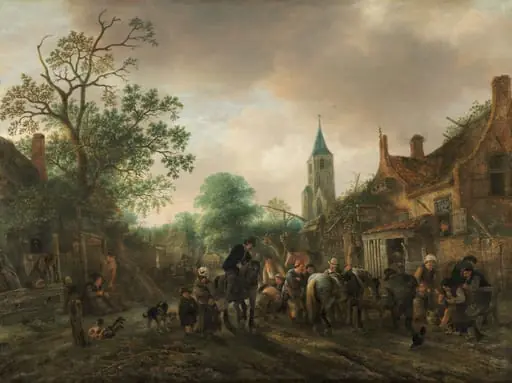
Created in 1639 by Rotterdam‑born Pieter de Bloot, *Country kermis* is an oil on canvas that belongs to the Dutch Golden Age. The work portrays a lively village square filled with figures engaged in everyday activities, set against a backdrop of thatched houses, trees and a distant church tower. The composition reflects de Bloot’s interest in rural genre scenes and peasant life.
Subject & Meaning
The painting captures a local fair or kermis, a communal celebration common in 17th‑century Dutch villages. Groups of townspeople gather around a stone building, sharing food at a table, while a young girl in a white dress holds a flower. Dancers, walkers, and idle spectators populate the scene, offering a snapshot of social interaction, leisure, and the rhythms of countryside life.
Technique & Style
De Bloot employs a muted palette of soft earth tones, allowing the subtle play of light to highlight figures and architectural details. Careful brushwork renders textures—from the rough stone façade to the thatched roofs—while the illumination creates a gentle contrast between sun‑lit areas and shaded corners, enhancing the sense of depth and daily realism.
History & Provenance
The work has remained in the Netherlands since its creation, eventually entering the collection of the Rijksmuseum in Amsterdam. As part of the museum’s holdings of Dutch Golden Age genre paintings, it contributes to the broader understanding of 17th‑century visual culture and de Bloot’s oeuvre, which focused on landscape and peasant subjects throughout his career.
Own this work as a print
Artist & collection
Artist
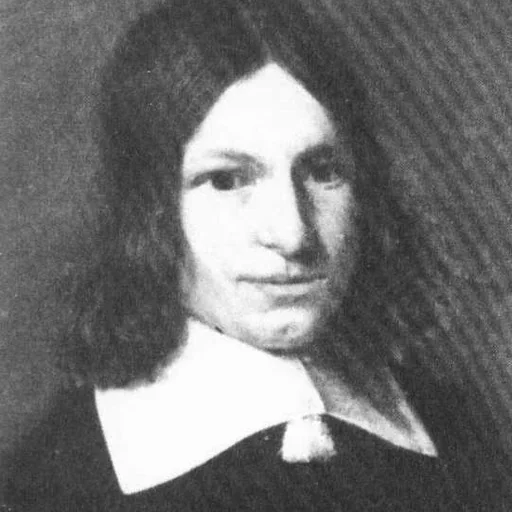
Pieter de Bloot (1601 – c. 6 November 1658) was a Dutch painter. De Bloot, who was born and died in Rotterdam, primarily painted landscapes and genre works, especially of countryside views and peasant subjects. He also…