Artwork
Portret van Willem III, koning der Nederlanden
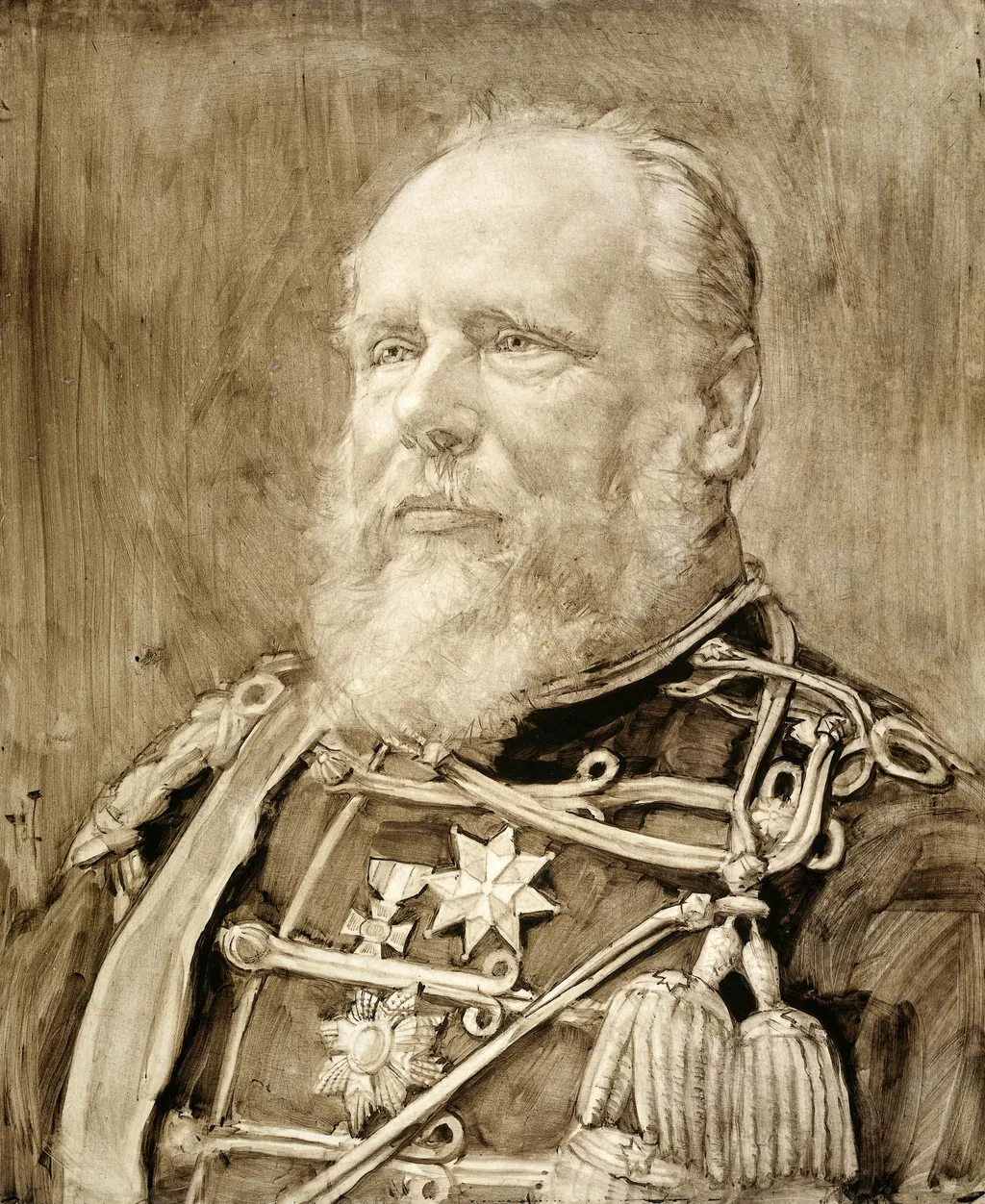
Portret van Willem III, koning der Nederlanden is a ceramic painting by the Post-Impressionist artist Pieter de Josselin de Jong. It dates from 1894 and is held in the collection of the Rijksmuseum. Created in 1894, this earthenware portrait presents King William III of the Netherlands.
About this work
Overview
Created in 1894, this earthenware portrait presents King William III of the Netherlands. Executed by Dutch artist Pieter de Josselin de Jong, the work is part of the Rijksmuseum’s collection. The composition focuses tightly on the monarch’s face, emphasizing his white beard, solemn gaze, and the richly adorned uniform he wears.
Subject & Meaning
The sitter, William III, reigned as king of the Netherlands from 1849 to 1890. By portraying him in full regalia—medals, stars, and ribbons—the portrait underscores his military and civic honors, reflecting the 19th‑century emphasis on royal authority and national identity.
Technique & Style
Unlike conventional oil paintings, the piece is modeled in earthenware, a type of fired clay. The surface retains a tactile, slightly rough quality, suggesting the artist left the material’s natural texture visible rather than polishing it smooth. This approach gives the portrait a sculptural presence while still functioning as a painted image.
History & Provenance
Pieter de Josselin de Jong, known for experimenting with unconventional media, produced the work shortly after William III’s death. It entered the Rijksmuseum’s holdings as part of the museum’s effort to document Dutch royal portraiture, where it remains on display as an example of late‑19th‑century material innovation.
Own this work as a print
Artist & collection
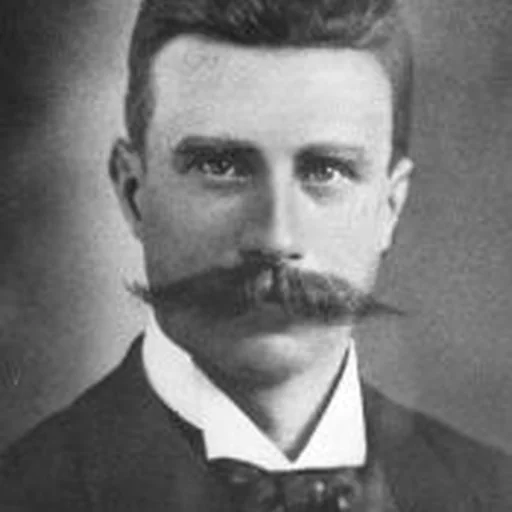
Artist
Pieter de Josselin de Jong (1861–1906) was an artist, born in Sint-Oedenrode.