Artwork
Portrait of Frederik van Oranje- Nassau (1774-1799)
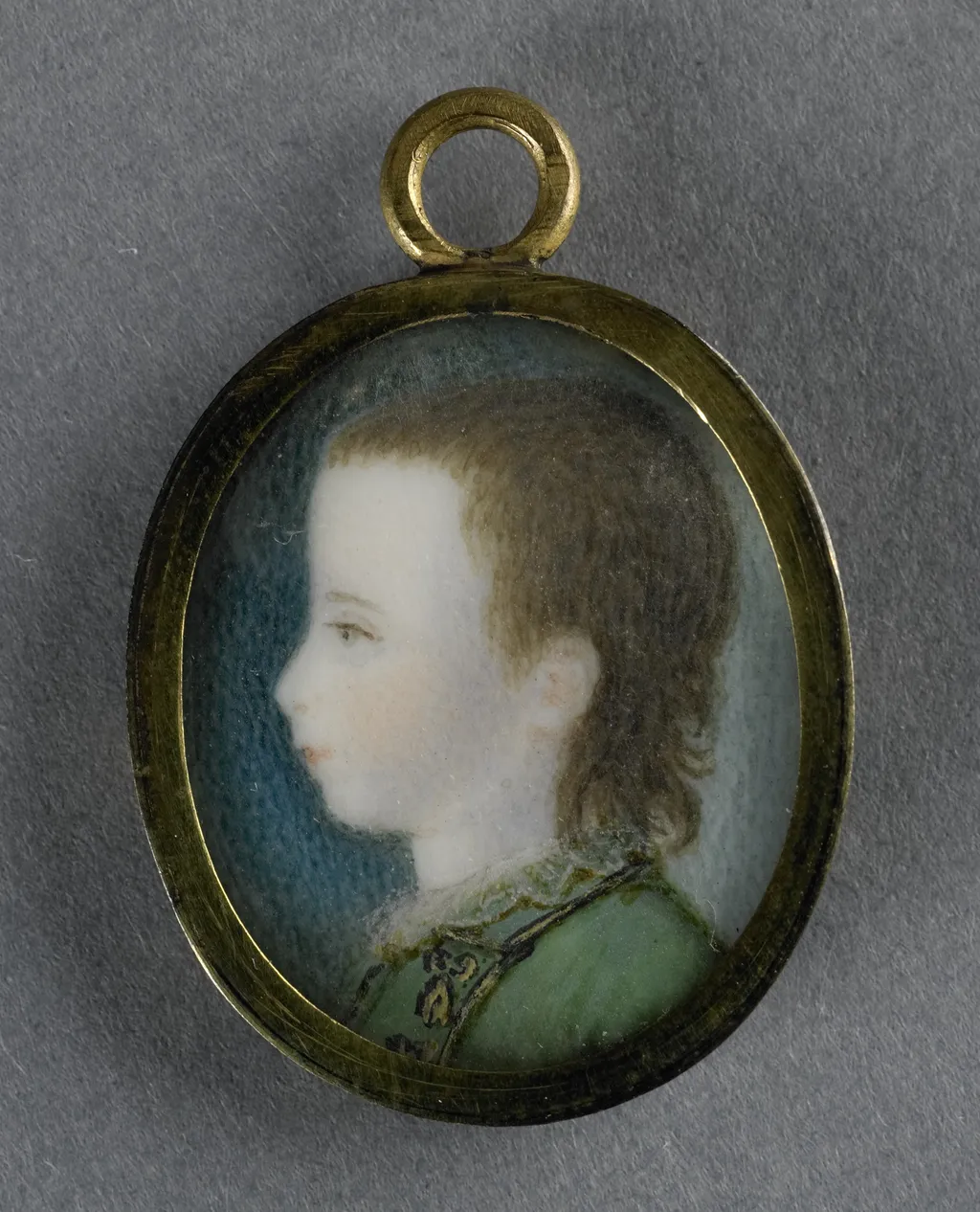
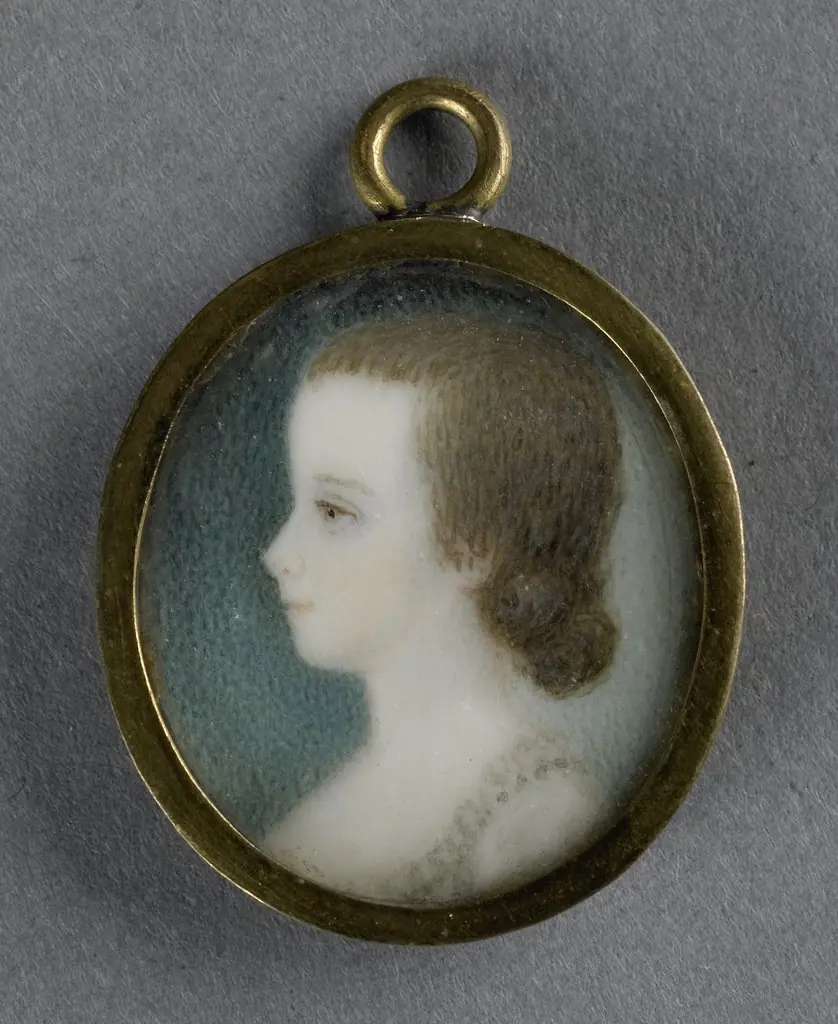
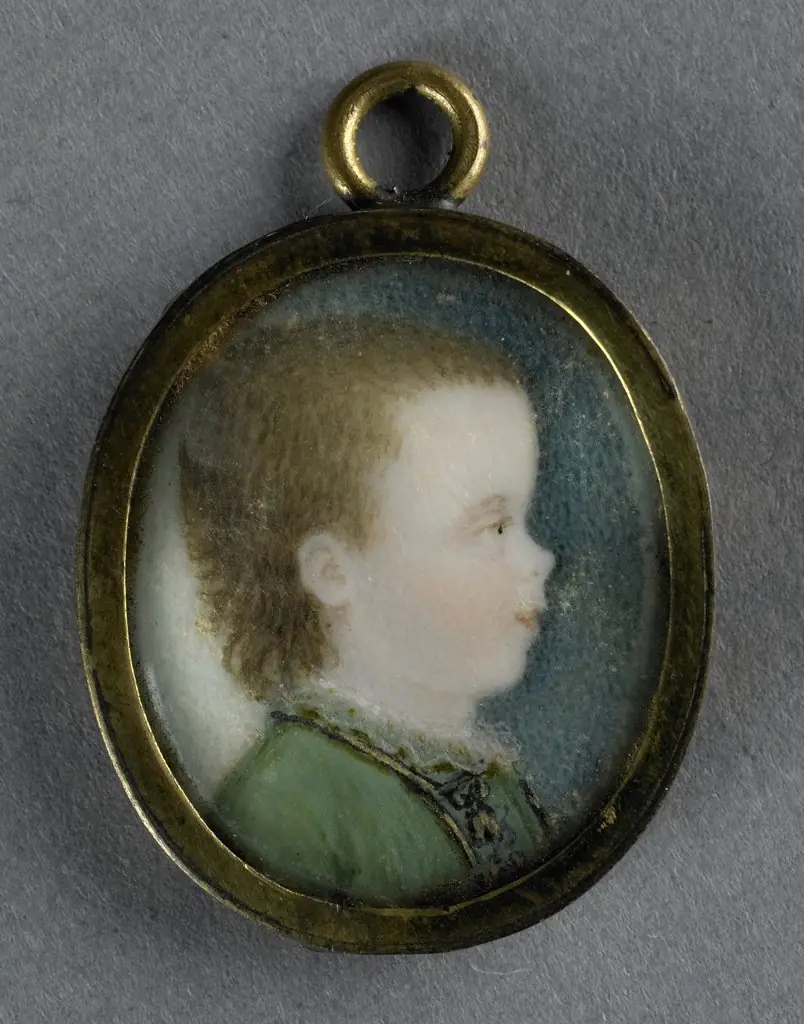
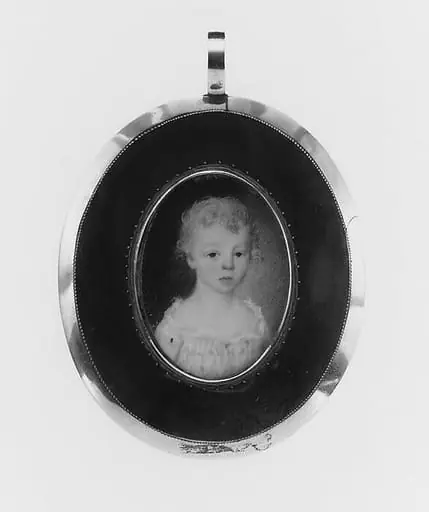
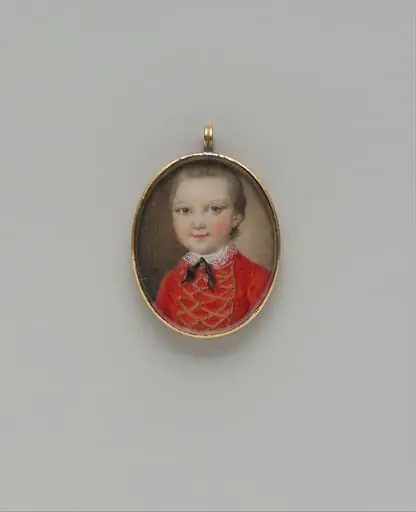
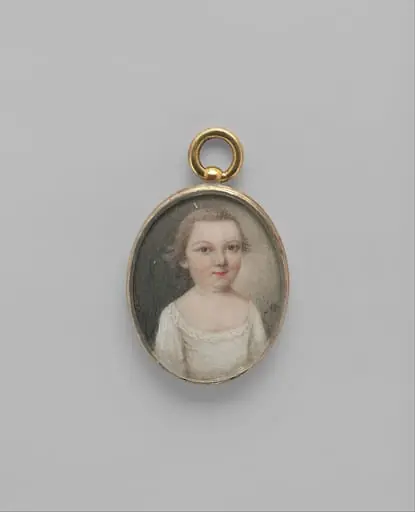
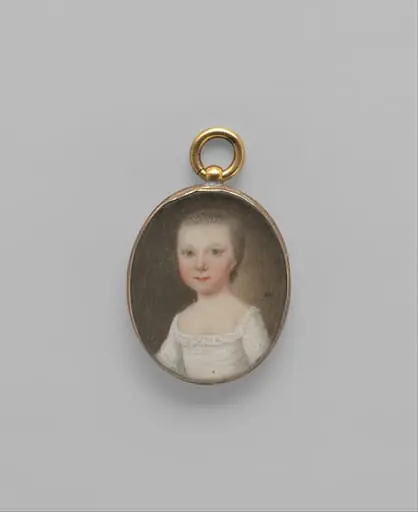
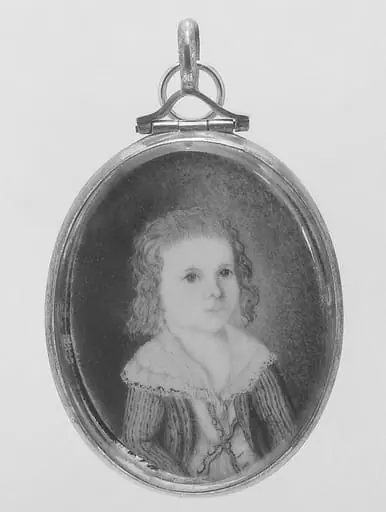
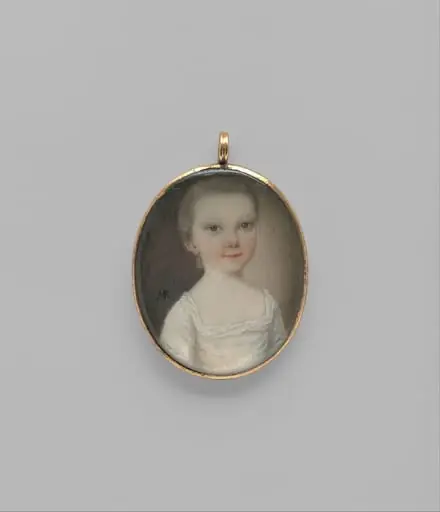
Portrait of Frederik van Oranje- Nassau (1774-1799) is an ivory painting by the Rococo painting artist Pieter le Sage. It dates from 1789 and is held in the collection of the Rijksmuseum.
About this work
Overview
Created in 1789 by the Dutch painter Pieter le Sage, this intimate portrait presents a young member of the House of Orange-Nassau. Executed on a small ivory panel and set within a circular metal frame, the work is part of the Rijksmuseum’s collection and exemplifies late‑18th‑century court portraiture.
Subject & Meaning
The sitter is Frederik van Oranje‑Nassau, born in 1774, who would later become William I of the Netherlands. The composition focuses on his youthful face, rendered with a gentle realism that conveys both his aristocratic status and the tender age of the child.
Technique & Style
Le Sage employed delicate oil paints on ivory, a medium favored for its smooth surface and luminous quality. The palette is restrained, using soft flesh tones, a light‑colored coat, and a muted green backdrop with barely discernible tree silhouettes. Fine brushwork creates a smooth finish, emphasizing the sitter’s skin and hair.
History & Provenance
The portrait was completed when Frederik was fifteen and entered the Dutch royal collection shortly thereafter. It remained in the family’s holdings before being transferred to the Rijksmuseum, where it has been displayed as part of the museum’s representation of Dutch portraiture.
Context
The late 1780s were a period of political tension in the Dutch Republic, with the House of Orange‑Nassau navigating shifting power dynamics. Portraits of young heirs served to reinforce dynastic continuity and public legitimacy, a function reflected in this intimate yet formal depiction.
Artist & collection