Artwork
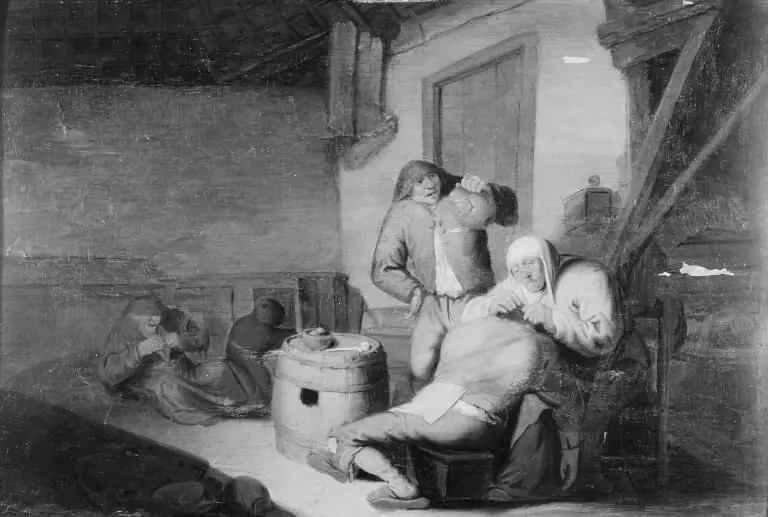
Häusliche Szene
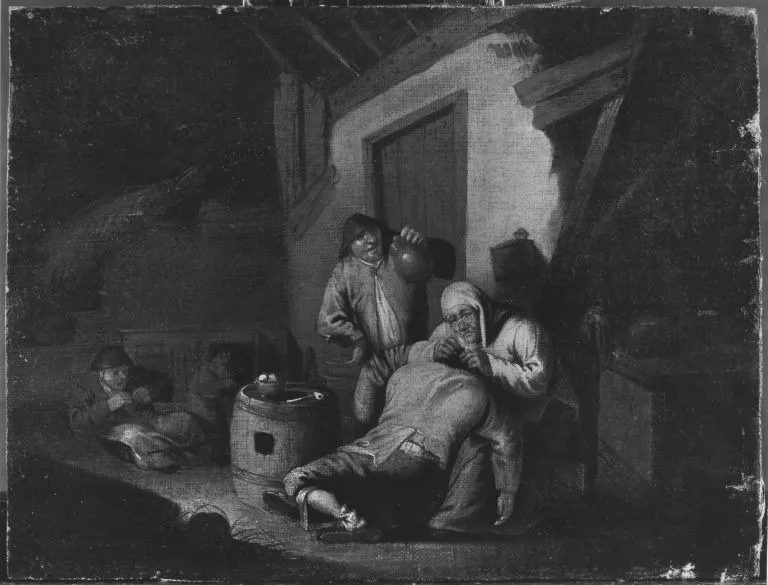
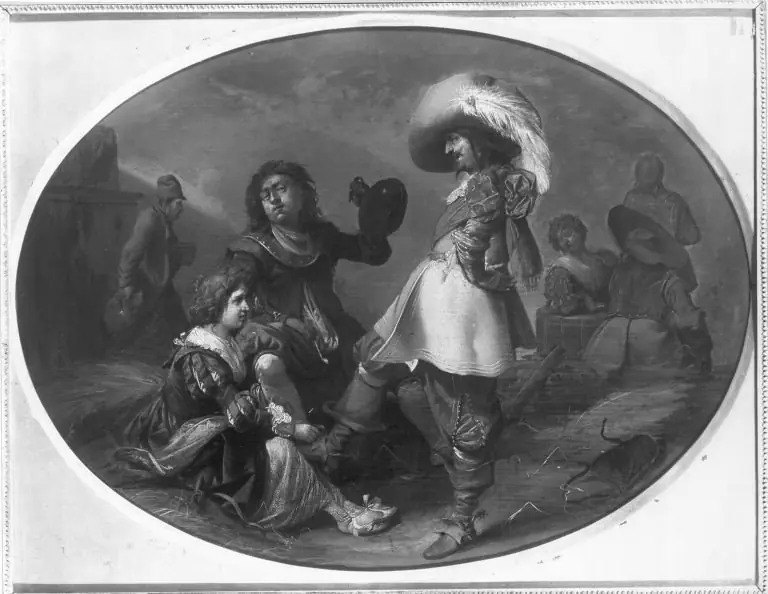
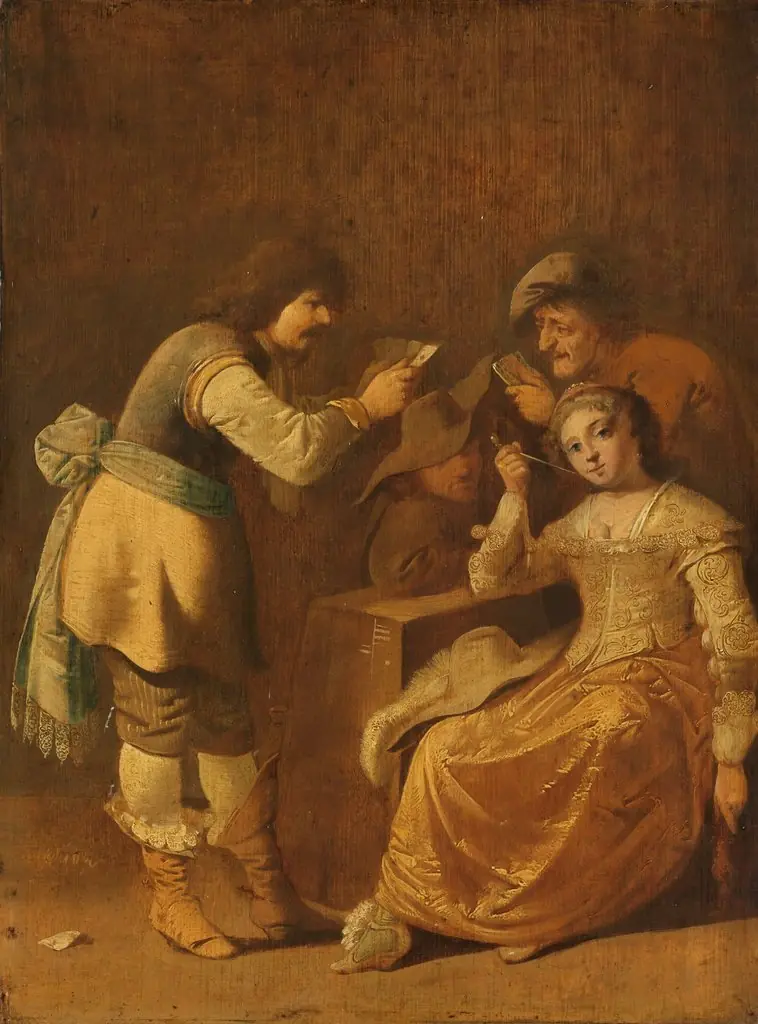
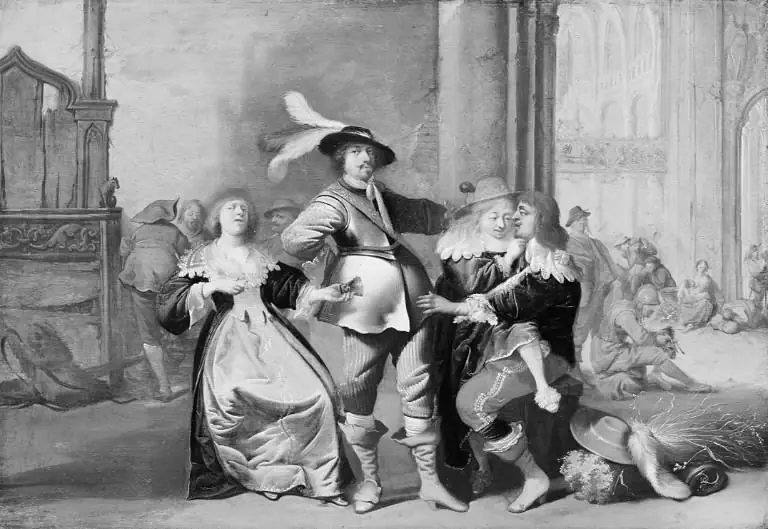
Häusliche Szene is an unspecified painting by the Dutch Golden Age artist Pieter Quast. It dates from 1626 and is held in the collection of the Bavarian State Painting Collections.
About this work
Overview
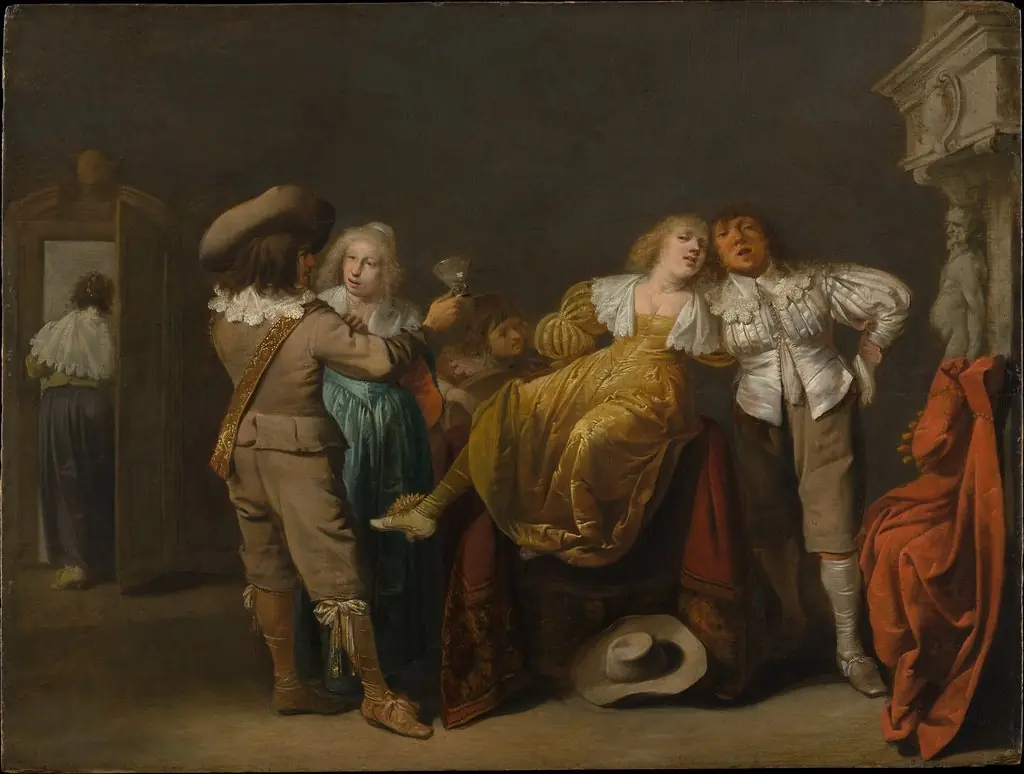
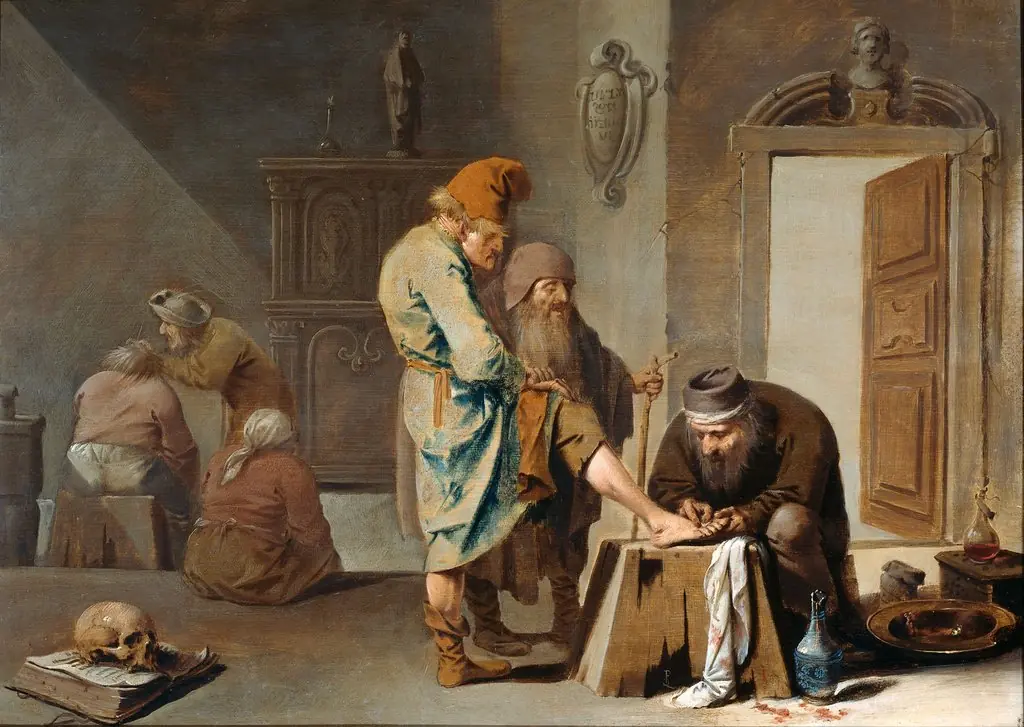
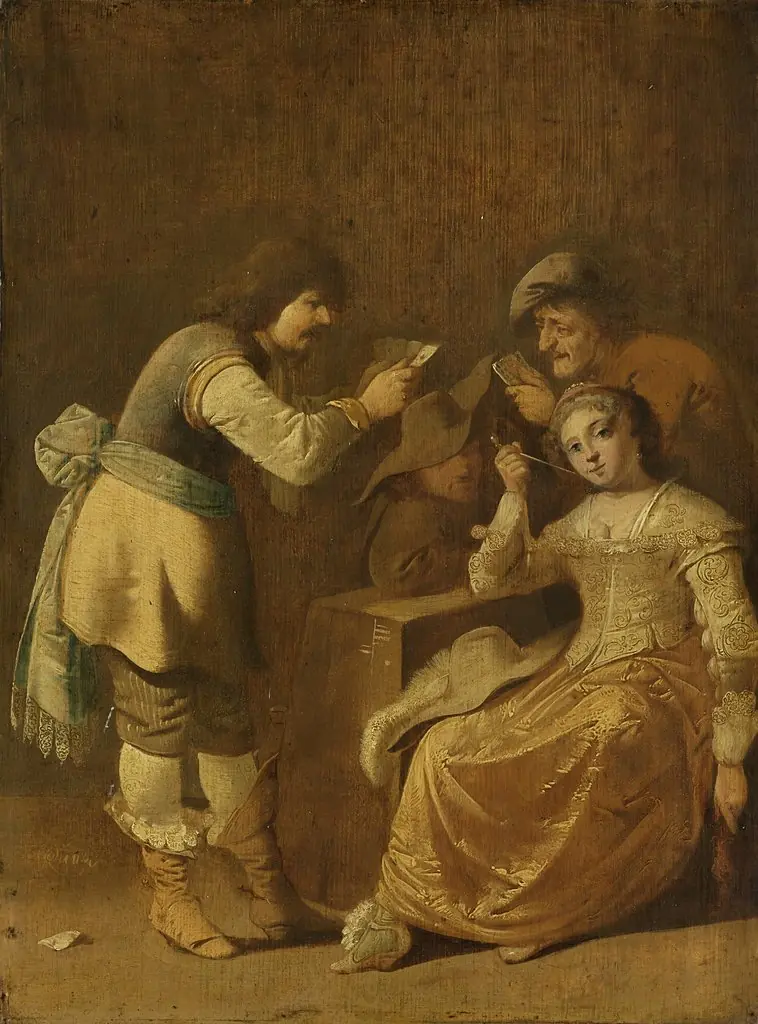
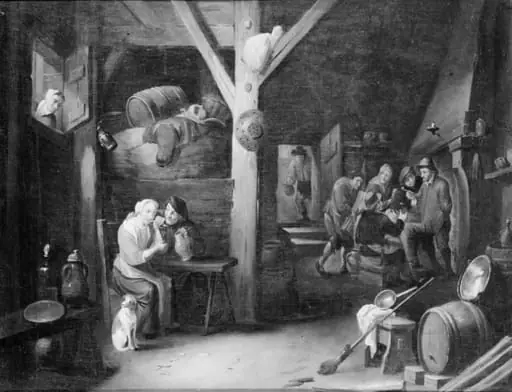
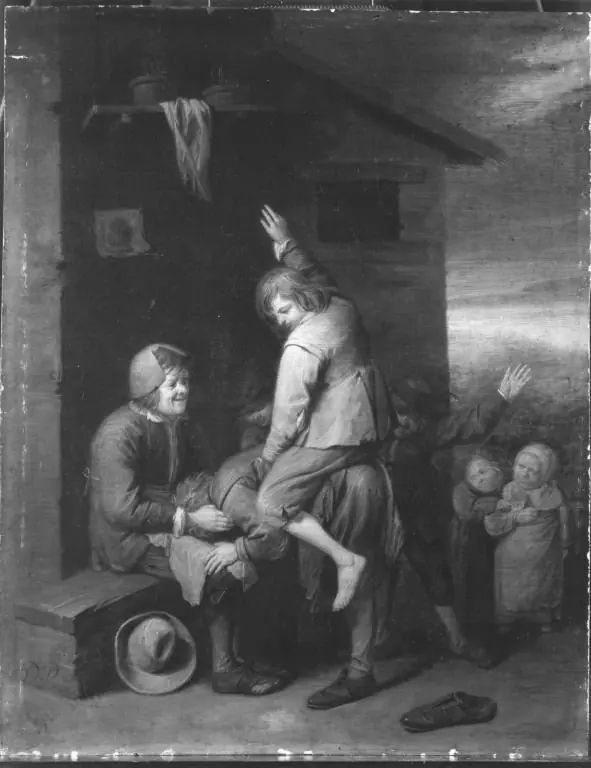
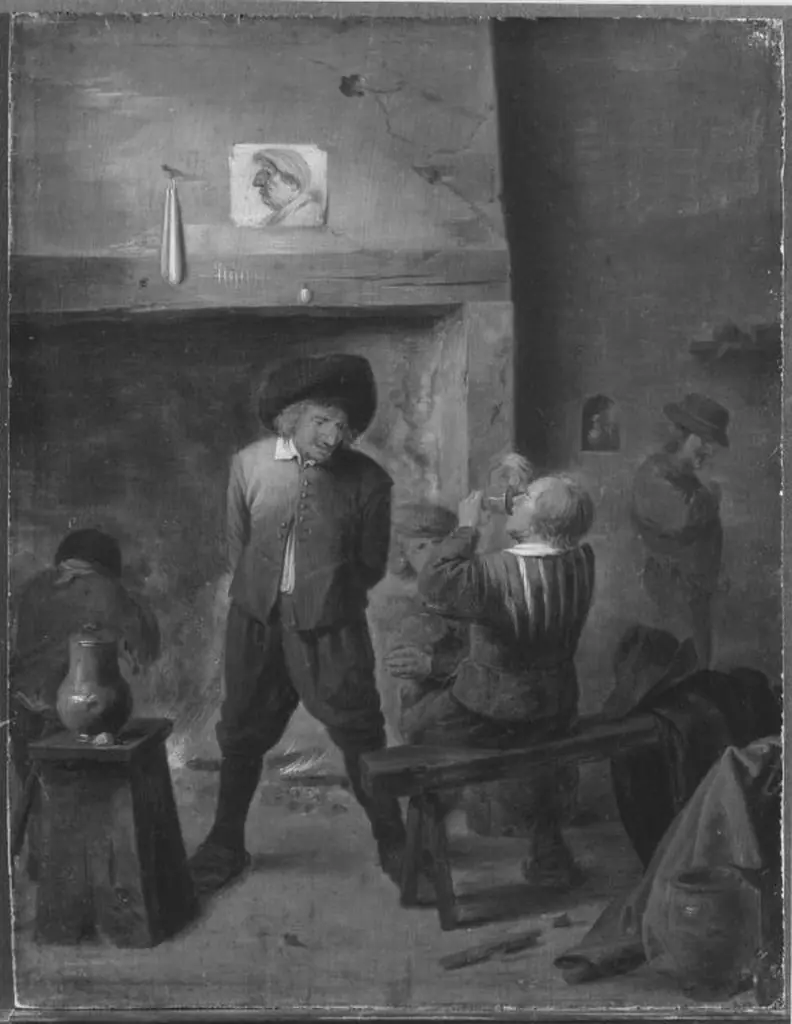
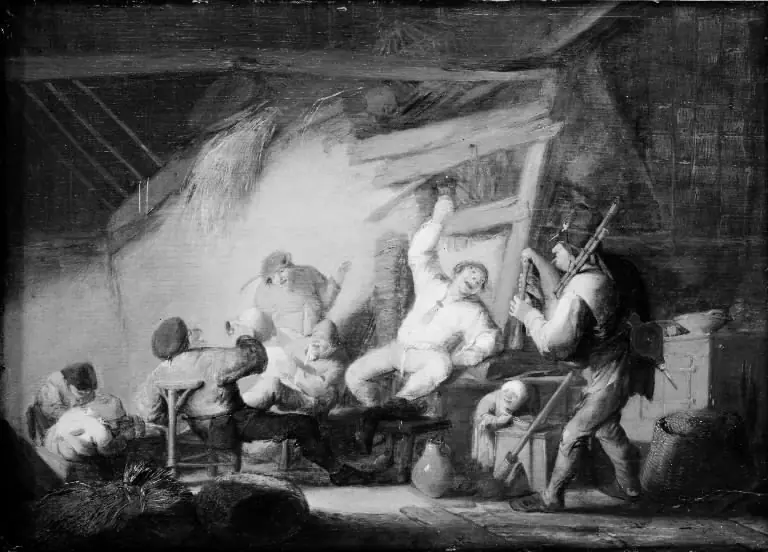
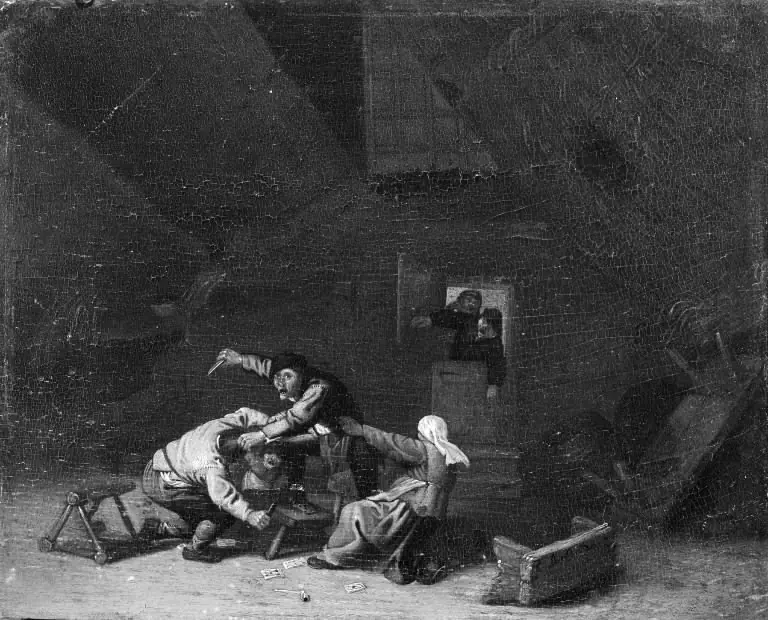
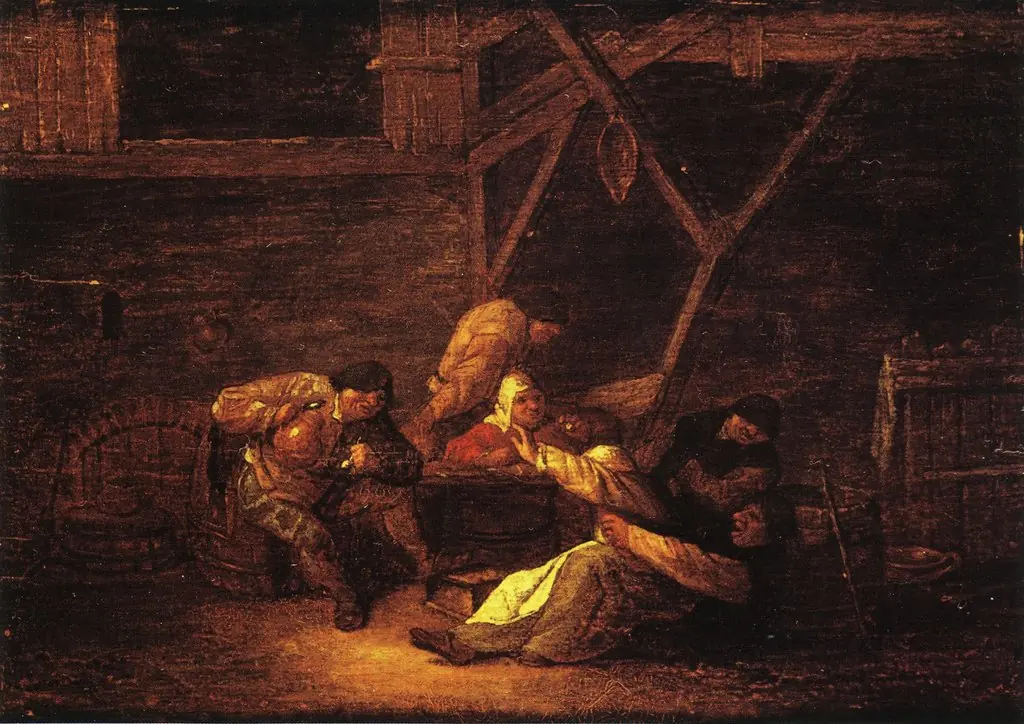
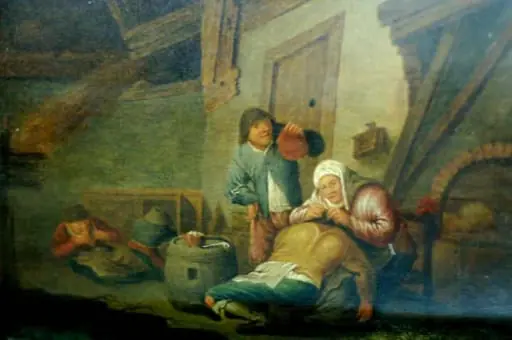
Häusliche Szene, created by Dutch Golden Age artist Pieter Quast in 1626, is a painting housed in the Alte Pinakothek. It captures a domestic interior scene with figures in a dimly lit room, characterized by a somber and contemplative atmosphere.
Subject & Meaning
The painting depicts an intimate, possibly poignant, moment with one figure reclining on the floor and another seated nearby. Surrounding objects, such as a barrel and jug, suggest everyday life, yet the overall tone implies a deeper, more subdued narrative.
Technique & Style
Quast employed chiaroscuro, with light from a window on the right, to achieve depth and contrast. This dramatic lighting, combined with the old-fashioned attire of the figures, aligns with the stylistic tendencies of the Dutch Golden Age.
History & Provenance
Created in 1626, Häusliche Szene is a product of the Dutch Golden Age. Its current location is the Alte Pinakothek, indicating its recognition as a significant work of the period.
Context
While Quast is known for portraits and sculpture, Häusliche Szene reflects the broader Dutch Golden Age interest in domestic scenes. The use of chiaroscuro links it to European artistic innovations of the time, notably prefiguring or contemporaneous with Caravaggio's influences.
Legacy
As part of the Alte Pinakothek's collection, Häusliche Szene contributes to the museum's representation of Dutch Golden Age art. Its somber, introspective quality and technical merits make it a point of study for those interested in the period's domestic genre paintings.
Artist & collection
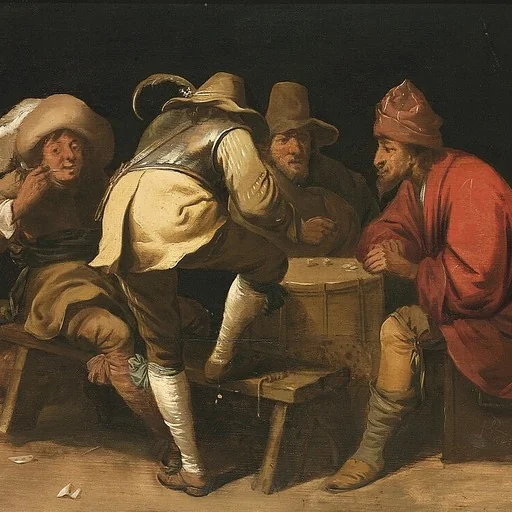
Artist
Pieter Jansz. Quast (bap. 17 April 1605 – buried 29 May 1647) was a Dutch Golden Age painter, draughtsman of portraits and sculptor.