Artwork
Shipyard
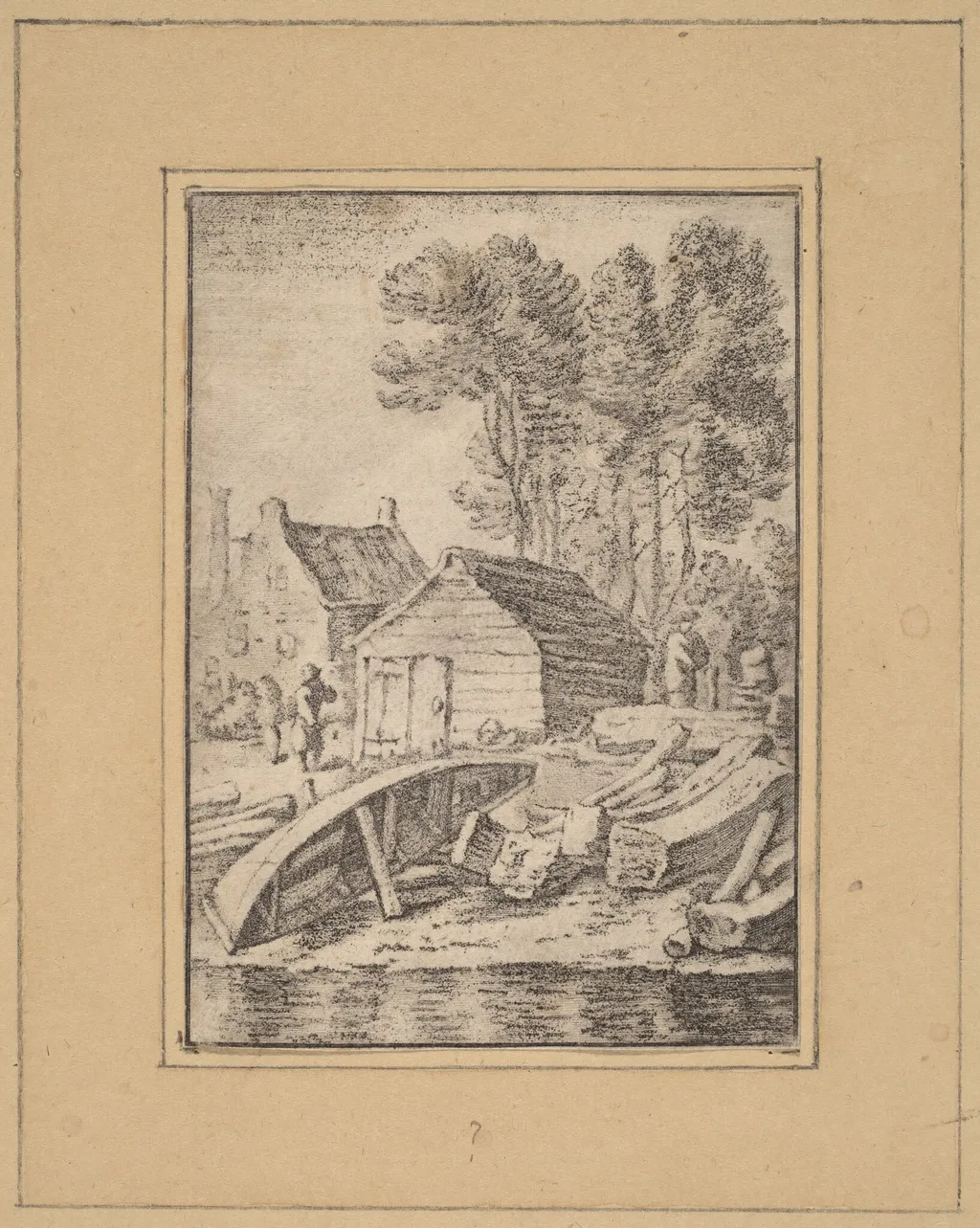
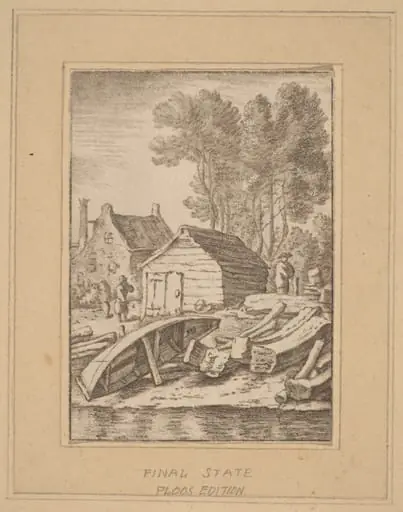
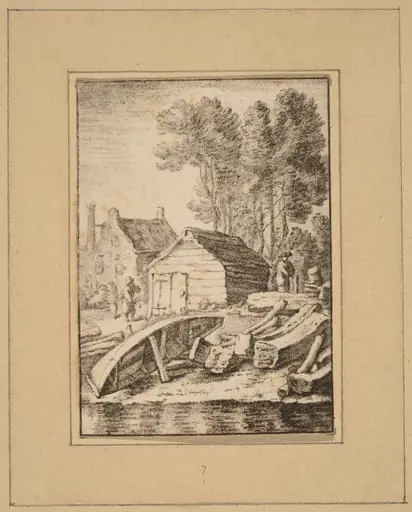
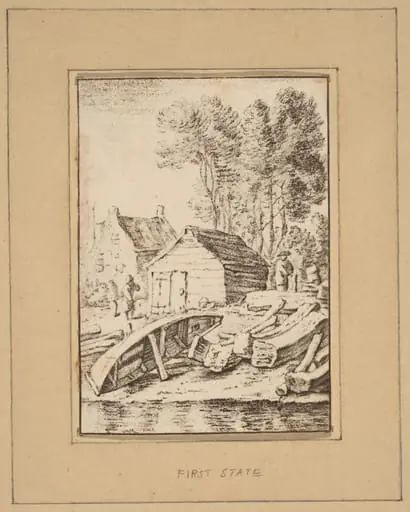
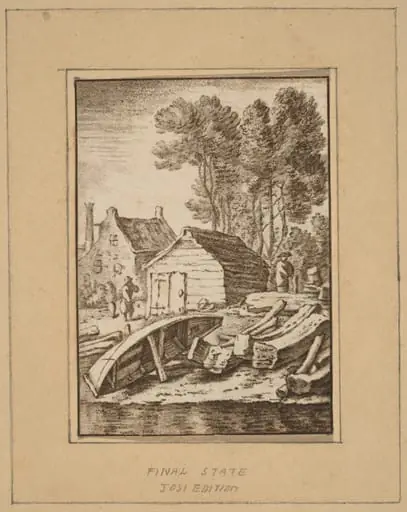
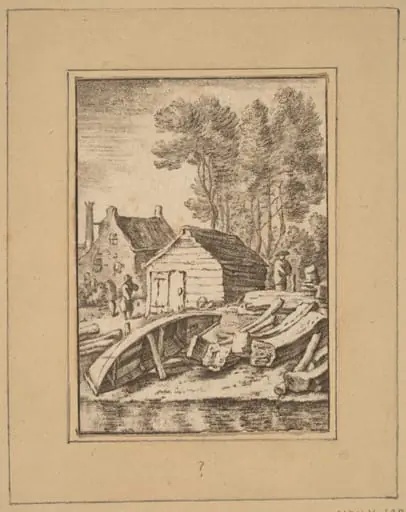
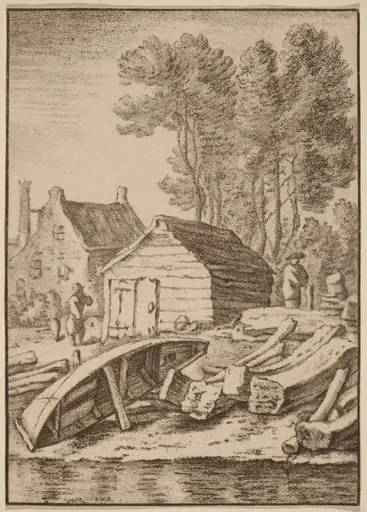
Shipyard is a chalk print by the Romanticist artist Jacobus Buys. It dates from 1761 and is held in the collection of the National Gallery of Art.
About this work
Overview
Created in 1761 by Cornelis Ploos van Amstel, this print depicts a tranquil shipyard scene rendered in black ink on laid paper. The artist combined chalk with etched hatching to achieve subtle tonal variation, avoiding solid blacks in favor of delicate, layered lines that suggest form and texture without color.
Subject & Meaning
The scene captures a quiet moment in a working shipyard: a wooden structure near the water’s edge, a vessel resting on a dry dock, and a few figures moving about. No grand narrative is present—instead, the focus lies in the ordinary rhythms of labor and the stillness of the environment, reflecting an observational approach to daily life.
Technique & Style
Ploos van Amstel employed a mixed technique of chalk and etched hatching, using fine parallel lines to build shadow and volume. The absence of solid ink areas creates a muted, atmospheric effect. Cross-hatching adds depth without harsh contrast, resulting in a softly modeled image that emphasizes texture over dramatic lighting.
History & Provenance
The print originates from the Dutch artistic tradition of topographical and maritime observation in the 18th century. While specific ownership history is not documented, its production aligns with the period’s interest in recording industrial and nautical environments with precision and restraint.
Context
During the mid-1700s, Dutch artists increasingly turned to scenes of labor and infrastructure as subjects worthy of artistic attention. Shipyard imagery, though not monumental, reflected broader cultural values of order, utility, and quiet diligence, often documented through printmaking for private collectors.
Legacy
The work exemplifies the quiet precision of Dutch printmaking in the Enlightenment era. Its restrained technique and unembellished subject matter influenced later generations of artists who valued observational detail over theatricality, contributing to the evolution of documentary print culture.
Artist & collection
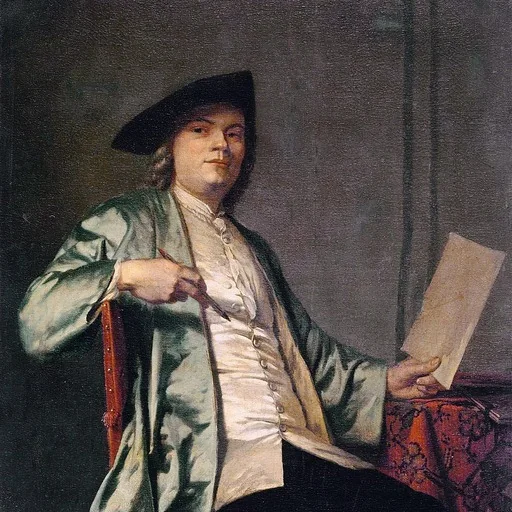

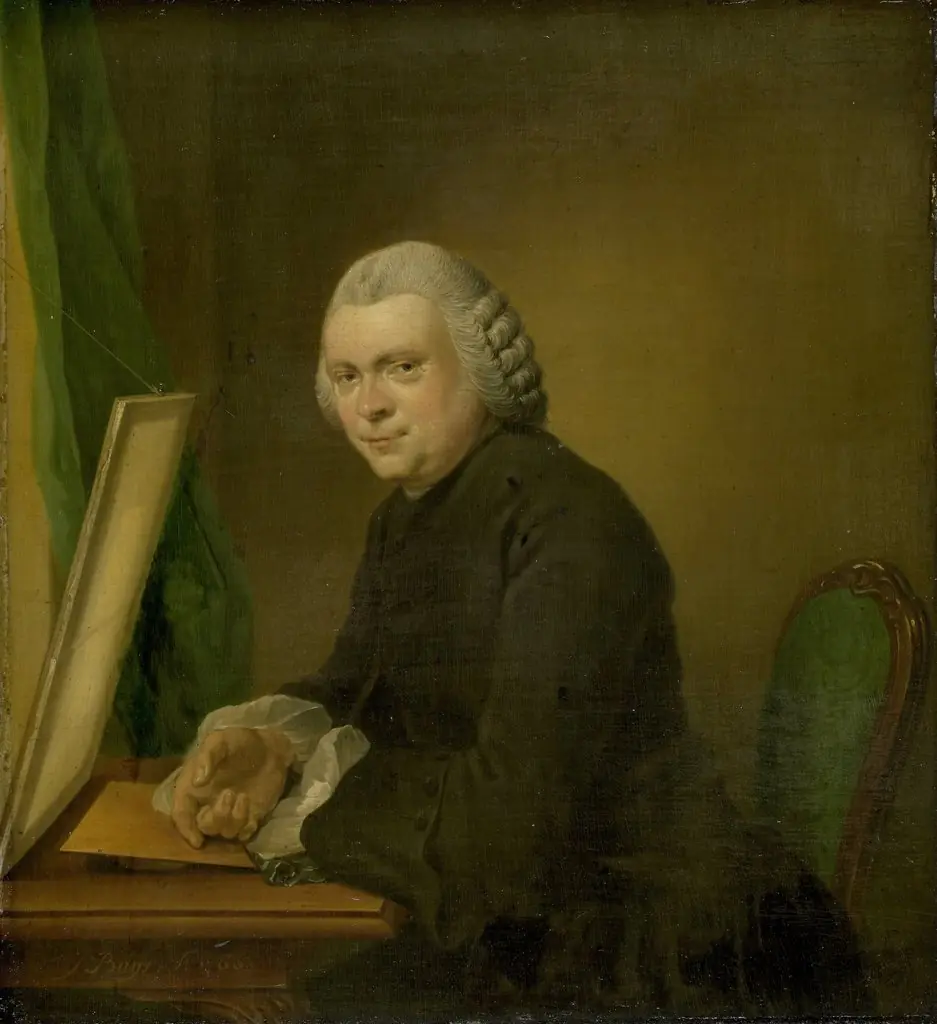 Portrait of Cornelis Ploos van Amstel
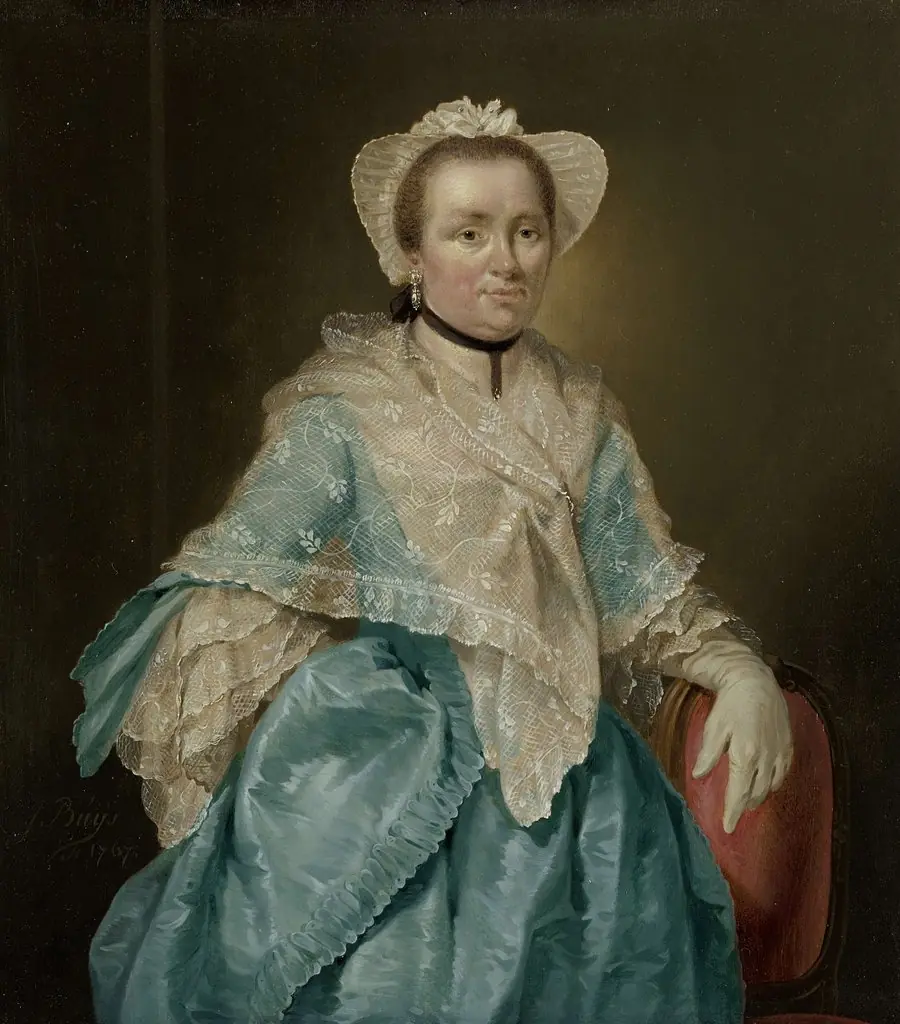 Portrait of Elisabeth Troost (1730-1790)
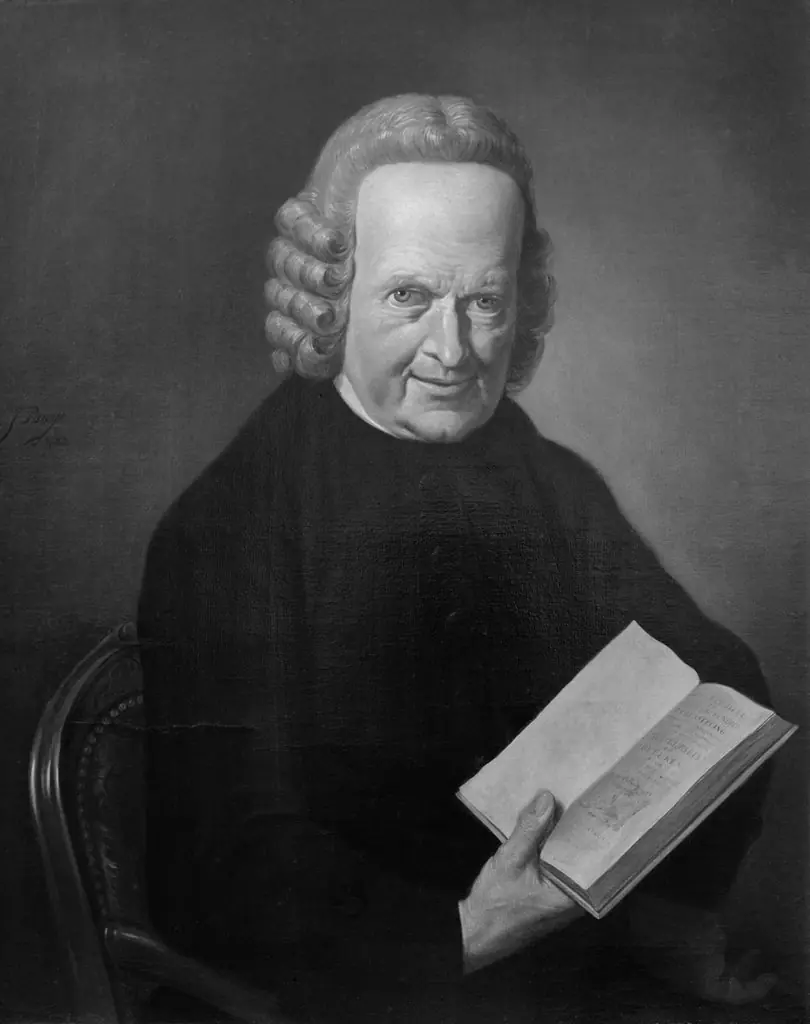 Johannes Monnikhoff (1707-1787)
 Portrait of Elisabeth Troost (1730-1790)
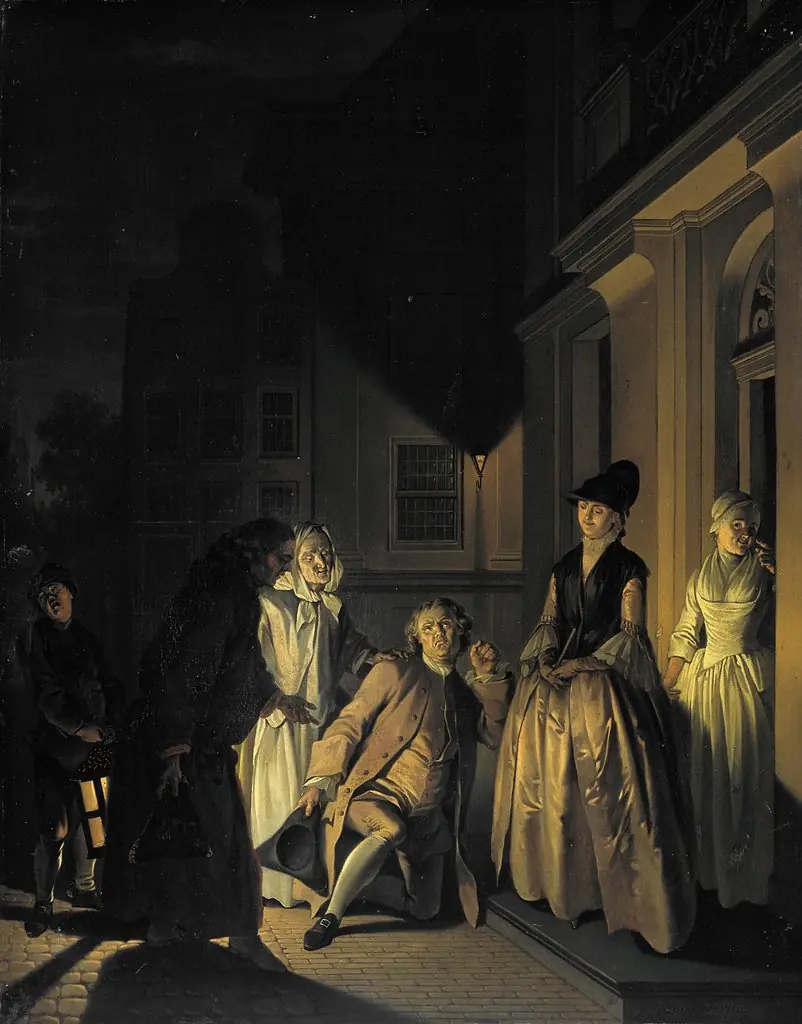 Scene from the Play 'Lubbert Lubbertse of de geadelde boer' by M. van Breda
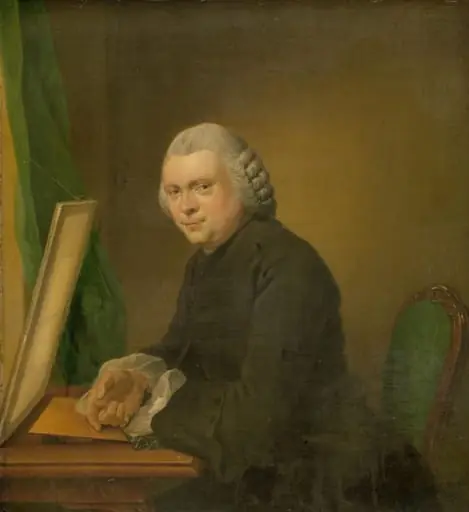 Portrait of Cornelis Ploos van Amstel
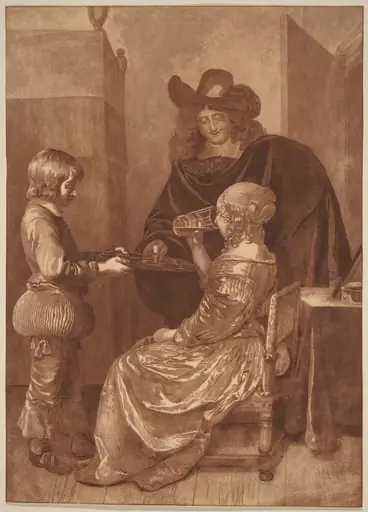 Cavalier and Lady with a Page
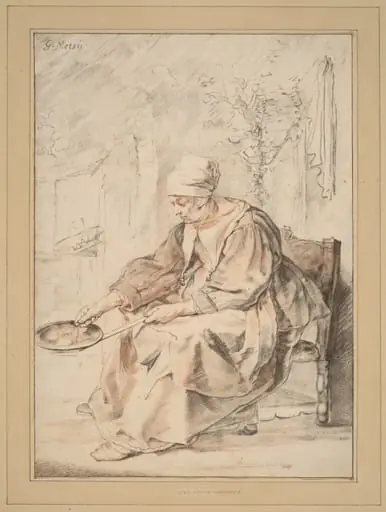 Pancake Woman