Artwork
Village with Pond
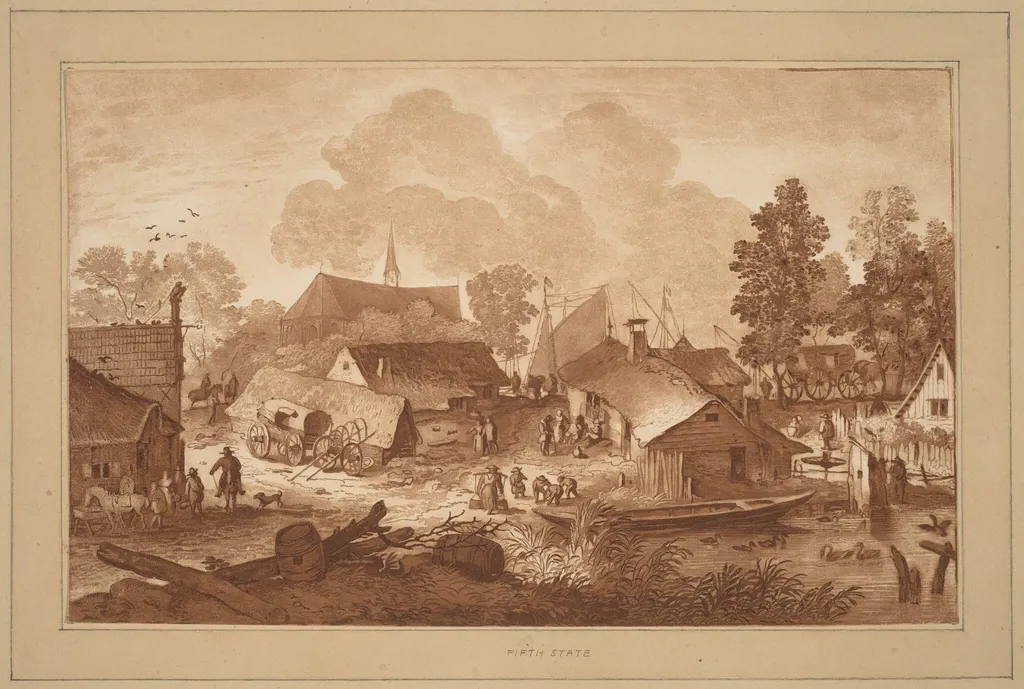
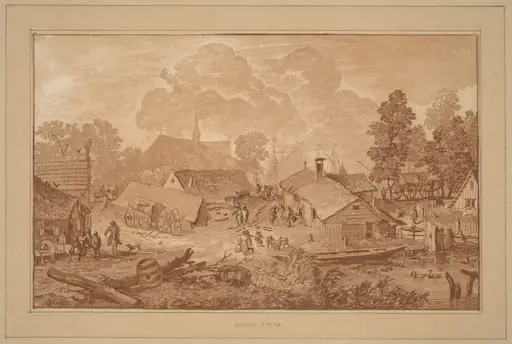
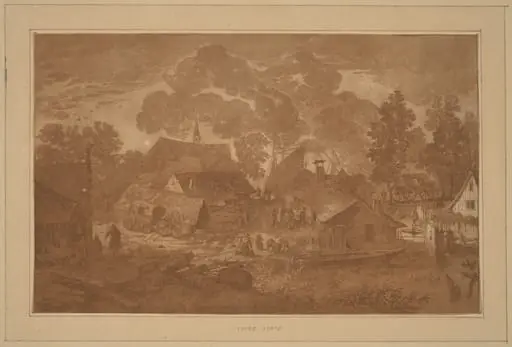
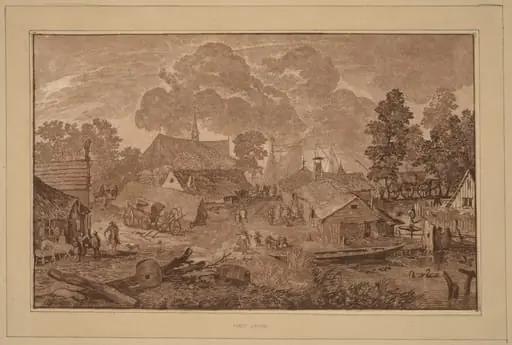
Village with Pond is an ink print by the Romanticist artist Jacobus Buys. It dates from 1782 and is held in the collection of the National Gallery of Art.
About this work
Overview
Created around 1782 by Cornelis Ploos van Amstel, this print is an aquatint rendered in red-brown ink on laid paper, enhanced with roulette work and burnishing.
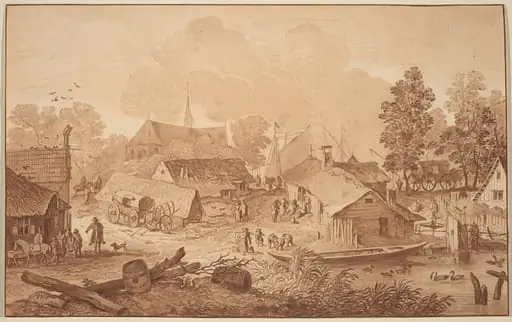
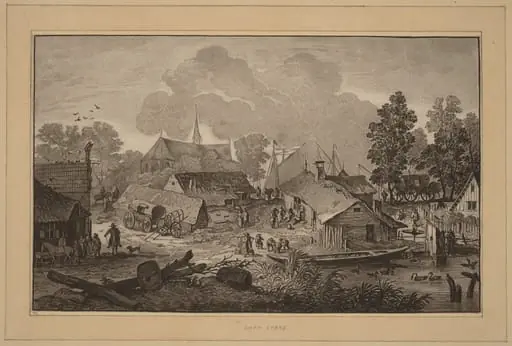
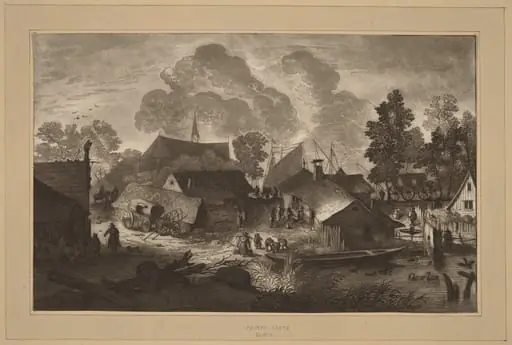
Created around 1782 by Cornelis Ploos van Amstel, this print is an aquatint rendered in red-brown ink on laid paper, enhanced with roulette work and burnishing. It depicts a quiet rural scene centered on a pond, with modest buildings, trees, and figures engaged in everyday tasks. The technique emphasizes tonal gradations rather than sharp lines, producing a soft, atmospheric effect characteristic of late 18th-century Dutch printmaking.
Subject & Meaning
The scene portrays a tranquil village life, with a pond as its focal point. A small boat rests on the water, while figures near the shore suggest daily routines—fishing, walking, or tending to livestock. The church steeple in the distance anchors the composition, hinting at community and spiritual life. No dramatic narrative is present; instead, the image conveys calm continuity and the quiet dignity of rural existence.
Technique & Style
Ploos van Amstel employed aquatint to achieve subtle shifts in tone, mimicking the effects of wash drawing. Roulette work added textured detail to surfaces like foliage and earth, while burnishing softened highlights, particularly on the water’s surface. The red-brown ink, uncommon for landscapes of the period, lends warmth and cohesion, reinforcing the scene’s intimate, contemplative mood without theatricality.
History & Provenance
The print was produced during Ploos van Amstel’s active years as a Dutch artist and printmaker, likely intended for private collectors rather than public display. It entered the collection of the National Gallery of Art in Washington, D.C., where it remains part of its holdings of European prints. Its preservation reflects its status as a representative example of Dutch topographical printmaking from the late Enlightenment era.
Context
In the decades before Romanticism fully emerged in visual art, Dutch artists like Ploos van Amstel continued a tradition of recording local landscapes with quiet precision. This work aligns with a broader European interest in rural life, influenced by Enlightenment ideals of nature and order. Unlike later Romantic landscapes, it avoids emotional exaggeration, favoring observation over idealization.
Legacy
Though not widely known today, the print exemplifies the technical refinement of Dutch aquatint in the late 18th century. It contributes to the understanding of how landscape was rendered in print before the rise of Romanticism’s dramatic intensity. Its presence in a major museum collection underscores its value as a document of everyday rural life and the evolution of printmaking techniques.
Artist & collection
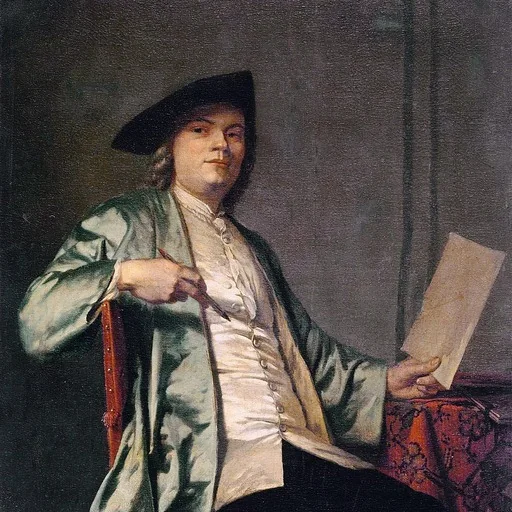

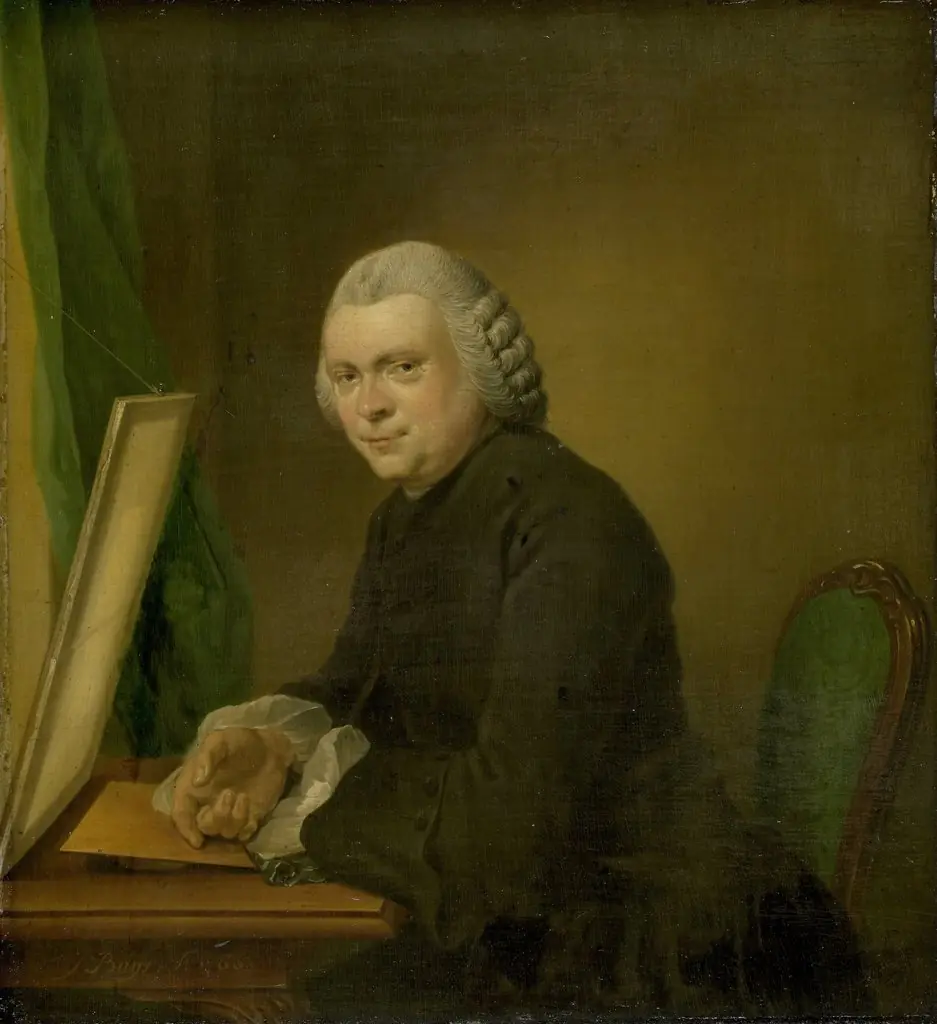 Portrait of Cornelis Ploos van Amstel
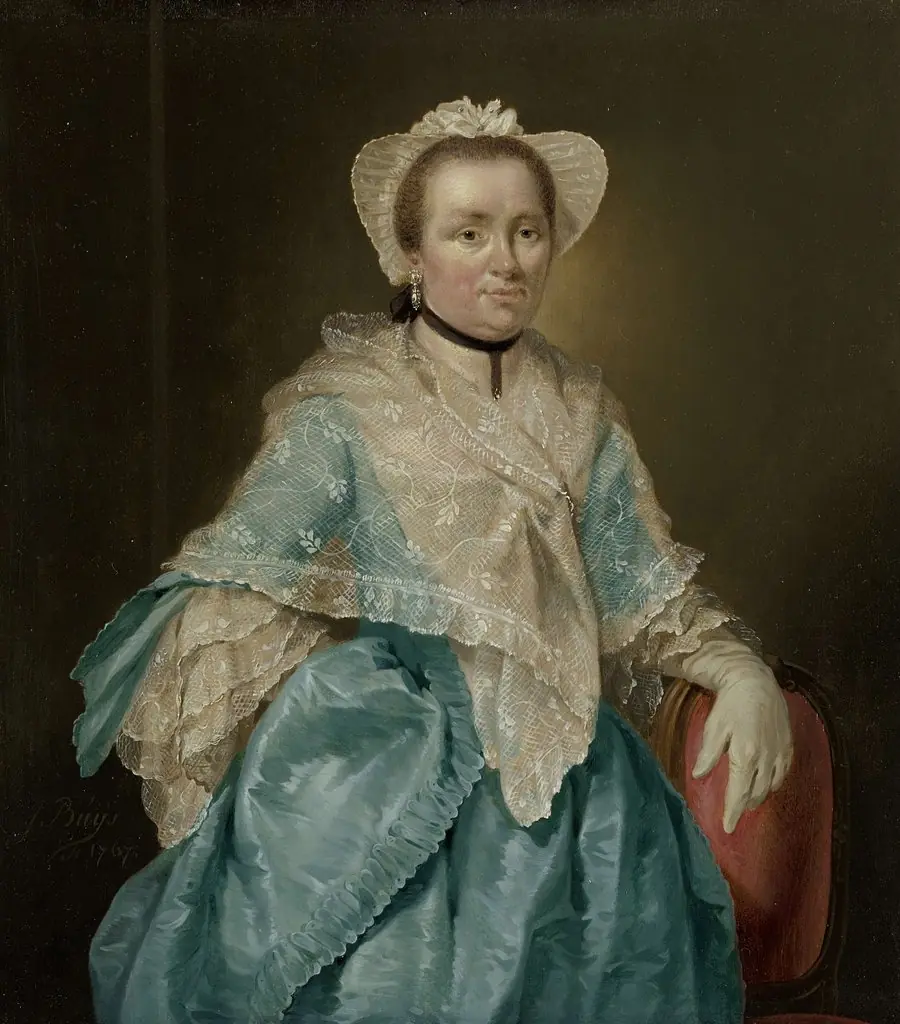 Portrait of Elisabeth Troost (1730-1790)
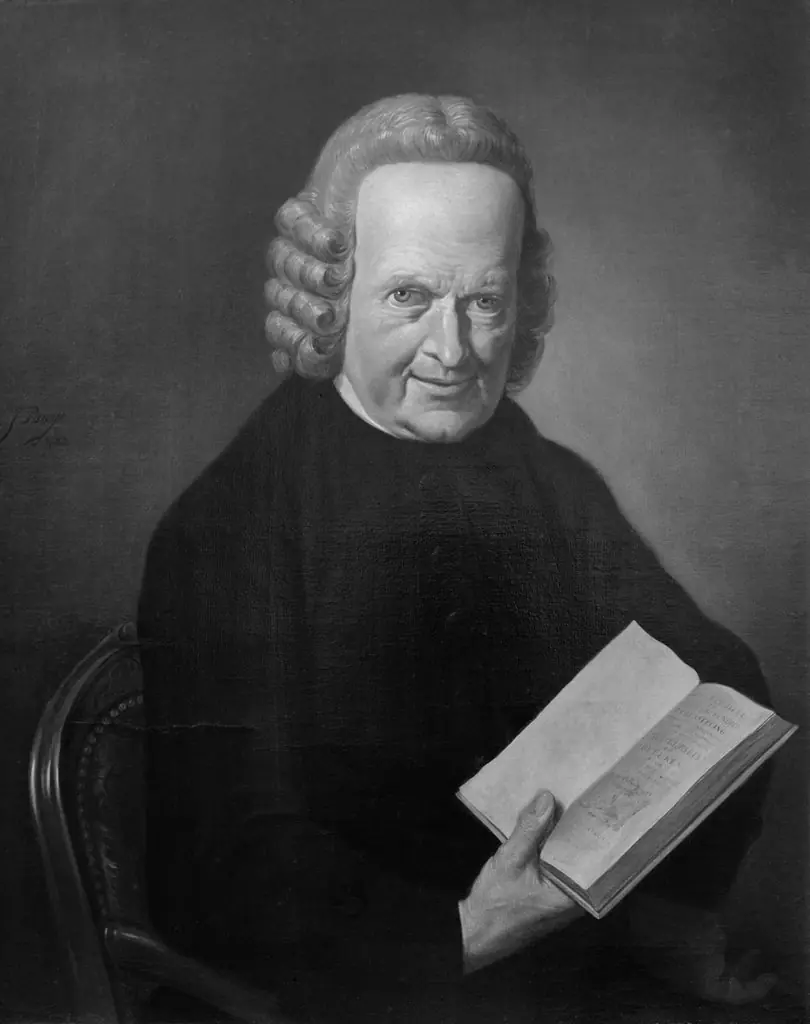 Johannes Monnikhoff (1707-1787)
 Portrait of Elisabeth Troost (1730-1790)
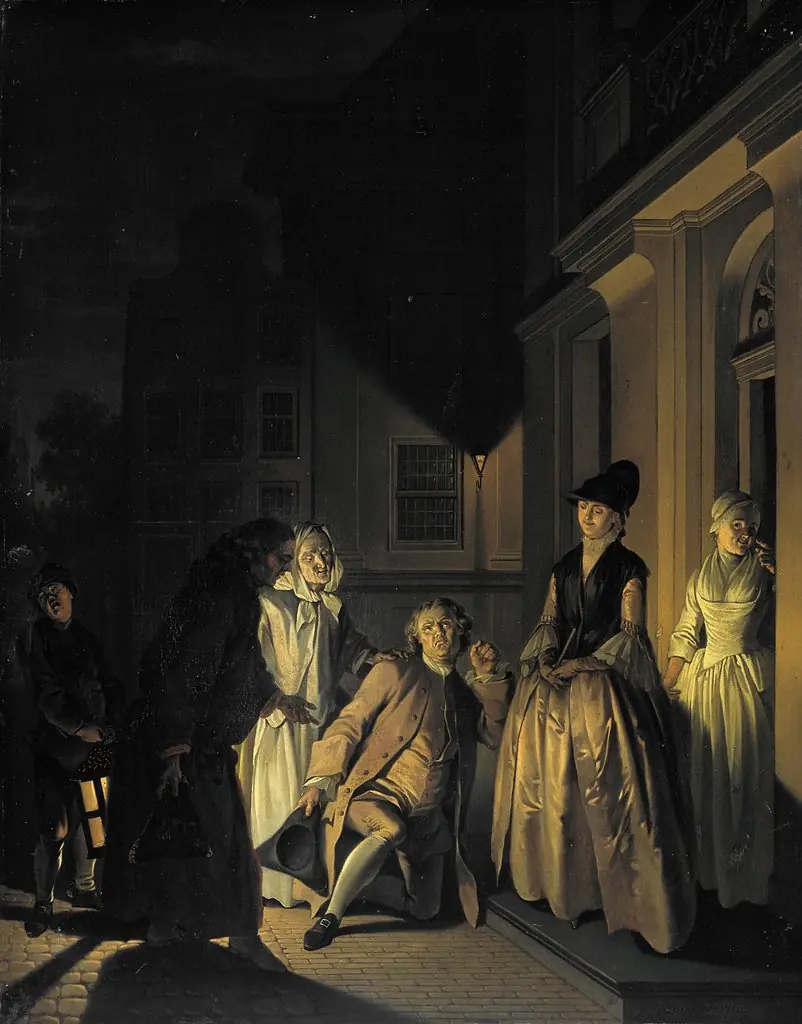 Scene from the Play 'Lubbert Lubbertse of de geadelde boer' by M. van Breda
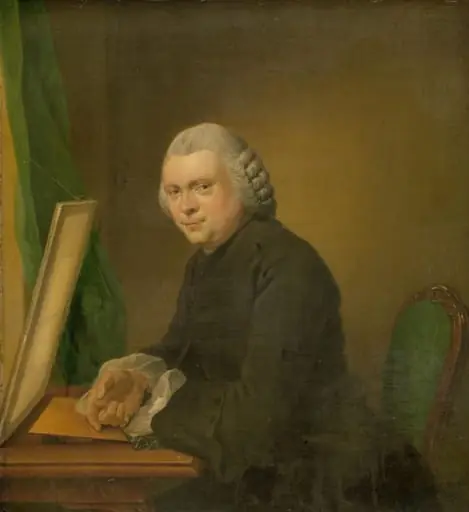 Portrait of Cornelis Ploos van Amstel
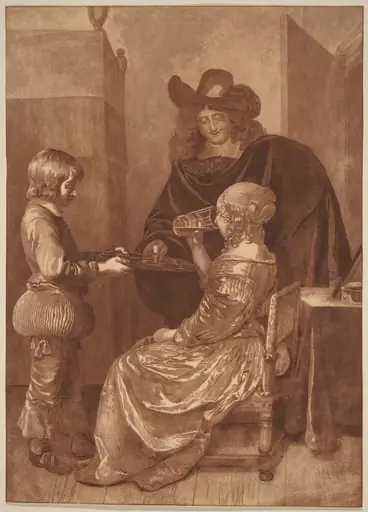 Cavalier and Lady with a Page
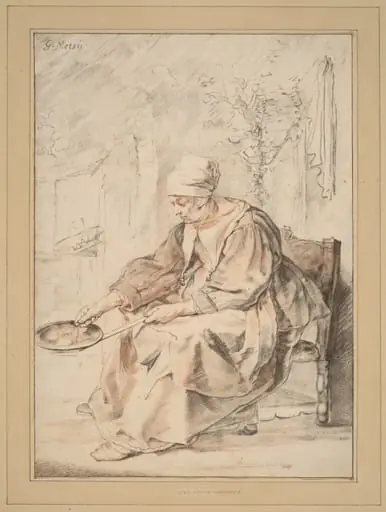 Pancake Woman