Artwork
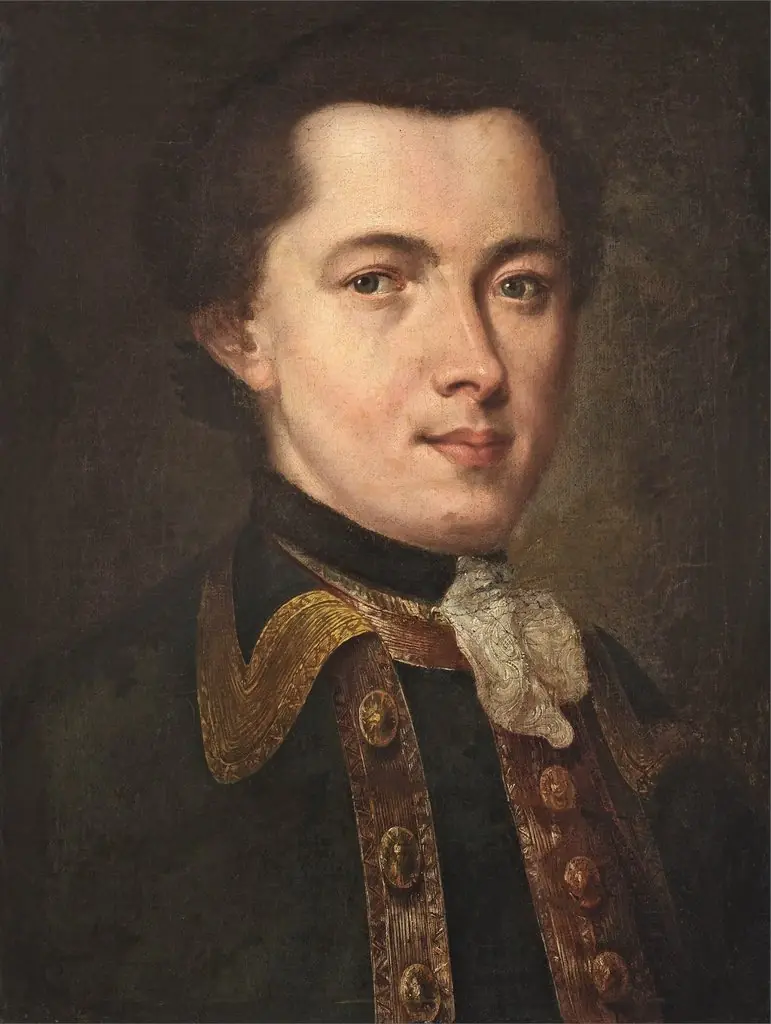
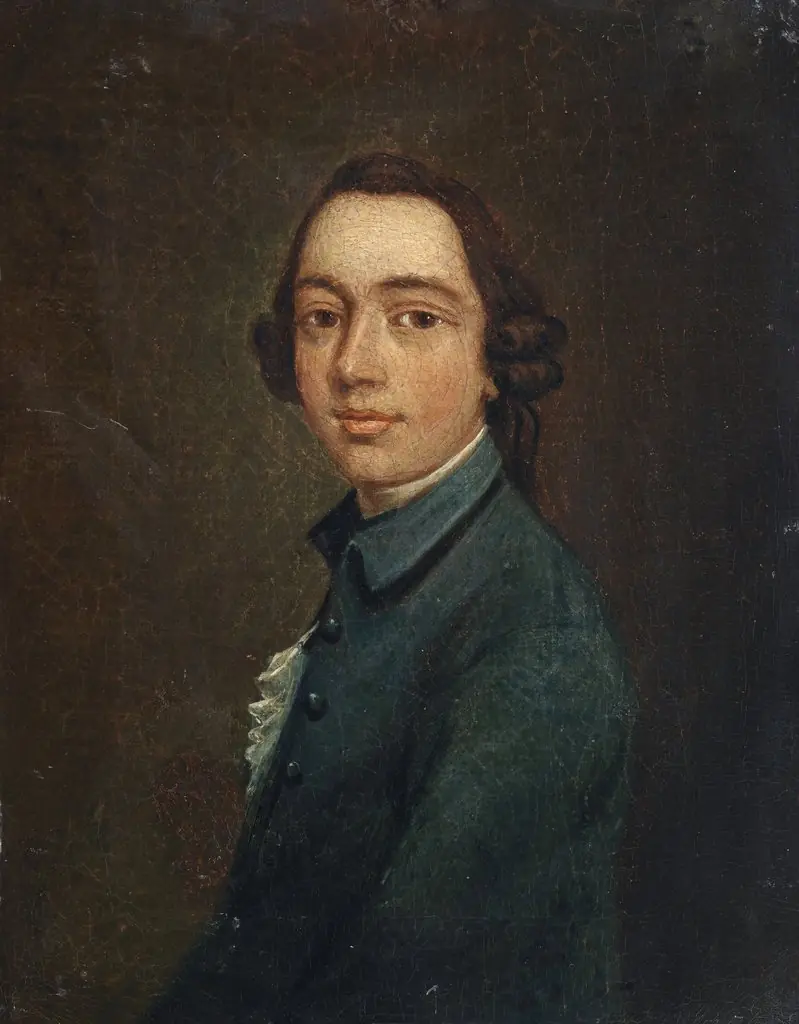
Portretul unui tânăr
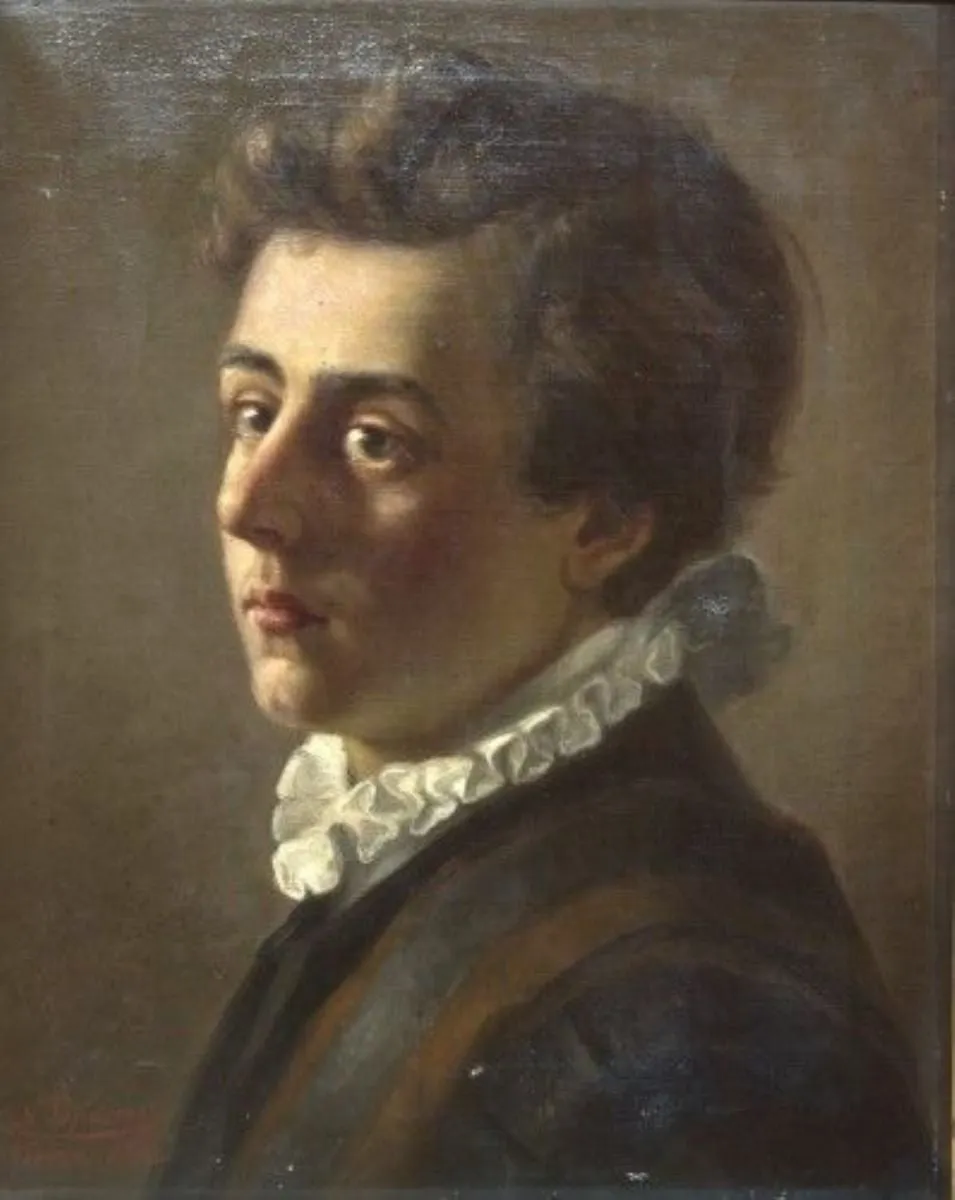
Portretul unui tânăr is a print by the Impressionist artist Nicolae Popescu. It dates from 1862 and is held in the collection of the National Museum of Art of Romania.
About this work
Overview
Executed in oil on canvas, the work reflects the academic tradition of 19th-century Romanian portraiture.
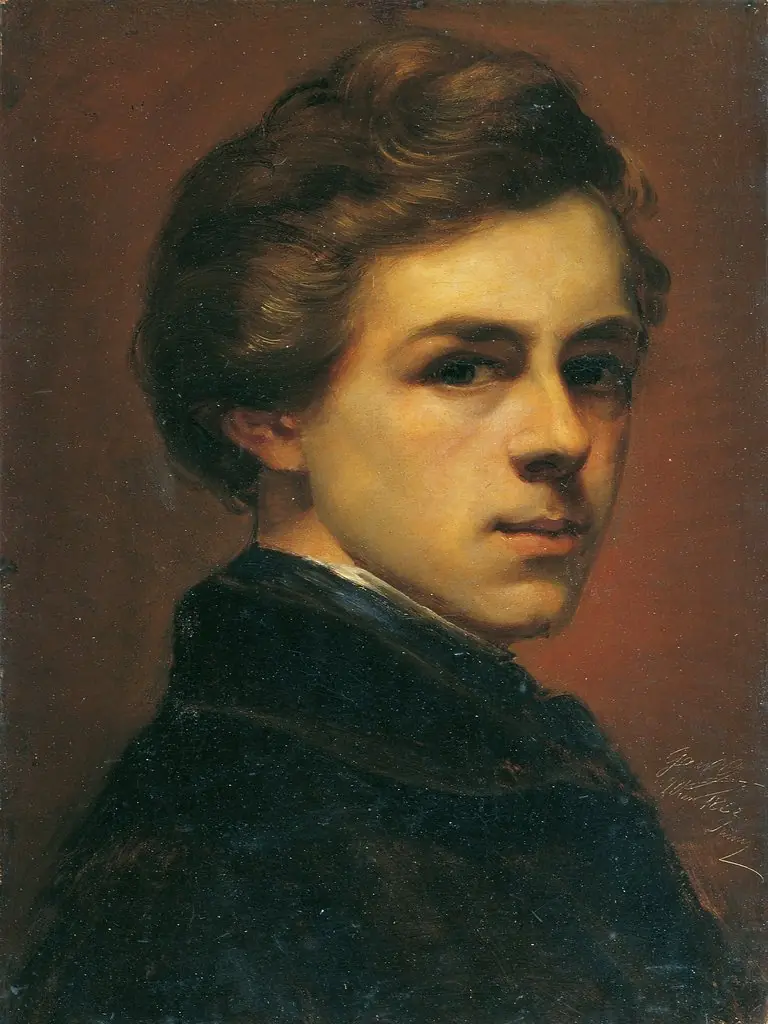
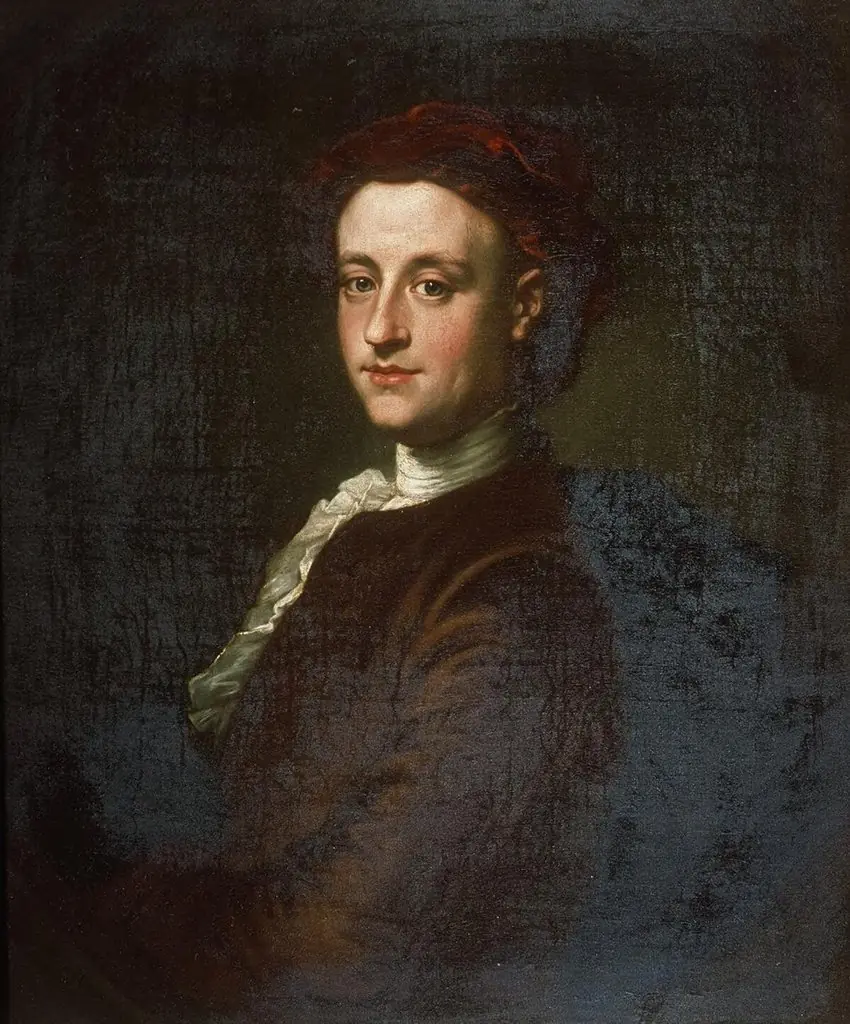
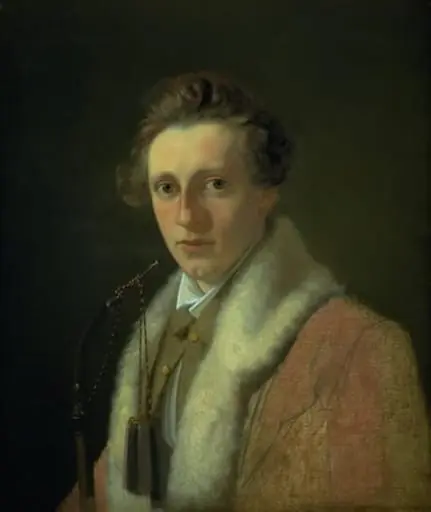
Painted in 1862 by Nicolae Popescu, this portrait depicts a young man in quiet contemplation. Executed in oil on canvas, the work reflects the academic tradition of 19th-century Romanian portraiture. The composition is restrained, emphasizing the sitter’s presence through careful attention to facial expression and subtle tonal transitions, avoiding decorative elements in favor of psychological immediacy.
Subject & Meaning
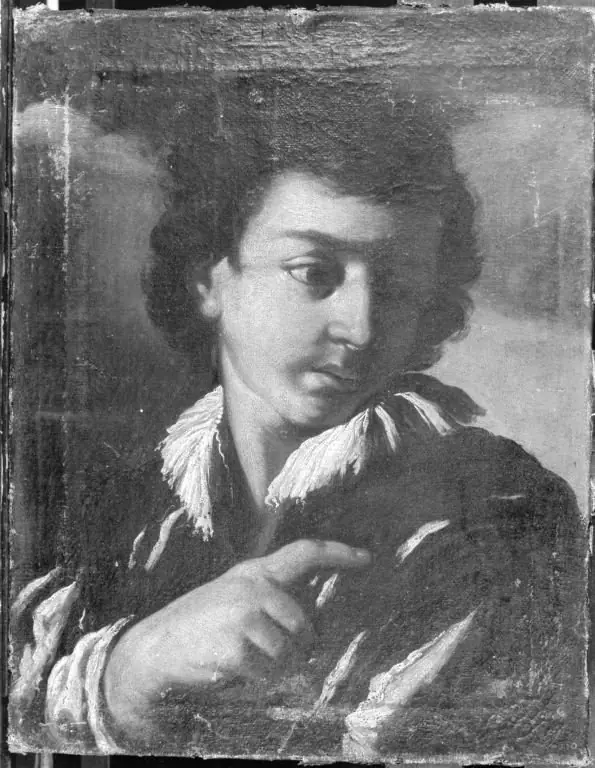
The subject is a young man, his dark hair and solemn gaze conveying introspection rather than grandeur. His attire—a dark jacket paired with a crisp white lace collar—suggests middle-class respectability, common among educated urban youth of the era. The absence of symbolic objects or setting directs focus to his inner state, inviting viewers to consider identity and individuality beyond social role.
Technique & Style
Popescu employs soft, blended brushwork to model the face, creating a gentle luminosity that enhances the sitter’s skin tone and the depth of his eyes. Shadows are muted and transitions between light and dark are gradual, a technique reminiscent of sfumato. The dark, unmodeled background isolates the figure, heightening the sense of intimacy and concentration on the face.
History & Provenance
The painting was completed in 1862 during Popescu’s early career, a period when Romanian artists were developing a national artistic identity under European academic influence. It remained in private Romanian collections until the mid-20th century, after which it entered a public institution. Its preservation reflects its status as an early example of Romanian realist portraiture.
Context
In mid-19th-century Romania, portraiture served both personal and cultural functions, documenting emerging social classes and fostering a sense of national self-representation. Popescu’s work aligns with broader trends in Eastern European art, where realism replaced idealized forms, and individual character became a legitimate subject for serious artistic treatment.
Legacy
Though not widely exhibited internationally, this portrait is recognized in Romanian art history as a refined example of academic realism. It influenced later generations of local portraitists who prioritized psychological depth over ornamentation. Its quiet dignity continues to be studied for its technical restraint and emotional subtlety.
Artist & collection
Artist
Nicolae Popescu’s self-portraits always feel like he’s just stepped out of a café in Bucharest, where he spent his evenings sketching passersby on whatever scrap of paper was handy.