Artwork
Portret de femeie tânără
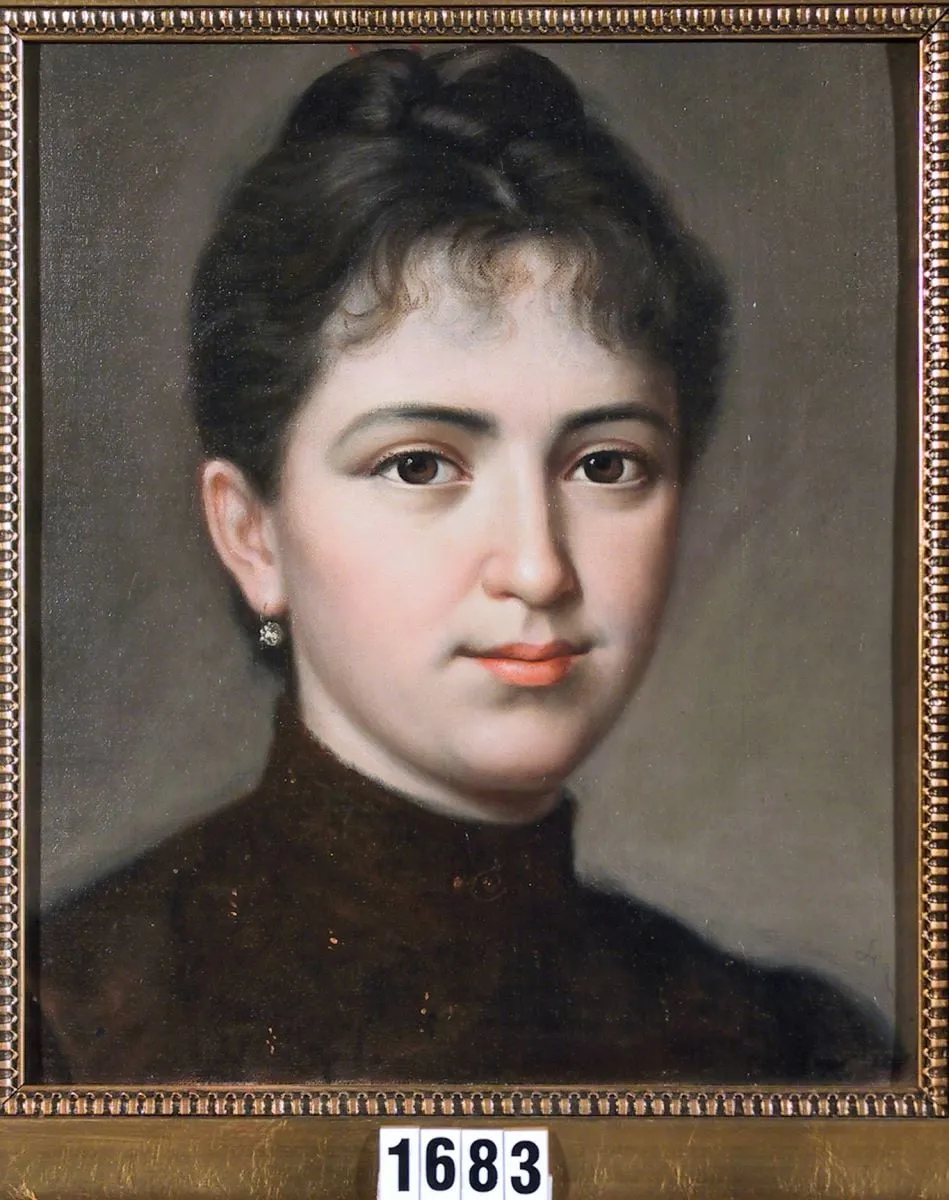
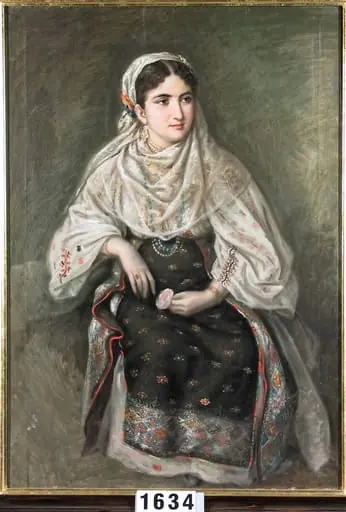
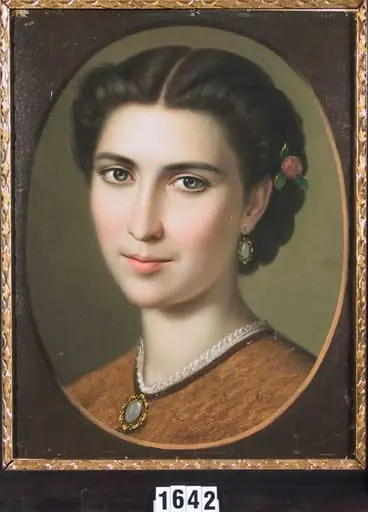
Portret de femeie tânără is a print by the Academic Art artist Mișu Popp. It dates from 1869 and is held in the collection of the Brukenthal National Museum.
About this work
Overview
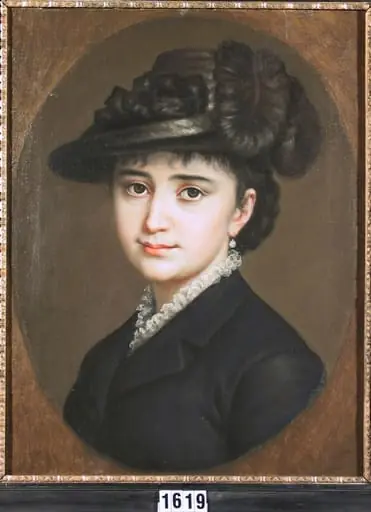
Painted around 1869 by Mișu Popp, this portrait depicts a young woman in quiet stillness. The composition focuses tightly on her upper body and face, eliminating extraneous detail to emphasize presence over narrative. The dark, unmodeled background isolates her form, drawing attention to the subtlety of her features and the texture of her attire.
Subject & Meaning
The subject is a young woman, her demeanor composed and introspective. Her neat hairstyle and modest black dress suggest propriety, possibly reflecting middle-class norms of the time. The faint blush on her cheeks introduces a hint of vitality, avoiding idealization in favor of a naturalistic, unembellished presence that conveys dignity without grandeur.
Technique & Style
Brushwork is restrained, favoring smooth transitions over visible strokes, aligning with academic portraiture conventions of the mid-nineteenth century.
Popp employs soft chiaroscuro to model the woman’s face, using gentle gradations of shadow to define her jawline and forehead without harsh contrasts. The dark dress and background create a strong tonal contrast that enhances the luminosity of her skin. Brushwork is restrained, favoring smooth transitions over visible strokes, aligning with academic portraiture conventions of the mid-nineteenth century.
History & Provenance
The painting is attributed to Mișu Popp, a Romanian artist active in the latter half of the 1800s. While its early ownership is undocumented, it has remained within Romanian collections since its creation. Its survival in relatively unchanged condition suggests careful preservation, though no significant exhibition or publication history is recorded prior to the late 20th century.
Context
Created during a period of cultural consolidation in Romania, the portrait reflects the influence of European academic traditions, particularly in its restrained composition and emphasis on realism. Unlike grand historical or mythological subjects favored by state-sponsored artists, this intimate work speaks to a growing interest in individual identity and domestic life among the urban middle class.
Legacy
Though not widely reproduced, the portrait stands as a representative example of Romanian academic portraiture from the 1860s. It illustrates how local artists adapted European techniques to depict everyday subjects with quiet sincerity. Its endurance in public collections underscores its value as a document of social and aesthetic norms in 19th-century Romanian visual culture.
Artist & collection

 Portret de femeie
 Portret de femeie
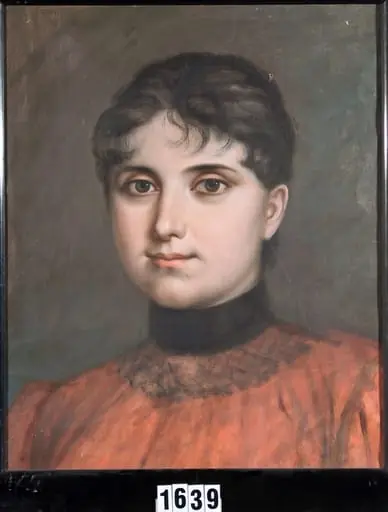 Portret de fată (D-ra J.)
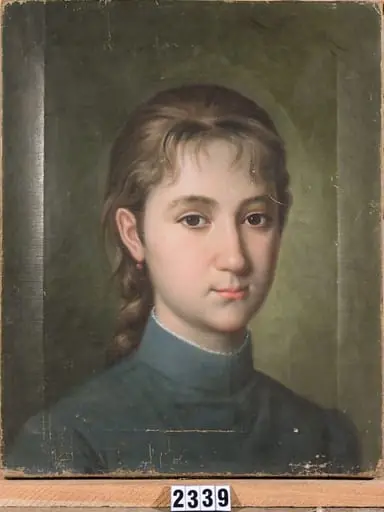 Portret de fată
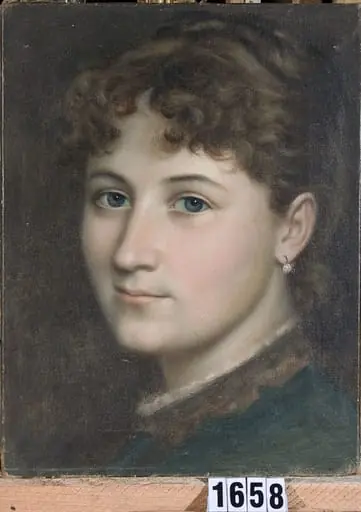 D-ra Brezeanu
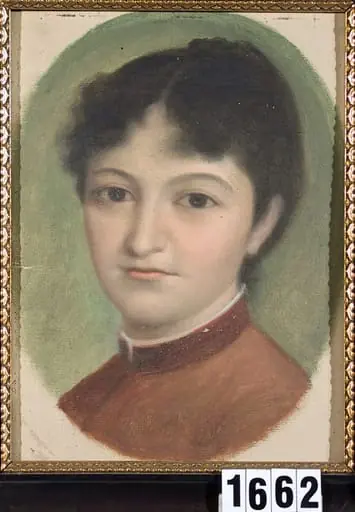 D-ra Vlaicu (Rafaela Vlaicu)
 Prințesa Maria Ludovika Wilhelmine von Bayern (în registrul inventar: Portret de femeie)
 Cap de femeie
 Portrait of a young woman – Johana Freün von Tschamer
 Portret Ana Davila
 Harriet Hosmer