Artwork
H Beard Print Collection
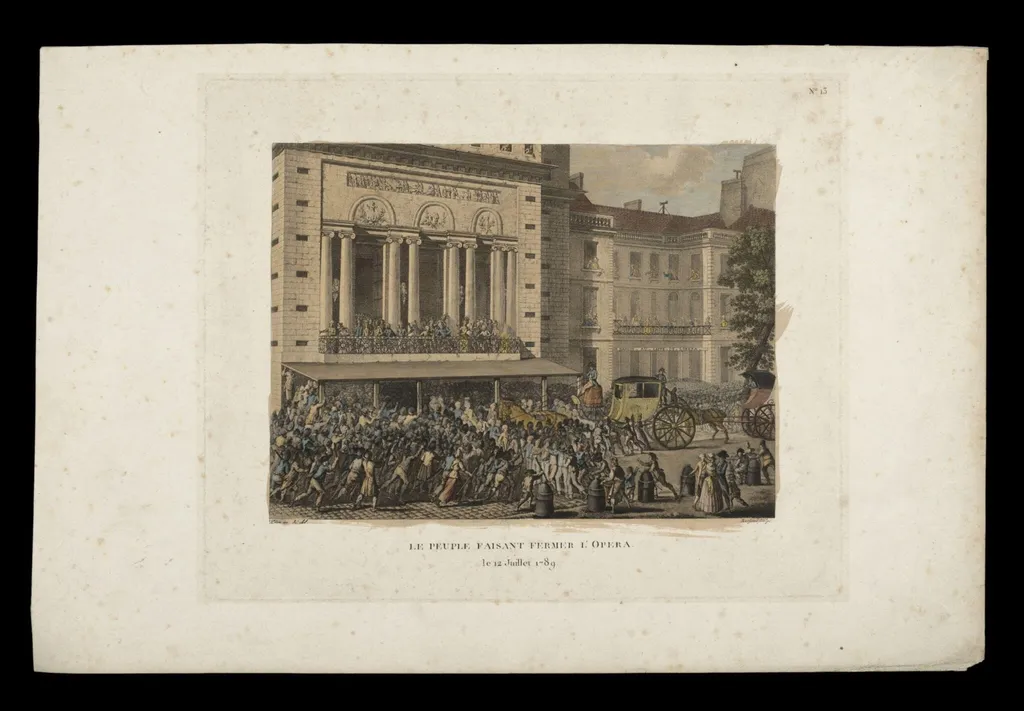
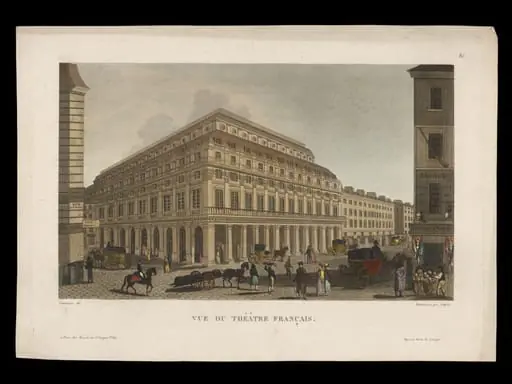
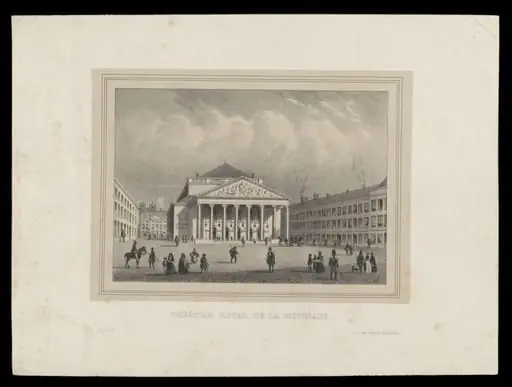
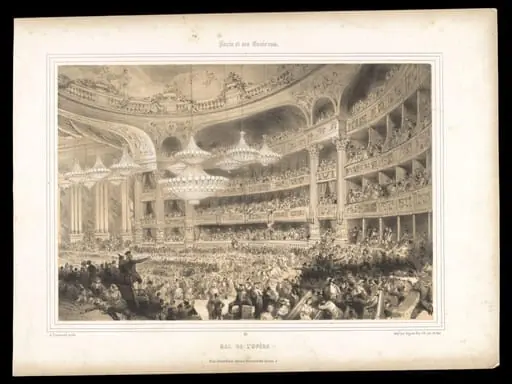
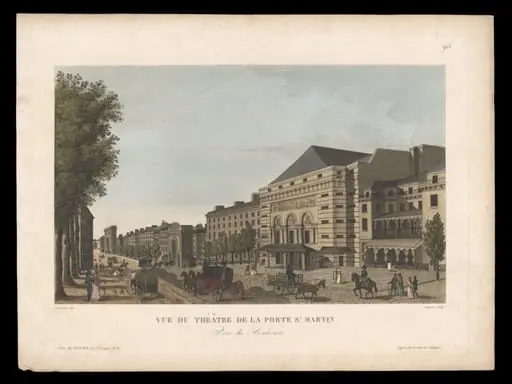
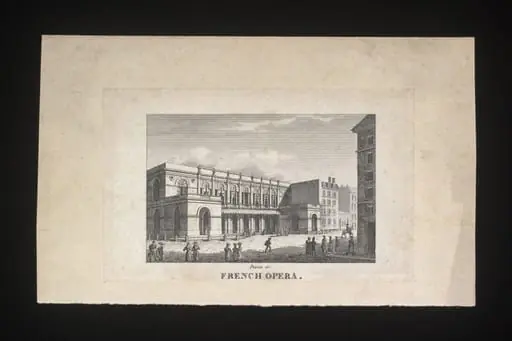
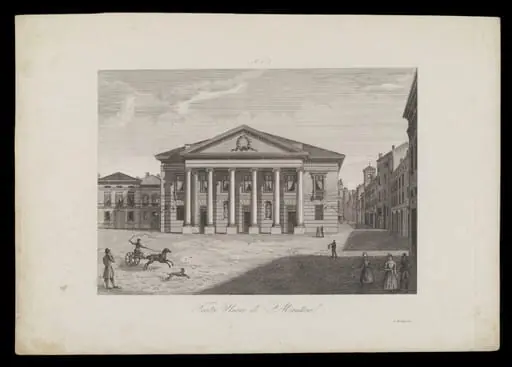
H Beard Print Collection is a print by Jean-Louis Prieur. It dates from 1750 and is held in the collection of the Victoria and Albert Museum.
About this work
The print is titled H Beard Print Collection by Jean-Louis Prieur.
It's from the late 18th century and depicts a significant event.
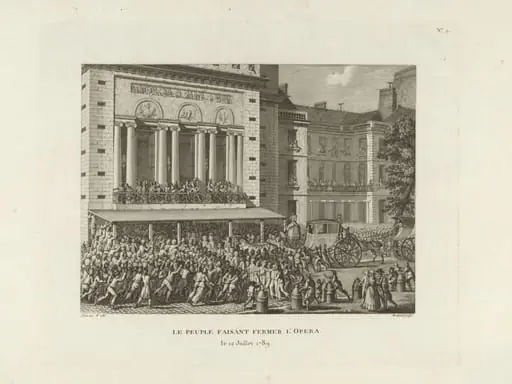
The event shown is the closing of the Paris Opera on July 12th, 1789, which is interesting because it happened just before the French Revolution.
You can learn more about this period by looking up the Victoria and Albert Museum.
Overview
This print, part of the H Beard Print Collection, captures the closure of the Paris Opera on July 12, 1789. Created by Jean-Louis Prieur in the late 18th century, it documents a moment of public unrest as political tensions escalated in the days preceding the French Revolution. The scene reflects how cultural institutions became entangled in the broader social upheaval of the time.
Subject & Meaning
The print portrays the opera house shutting its doors amid growing public discontent. Though seemingly a routine cultural closure, the timing—just days before the storming of the Bastille—imbues the event with symbolic weight. It signals the collapse of aristocratic leisure and the shifting priorities of a population demanding political change.
Technique & Style
Executed in the manner of contemporary political prints, the work employs clear lines and detailed figures to convey narrative clarity. The composition directs attention to the crowd and the closed doors, using contrast between still architecture and agitated figures to emphasize tension. The style aligns with journalistic illustration of the period, prioritizing immediacy over ornamentation.
History & Provenance
The print was produced shortly after the event it depicts, likely as a broadsheet for public circulation. It entered the H Beard Print Collection, a 19th-century assembly of revolutionary-era imagery, and is now held in institutional archives. Its survival reflects early efforts to document and preserve visual records of political transformation.
Context
The closure of the Paris Opera was not merely administrative but politically charged. As revolutionary pamphlets spread and crowds gathered, elite venues like the opera became targets of public resentment. The event marked a turning point where entertainment spaces were no longer insulated from the demands of the broader populace.
Legacy
This print remains a tangible artifact of how everyday events were interpreted as signs of systemic change. It contributes to historical understanding of the French Revolution’s cultural dimensions, illustrating how art and public life intersected during moments of upheaval. Its preservation supports ongoing scholarly analysis of revolutionary visual culture.
Artist & collection
Artist
Working in late-18th-century Paris, Jean-Louis Prieur carved and printed scenes of the city’s streets and public life.