Artwork
Victoria I, Queen of Great Britain (1819–1901)
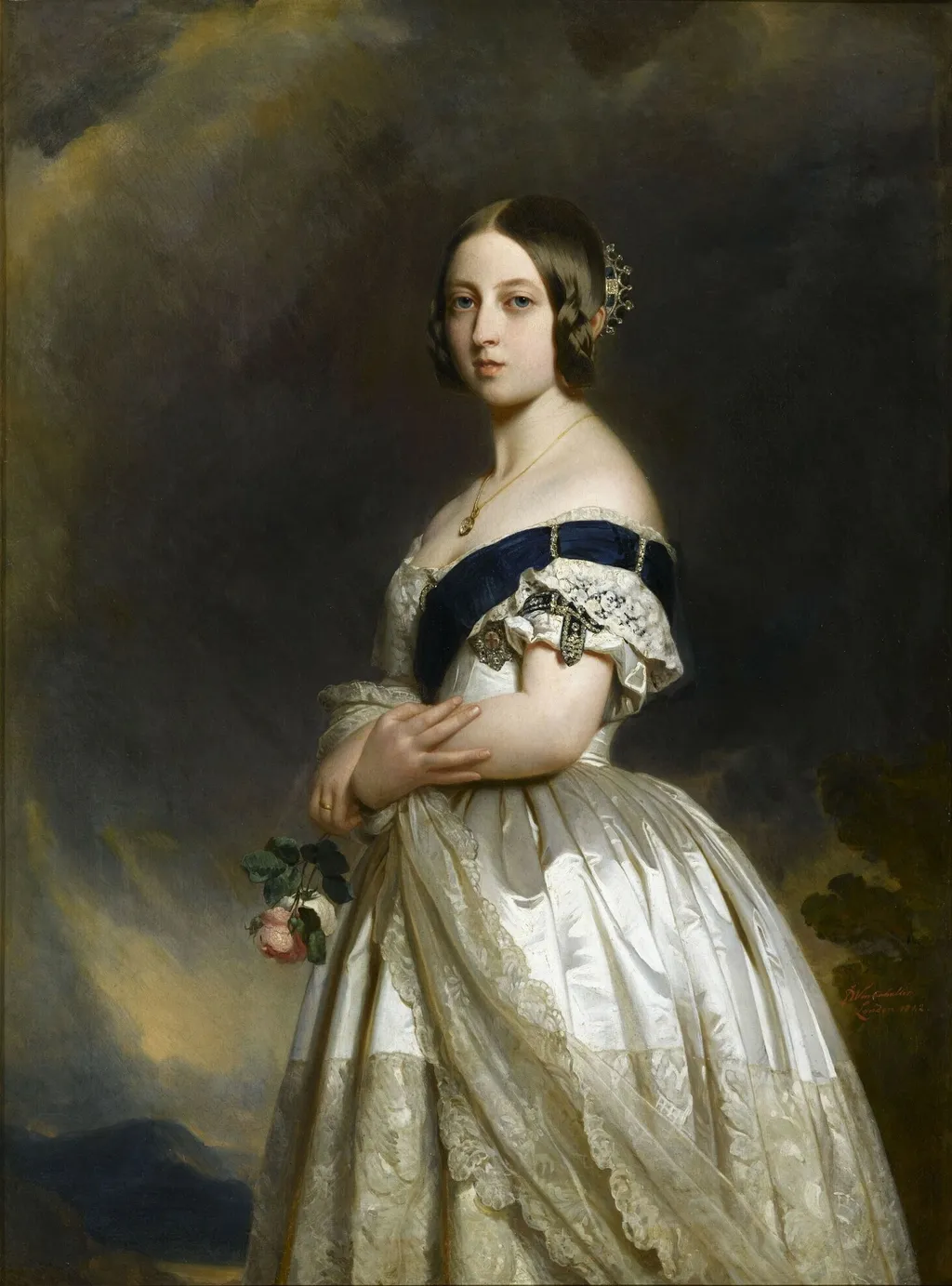
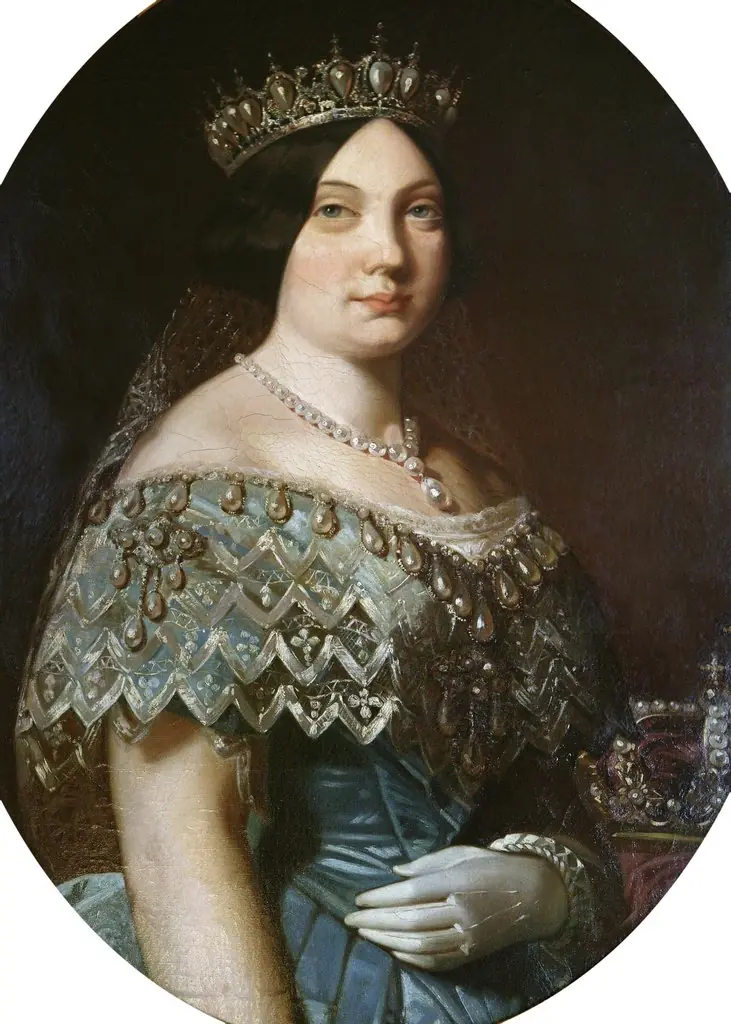
Victoria I, Queen of Great Britain (1819–1901) is an oil painting by the British Romanticist artist Franz Xaver Winterhalter. It dates from 1842 and is held in the collection of the Museum of the History of France.
About this work
Overview
Franz Xaver Winterhalter painted this oil portrait of Queen Victoria in 1842. The work presents the young monarch in a formal pose, her arms crossed, and is part of the collection at the Palace of Versailles.
Subject & Meaning
The sitter is Victoria, later Queen of the United Kingdom, shown in a white dress with a blue sash draped over her right shoulder. A gold necklace adorns her neck and she holds a small flower, elements that convey her status and refined taste.
Technique & Style
Winterhalter employs a smooth, highly finished technique typical of his court portraiture, rendering the lace and embroidery of the dress with meticulous detail. The dark, atmospheric background, tinged with yellow and blue, creates a subtle contrast that emphasizes the figure.
History & Provenance
Created shortly after Victoria’s accession, the portrait entered the French royal collection and is now displayed at Versailles. Its presence there reflects the 19th‑century diplomatic and cultural exchanges between Britain and France.
Context
The painting belongs to a series of Winterhalter’s portraits of European royalty, a genre that catered to the visual representation of monarchical power. Its composition follows the conventions of the period, balancing elegance with a restrained, dignified presence.
Own this work as a print
Artist & collection
Artist
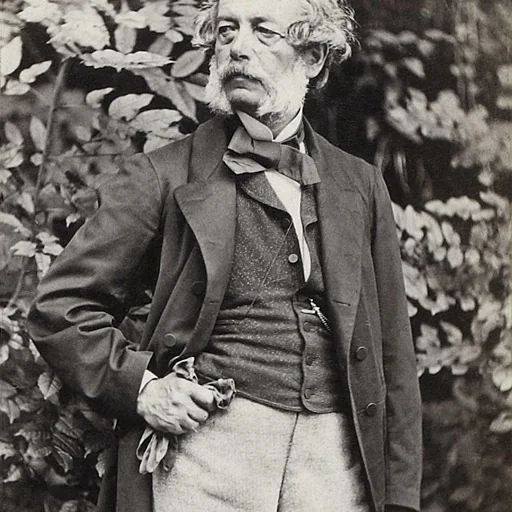
Franz Xaver Winterhalter (20 April 1805 – 8 July 1873) was a German painter and lithographer, known for his flattering portraits of royalty and upper-class society in the mid-19th century.

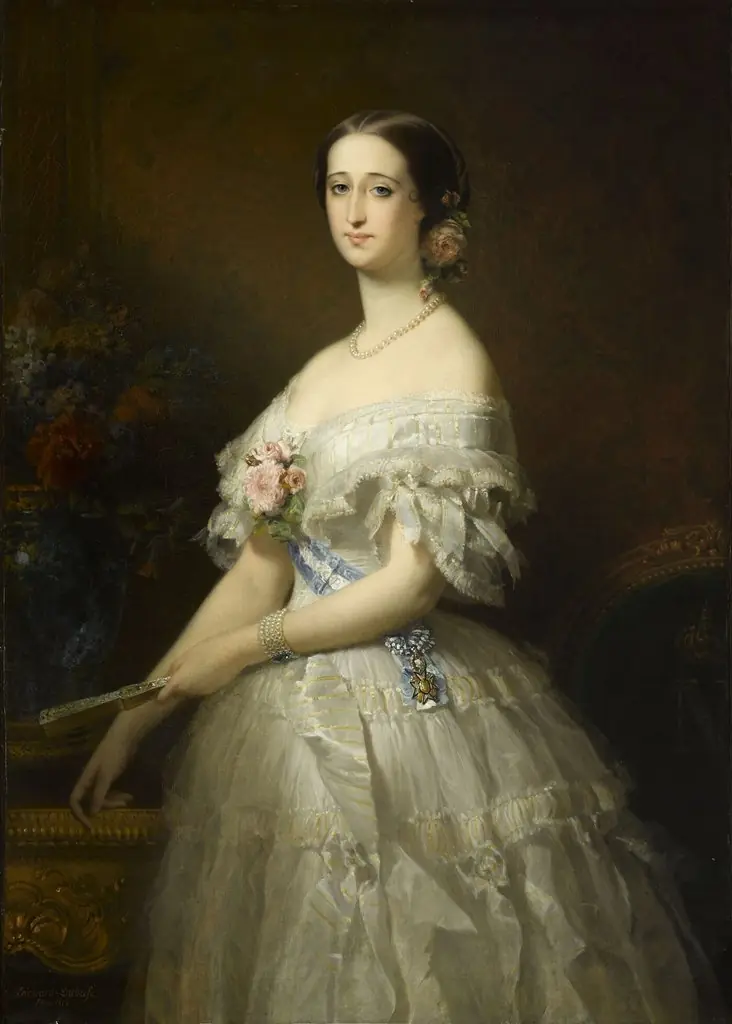
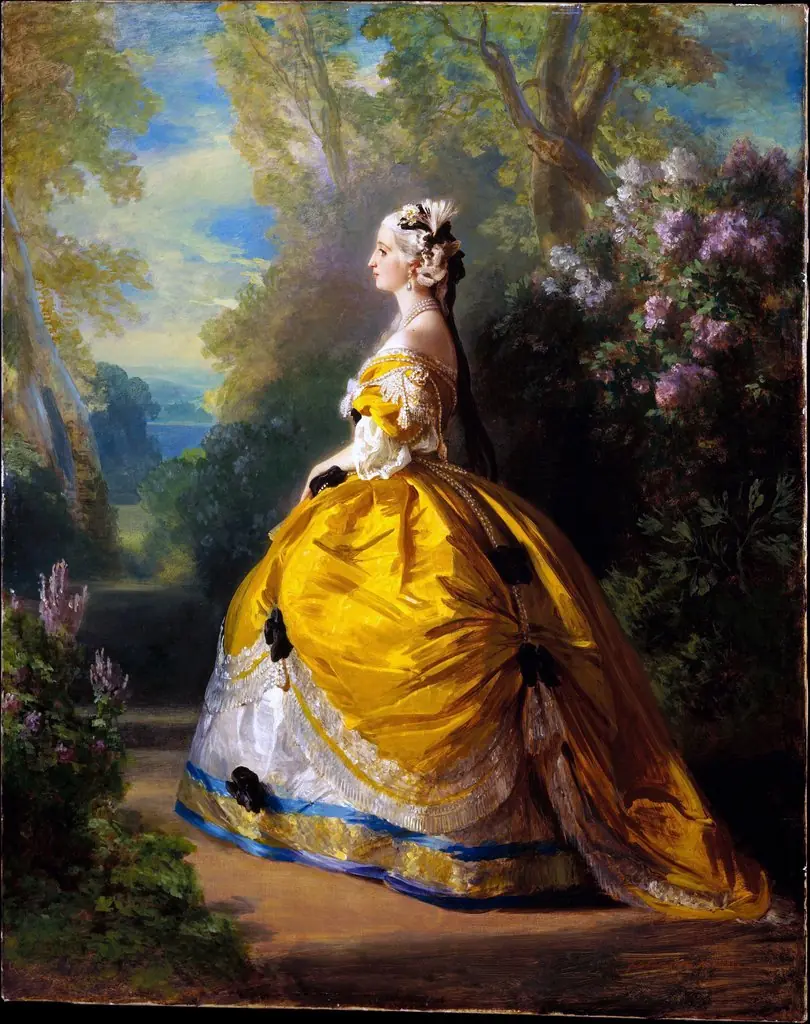 Portrait of Empress Eugénie de Montijo
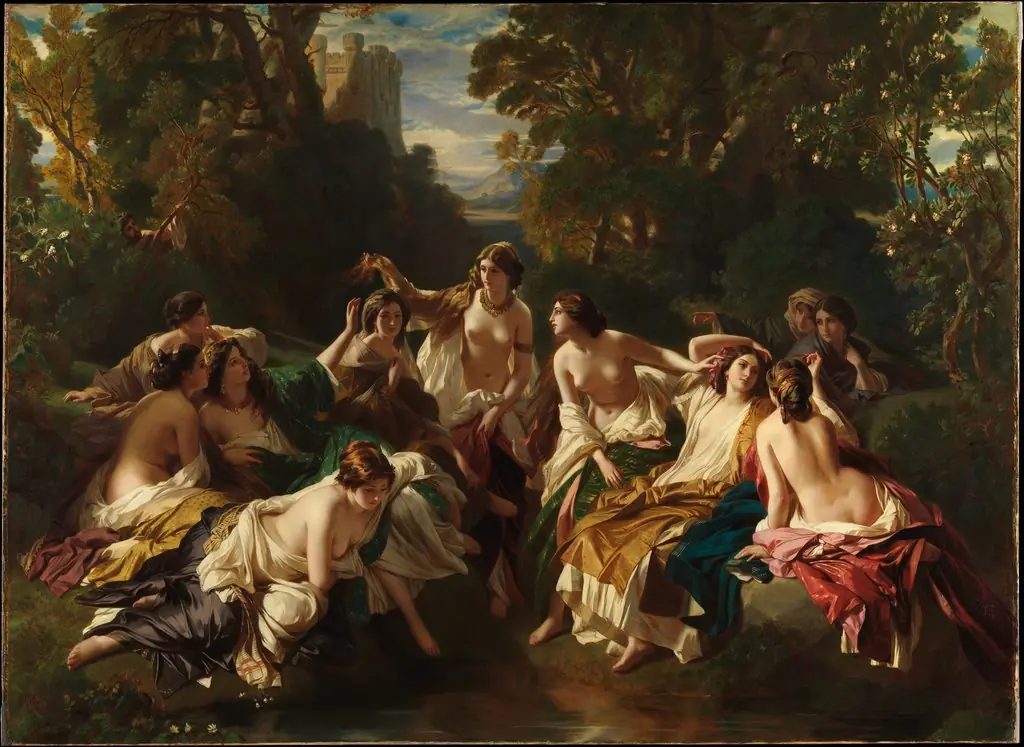 Florinda
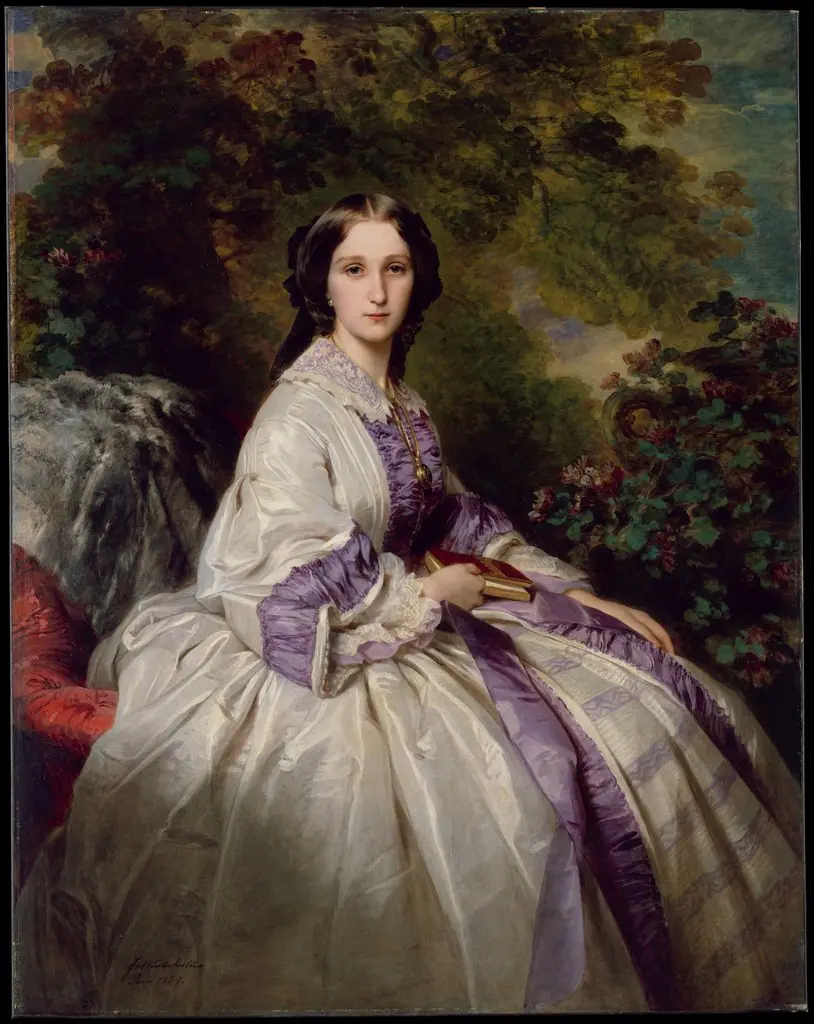 Portrait of Countess Alexander Nikolaevitch Lamsdorff
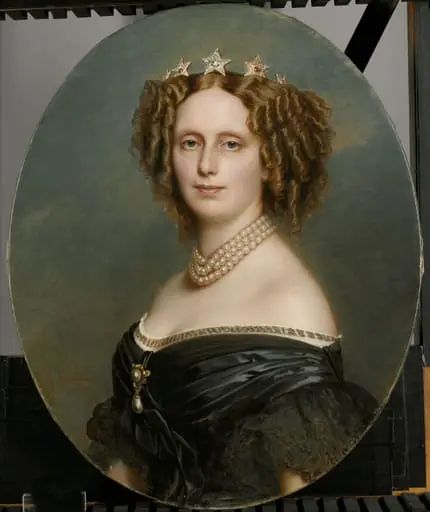 Portrait of Sophia Frederika Mathilda (1818-77), Princess of Württemberg
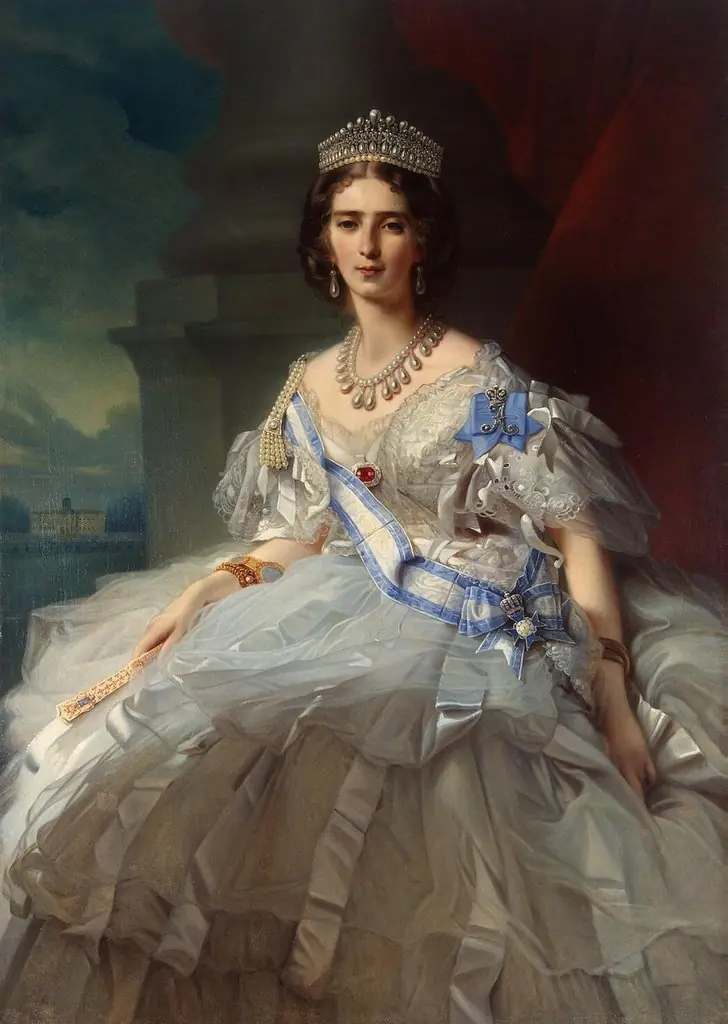 Portrait of Princess Tatyana Yusupova
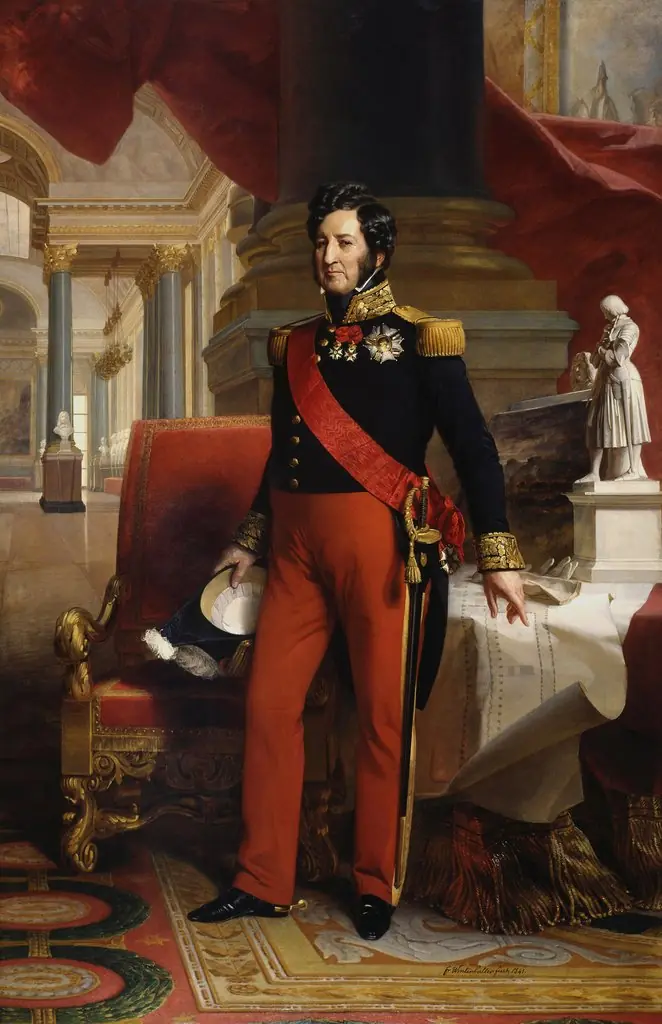 Louis-Philippe I, King of the French (1773–1850)
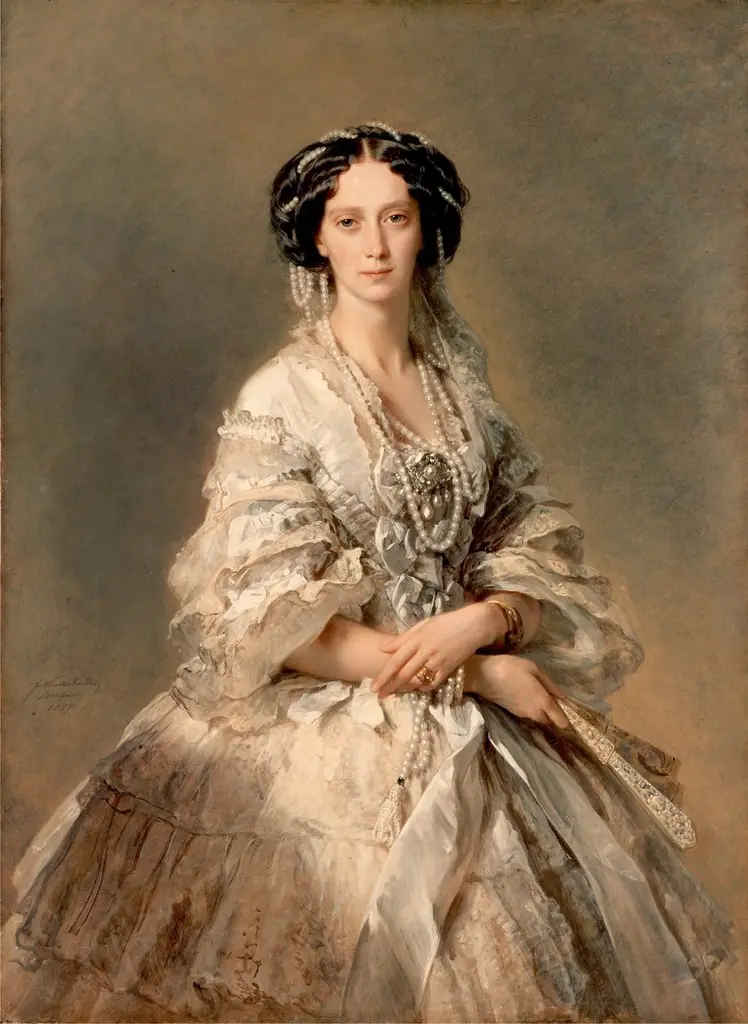 Portrait of Empress Maria Alexandrovna
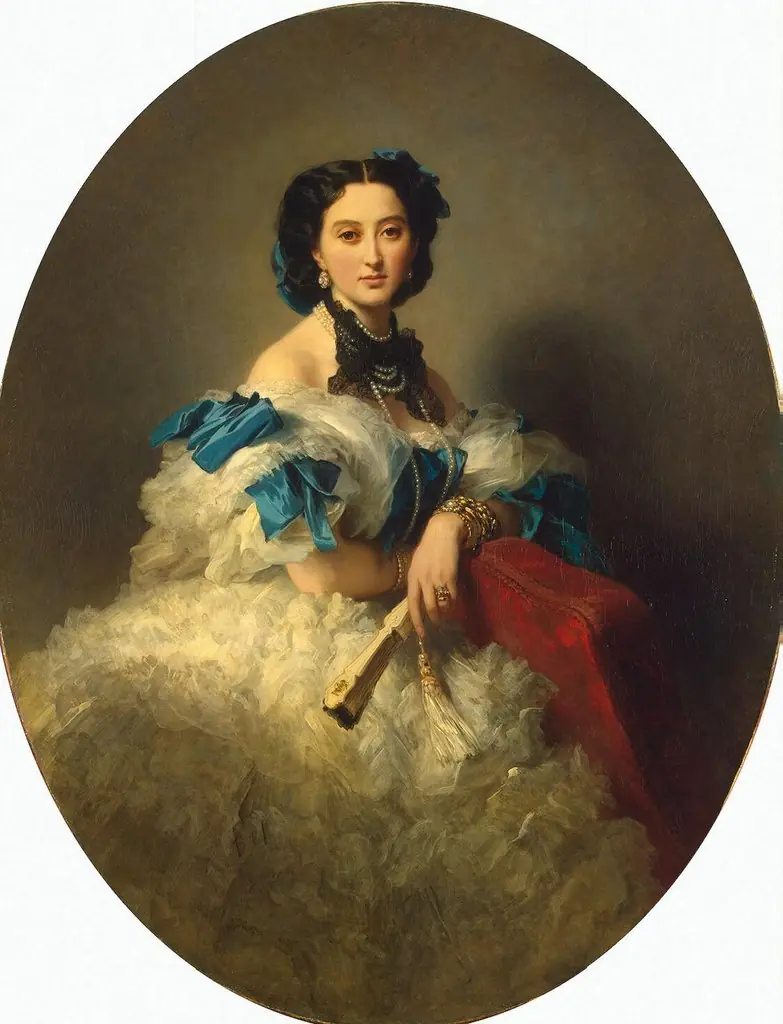 Portrait of Countess Varvara Musina-Pushkina