Artwork
Inn Scene
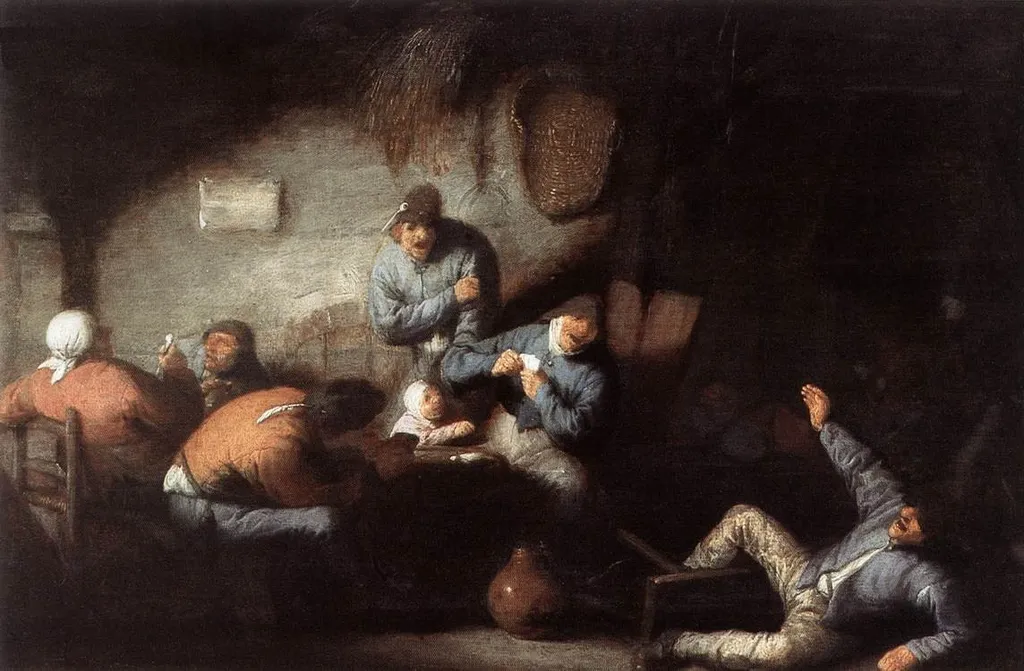
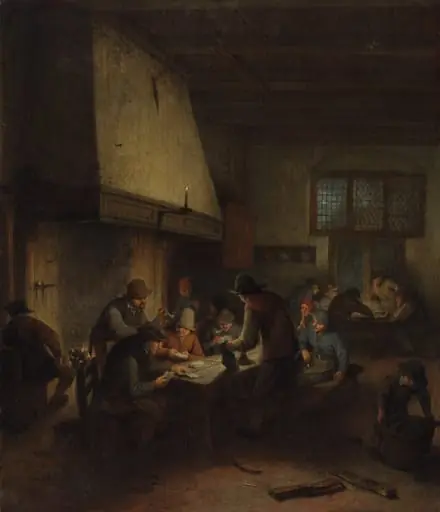
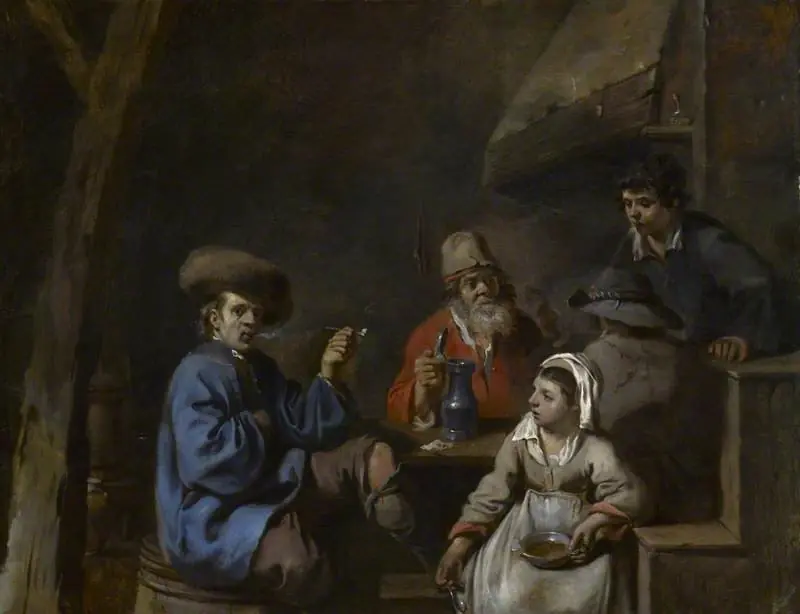
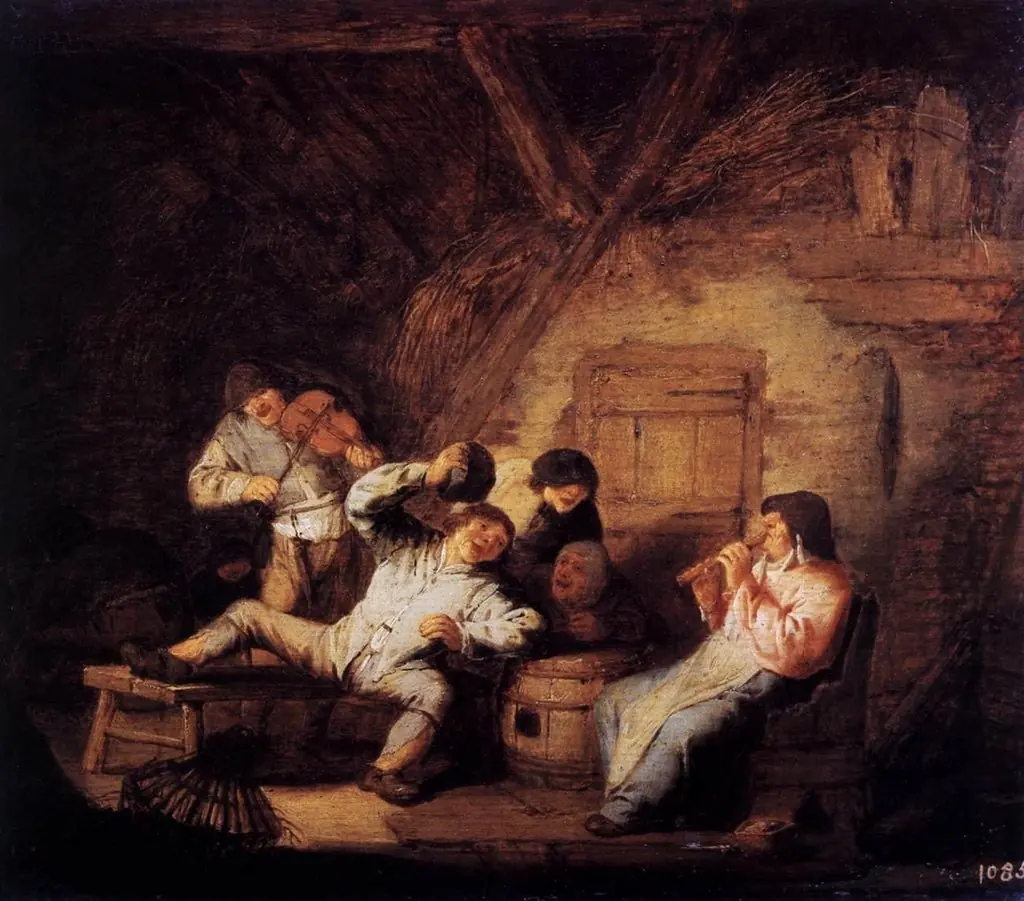
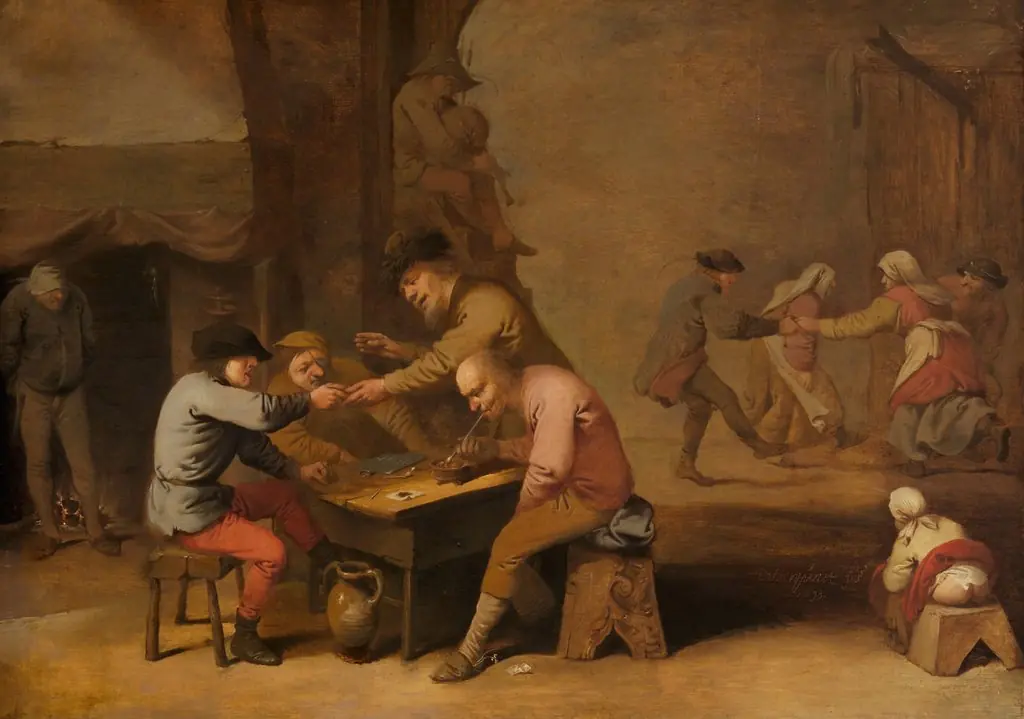
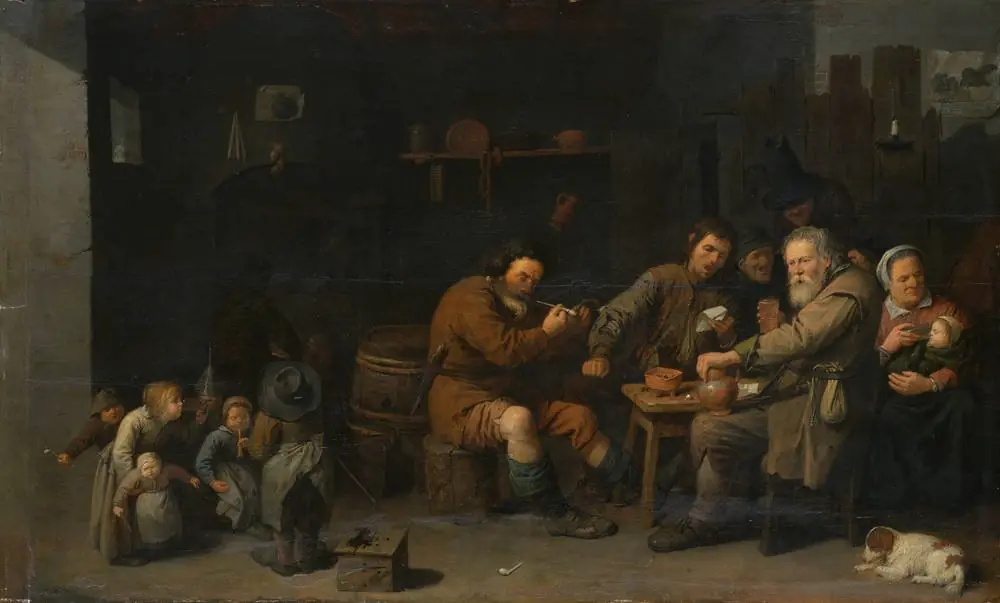
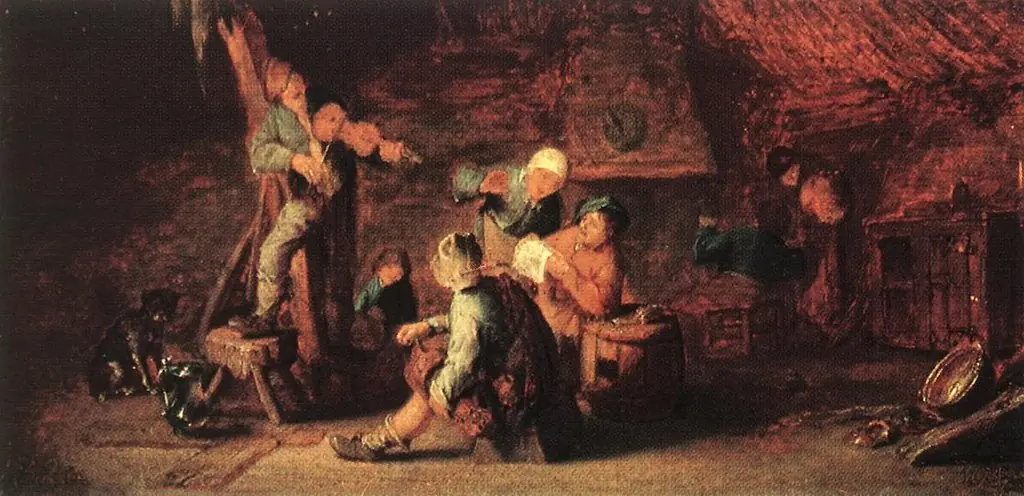
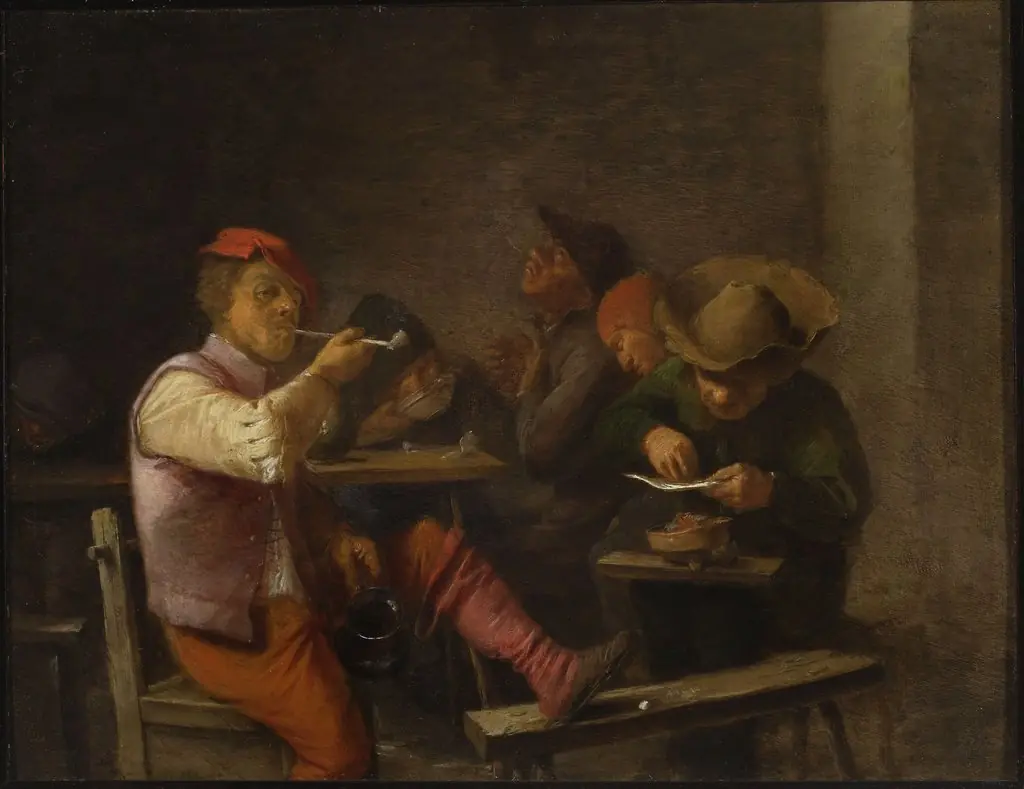
Inn Scene is an oil painting by the Dutch Golden Age artist Adriaen van Ostade. It dates from 1650 and is held in the collection of the Royal Museum of Fine Arts Antwerp.
About this work
Overview
The painting resides in the Royal Museum of Fine Arts Antwerp, where it remains part of a broader collection of Dutch Golden Age genre scenes.
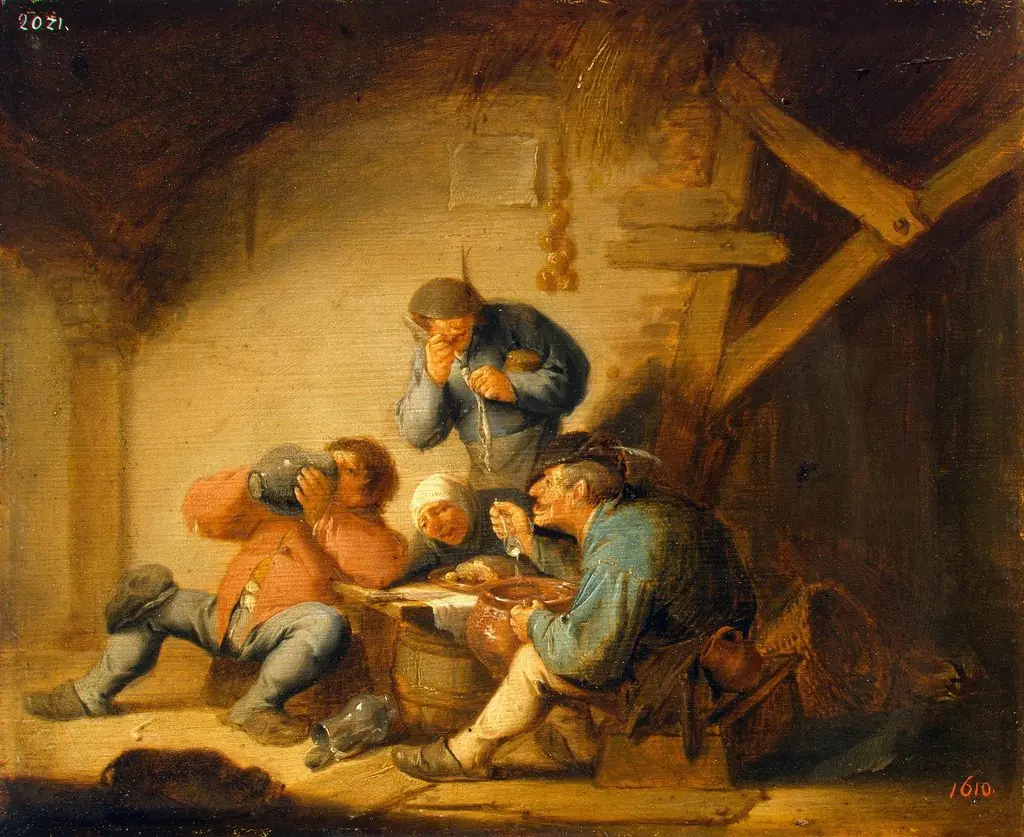
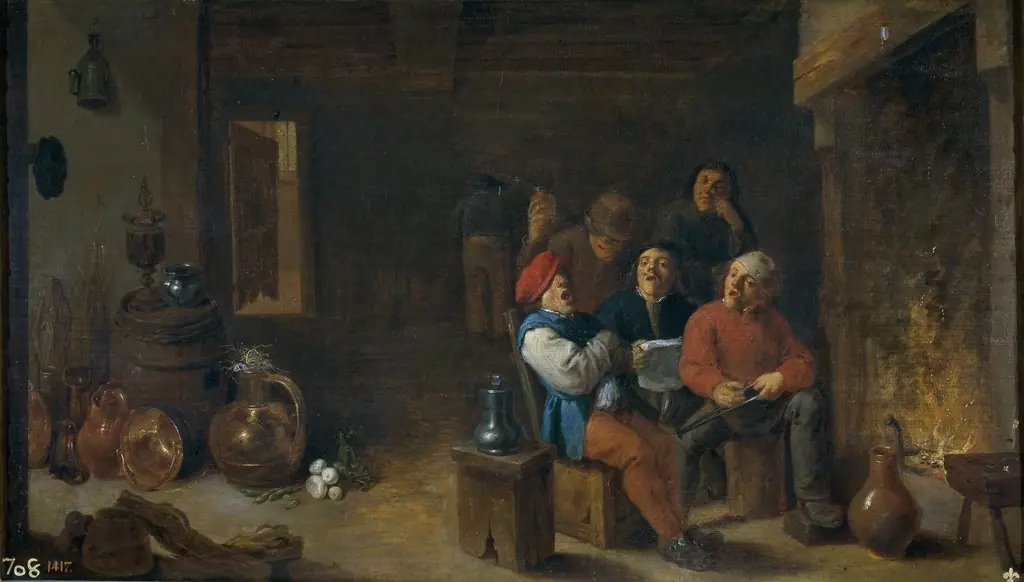
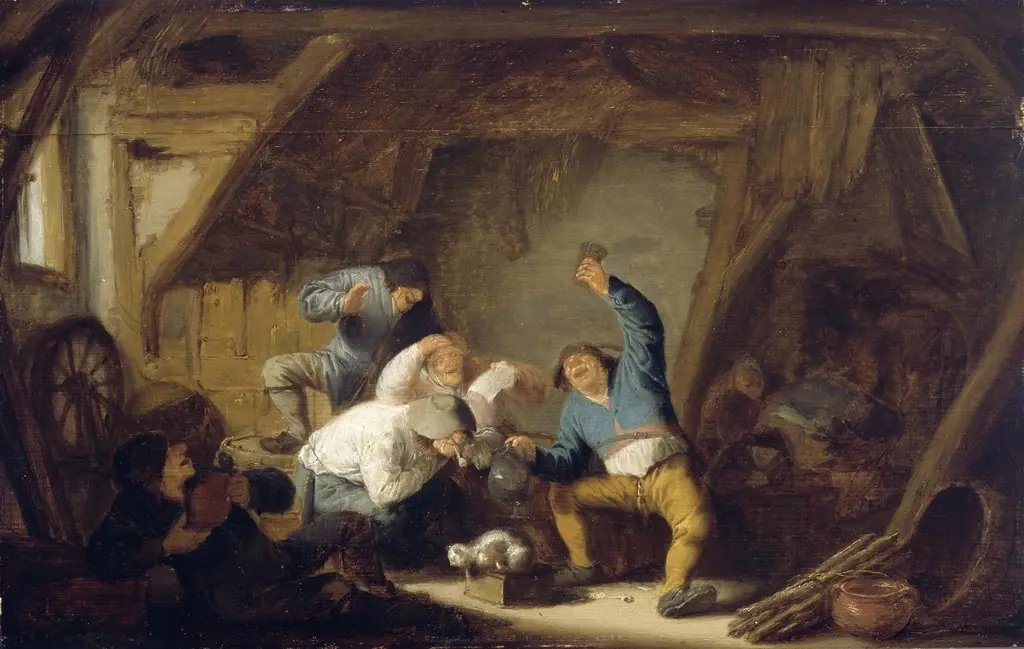
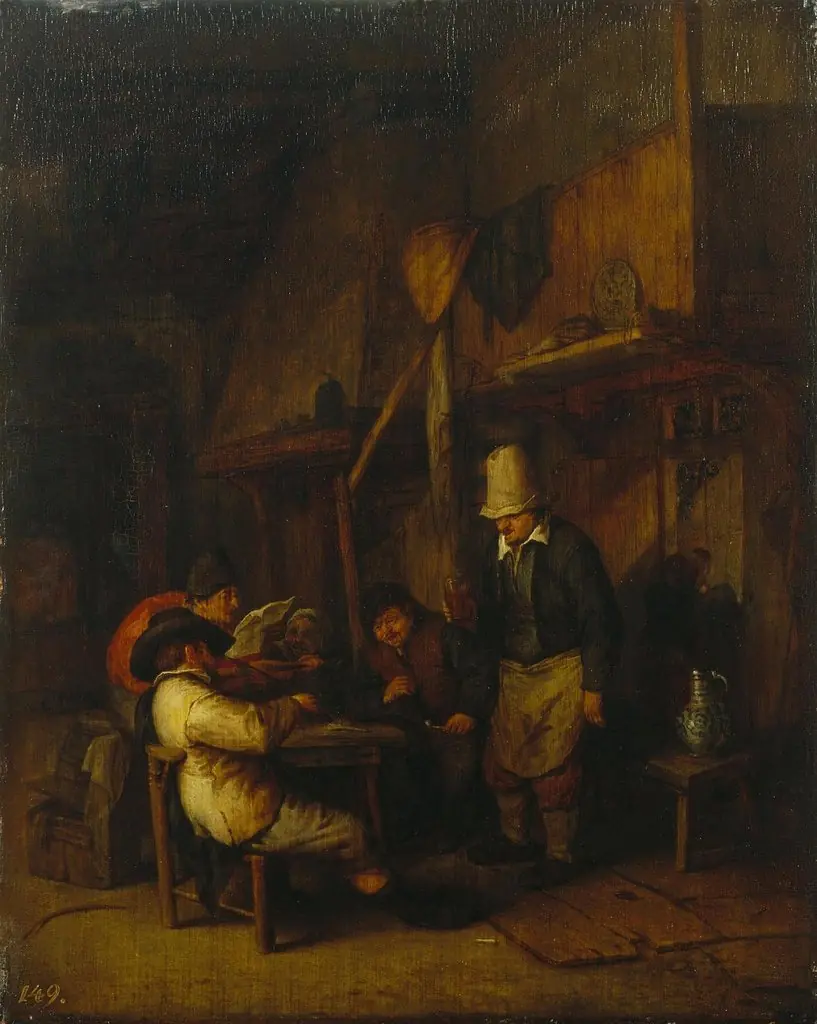
Painted around 1650 by Adriaen van Ostade, this oil-on-canvas work depicts an interior of a rural inn. The scene captures a moment of informal gathering, with figures engaged in quiet or boisterous interaction. The composition is grounded in everyday life, avoiding idealization in favor of observed human behavior. The painting resides in the Royal Museum of Fine Arts Antwerp, where it remains part of a broader collection of Dutch Golden Age genre scenes.
Subject & Meaning
The painting portrays a group of peasants and laborers in a moment of shared leisure. Figures are arranged around a wooden table, some drinking, others resting on the floor or leaning against walls. The absence of narrative clarity suggests no moralizing intent; instead, the focus lies in the quiet dignity of ordinary social bonds. The scene reflects the value placed on communal warmth in rural Dutch society, without overt celebration or critique.
Technique & Style
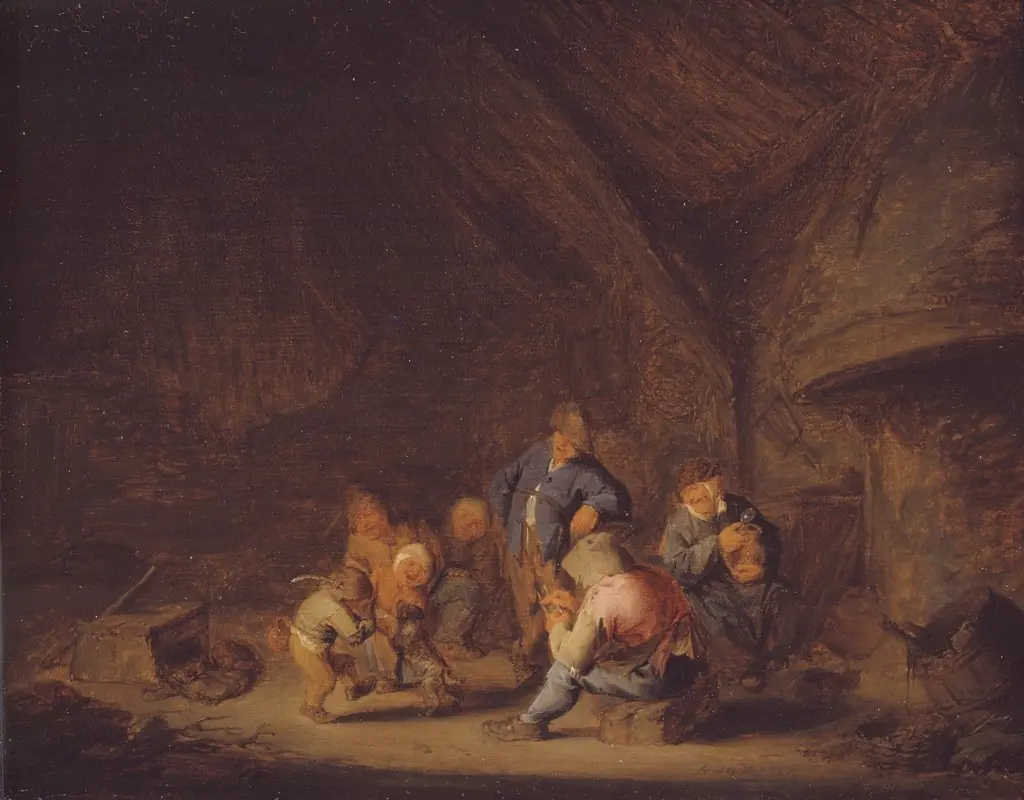
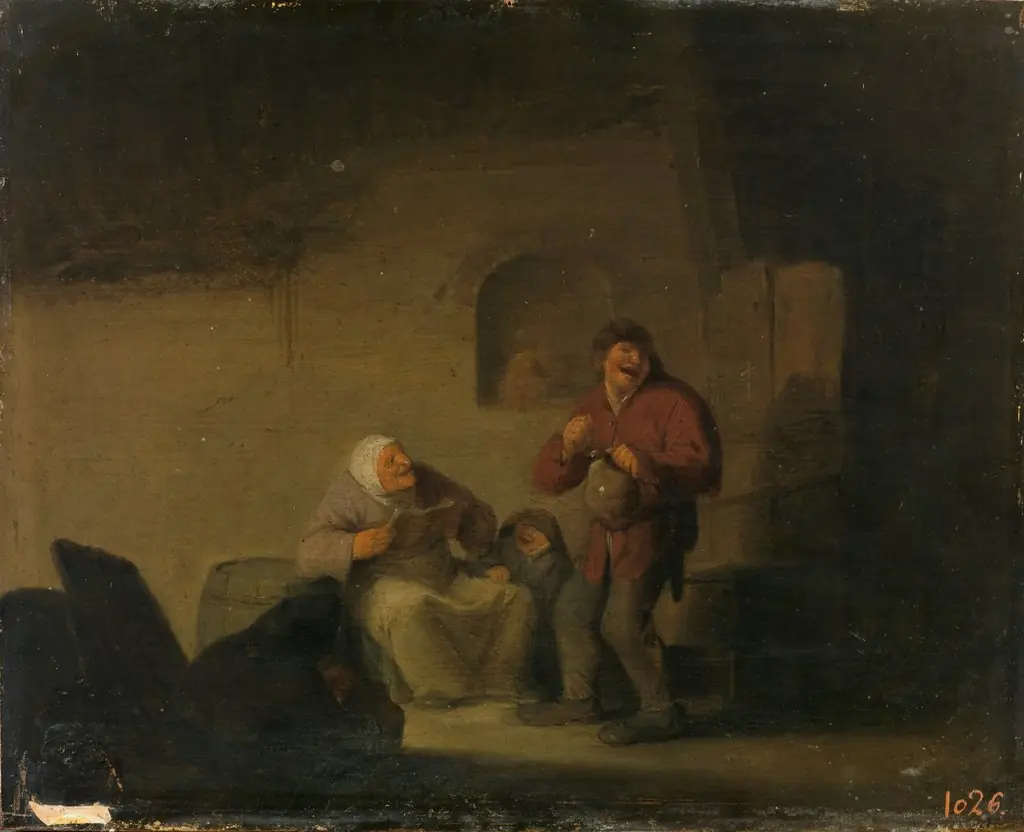
Van Ostade employs loose, fluid brushwork to convey movement and texture, particularly in clothing and facial expressions. Warm, muted earth tones dominate the palette, with soft chiaroscuro modeling the figures against dim interiors. Light filters through unseen windows, casting gentle highlights on skin and wood. The technique avoids polish, favoring immediacy and tactile realism, characteristic of his mature genre style during the mid-seventeenth century.
History & Provenance
The painting entered the collection of the Royal Museum of Fine Arts Antwerp in the nineteenth century, likely through acquisition from a private Belgian or Dutch collection. Its attribution to van Ostade has remained consistent since its cataloging. No significant alterations or restorations are documented, and it has been exhibited periodically as an example of Dutch genre painting from the 1650s.
Context
During the 1650s, Dutch artists increasingly turned to scenes of common life as market demand grew for non-religious, non-elite subjects. Van Ostade, alongside peers like Pieter de Hooch, captured the interiors of taverns and cottages with psychological nuance. This work aligns with a broader cultural interest in the moral and social dimensions of rural existence, reflecting both the realities and ideals of post-Reformation Dutch society.
Legacy
Van Ostade’s inn scenes influenced later genre painters in the Netherlands and beyond, particularly in their unembellished portrayal of working-class life. While not as widely recognized as Rembrandt or Vermeer, his focus on authentic human interaction helped define the visual language of Dutch domestic realism. This painting remains a quiet testament to the enduring appeal of ordinary moments rendered with empathy and observation.
Artist & collection
Artist
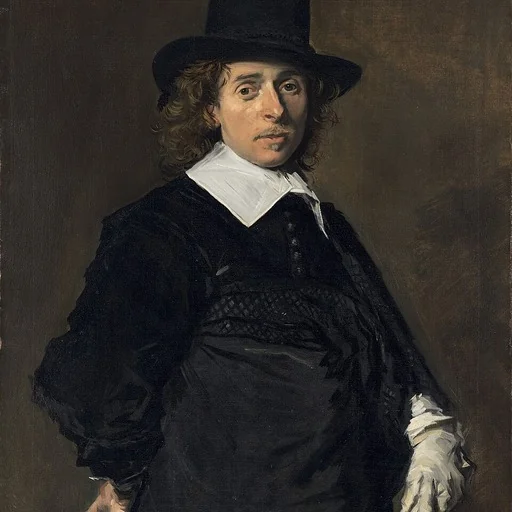
Adriaen van Ostade (baptized as Adriaen Jansz Hendricx 10 December 1610 – buried 2 May 1685) was a Dutch Golden Age painter of genre works, showing the everyday life of ordinary men and women.