Artwork
Portrait of Painter Marcin Samlicki
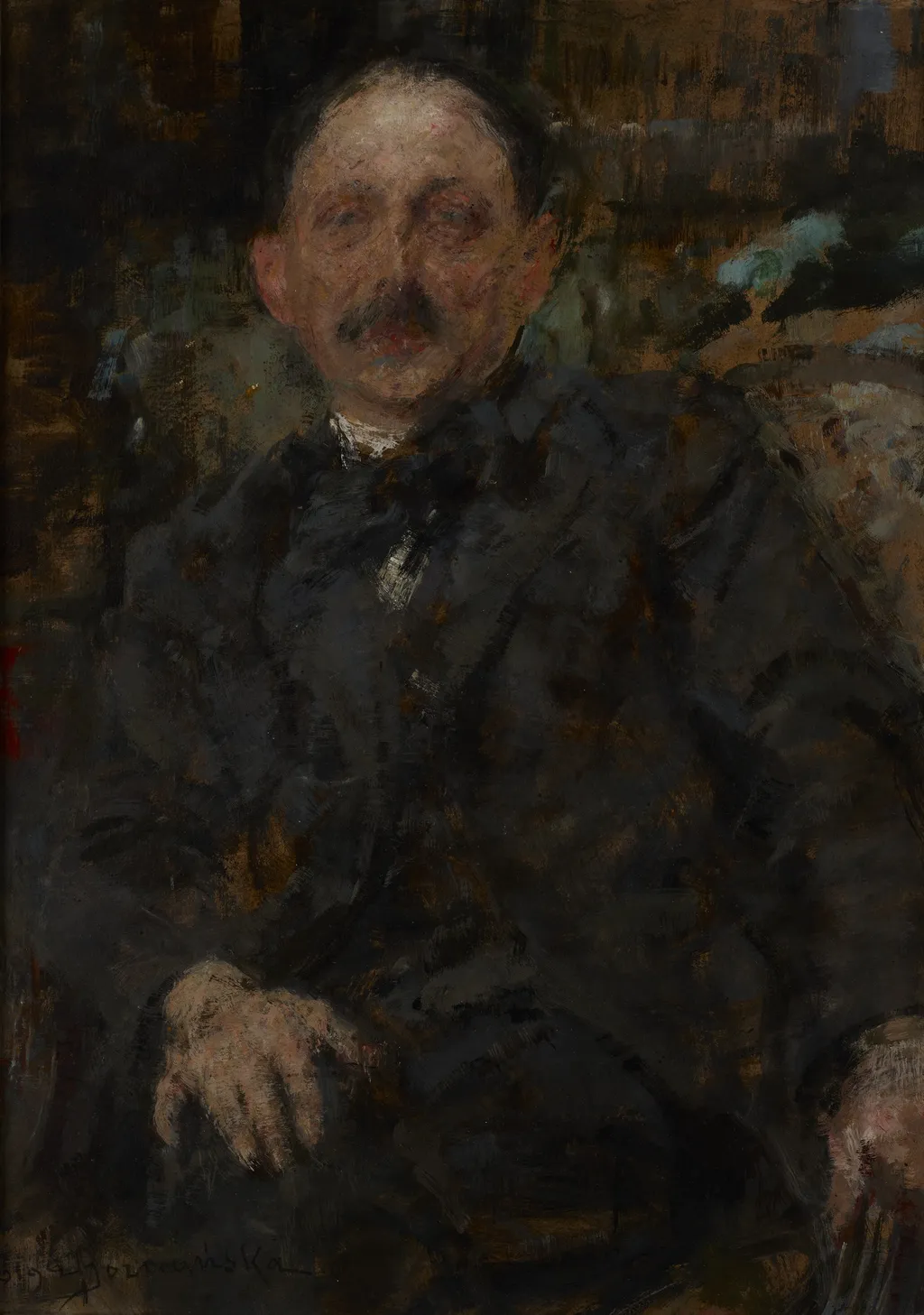
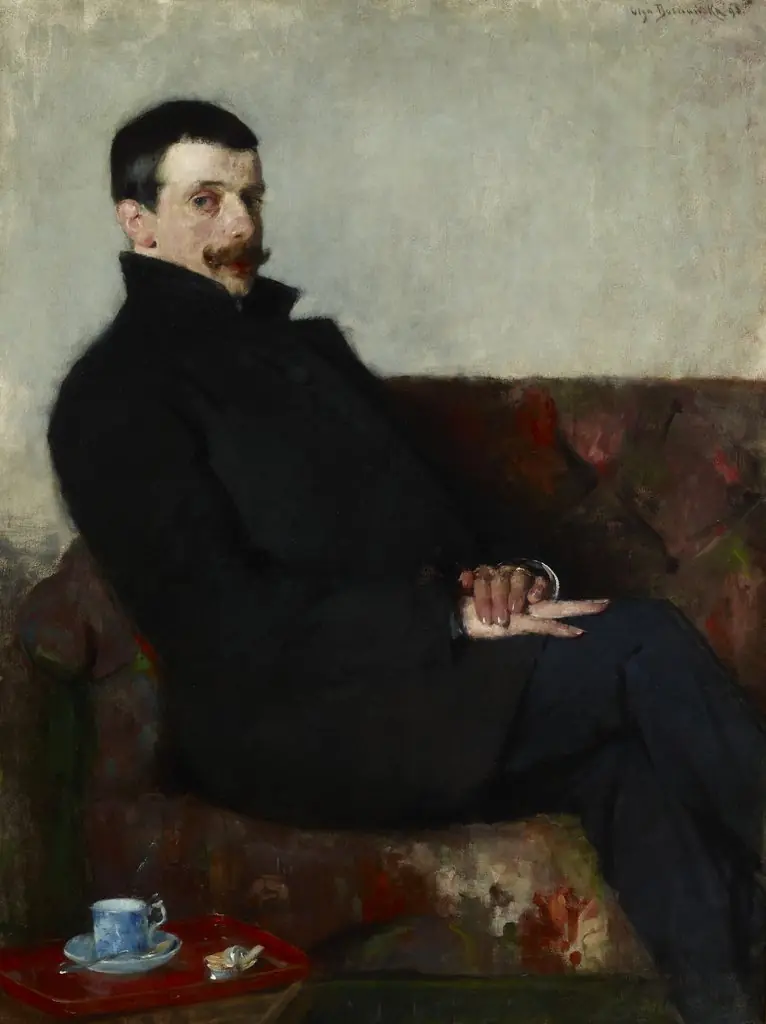
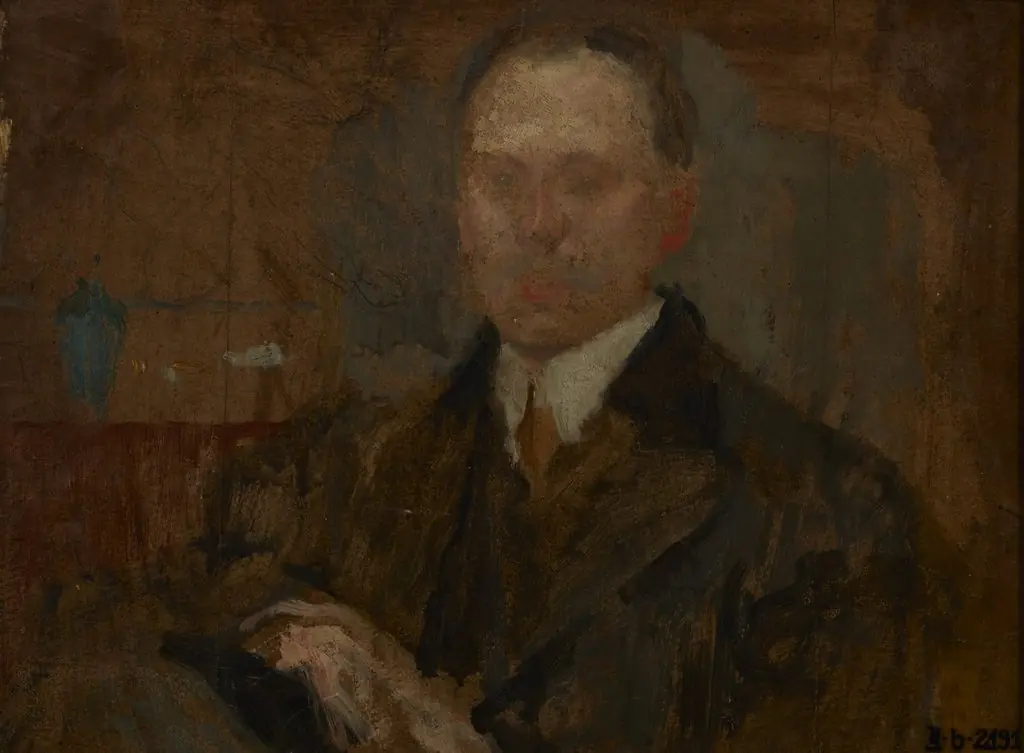
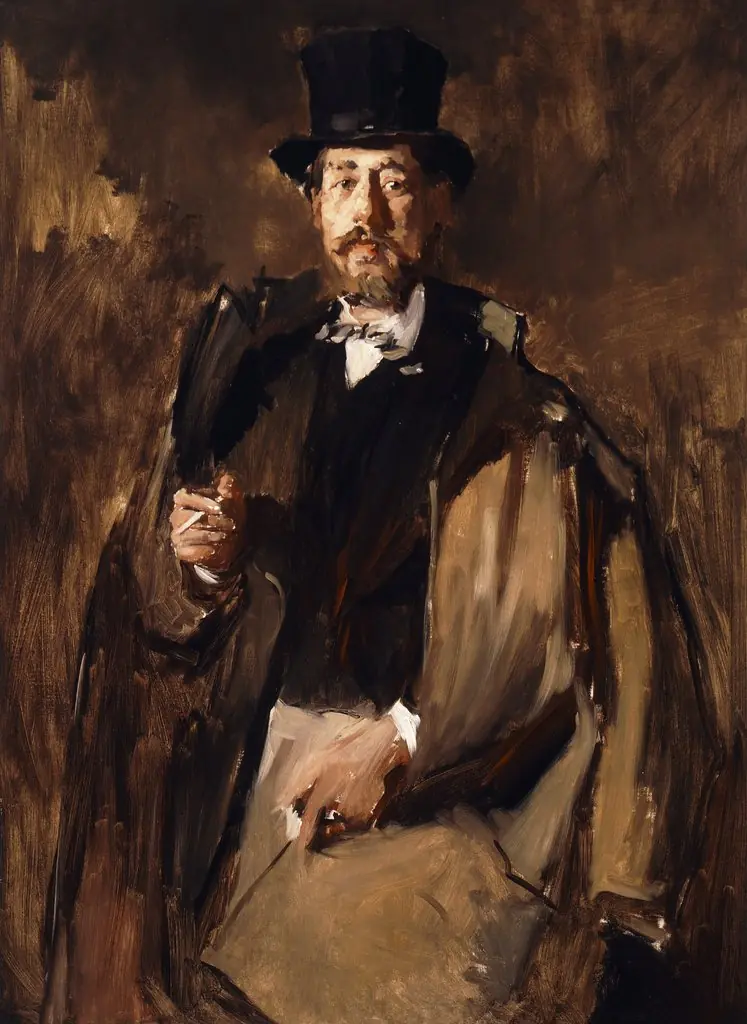
Portrait of Painter Marcin Samlicki is an unspecified painting by the Biedermeier artist Olga Boznańska. It dates from 1919 and is held in the collection of the National Museum in Kraków.
About this work
Overview
The composition avoids embellishment, focusing instead on subtle tonal shifts and the psychological presence of the sitter.
Painted in 1919 by Olga Boznańska, this portrait depicts the Polish artist Marcin Samlicki. Executed in oil on canvas, the work is part of the National Museum in Kraków’s collection. It presents a restrained, introspective view of its subject, emphasizing quiet dignity over theatricality. The composition avoids embellishment, focusing instead on subtle tonal shifts and the psychological presence of the sitter.
Subject & Meaning
Marcin Samlicki, a fellow painter and contemporary of Boznańska, is portrayed without props or symbolic elements. His dark hair, mustache, and simple attire suggest a man of quiet profession. The somber expression and downward gaze convey introspection rather than confrontation. The portrait does not seek to glorify but to observe, reflecting a shared understanding among artists of the era about the weight of creative labor.
Technique & Style
Boznańska employed a muted palette of grays, browns, and muted whites, with minimal contrast to unify the figure against the indistinct background. Brushwork is deliberate yet fluid, particularly in the rendering of fabric and skin. The absence of sharp outlines and the soft blending of tones create a sense of atmospheric depth, characteristic of her mature style and her alignment with late Impressionist and Symbolist tendencies.
History & Provenance
The painting was completed in 1919, during a period when Boznańska was living in Kraków after years in Paris. It remained in her possession until her death in 1940, after which it entered the National Museum in Kraków’s collection. Its provenance is well-documented, with no significant gaps or contested ownership, reflecting its status as a personal and artistic record rather than a commercial commission.
Context
Created in the aftermath of World War I, the portrait reflects a broader cultural shift toward introspection in Polish art. Boznańska, like many of her peers, turned inward, favoring psychological depth over nationalistic or decorative themes. The subdued tones and quiet composition align with the mood of a society rebuilding identity amid political and social upheaval.
Legacy
This portrait exemplifies Boznańska’s enduring contribution to modern portraiture in Central Europe. It stands as a quiet testament to the dignity of the artist’s life, influencing later generations who valued emotional restraint and technical nuance over spectacle. Though not widely exhibited, it remains a key reference in studies of early 20th-century Polish painting.
Own this work as a print
Artist & collection
Artist
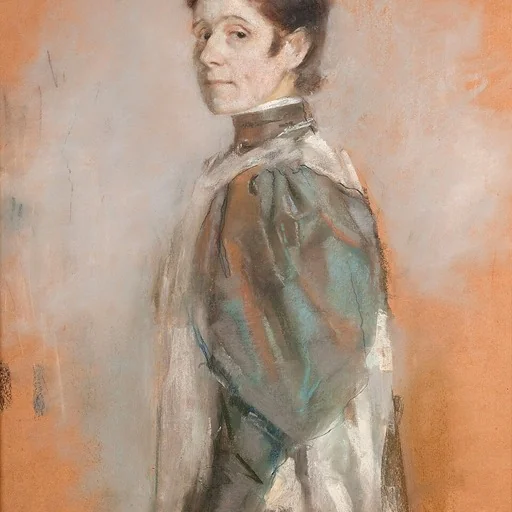
Olga Boznańska (15 April 1865 – 26 October 1940) was a Polish painter who was stylistically associated with the French impressionism, though she rejected this label.

 Portrait of Adam Nowina Boznański, Artist's Father
 Portrait of Bogdan Faleński – two-sided painting
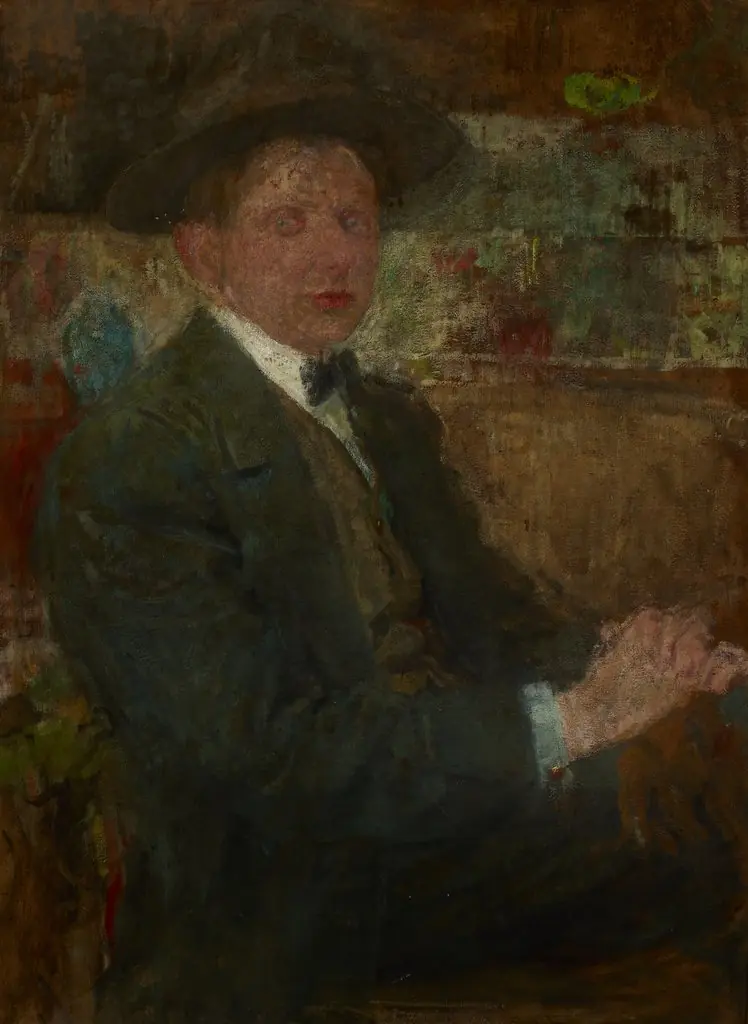 Portrait of a Man in a Hat
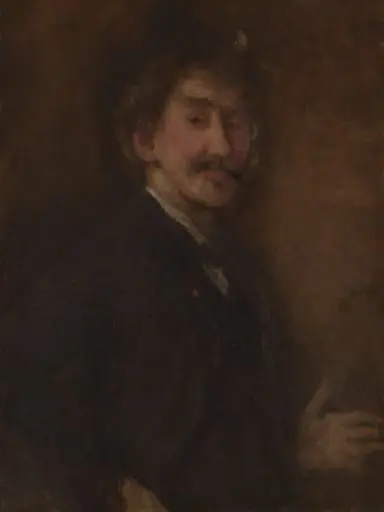 Gold and Brown: Self-Portrait
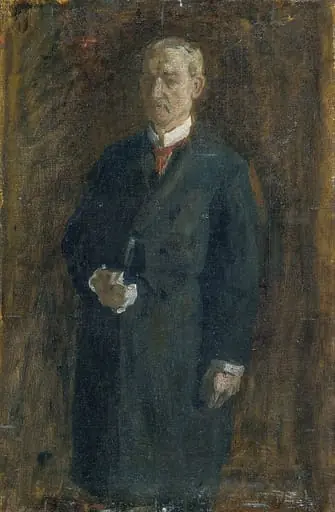 James MacAlister (Sketch)
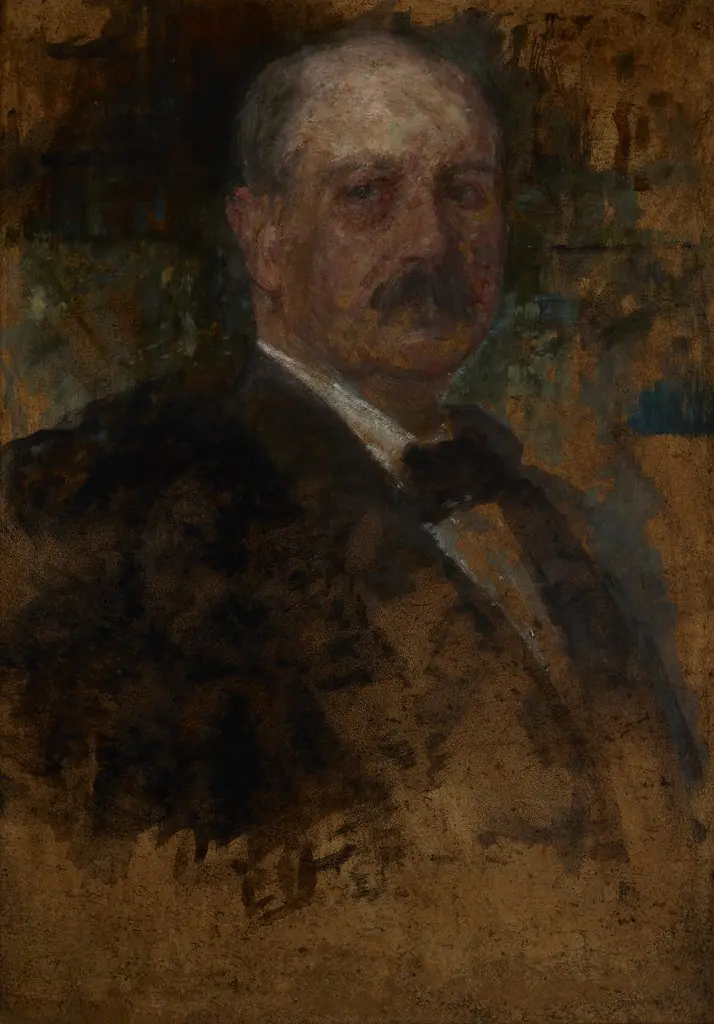 Portrait of an American
 View from the Studio's Window
 Portrait of a young man in black
 Male Portrait – two-sided painting
 Self Portrait
 Portrait of Pál Szinyei Merse