Artwork
The Martyrdom of Saint John
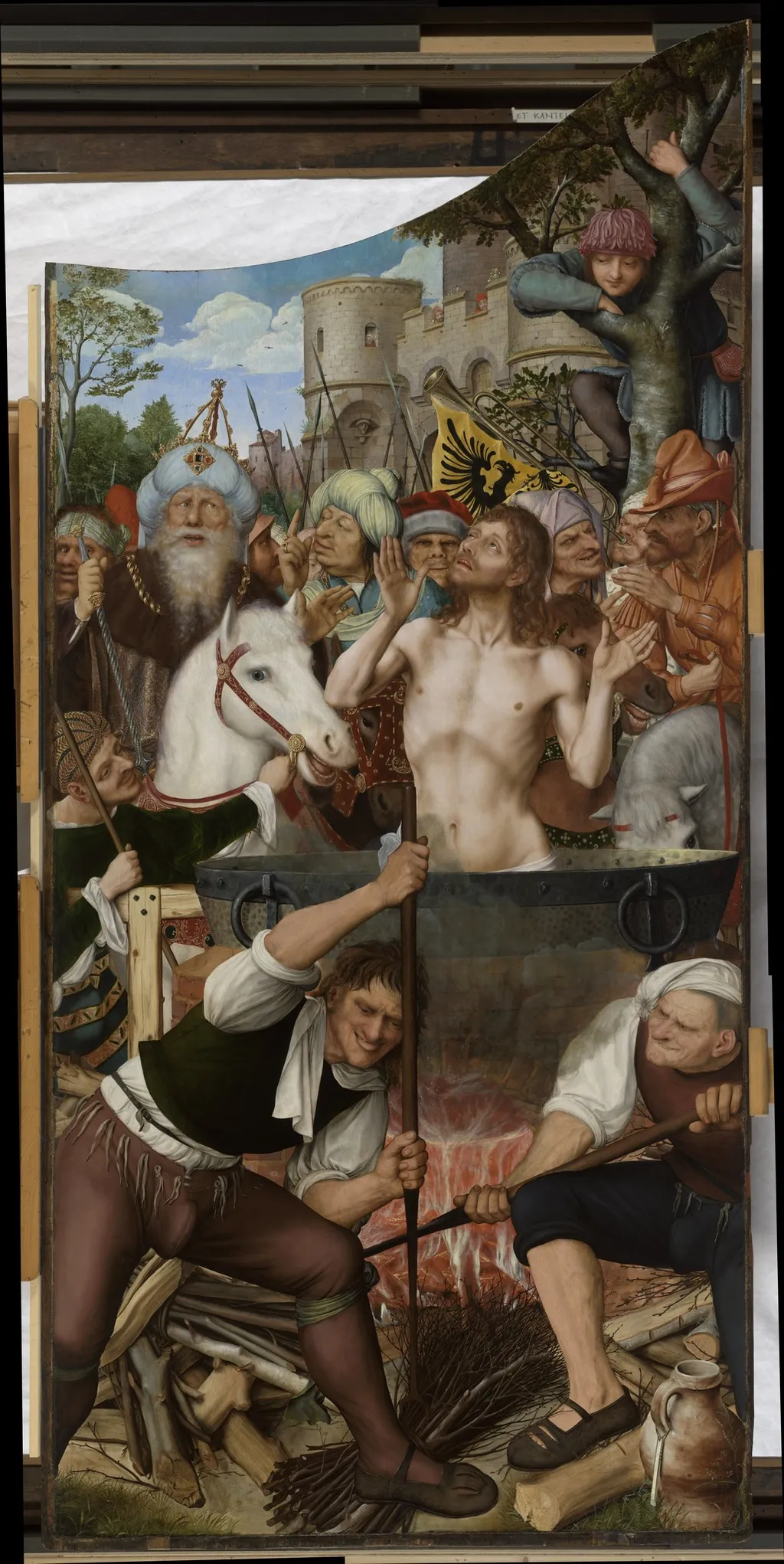
The Martyrdom of Saint John is an oil painting by the Northern Renaissance artist Quinten Metsys. It dates from 1511 and is held in the collection of the Royal Museum of Fine Arts Antwerp.
About this work
Overview
It remains part of the Royal Museum of Fine Arts Antwerp’s collection.
Painted in 1511 by Quinten Metsys, this oil-on-panel work depicts the martyrdom of Saint John the Evangelist, traditionally believed to have been subjected to boiling oil. Executed in Antwerp, where Metsys was a prominent artist and member of the Guild of Saint Luke, the painting exemplifies Northern Renaissance attention to detail and emotional intensity. It remains part of the Royal Museum of Fine Arts Antwerp’s collection.
Subject & Meaning
The scene captures the moment Saint John is immersed in a cauldron of boiling oil, a trial meant to kill him but which, according to legend, failed. His serene expression contrasts with the horrified reactions of onlookers, emphasizing divine protection and spiritual fortitude. The composition serves as both a devotional image and a moral lesson on faith under persecution, common in early 16th-century religious art.
Technique & Style
Metsys employed oil paint to achieve rich textures and nuanced color transitions, particularly in the rendering of skin, fabric, and metal. The palette balances warm earth tones for the cauldron and architecture with cooler, vivid hues for the figures, heightening emotional contrast. Fine brushwork details the expressions and gestures of the crowd, reinforcing the narrative’s psychological weight without overt theatricality.
History & Provenance
Commissioned during Metsys’s peak years in Antwerp, the painting was likely intended for a religious institution or private devotional use. It entered the Royal Museum of Fine Arts Antwerp’s collection in the 19th century, having remained in the region since its creation. No significant alterations or reworkings are documented, preserving its original composition and intent.
Context
Created during the height of the Northern Renaissance, the painting reflects regional trends in religious storytelling, where biblical narratives were rendered with psychological realism and moral clarity. Antwerp’s thriving artistic community, supported by merchant patrons, encouraged works that combined devotional gravity with human drama, often infused with subtle social commentary.
Legacy
Though less widely known than some contemporaries, Metsys’s work contributed to the evolution of Flemish narrative painting. His ability to merge emotional realism with religious subject matter influenced later artists in the region. This painting remains a key example of how Northern Renaissance painters used detailed observation to convey spiritual themes with visceral immediacy.
Artist & collection
Artist
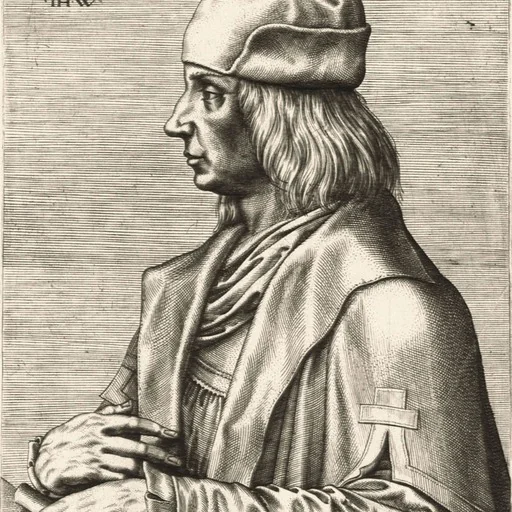
Quentin Matsys (UK: MAT-sysse, US: MAHT-sysse; also Massys or Metsys; Flemish: Quinten Matsijs ; 1466–1530) was a Flemish painter in the Early Netherlandish tradition.


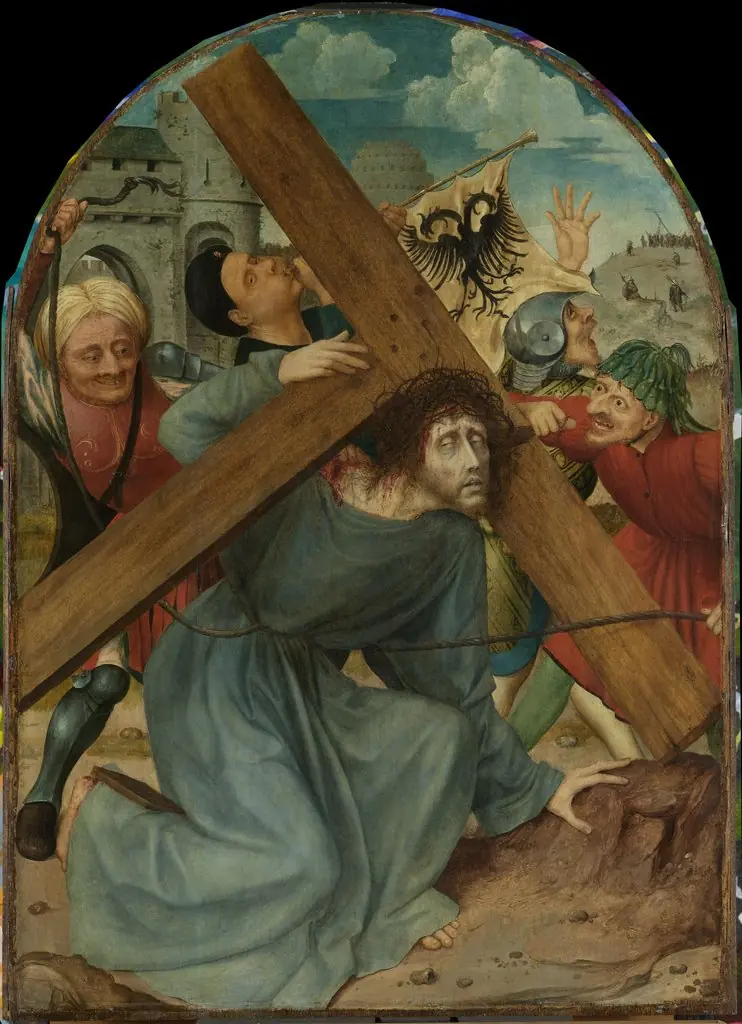
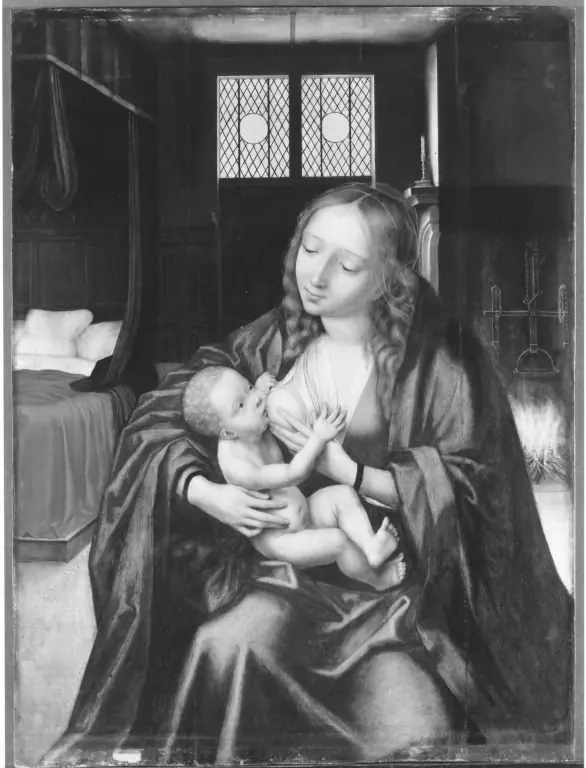
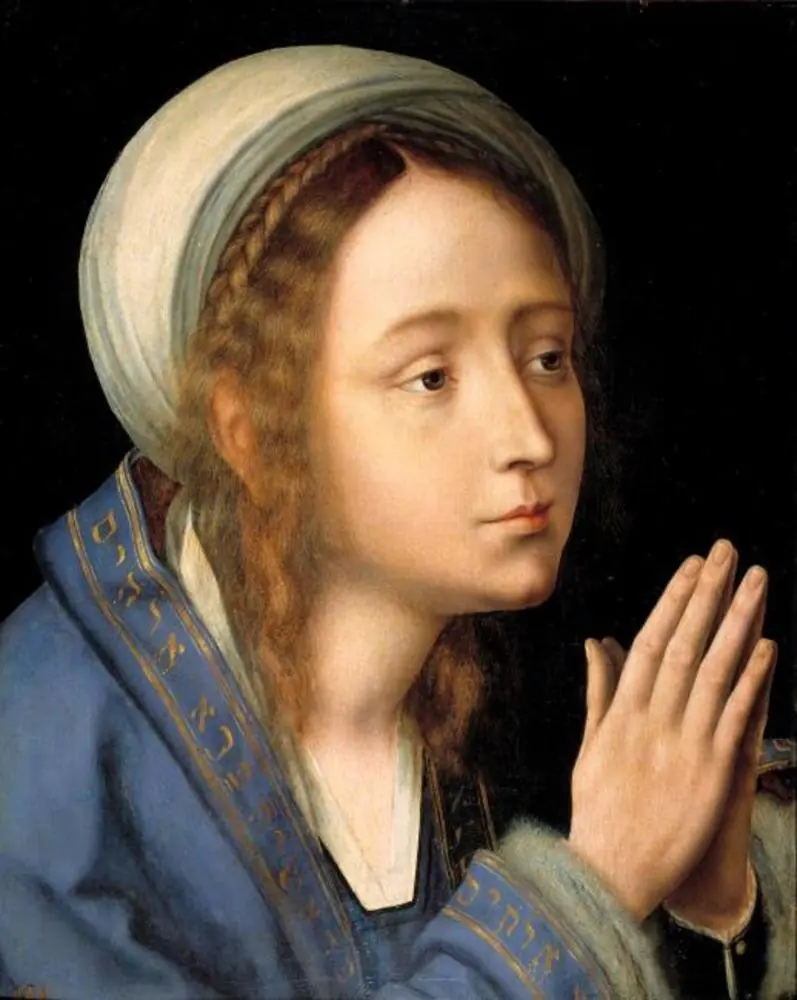

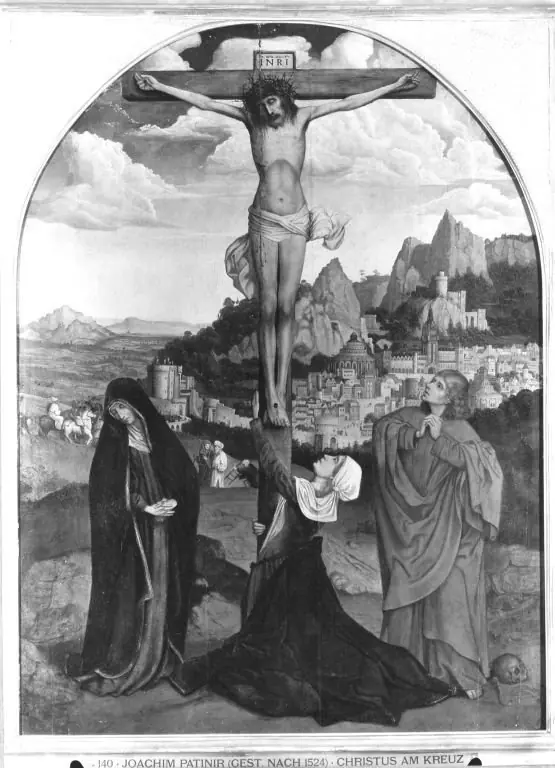
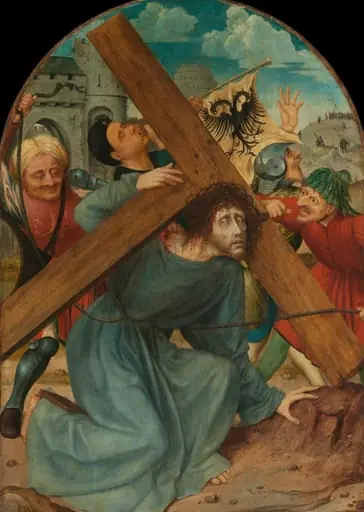 Christ Carrying the Cross
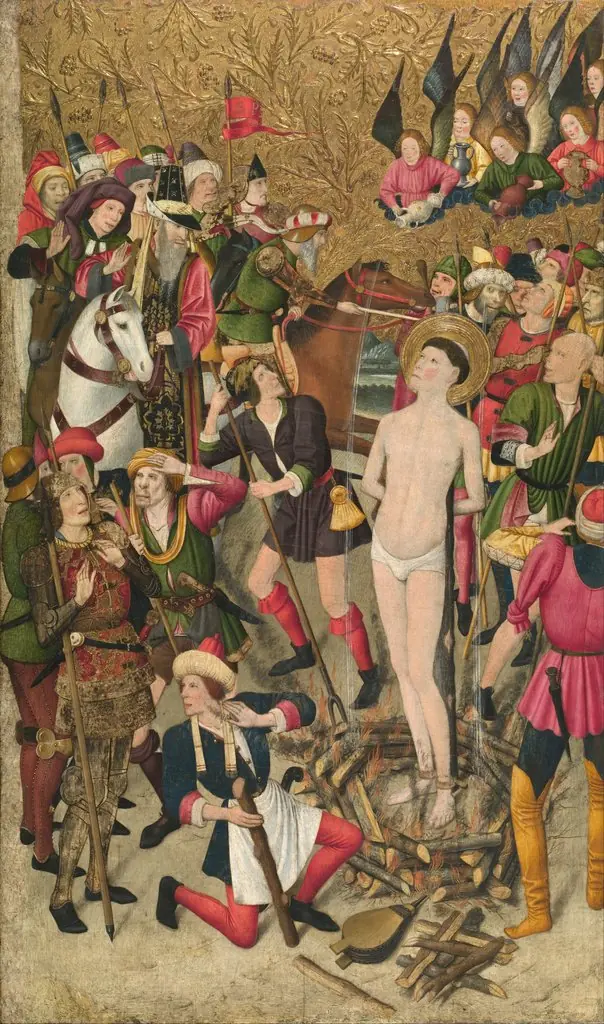 Saint Vincent at the Stake
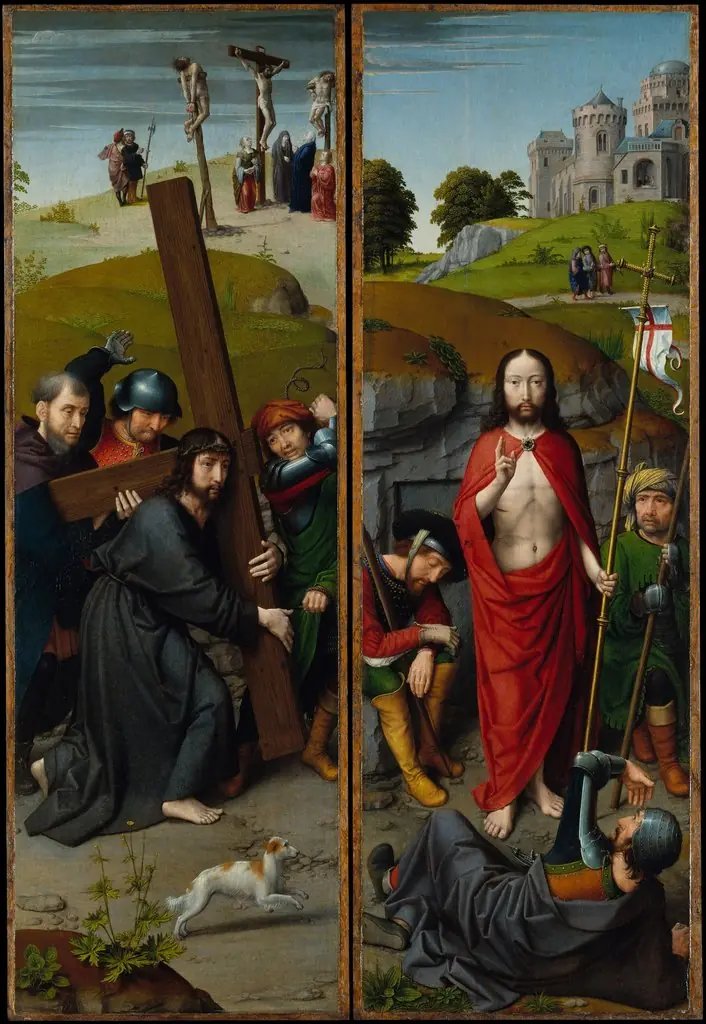 Christ Carrying the Cross, with the Crucifixion; The Resurrection, with the Pilgrims of Emmaus
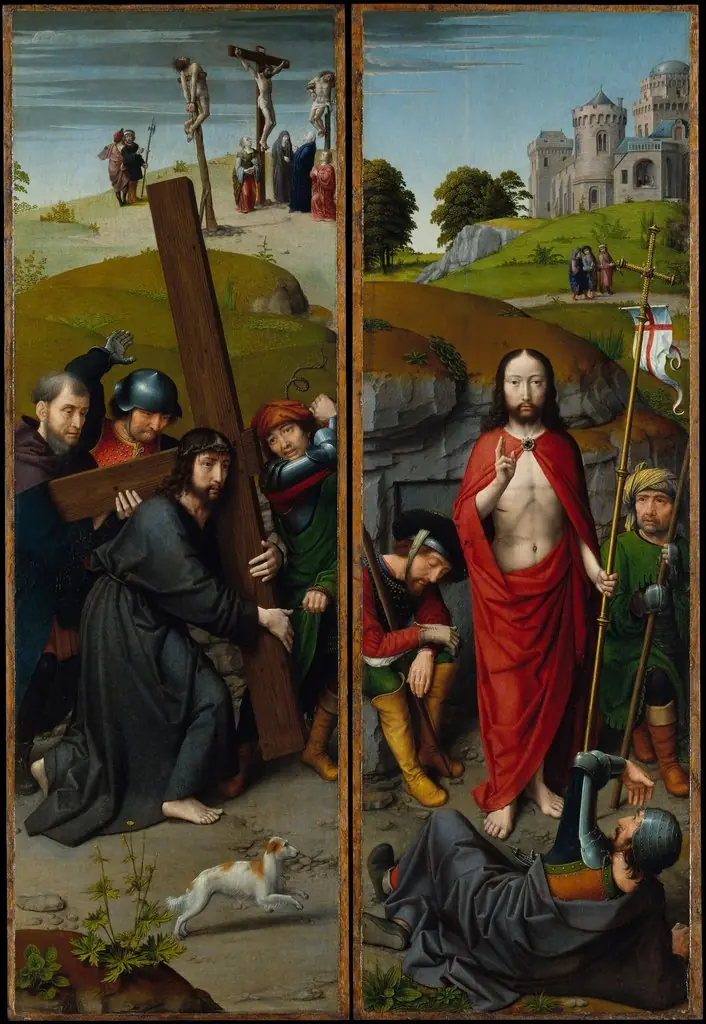 Christ Carrying the Cross, with the Crucifixion; The Resurrection, with the Pilgrims of Emmaus
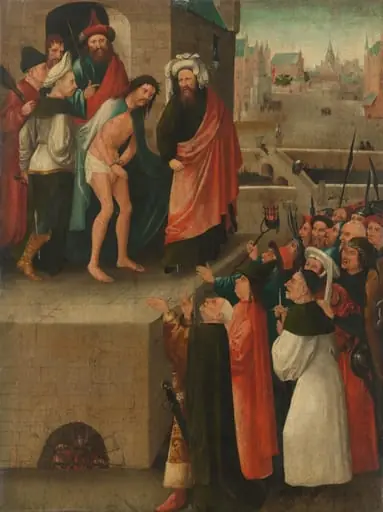 Ecce Homo
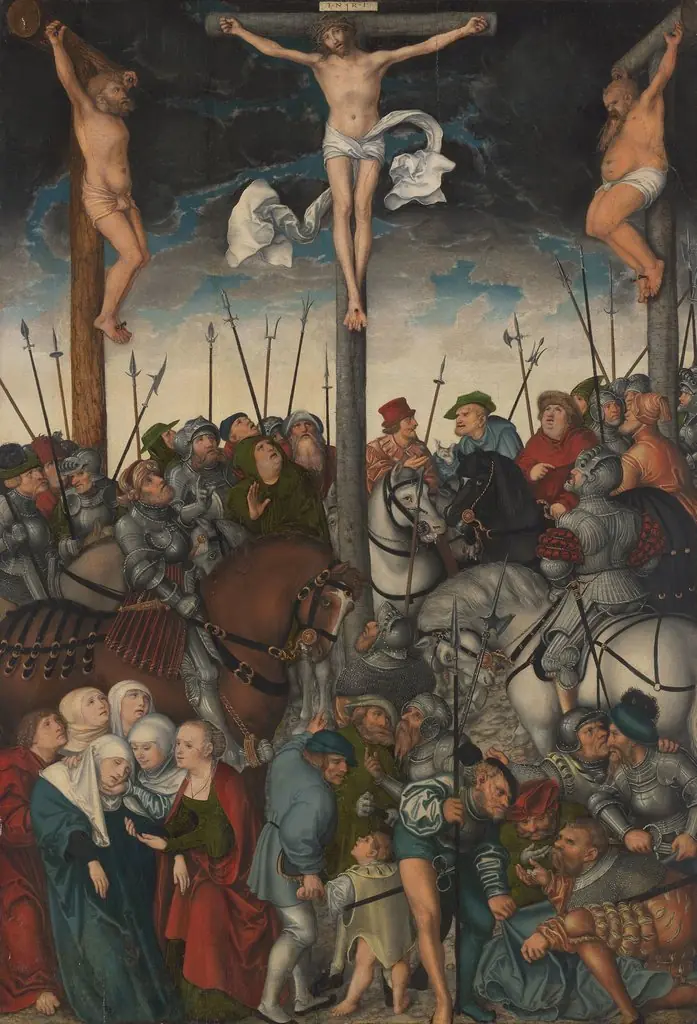 The Crucifixion
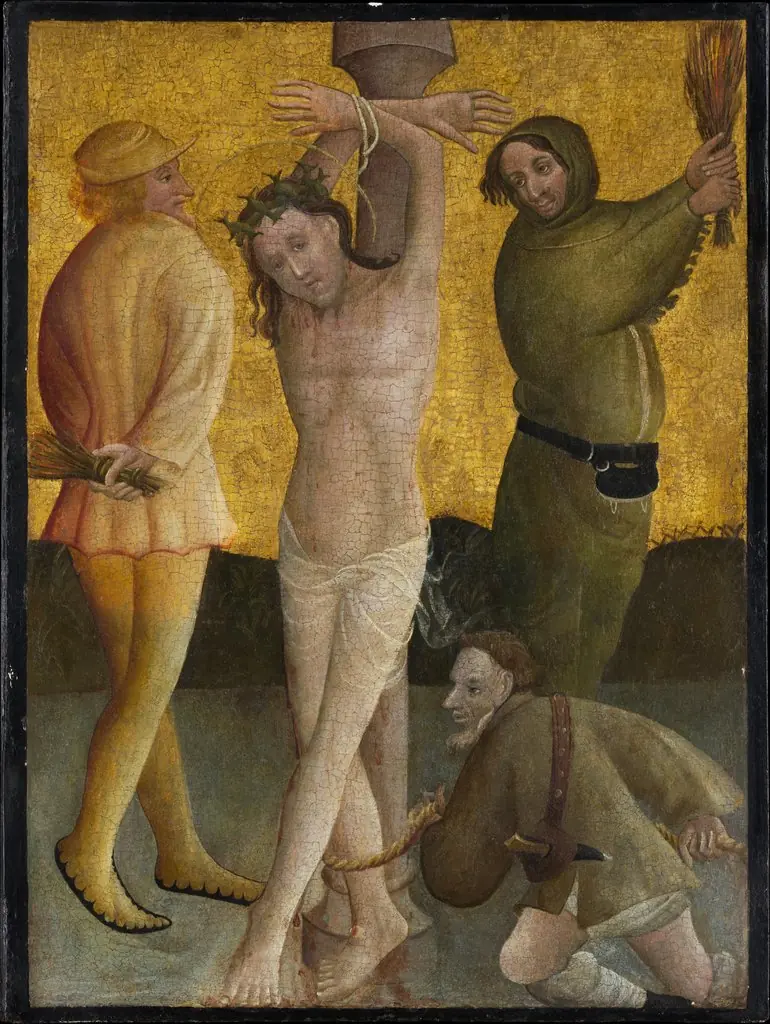 The Flagellation
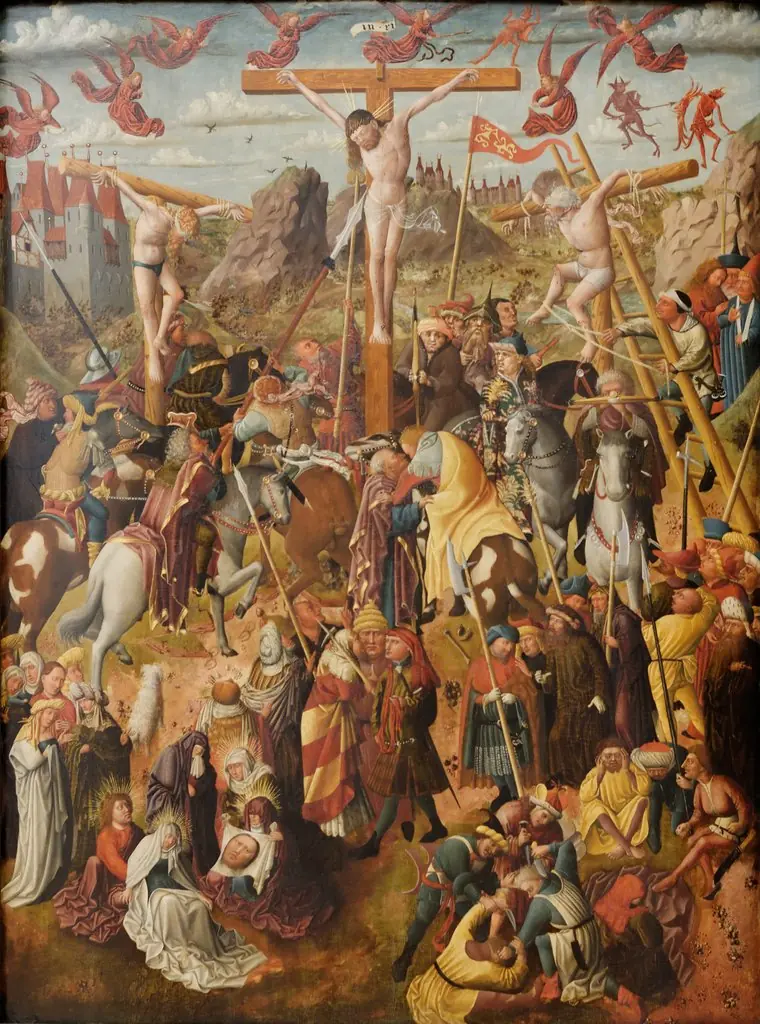 Crucifixion
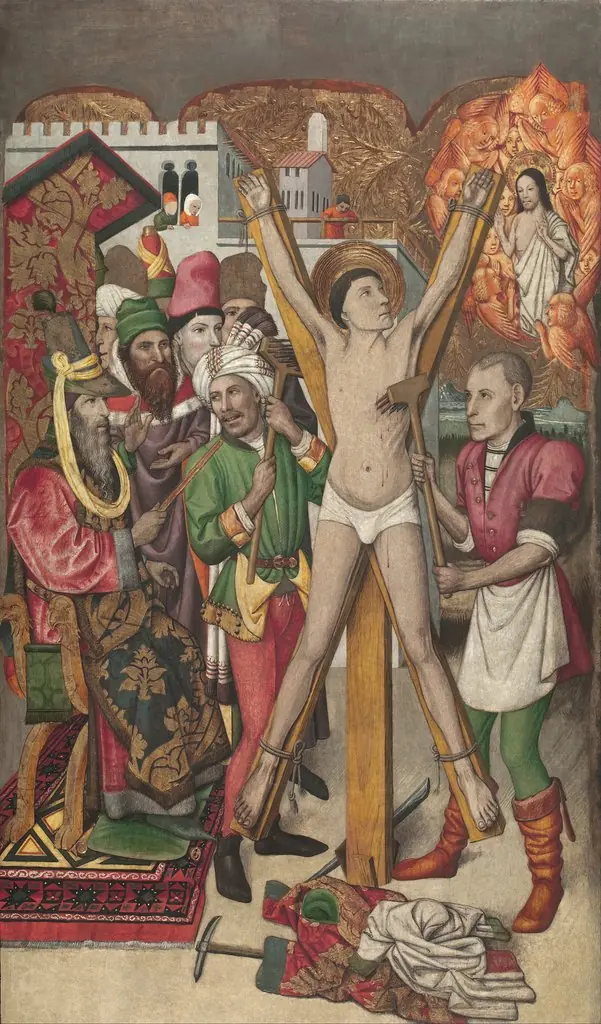 Saint Vincent on the Rack
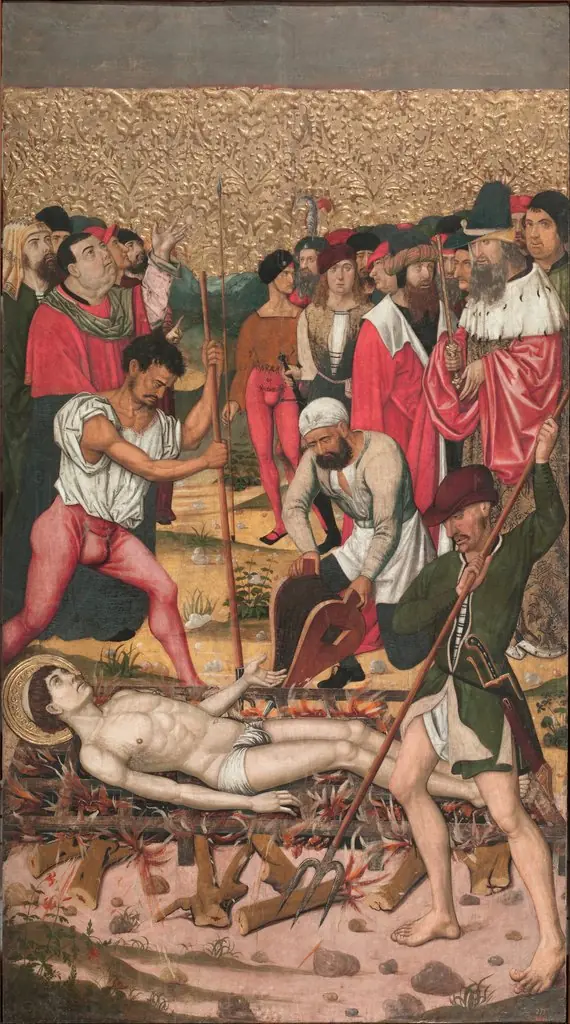 Saint Vincent on the Gridiron
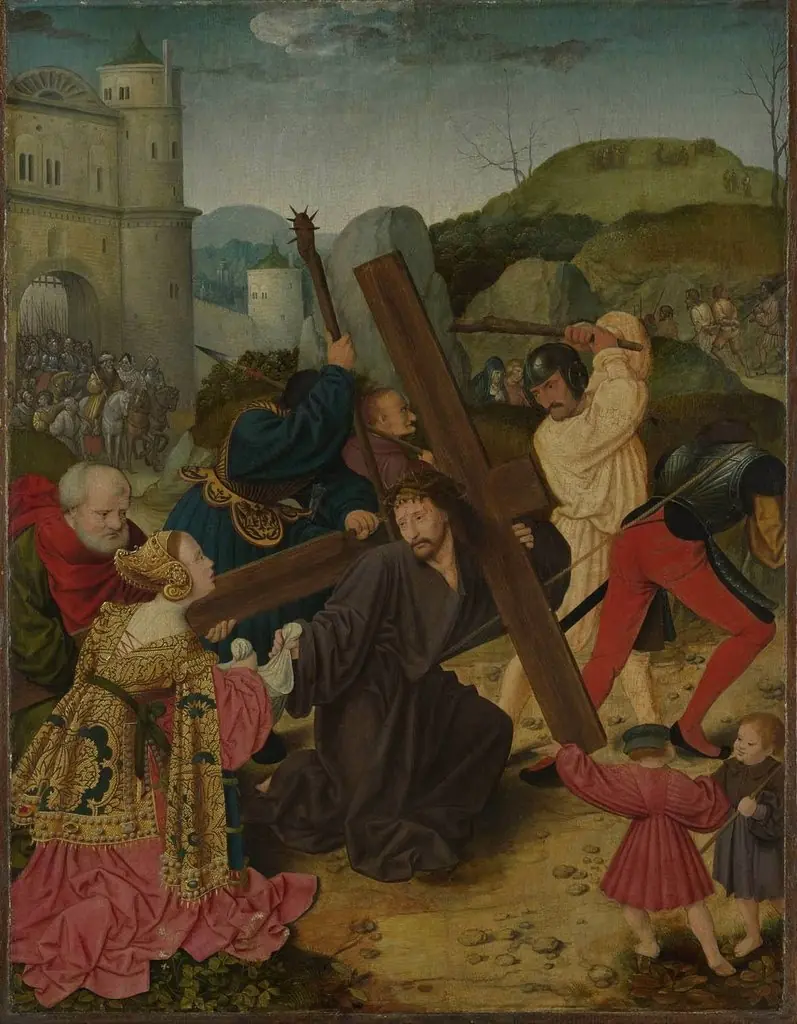 Christ carrying the cross