Artwork
The Holy Family with Saint John the Baptist
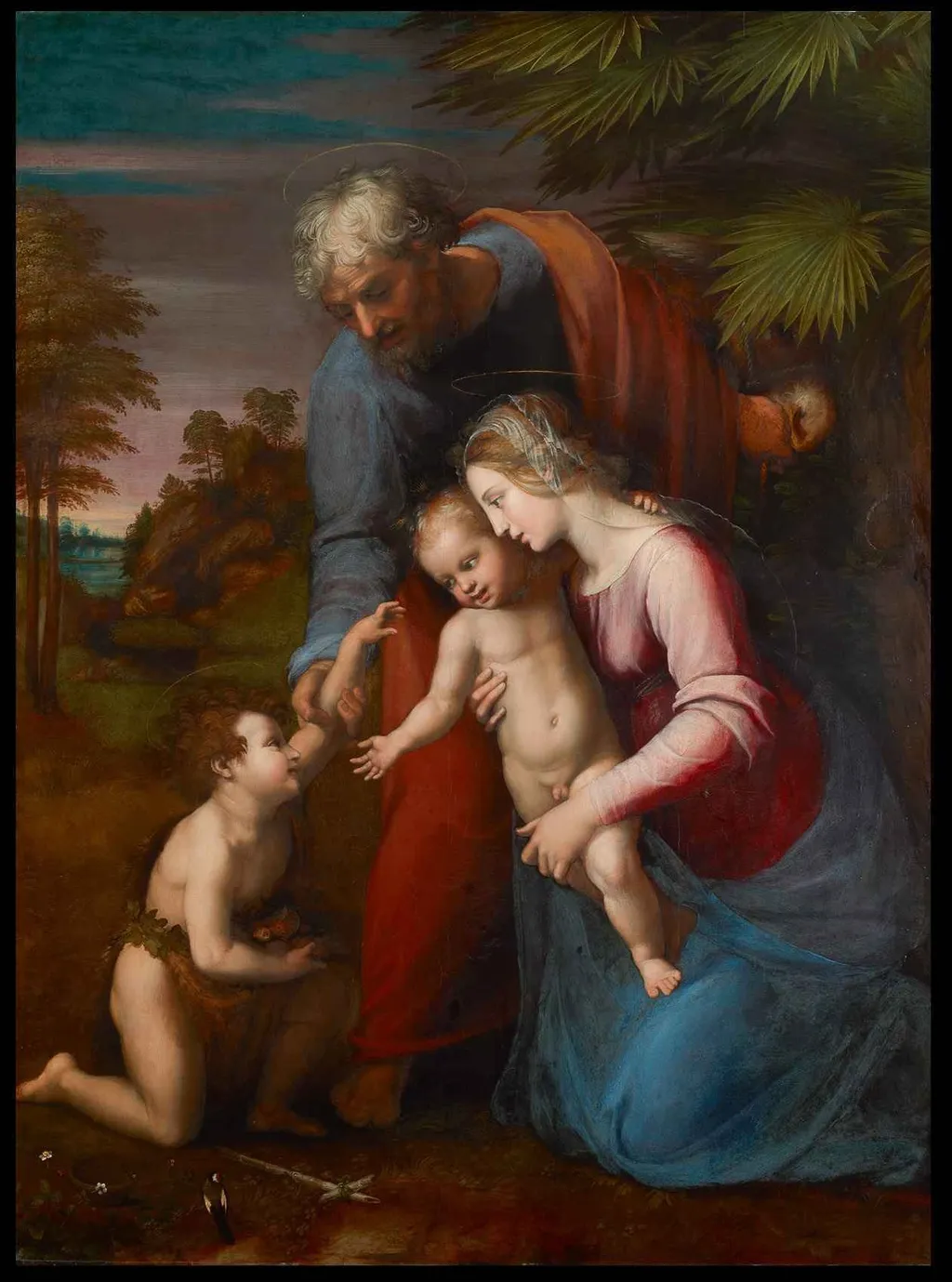
The Holy Family with Saint John the Baptist is an oil painting by the High Renaissance artist Raphael. It dates from 1513 and is held in the collection of the Kunsthistorisches Museum.
About this work
Overview
Painted in 1513, this oil-on-panel work by Raphael presents a quiet domestic scene centered on the Holy Family, augmented by the presence of the young Saint John the Baptist. Set within a softly rendered natural landscape, the composition reflects the ideals of harmony and balance characteristic of the High Renaissance. The painting resides today in the Kunsthistorisches Museum in Vienna.
Subject & Meaning
The scene portrays the Virgin Mary cradling the infant Jesus, while Saint Joseph stands protectively behind them. The kneeling child, Saint John the Baptist, reaches toward Jesus in an act of recognition and devotion. The interaction suggests theological themes of divine kinship and prophetic acknowledgment, rendered with restrained emotion rather than dramatic intensity.
Technique & Style
Raphael employs chiaroscuro to model the figures with gentle gradations of light, enhancing their three-dimensionality against a dim, wooded backdrop. The soft rendering of skin, particularly on the infants, conveys tactile warmth. Drapery folds are carefully observed, and the landscape recedes with atmospheric perspective, creating depth without distraction from the central group.
History & Provenance
Commissioned during Raphael’s Roman period, the painting entered the Habsburg collection in the early 17th century. It has remained in Vienna since, housed in the Kunsthistorisches Museum since its founding in 1891. Its continuous presence in imperial collections underscores its enduring status as a valued religious image.
Context
Created during Raphael’s mature phase, the work aligns with contemporaneous religious commissions that emphasized serenity and humanized divinity. Unlike more theatrical altarpieces of the era, this piece favors intimacy, reflecting a shift toward personal devotion and naturalistic expression favored by patrons and humanist thinkers of the time.
Legacy
The painting exemplifies Raphael’s ability to merge classical grace with spiritual quietude. While not as widely reproduced as his larger altarpieces, it influenced later depictions of the Holy Family through its compositional balance and emotional restraint, serving as a model for generations of artists seeking harmony in sacred subjects.
Own this work as a print
Artist & collection
Artist
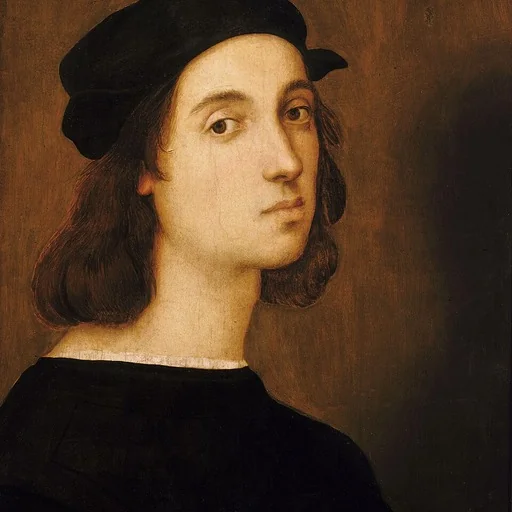
Raphael was born Raffaello Sanzio in Urbino on April 6, 1483, the son of Giovanni Santi, a painter and poet attached to the ducal court.


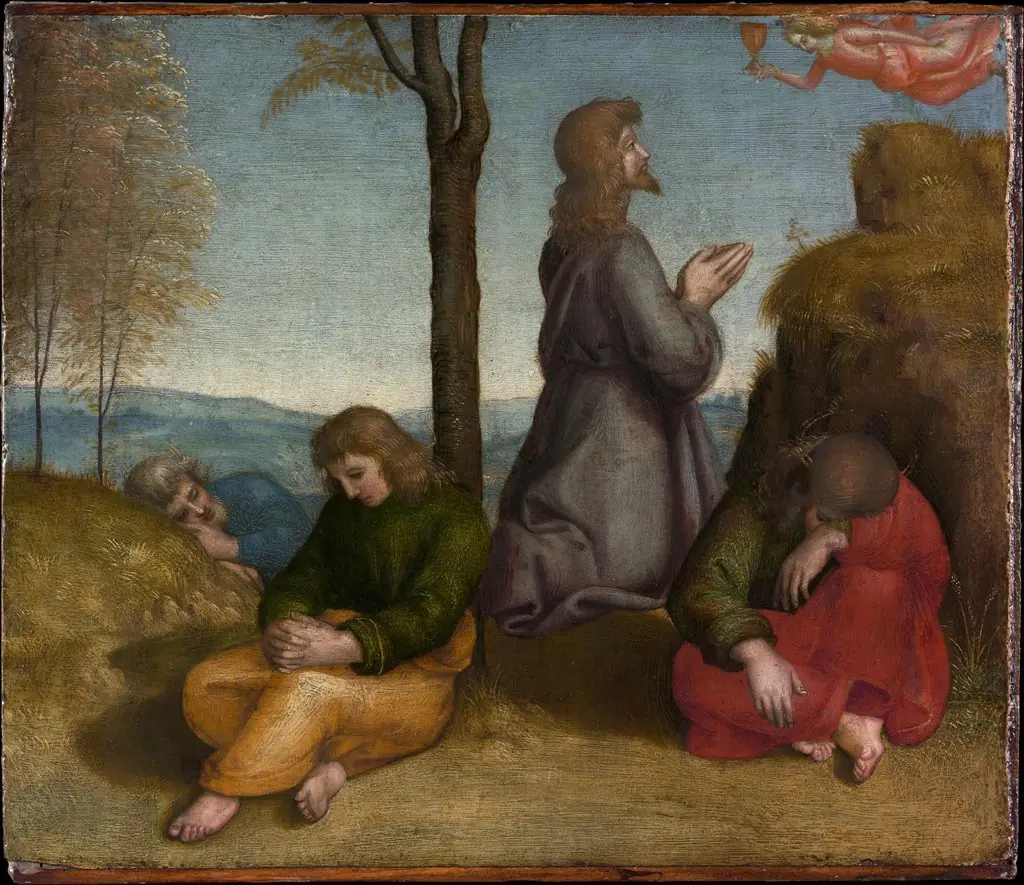
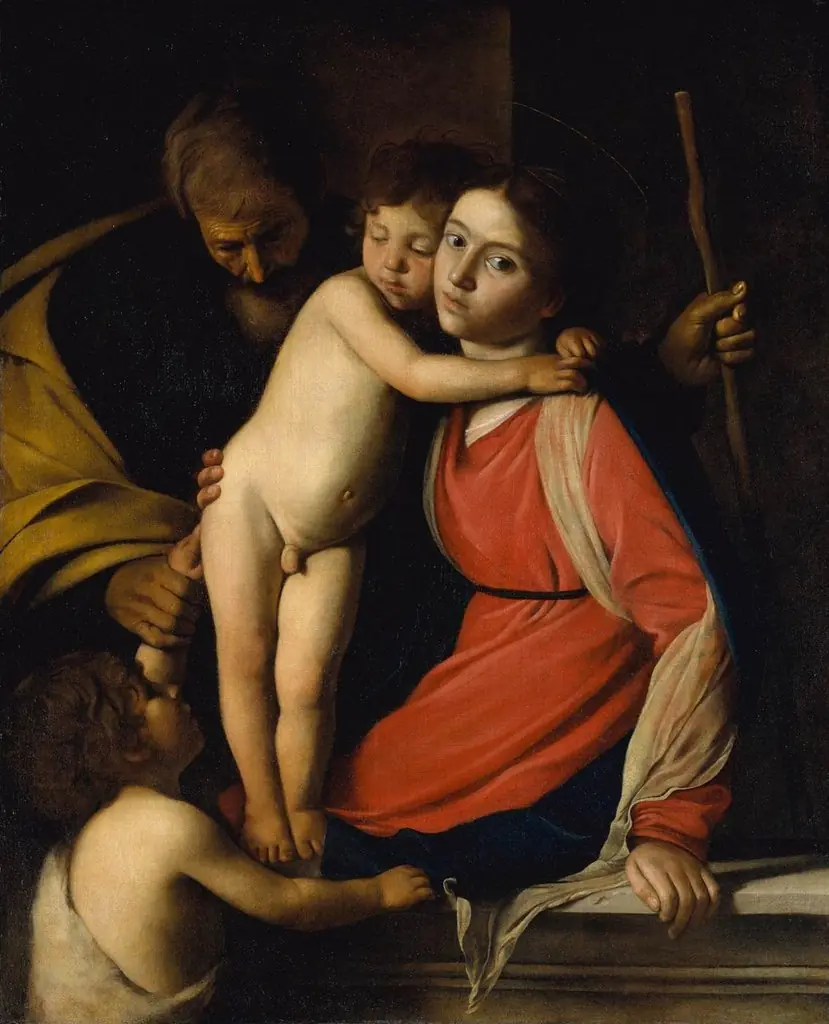 The Holy Family with Saint John the Baptist
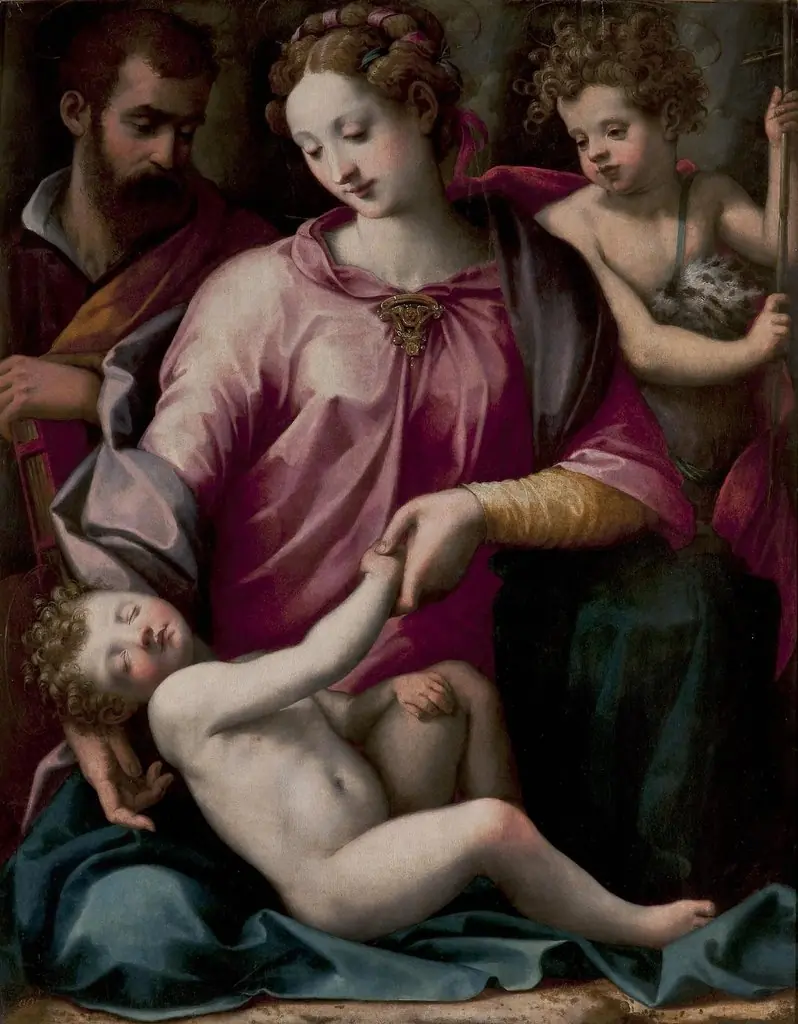 Holy Family with St John the Baptist
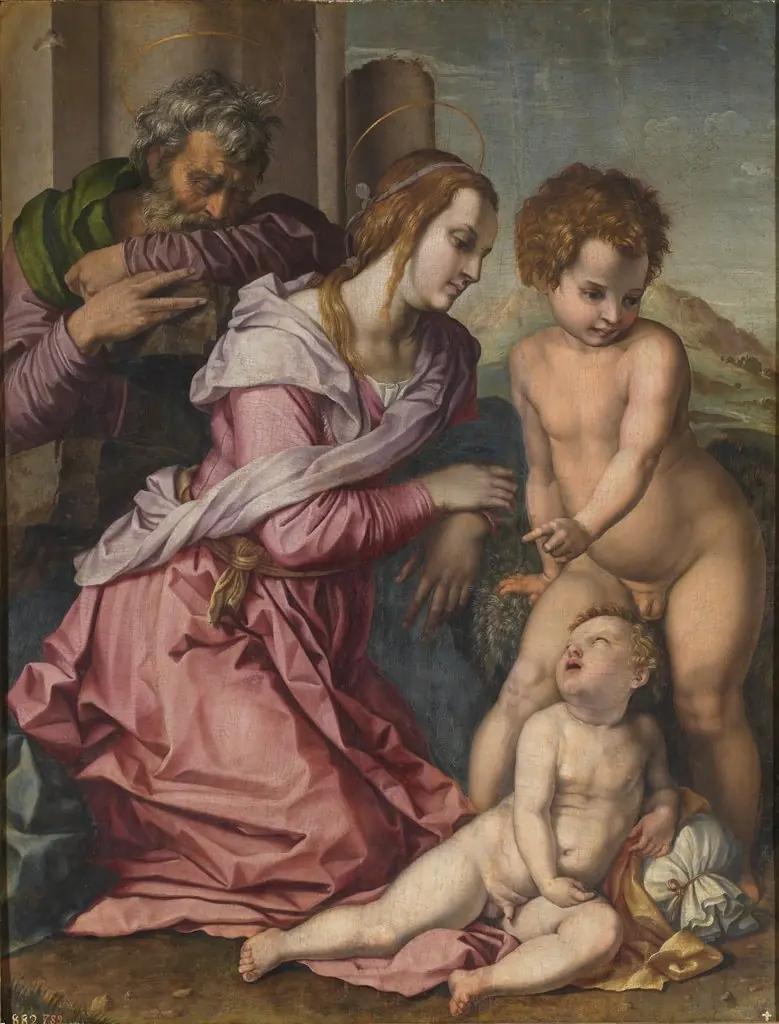 The Holy Family with the Infant Saint John the Baptist
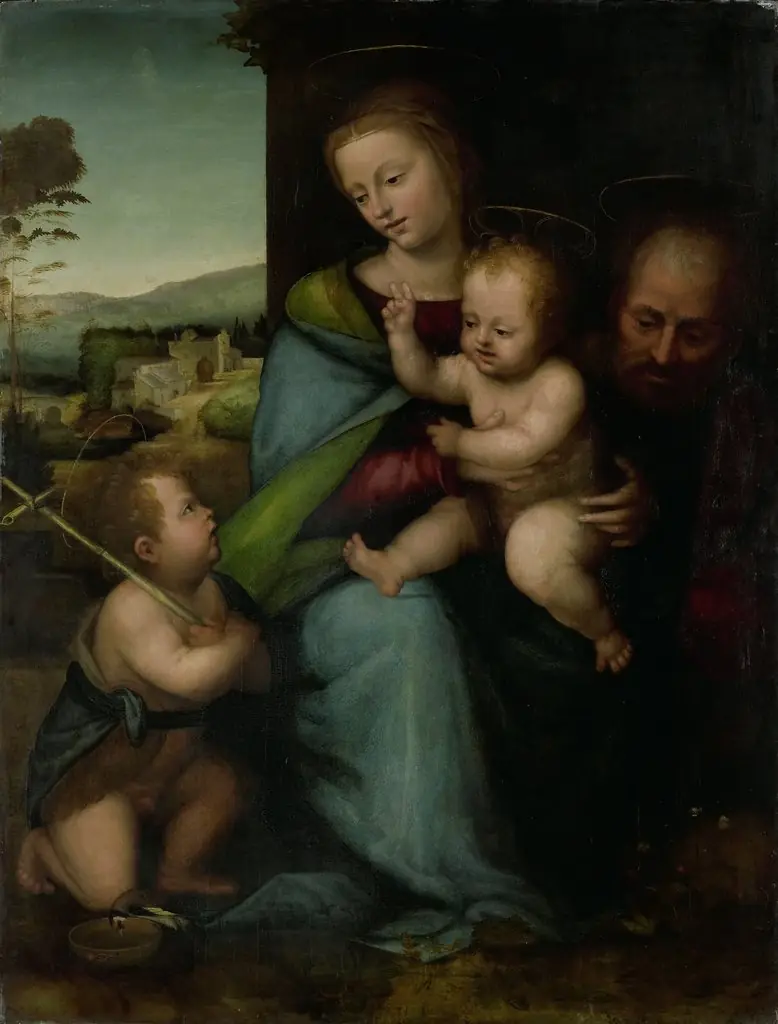 The Holy Family with the Infant John the Baptist
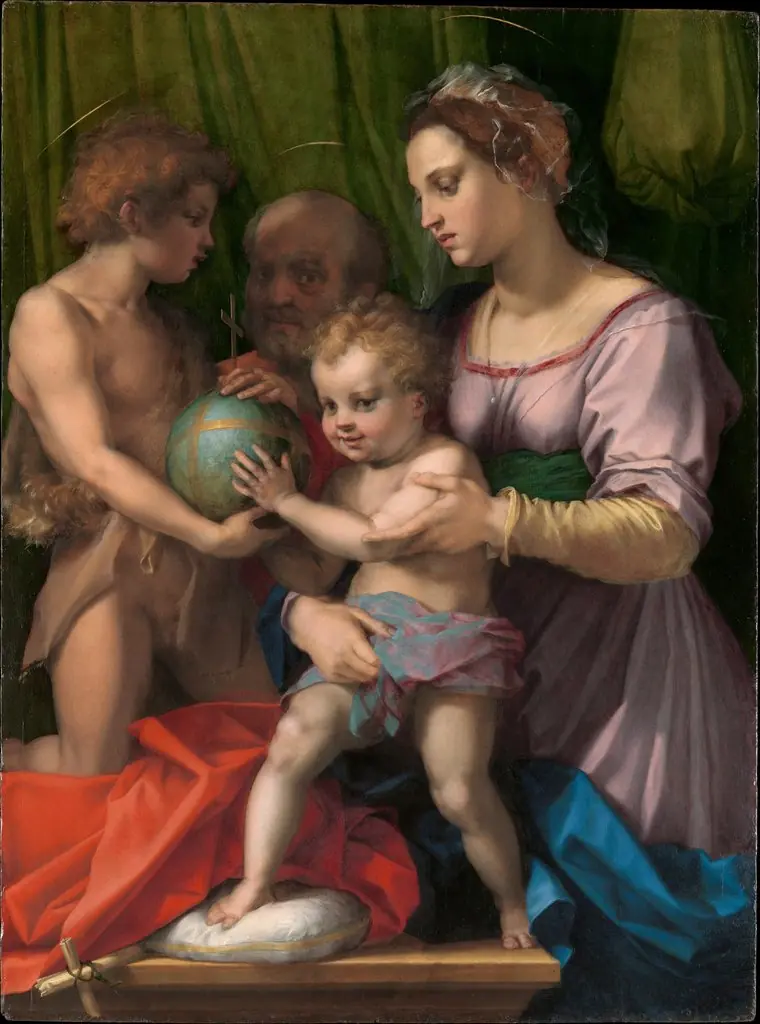 The Holy Family with the Young Saint John the Baptist
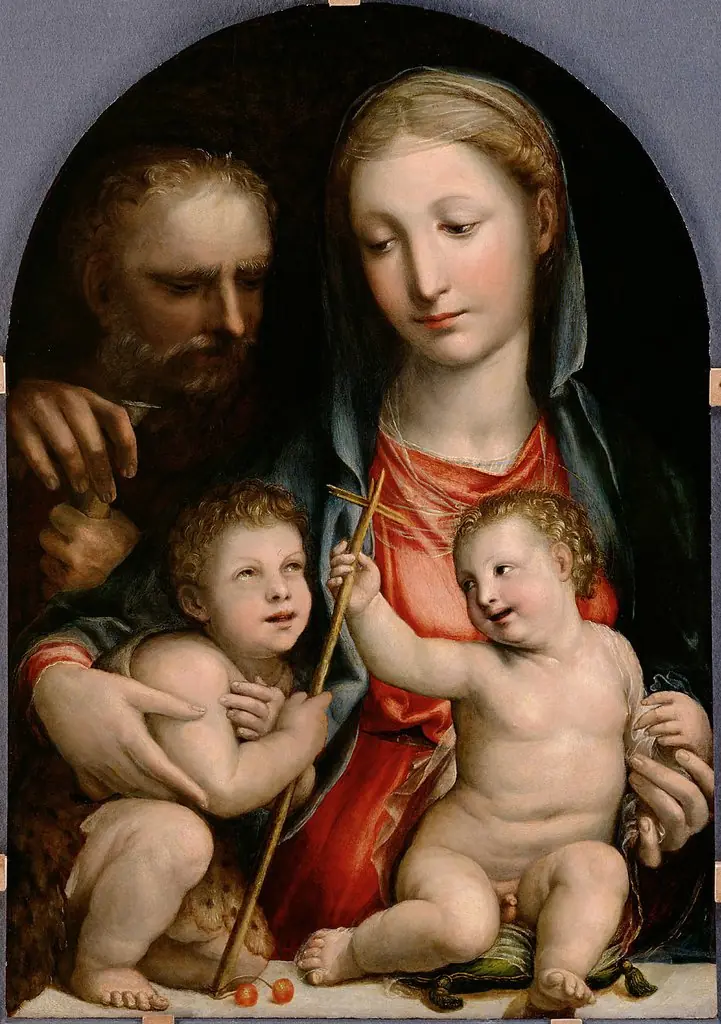 Holy Family with St. John the Baptist as child
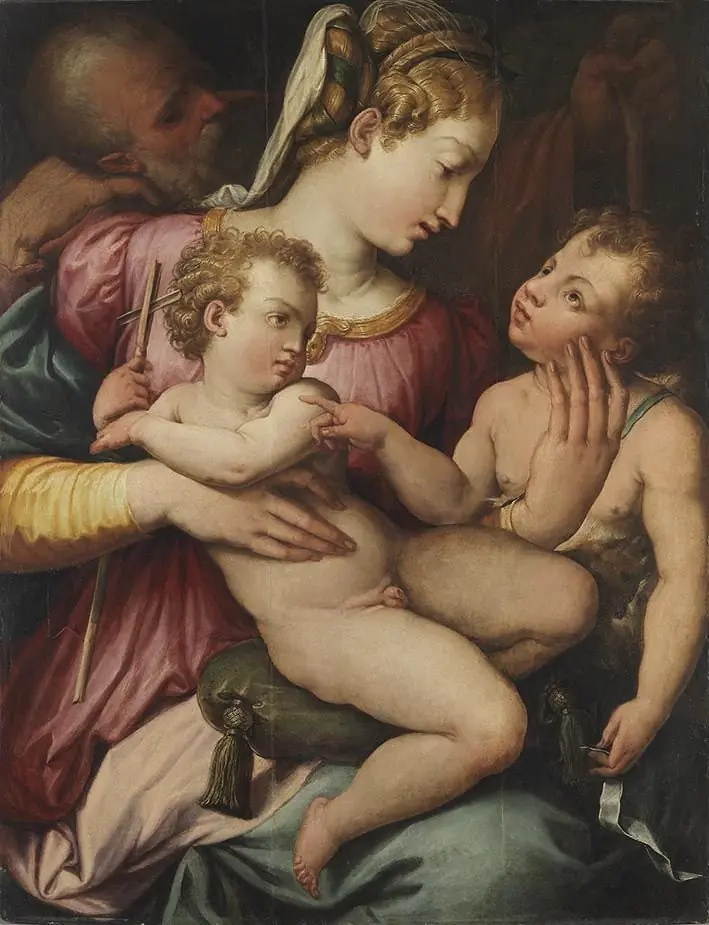 Holy family with little John the Baptist
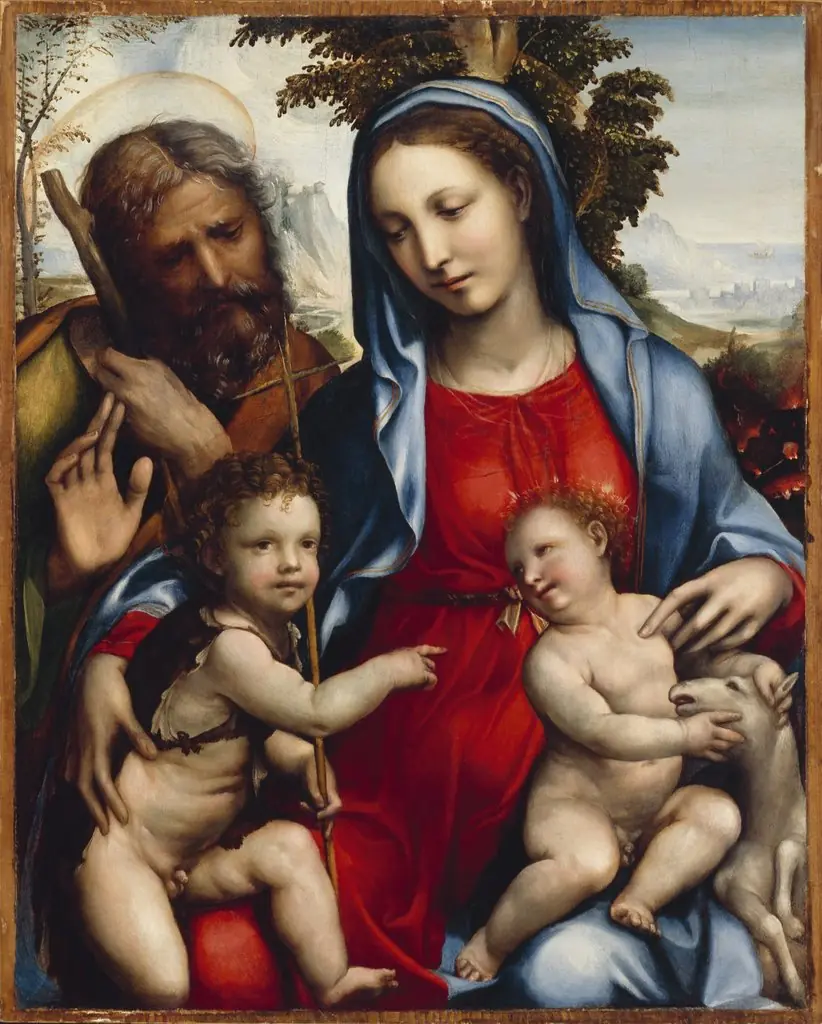 The Holy Family and St. John