Artwork
The Transfiguration of Christ
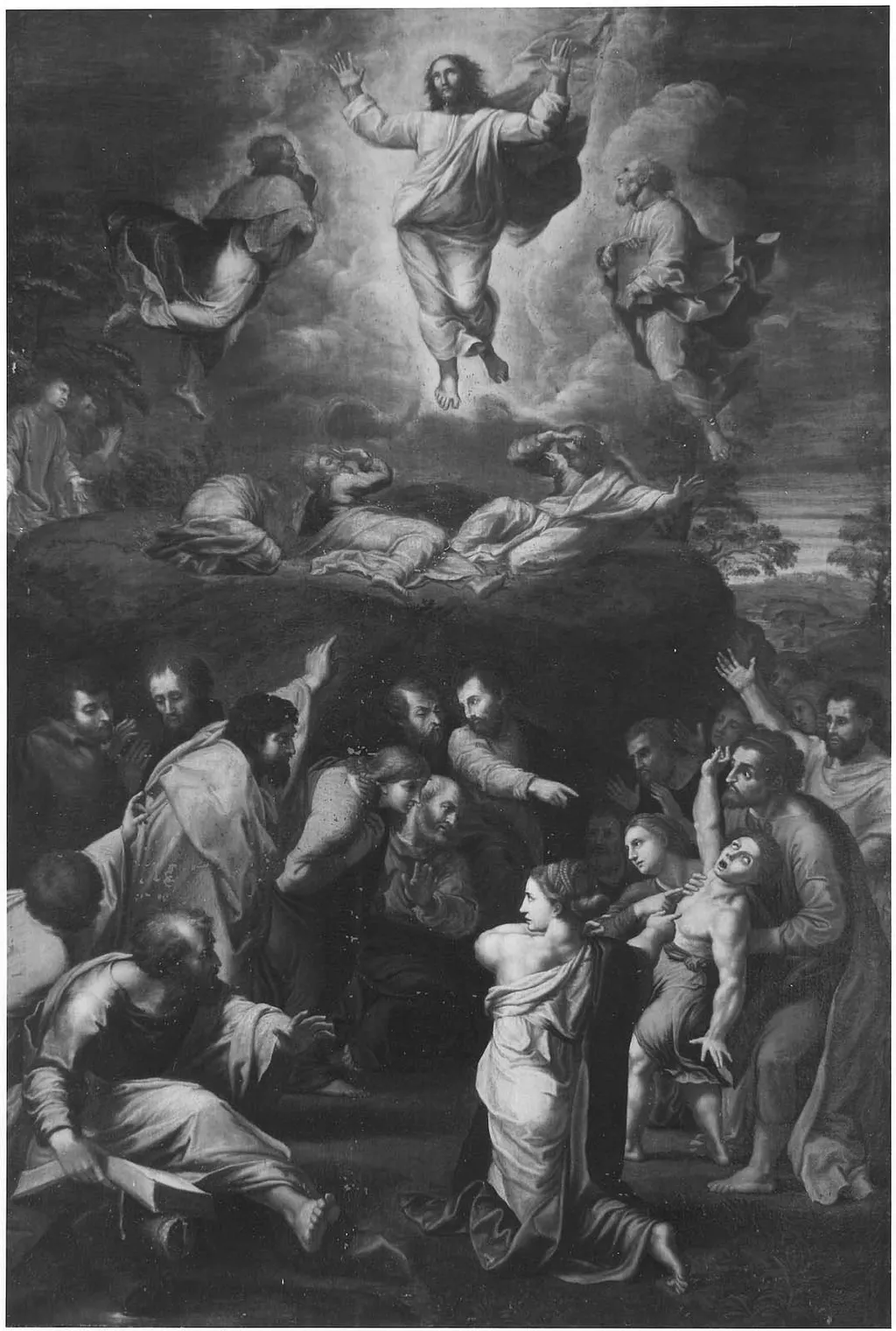
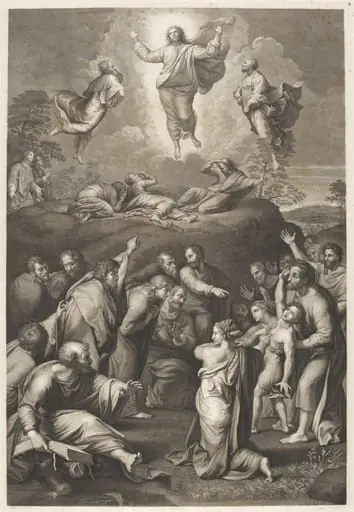
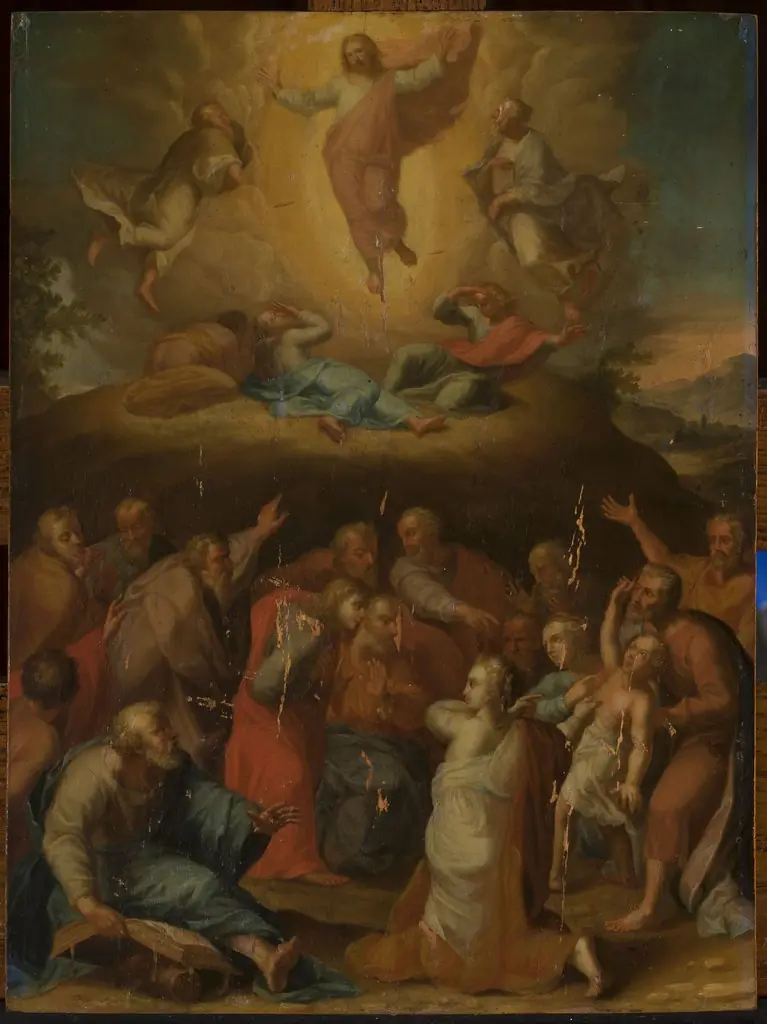
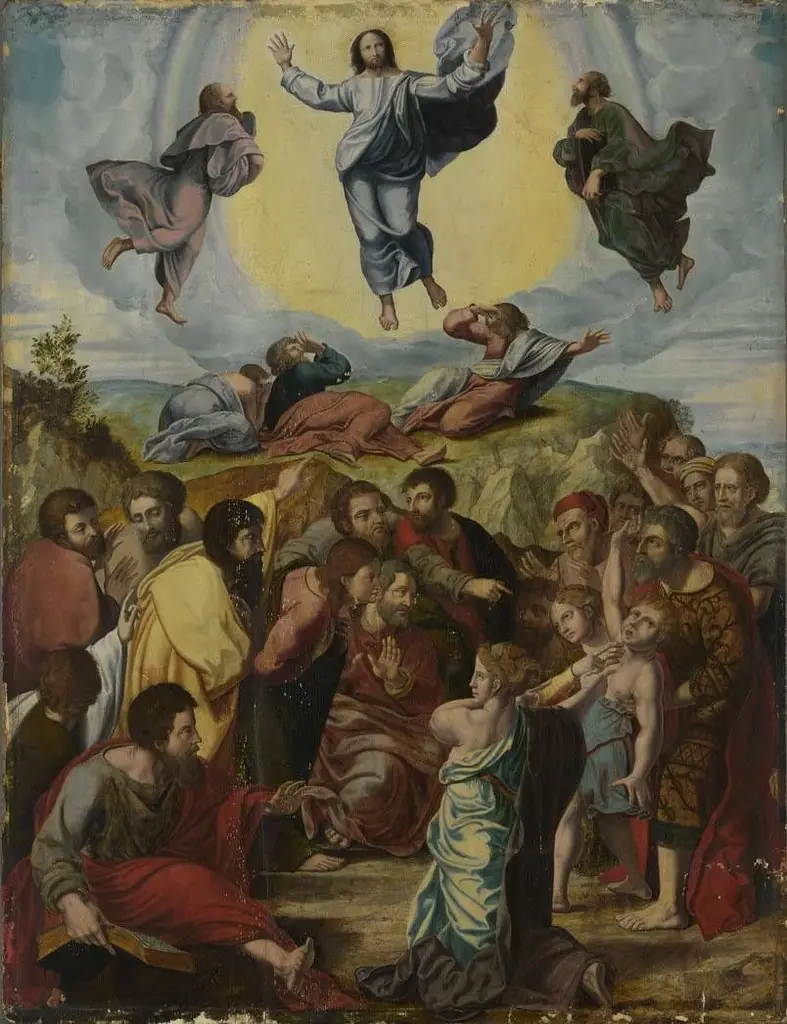
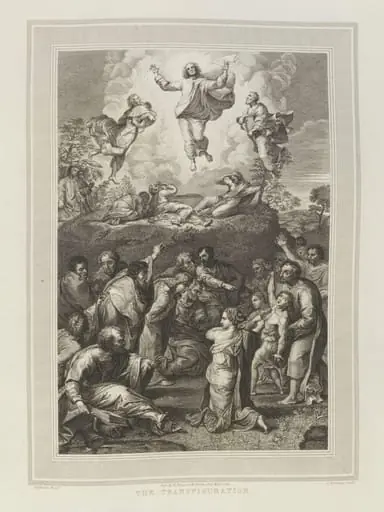
The Transfiguration of Christ is an oil painting by the High Renaissance artist Raphael. It dates from 1511 and is held in the collection of the Museum of Fine Arts Boston.
About this work
Overview
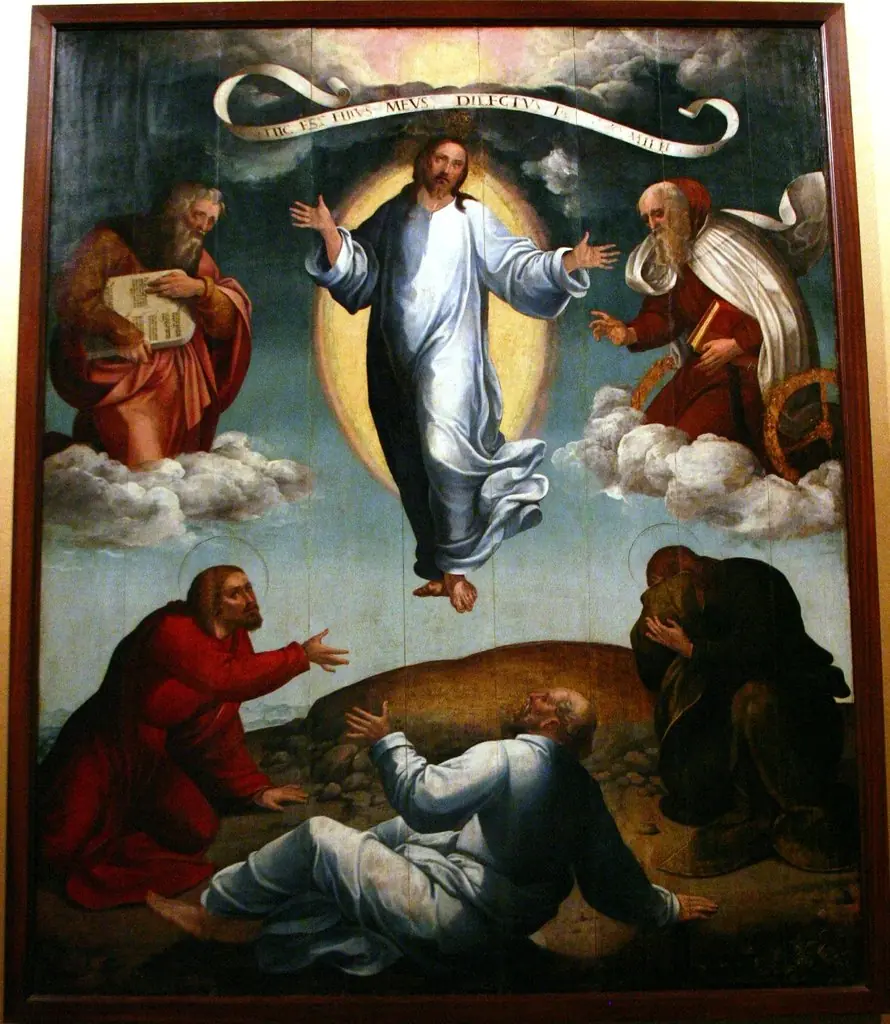
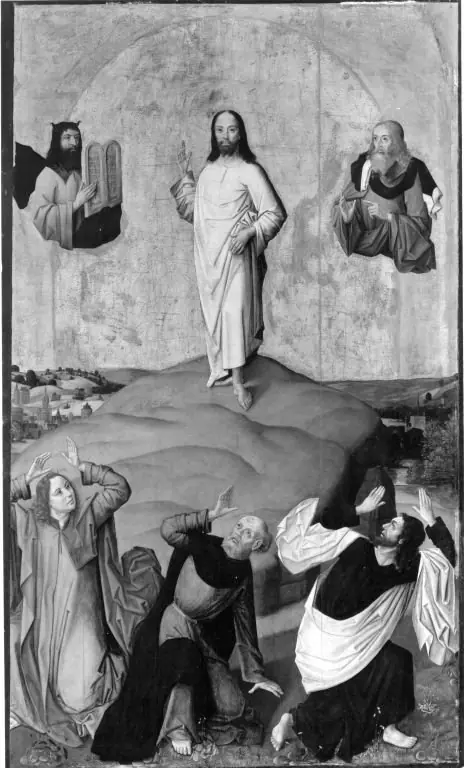
Raphael’s oil on canvas, The Transfiguration of Christ, dates to around 1511 and is part of the collection of the Museum of Fine Arts in Boston. The work depicts the biblical episode in which Christ is revealed in radiant glory to a select few disciples, while the surrounding figures react with a mixture of awe and concern.
Context
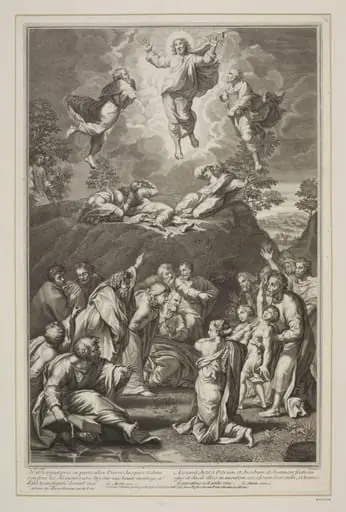
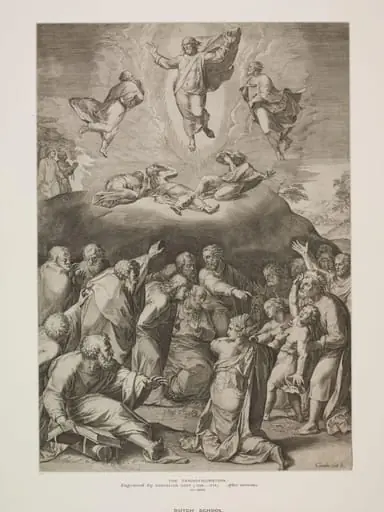
The painting is divided into two distinct zones. In the upper register, Christ hovers, his arms outstretched and his form bathed in luminous light, surrounded by the prophets Moses and Elijah. Below, a group of onlookers—some pointing, others reaching toward a naked figure on the ground—express a range of emotional responses, linking the heavenly vision to earthly suffering.
Technique & Style
Raphael employs a strong chiaroscuro, contrasting the bright illumination on the divine figures with a deep, shadowed background. This contrast not only models the faces and drapery but also directs the viewer’s gaze upward toward the transfigured Christ. The subtle gradations of tone create a sense of three‑dimensional space and heighten the painting’s spiritual intensity.
History & Provenance
Created in the early 16th century, the work remained in private hands before entering the Museum of Fine Arts, Boston, where it has been displayed since the early 20th century. Its acquisition helped broaden the museum’s representation of High Renaissance art, offering scholars and the public direct access to Raphael’s late style.
Artist & collection
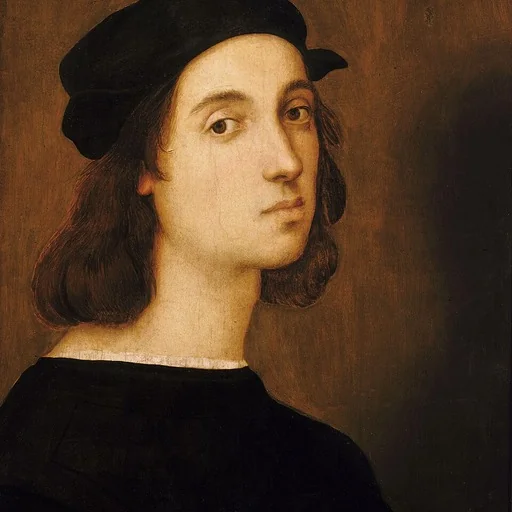
Artist
Raphael was born Raffaello Sanzio in Urbino on April 6, 1483, the son of Giovanni Santi, a painter and poet attached to the ducal court.