Artwork
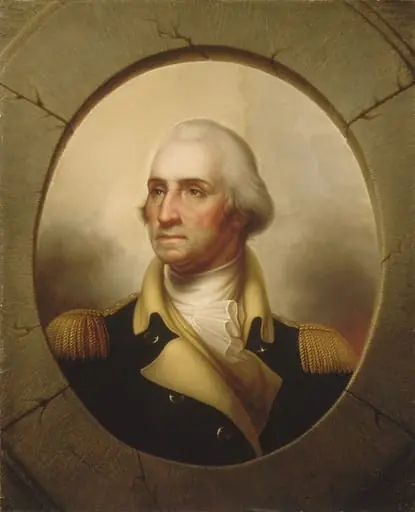
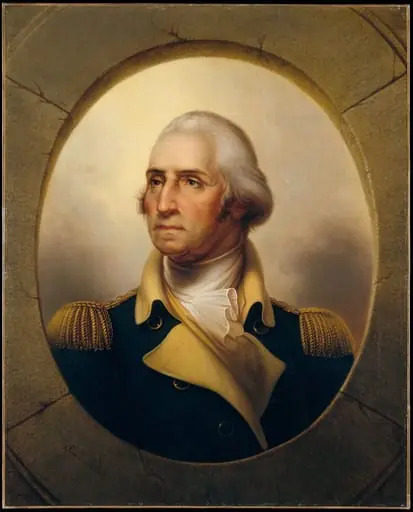
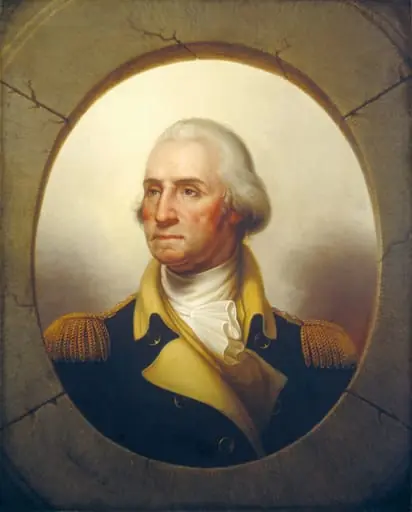
Head of George Washington
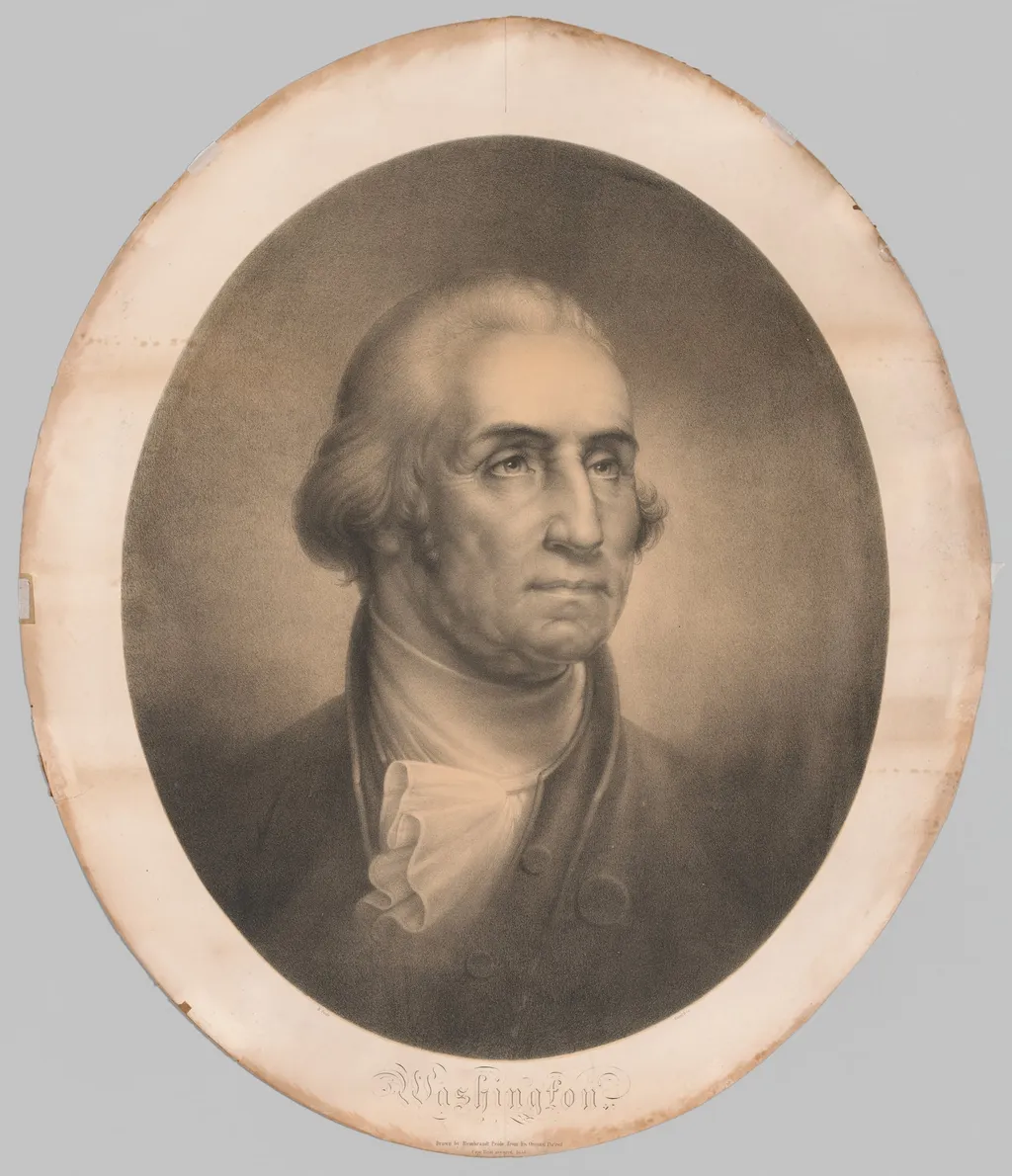
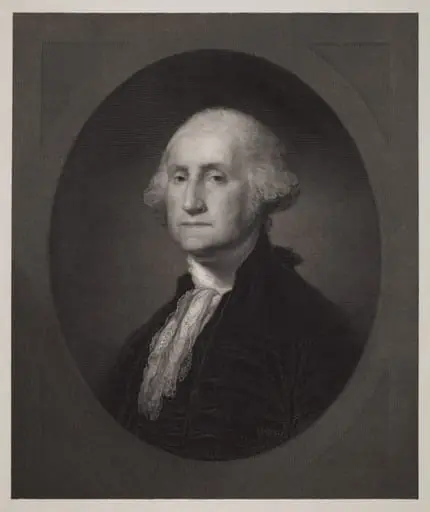
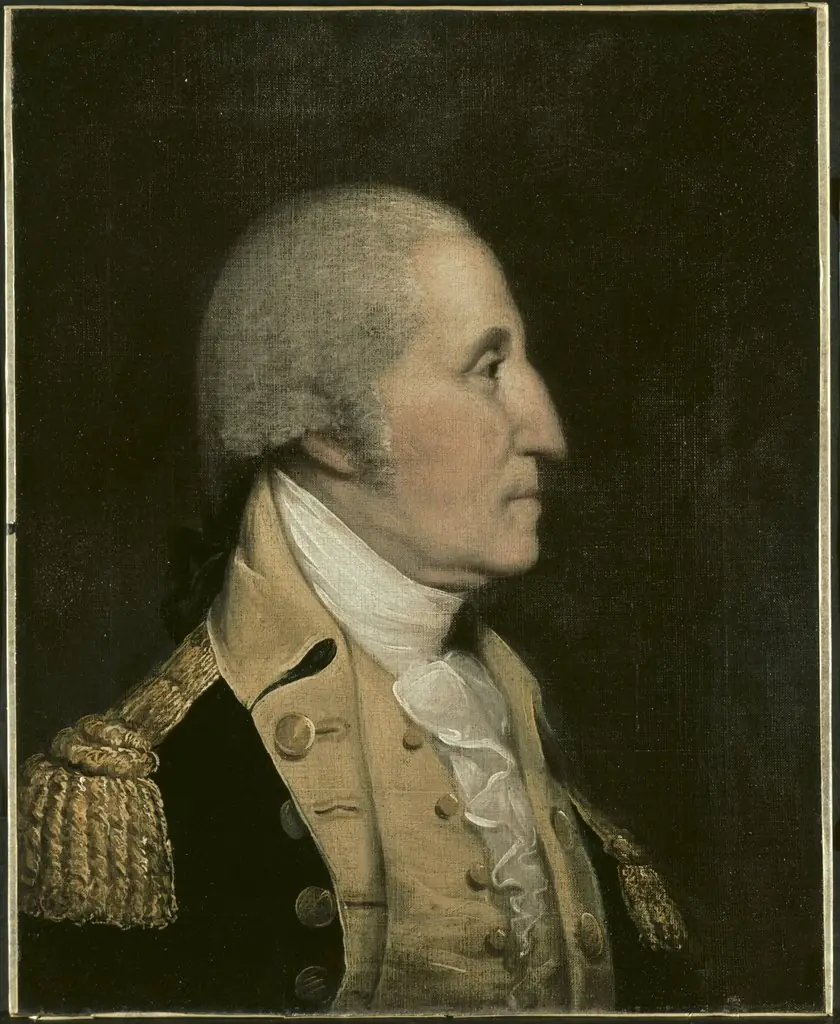
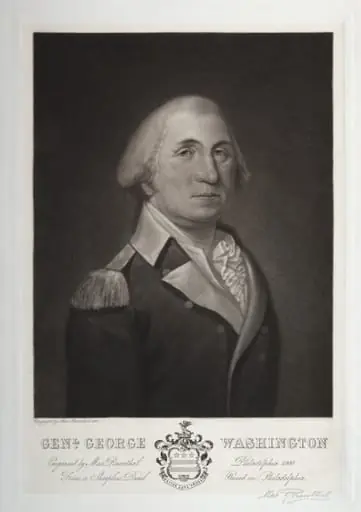
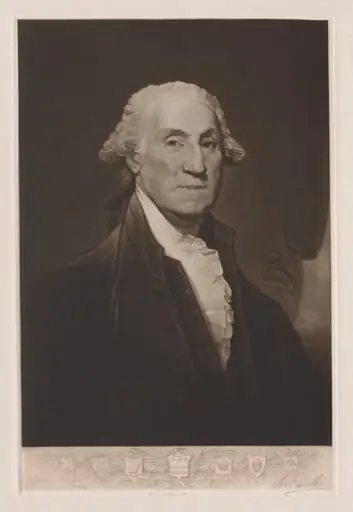
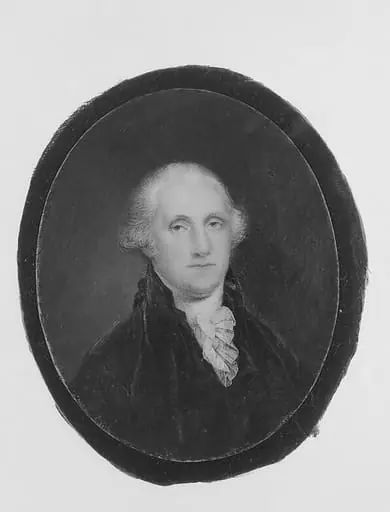
Head of George Washington is a print by the Impressionist artist Rembrandt Peale. It dates from 1856 and is held in the collection of the Cleveland Museum of Art.
About this work
Overview
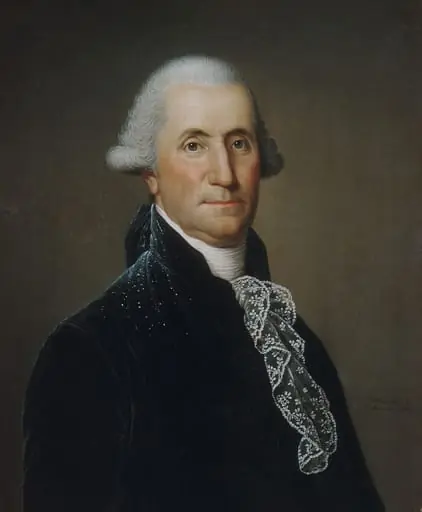
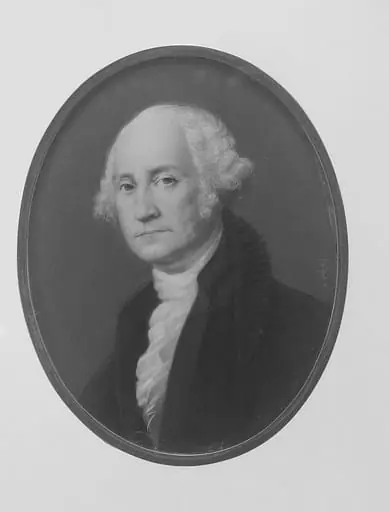
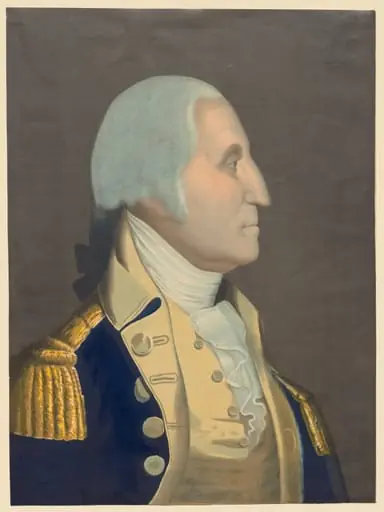
Rembrandt Peale’s 1856 print, *Head of George Washington*, presents the first president in a three‑quarter view. The work resides in the Cleveland Museum of Art and exemplifies Peale’s long‑standing focus on presidential portraiture, a specialty he pursued throughout his career.
Subject & Meaning
The image captures Washington with his hair pulled back, his expression conveying a blend of fatigue and resolve. Rather than ornamental detail, the composition emphasizes the leader’s gravitas, suggesting a figure who has endured considerable hardship while maintaining composure.
Technique & Style
Influenced by French neoclassicism after a formative period in Paris, Peale renders the sitter with a restrained realism. The print’s clean lines and subtle shading highlight facial features without excessive embellishment, reflecting the neoclassical preference for clarity and dignified simplicity.
History & Provenance
Created in the mid‑nineteenth century, the piece entered the collection of the Cleveland Museum of Art, where it remains on display. Its acquisition reflects the museum’s broader commitment to American portraiture and the legacy of the Peale family’s artistic contributions.
Context
Rembrandt Peale was the son of Charles Willson Peale, a painter who personally knew Washington and whose family founded America’s first major museum. Growing up amid this artistic environment, Rembrandt continued the tradition, producing numerous Washington likenesses that reinforced the emerging nation’s visual identity.
Artist & collection
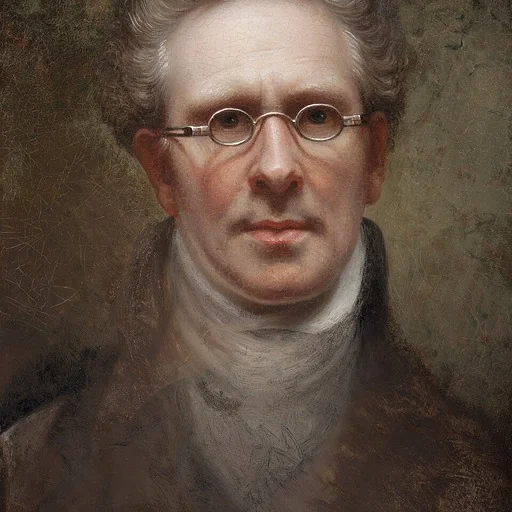
Artist
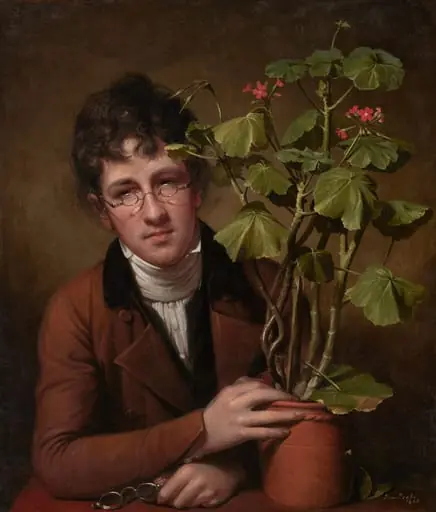
Rembrandt Peale (February 22, 1778 – October 3, 1860) was an American artist and museum keeper.