Artwork
Portrait of an Old Woman (Prophetess Hannah)
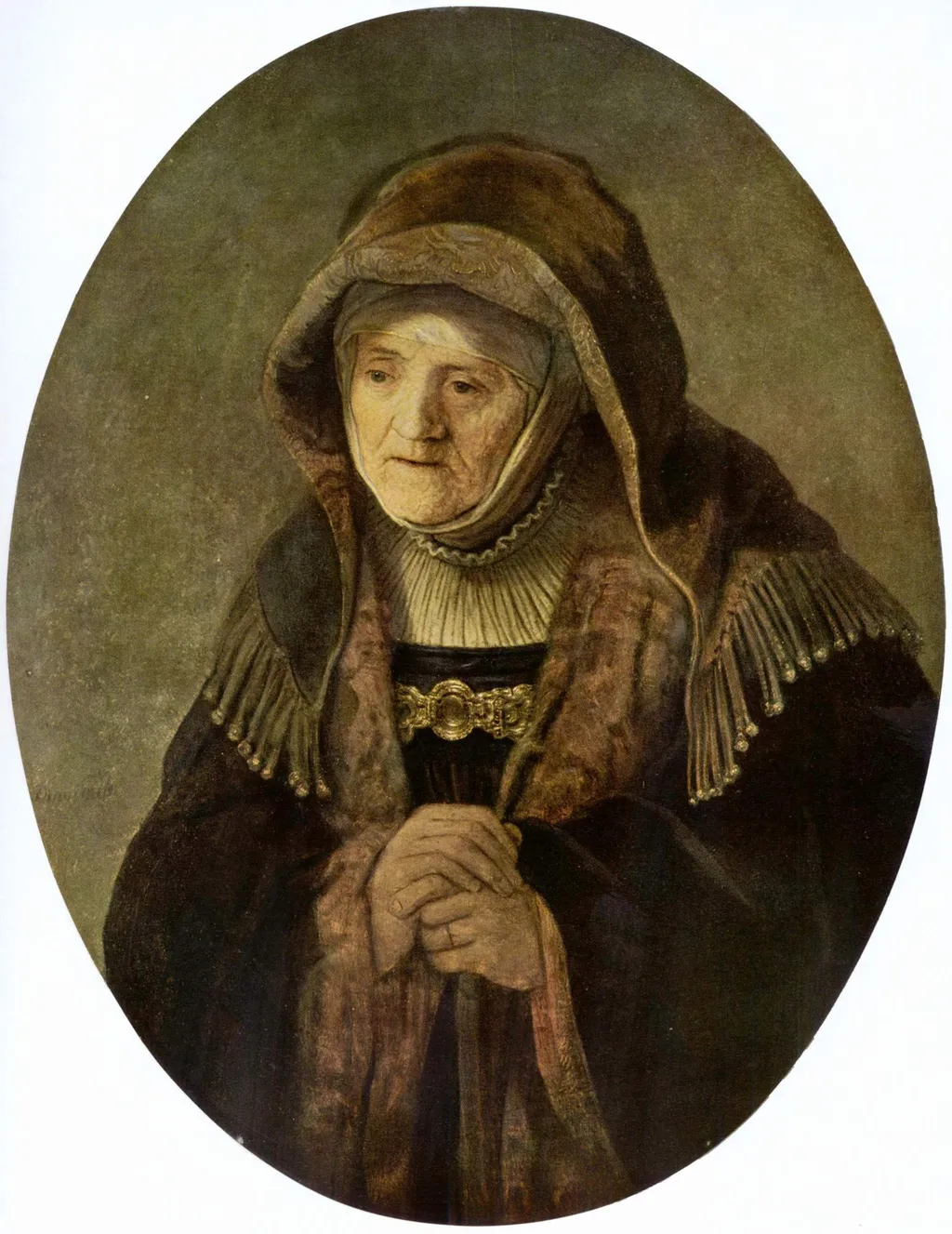
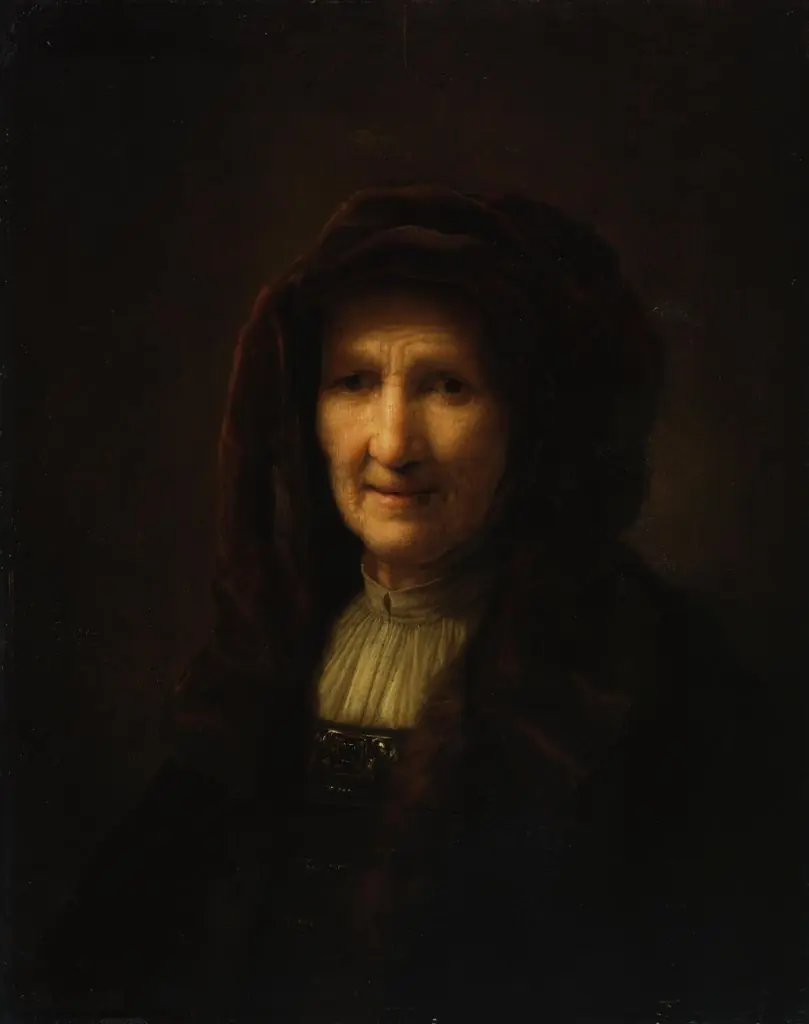
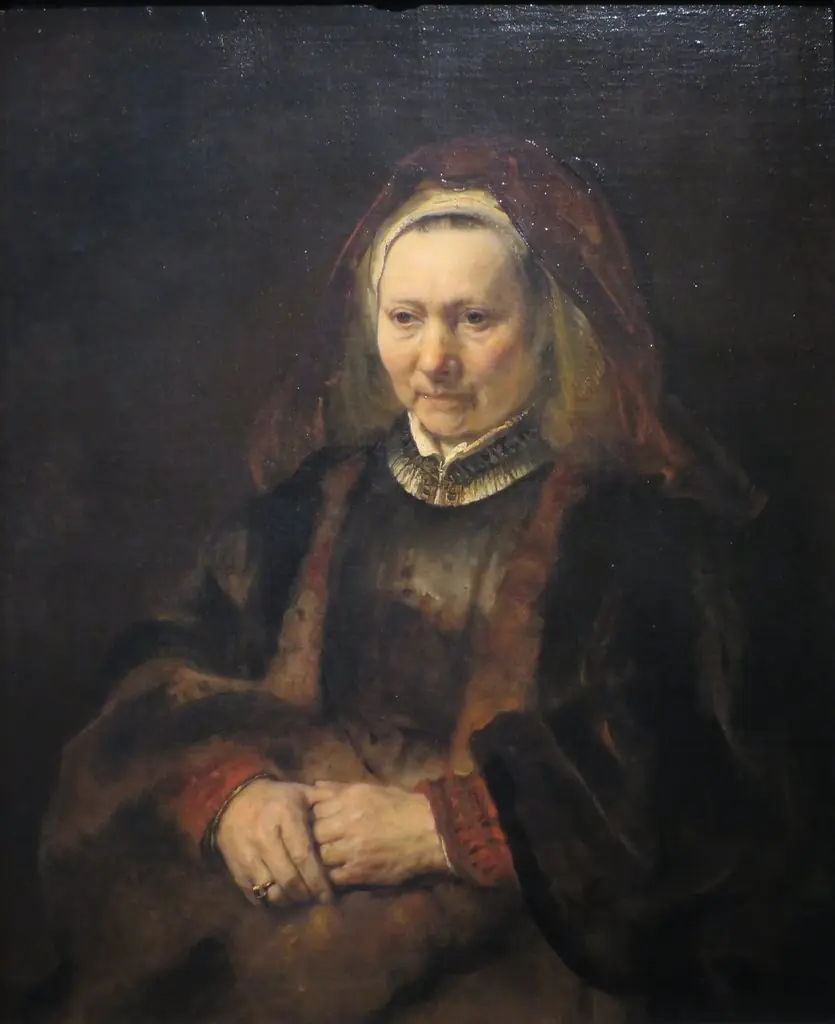
Portrait of an Old Woman (Prophetess Hannah) is an oil painting by the Dutch Golden Age artist Rembrandt. It dates from 1639 and is held in the collection of the Kunsthistorisches Museum.
About this work
Overview
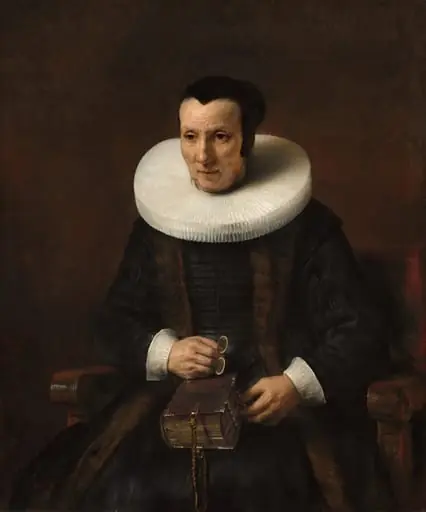
Painted in 1639 by Rembrandt Harmenszoon van Rijn, this oil-on-canvas portrait depicts an elderly woman identified as the biblical prophetess Hannah.
Painted in 1639 by Rembrandt Harmenszoon van Rijn, this oil-on-canvas portrait depicts an elderly woman identified as the biblical prophetess Hannah. Part of the Kunsthistorisches Museum’s holdings, the work exemplifies the artist’s mature portraiture during the Dutch Golden Age. Rembrandt’s output across painting, etching, and drawing totals roughly three hundred surviving canvases alongside extensive graphic works.
Subject & Meaning
The sitter is portrayed as Hannah, the devout widow from the Gospel of Luke who recognized the infant Christ as the Messiah. Her solemn expression and clasped hands resting on folded fabric suggest contemplation and reverence. The dark, enveloping cloak and subdued palette focus attention on her face, reinforcing the spiritual gravity attributed to her biblical role.
Technique & Style
Rembrandt employs chiaroscuro to isolate the subject’s features against an unadorned background, heightening dramatic contrast. Thick, visible brushstrokes define the cloak’s texture, while finer detailing renders the gold belt buckle and ruffled collar. The interplay of light and shadow, along with varied impasto, underscores the tactile and emotional presence of the figure.
History & Provenance
Created in 1639, the painting entered the imperial collections of the Habsburg monarchy before becoming part of the Kunsthistorisches Museum’s permanent display. Its early ownership history remains partially documented, though its inclusion in major inventories confirms its continuous recognition as a work by Rembrandt’s hand.
Context
During the 1630s and 1640s, Rembrandt frequently explored biblical themes in portraiture, often blending historical narrative with intimate character studies. This work aligns with his interest in depicting figures of quiet devotion, reflecting both the artistic conventions of the Dutch Golden Age and the period’s broader religious sensibilities.
Legacy
The portrait contributes to the understanding of Rembrandt’s approach to aging subjects, emphasizing dignity and inner life over idealization. Its inclusion in the Kunsthistorisches Museum’s collection ensures ongoing study as an example of seventeenth-century Dutch portraiture, particularly in its fusion of psychological depth and technical mastery.
Artist & collection
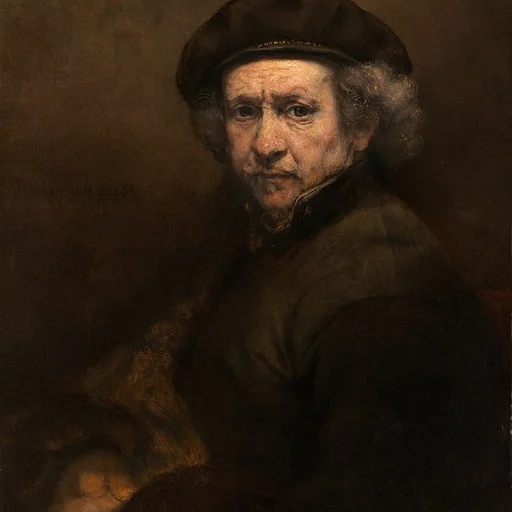
Artist
Rembrandt Harmenszoon van Rijn (15 July 1606 – 4 October 1669), known mononymously as Rembrandt, was a Dutch Golden Age painter, printmaker, and draughtsman.