Artwork
The Vision of Zacharias in the Temple
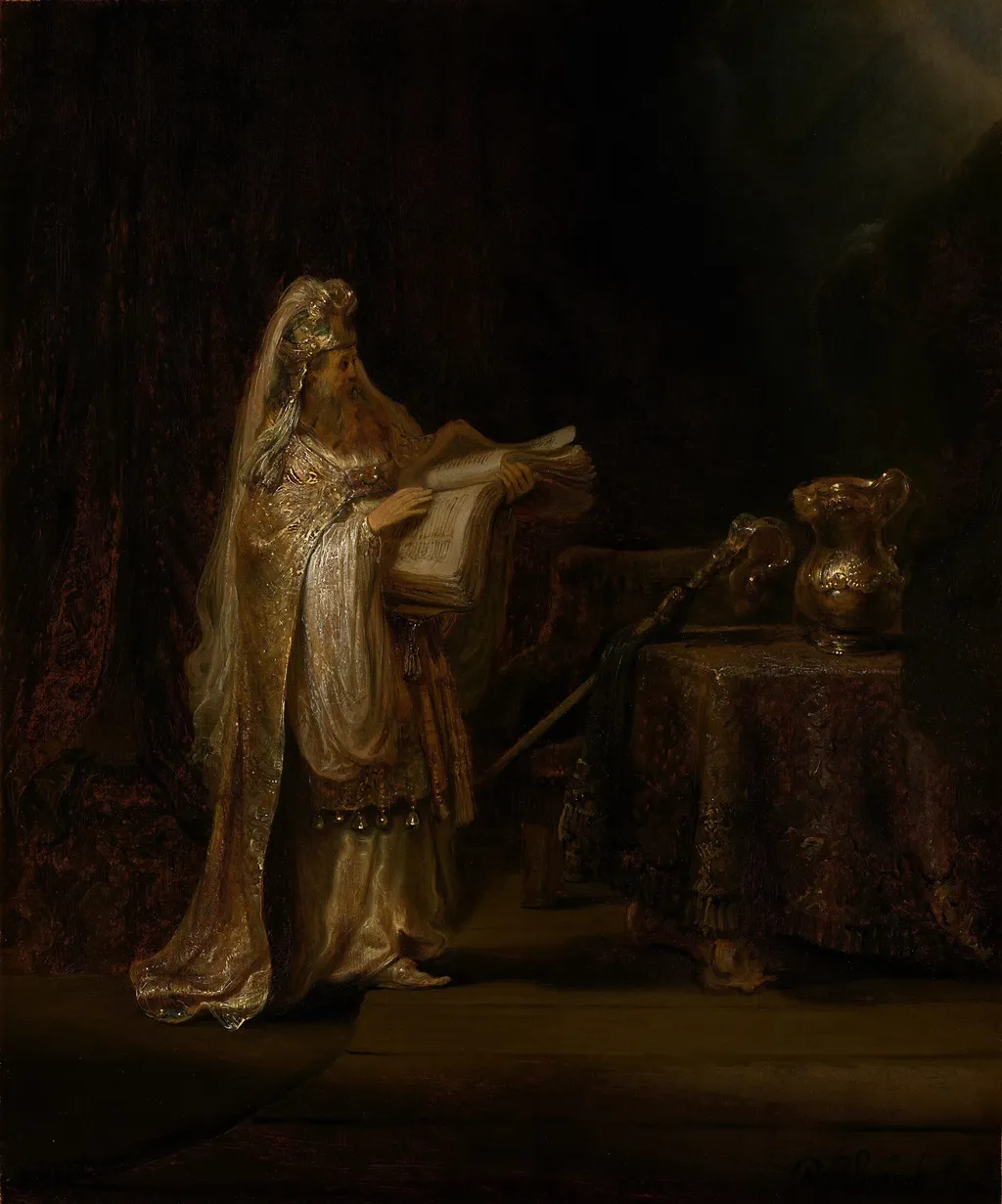
The Vision of Zacharias in the Temple is an oil painting by the Dutch Golden Age artist Rembrandt. It dates from 1633 and is held in the collection of the Rijksmuseum.
About this work
Overview
Measuring roughly a typical size for his early works, the composition centers on the aged high priest Zacharias, illuminated against a dark interior.
The Vision of Zacharias in the Temple is an oil on canvas executed in 1633 by the Dutch artist Rembrandt van Rijn. Measuring roughly a typical size for his early works, the composition centers on the aged high priest Zacharias, illuminated against a dark interior. The painting re‑entered the scholarly canon in 2026 after the Rijksmuseum confirmed its attribution through technical and documentary analysis.
Subject & Meaning
The work visualises the biblical episode from Luke 1:5‑7 in which the Archangel Gabriel announces to Zacharias that his wife will bear a son, John the Baptist, despite their advanced years. Zacharias is shown holding an open scroll, his gaze directed downward, while a subtle light in the upper right suggests the presence of the heavenly messenger delivering the prophecy.
Technique & Style
Rembrandt employs his characteristic chiaroscuro, contrasting a luminous foreground with a deep, shadowed space that isolates the figure. The priest’s richly detailed costume—white under‑garment, gold‑embroidered mantle, and a helmet‑like headdress—demonstrates the artist’s skill in rendering texture and material. The careful modeling of the beard and the reflective surface of a silver vase further illustrate his early mastery of light effects.
History & Provenance
The painting appeared in early Rembrandt catalogues until 1960, after which it vanished from public view following its 1961 sale to a private collector. Documented by Hofstede de Groot in 1915, it was later re‑attributed to Rembrandt by the Rijksmuseum after a two‑year authentication process completed in 2026, restoring its place in the artist’s oeuvre.
Context
Created when Rembrandt was twenty‑seven, the work belongs to a period when he was exploring biblical narratives with heightened emotional intensity. The composition reflects contemporary Dutch interest in Old Testament themes and the moral implications of divine promise, aligning with the Protestant emphasis on scriptural authority prevalent in the early seventeenth‑century Netherlands.
Own this work as a print
Artist & collection
Artist
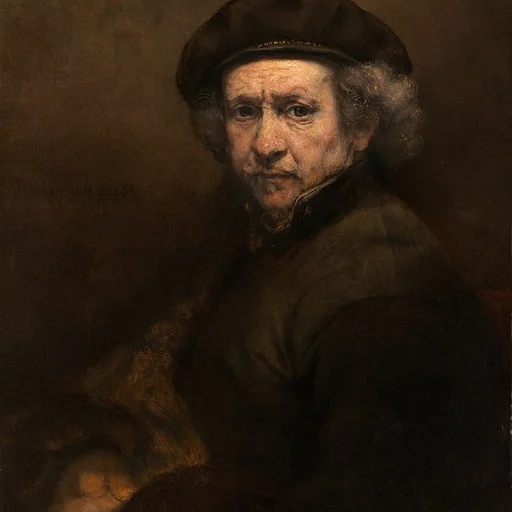
Rembrandt Harmenszoon van Rijn (15 July 1606 – 4 October 1669), known mononymously as Rembrandt, was a Dutch Golden Age painter, printmaker, and draughtsman.