Artwork
Old Man with a Divided Fur Cap
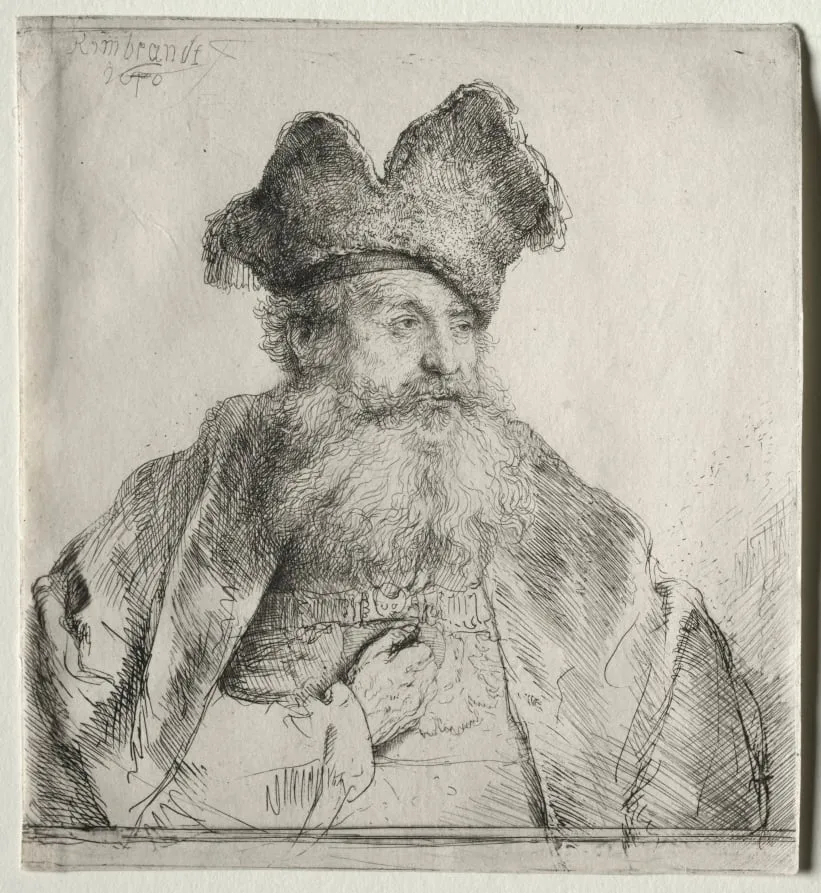
Old Man with a Divided Fur Cap is a print by the Baroque artist Rembrandt. It dates from 1640 and is held in the collection of the Cleveland Museum of Art.
About this work
Overview
The drawing is part of the collection at The Cleveland Museum of Art, where it is valued for its immediacy and emotional resonance.
Created in 1640, this ink drawing by Rembrandt van Rijn depicts an elderly man wearing a fur-lined cap and robe. Executed with swift, expressive lines, the work captures a moment of quiet introspection. The artist signed it plainly in the corner, a common practice in his early studies. The drawing is part of the collection at The Cleveland Museum of Art, where it is valued for its immediacy and emotional resonance.
Subject & Meaning
The figure is an anonymous elder, his face weathered and eyes downcast, suggesting contemplation or weariness. His hands rest gently on his chest, a gesture that conveys inward focus rather than narrative action. The heavy fur cap and draped robe imply modest means, yet the dignity of the pose resists any sense of caricature. Rembrandt treats the subject with quiet empathy, avoiding idealization in favor of psychological presence.
Technique & Style
Rembrandt employed loose, fluid ink strokes to define form, using rapid lines to suggest texture in the fur and fabric. Dark washes around the cap and face create strong contrasts, enhancing volume without rigid outlines. The background remains largely untouched, allowing the figure to emerge from the paper’s negative space. This approach reflects his interest in capturing transient expression through minimal, yet deliberate, mark-making.
History & Provenance
The drawing entered The Cleveland Museum of Art’s collection in the 20th century, acquired as part of a broader effort to build a representative holding of Rembrandt’s graphic works. Its attribution has remained consistent since its inclusion in scholarly catalogs. While its exact provenance before the 1900s is unclear, its stylistic features align with Rembrandt’s mid-1640s studies of character and light.
Context
In the 1640s, Rembrandt was deeply engaged in portraiture and figure studies, often drawing from life or memory rather than commissioned portraits. This work reflects his growing interest in the emotional weight of ordinary individuals. Such drawings were not preparatory sketches for paintings but independent explorations of human presence, part of a broader Dutch tradition of intimate, observational art.
Legacy
This drawing exemplifies Rembrandt’s ability to convey depth and character with economy of line. It influenced later artists drawn to expressive draftsmanship and psychological realism. Its preservation in a major museum underscores its role as a key example of 17th-century graphic art, valued not for polish but for its unvarnished humanity and technical insight.
Artist & collection
Artist
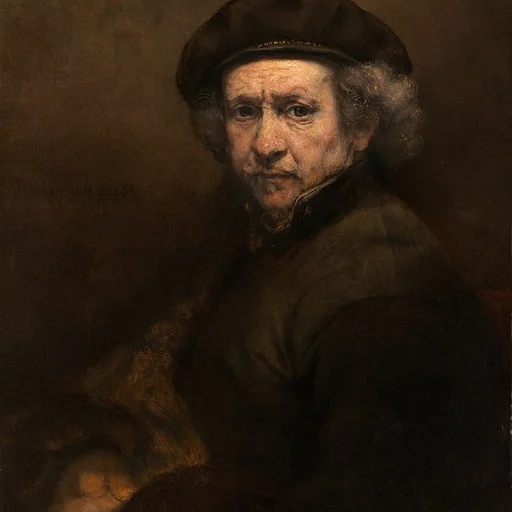
Rembrandt Harmenszoon van Rijn (15 July 1606 – 4 October 1669), known mononymously as Rembrandt, was a Dutch Golden Age painter, printmaker, and draughtsman.

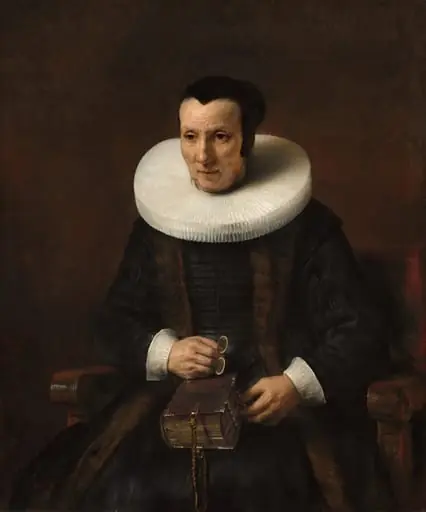
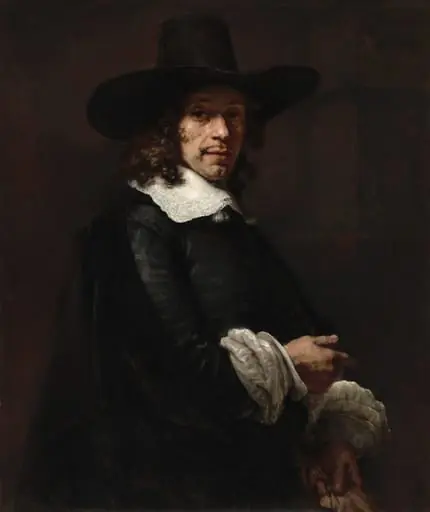
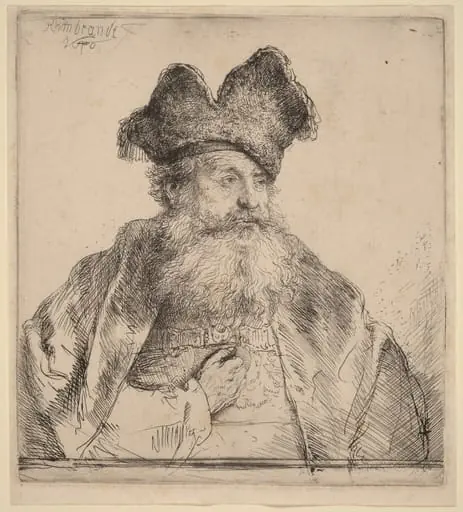 Old Man with a Divided Fur Cap
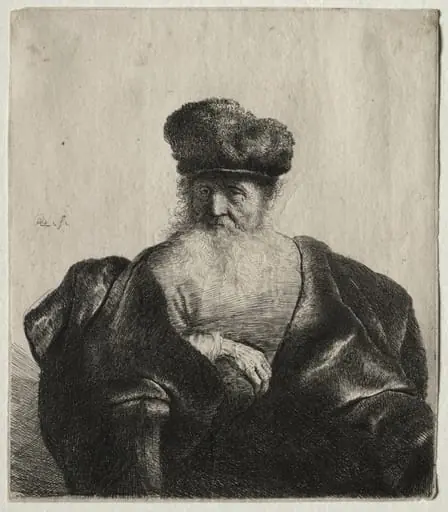 Old Man with Beard, Fur Cap, and Velvet Cloak
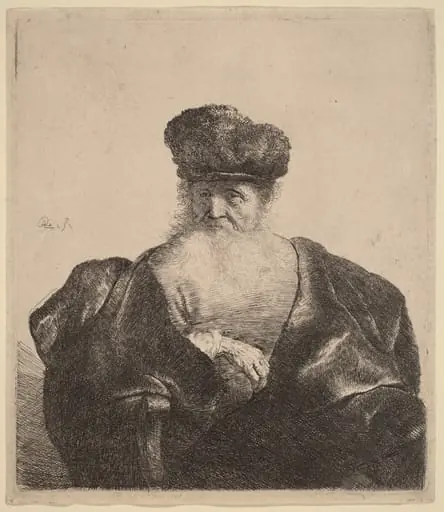 Old Man with Beard, Fur Cap, and Velvet Cloak
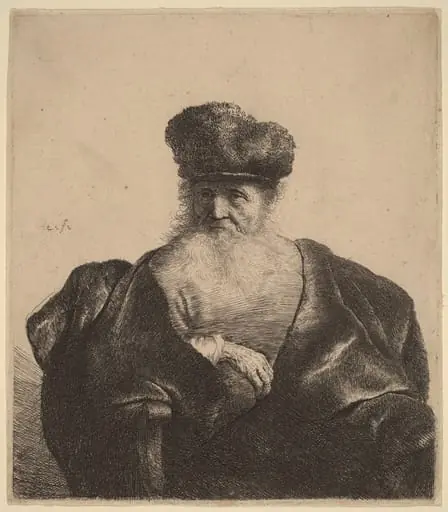 Old Man with Beard, Fur Cap, and Velvet Cloak
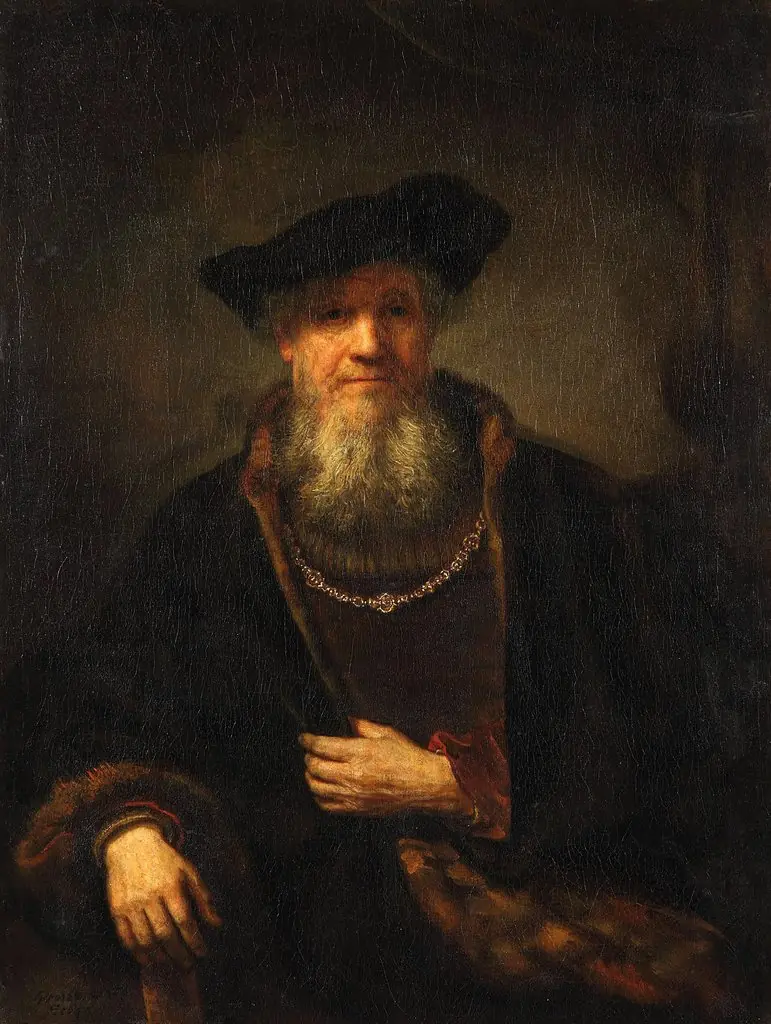 Old Man with Fur Coat
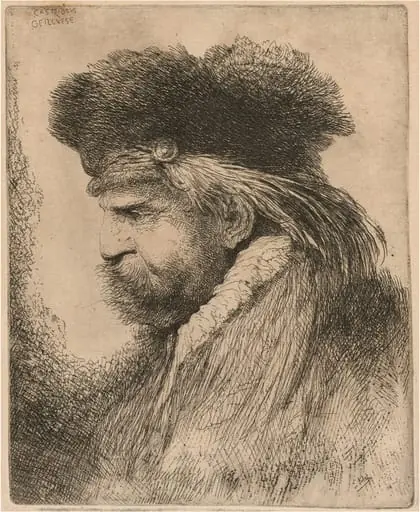 Bearded Man in a Fur Cap, Facing Left
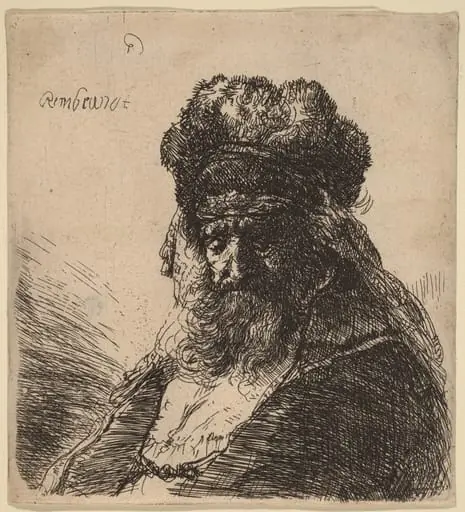 Old Bearded Man in a High Fur Cap, with Eyes Closed
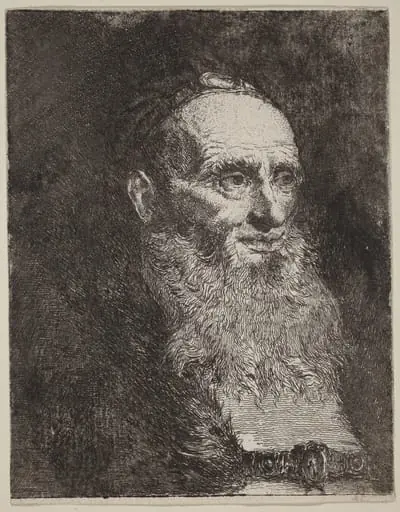 Old Man with a Beard
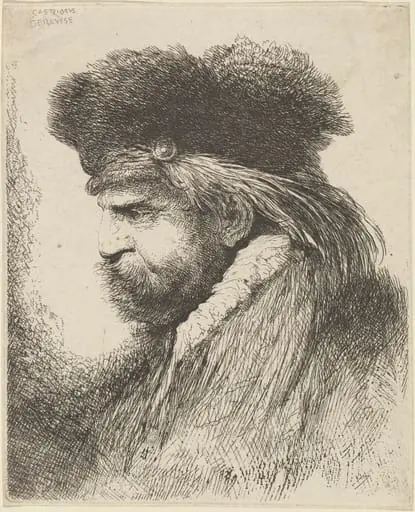 Bearded Man in a Fur Cap, Facing Left
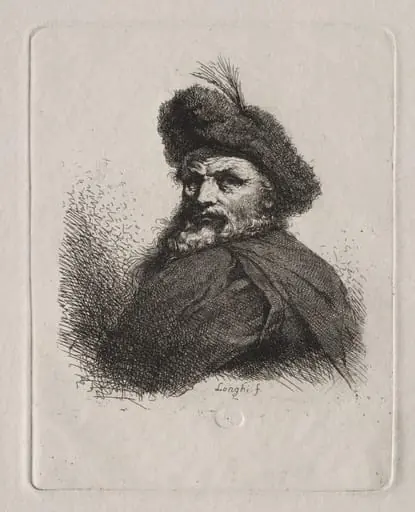 Bust of a Man with a Fur Cap