Artwork
Portrait of the Hon. Anne Annesley, later Countess of Mountnorris
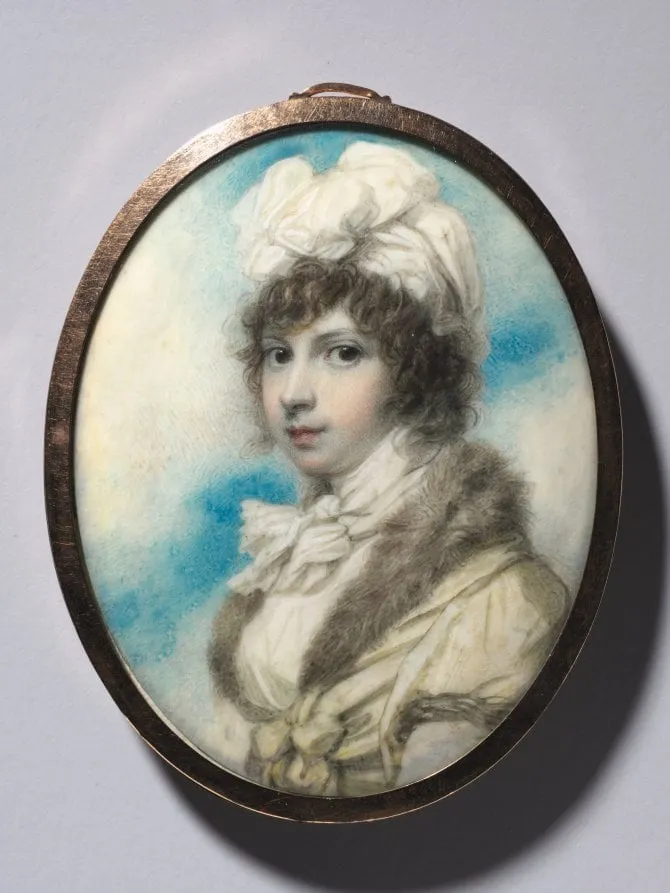
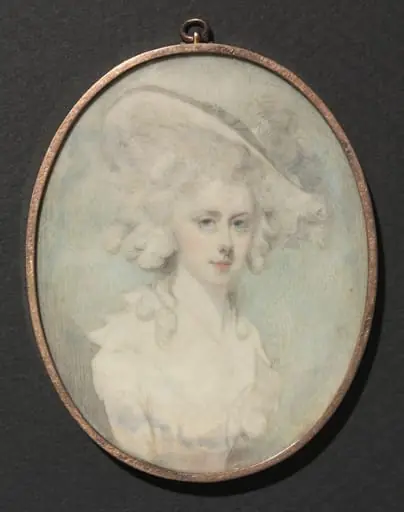
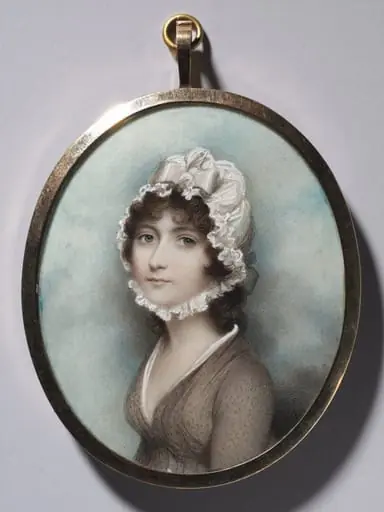
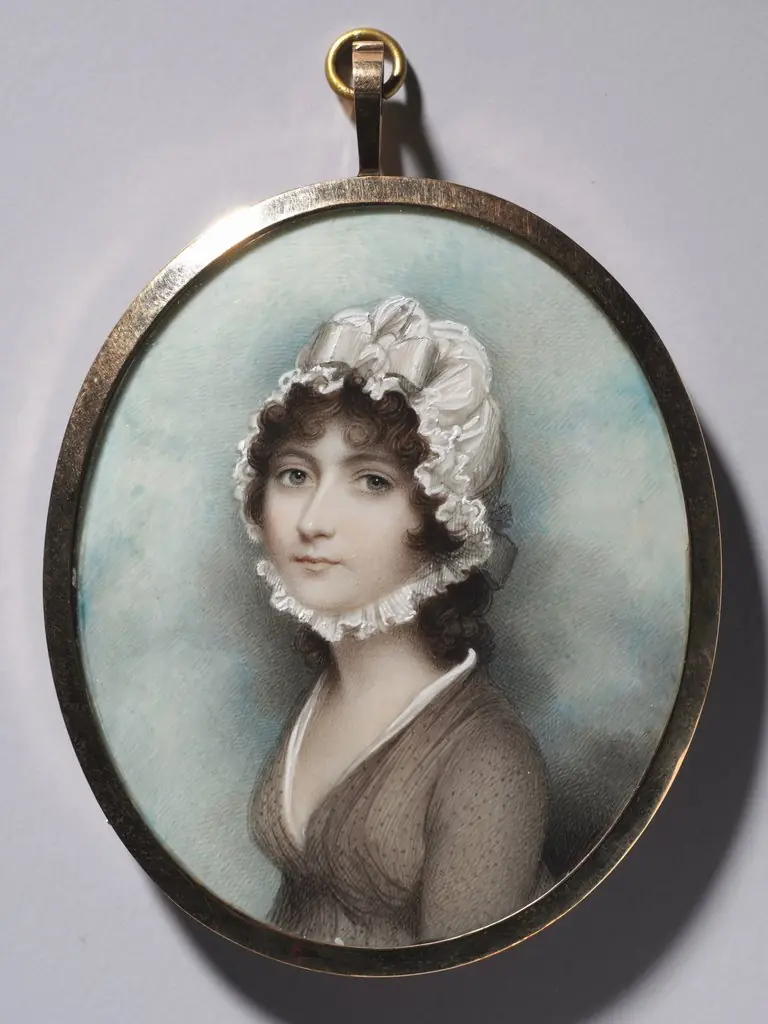
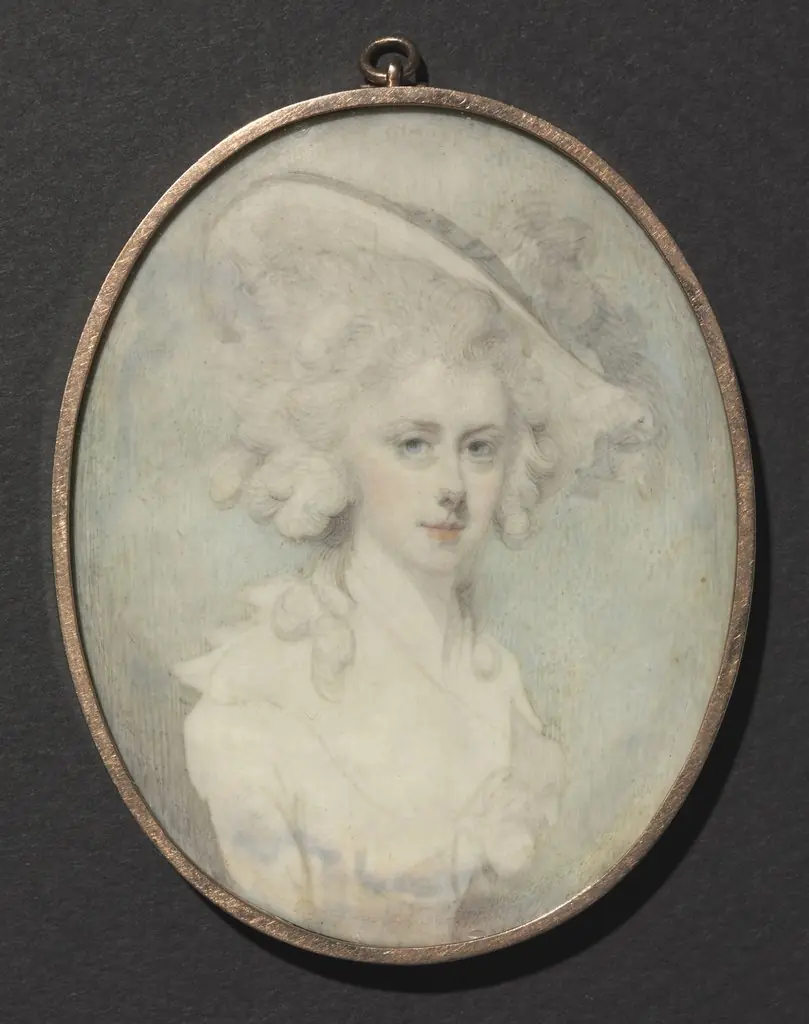
Portrait of the Hon. Anne Annesley, later Countess of Mountnorris is an unspecified portrait miniature by the Rococo painting artist Richard Cosway. It dates from 1800 and is held in the collection of the Cleveland Museum of Art.
About this work
Cosway often painted women with delicate features and dreamy expressions, making them look both elegant and distant.
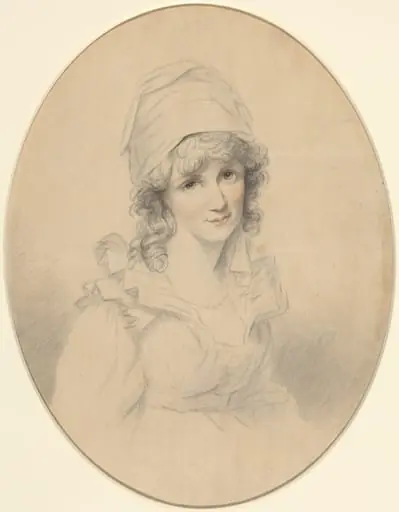
A young woman in a white dress sits against a dark background, holding a pink rose. Her hair is piled high, and her gaze is soft but direct.
This portrait was one of many Cosway painted for one wealthy family—seven sisters in all. The bill for these paintings wasn’t paid for decades, showing how even rich clients could drag their feet. Cosway often painted women with delicate features and dreamy expressions, making them look both elegant and distant.
If you like this style, look up other works by Richard Cosway (British, 1742–1821).
Overview
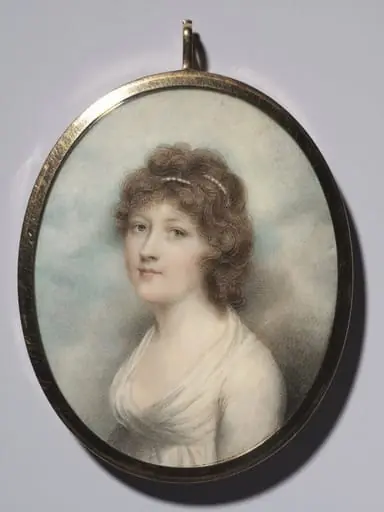
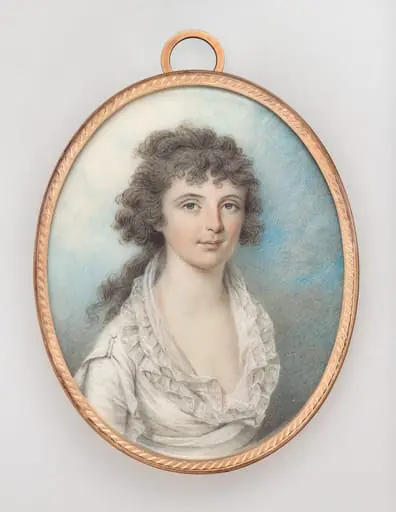
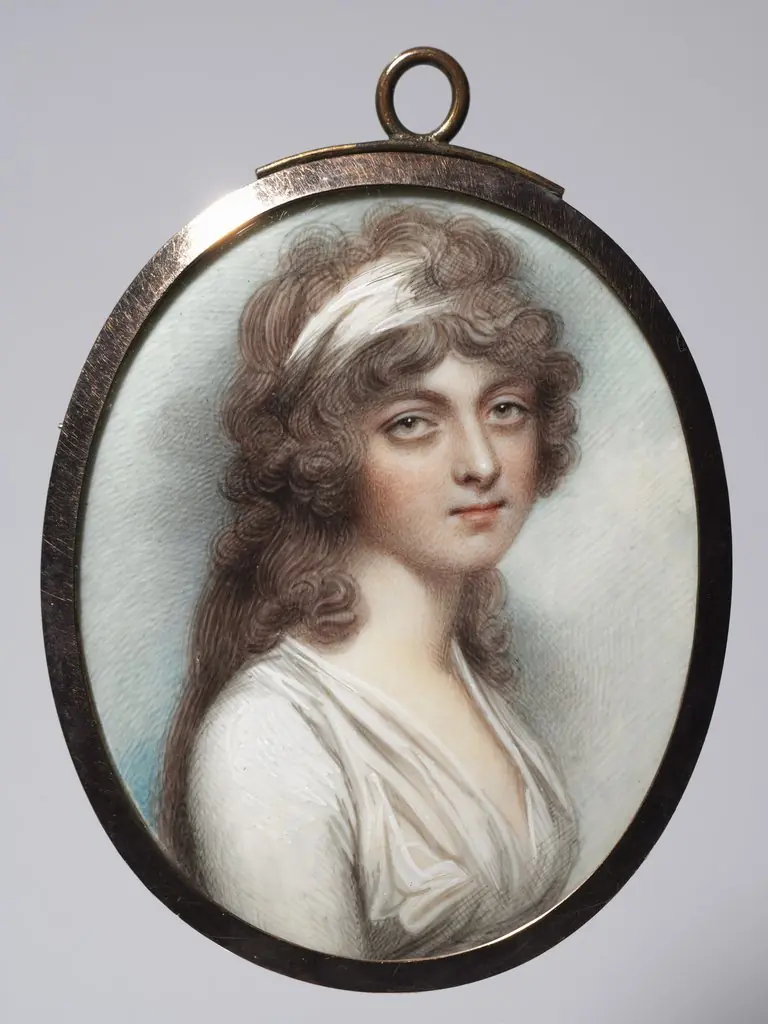
This miniature portrait depicts Anne Annesley, née Courtenay, painted by Richard Cosway shortly after her 1790 marriage to George Annesley. Created as part of a series commissioned by her brother, William, 3rd Viscount Courtenay, it belongs to a group of seven portraits of the Courtenay sisters. The work exemplifies Cosway’s refined approach to miniature painting, capturing intimate details of dress and expression with precision.
Subject & Meaning
Anne Annesley is portrayed with quiet composure, her gaze steady yet gentle, holding a pink rose—a symbol often associated with beauty and transience. Her attire, a pale yellow fur-lined coat, reflects upper-class domestic fashion of the period, worn indoors during winter. The portrait conveys social status and personal refinement, aligning with the family’s desire to document their lineage through art.
Technique & Style
Cosway employed fine brushwork to distinguish textures: delicate strokes define the fur lining of her coat, while looser, fluid marks render her dark, wavy hair. The white gown contrasts with the dark background, focusing attention on her features and attire. His signature style emphasizes soft facial contours and ethereal lighting, creating an air of restrained elegance typical of late 18th-century British miniatures.
History & Provenance
Commissioned by Anne’s brother, William Courtenay, between 1790 and 1812, the series of seven portraits cost £1,370—an amount not fully settled until 1820. This delay underscores the complex financial arrangements among aristocratic patrons and artists. The portrait remained within the family, later passing through the Annesley line, and is now recognized as a key example of Cosway’s portraiture for elite clients.
Context
During the 1790s, portrait miniatures were popular among the British gentry as personal mementos and symbols of familial prestige. Cosway, a leading miniaturist, catered to aristocratic tastes with idealized depictions of women, often dressed in flowing white or pastel garments. The Courtenay series reflects both the fashion of the time and the social practice of using art to reinforce family identity.
Legacy
The portrait contributes to a broader understanding of Cosway’s role in shaping elite portraiture in late Georgian Britain. Its survival, alongside the other Courtenay miniatures, offers insight into the intersection of art, wealth, and gendered representation. Though once part of a private collection, it now serves as a documented example of how artistic patronage functioned within aristocratic circles.
Artist & collection
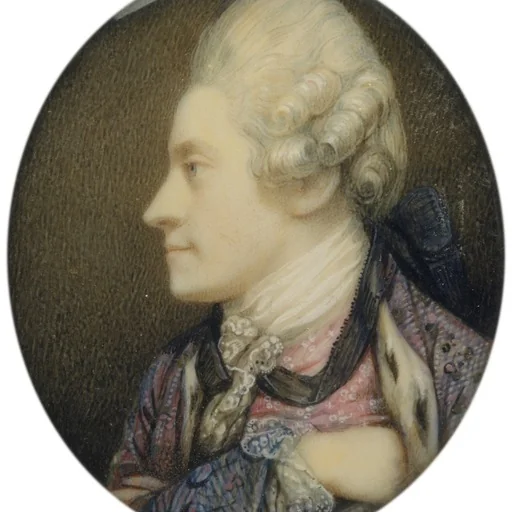
Artist
Richard Cosway (5 November 1742 – 4 July 1821) was a leading English portrait painter of the Georgian and Regency era, noted for his miniatures.