Artwork
Near Chelsea
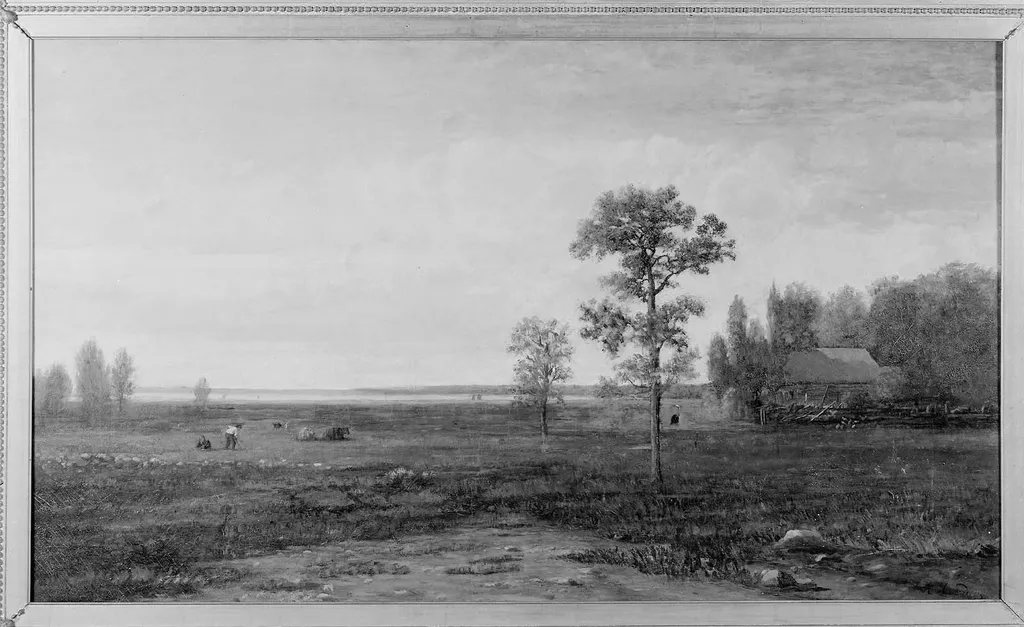
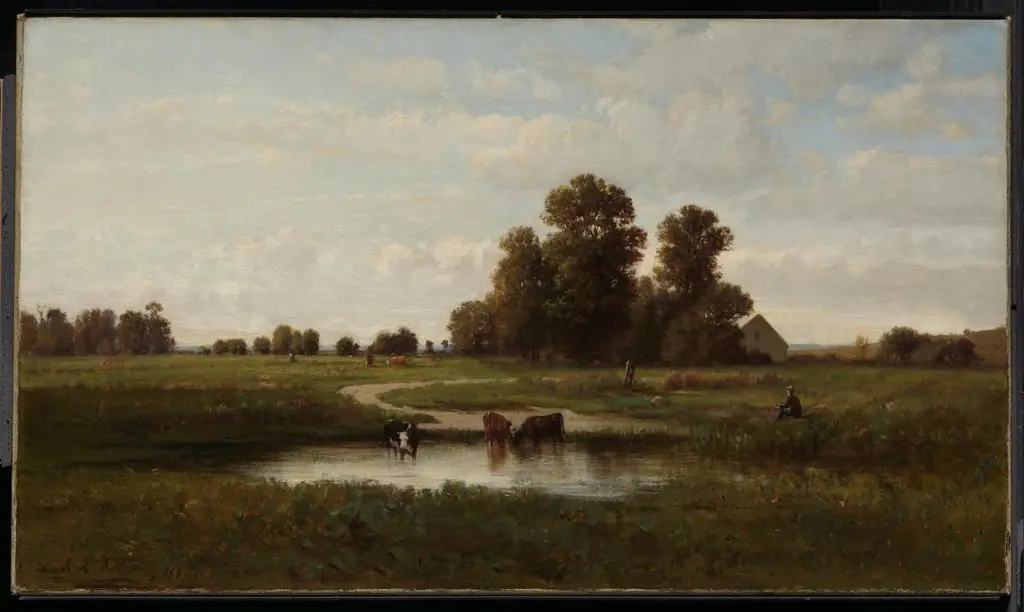
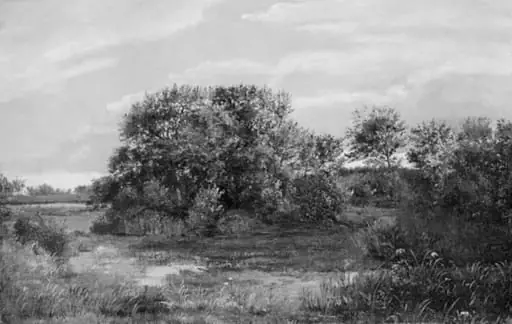
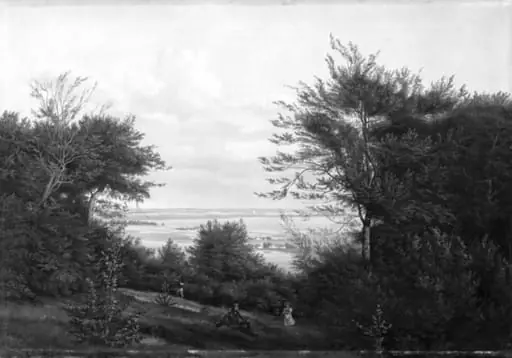
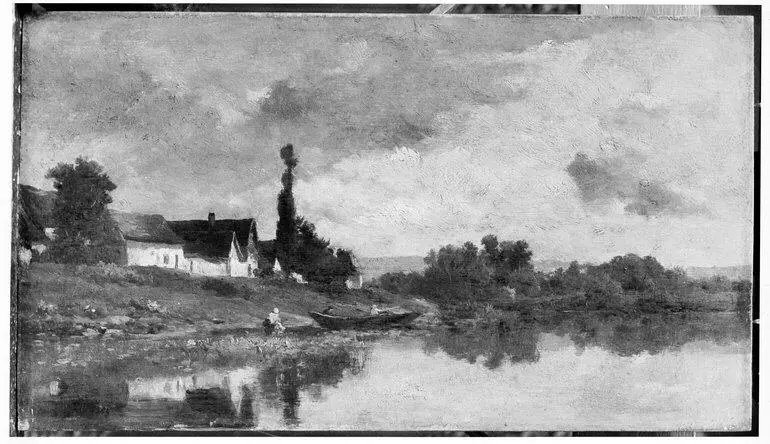
Near Chelsea is an oil painting by the Hudson River School artist Richard Henry Fuller. It dates from 1867 and is held in the collection of the Museum of Fine Arts Boston.
About this work
Overview
Painted in 1867 by Richard Henry Fuller, Near Chelsea is an oil-on-canvas landscape depicting a quiet rural scene near the Chelsea area of London. The work is part of the permanent collection at the Museum of Fine Arts, Boston, where it has been held since its acquisition. Its subdued palette and careful observation of everyday rural life reflect mid-19th-century British landscape traditions.
Subject & Meaning
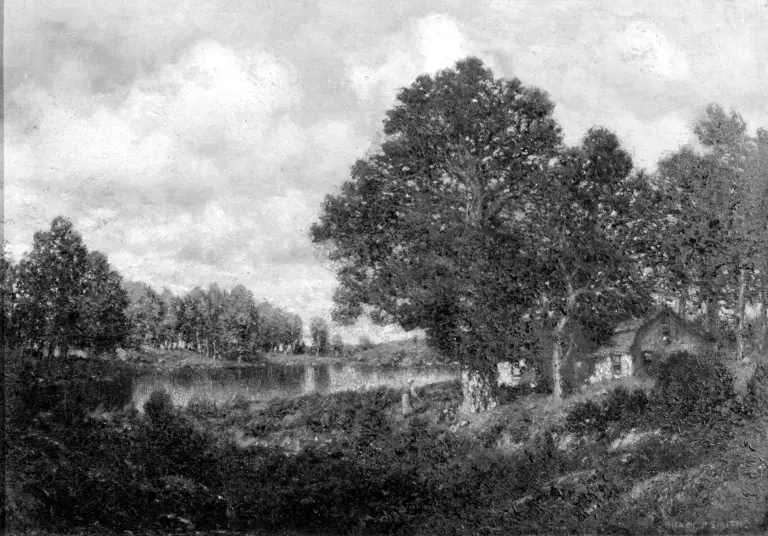
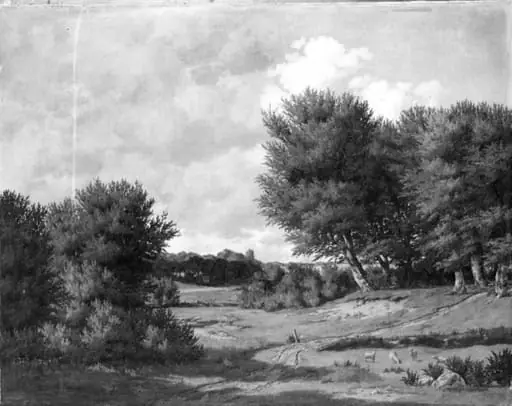
The painting presents a pastoral setting with grazing cattle and figures moving through a field, framed by scattered trees and a modest house on the right.
The painting presents a pastoral setting with grazing cattle and figures moving through a field, framed by scattered trees and a modest house on the right. There is no dramatic narrative; instead, the scene conveys a sense of ordinary, unhurried rural existence. The inclusion of human activity and domestic architecture suggests a quiet celebration of working countryside life, common in Victorian-era British art.
Technique & Style
Fuller employed oil paint with a restrained brushwork, emphasizing texture over bold strokes. The composition is grounded in naturalistic observation, with muted greens and browns dominating the palette. Cloud-covered skies and soft light create a tranquil, overcast atmosphere. Details in the foliage, animals, and architecture are rendered with precision but without theatricality, aligning with the realist tendencies of the period.
History & Provenance
Created in 1867, the painting remained in private hands until acquired by the Museum of Fine Arts, Boston. Its journey to the United States reflects the 19th-century interest in British landscape art among American collectors. No significant exhibitions or documented controversies surround the work, suggesting it was appreciated for its quiet sincerity rather than its novelty.
Context
Fuller worked during a time when British artists increasingly turned to rural subjects as industrialization transformed the countryside. His approach aligns with contemporaries like John Constable and the later Pre-Raphaelites, though without their emotional intensity or symbolic depth. Near Chelsea reflects a middle-ground tradition: neither idealized nor critical, but attentive to the rhythms of everyday rural life.
Legacy
Though not widely exhibited or studied today, Near Chelsea remains a representative example of mid-Victorian landscape painting. Fuller’s work contributes to a broader understanding of how ordinary scenes were rendered with dignity during a period of rapid social change. The painting endures as a quiet record of a vanishing rural world, valued for its honesty rather than its fame.
Artist & collection