Artwork
In the Adirondacks
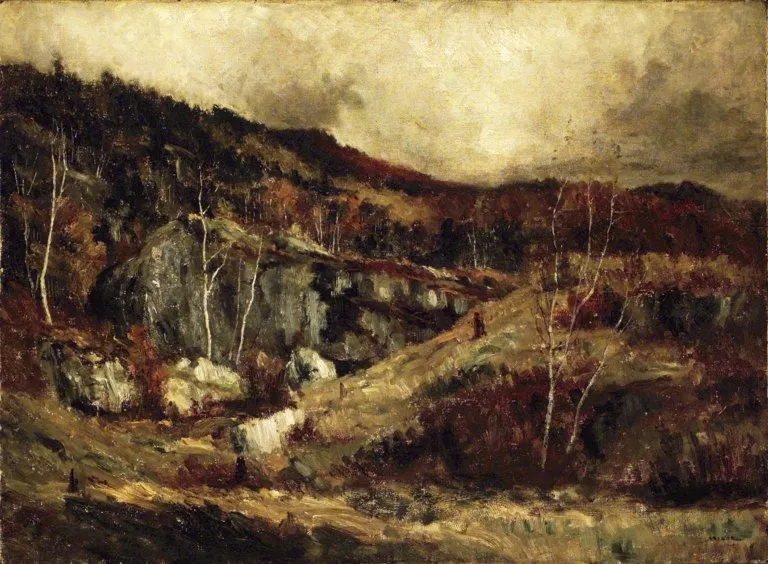
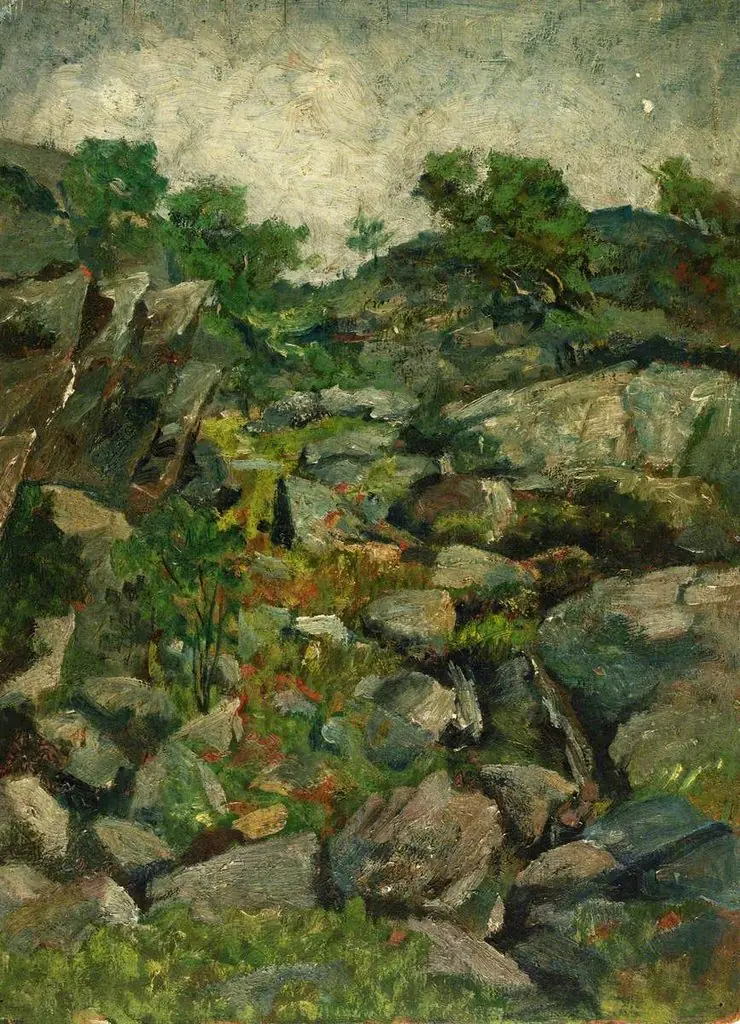
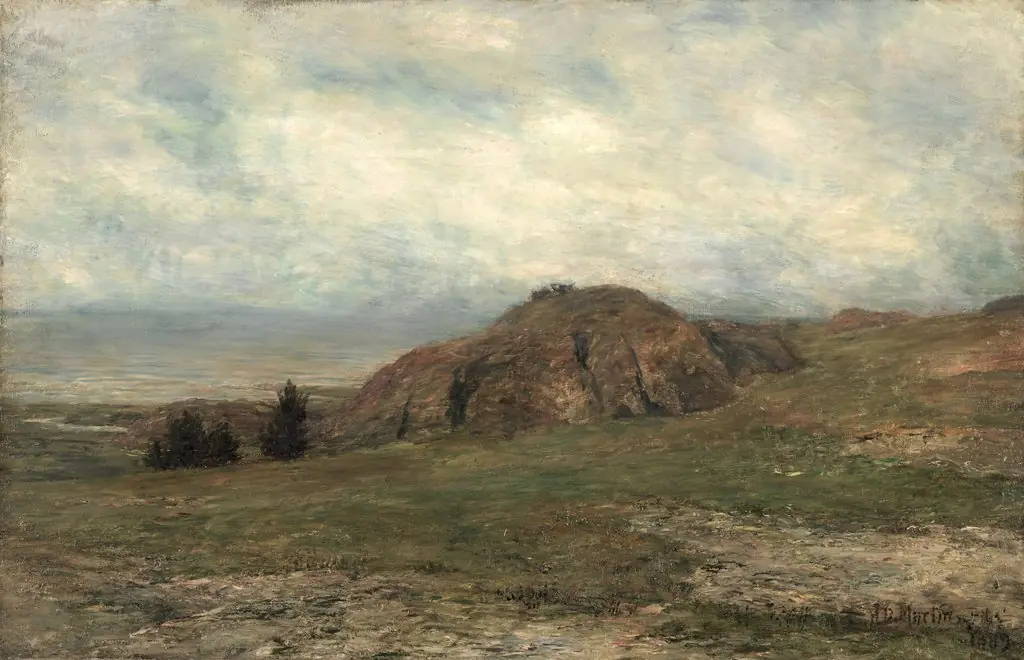
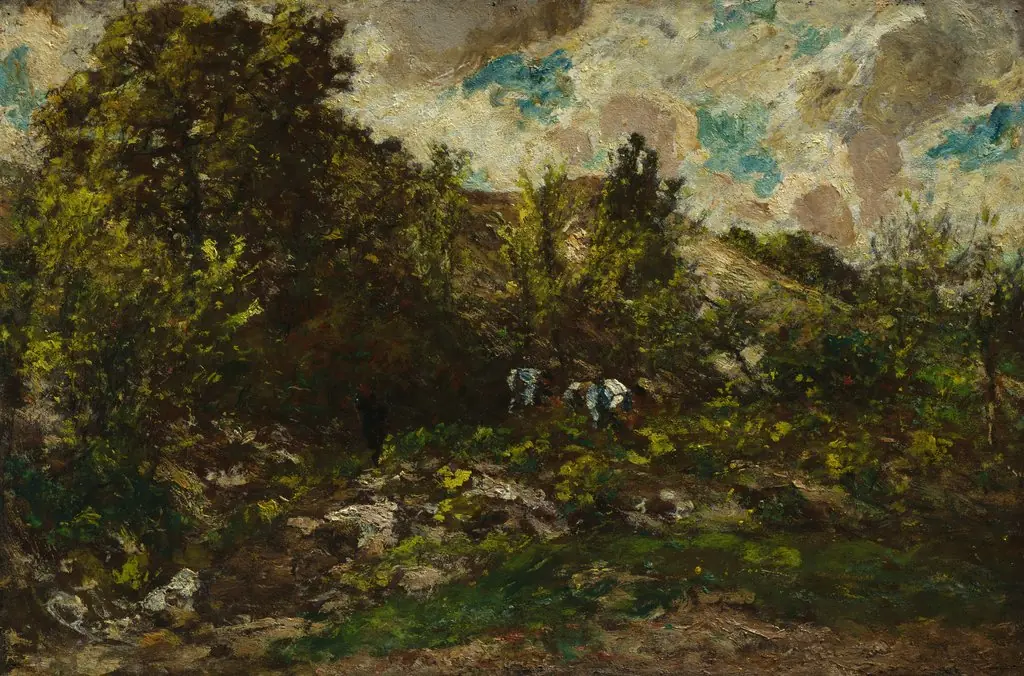
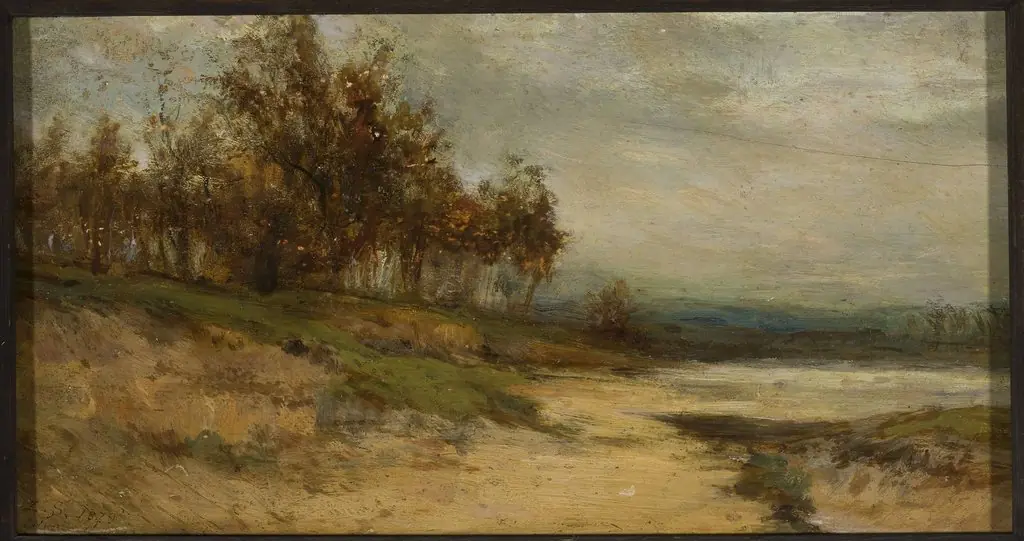
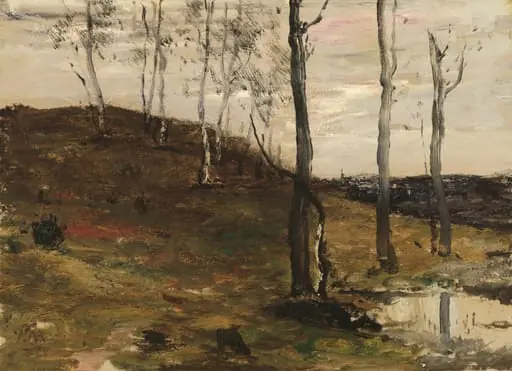
In the Adirondacks is an oil painting by the American Impressionist artist Robert Crannell Minor. It dates from 1896 and is held in the collection of the Brooklyn Museum.
About this work
Overview
He began his artistic career in his early thirties after working as a bookkeeper, later training in New York, France, and Belgium.
Robert Crannell Minor, born in New York City in 1839, created *In the Adirondacks* in 1896 as an oil painting. He began his artistic career in his early thirties after working as a bookkeeper, later training in New York, France, and Belgium. The work is part of the American Impressionism movement and resides in the Brooklyn Museum’s collection, reflecting Minor’s shift from commerce to landscape painting in later life.
Subject & Meaning
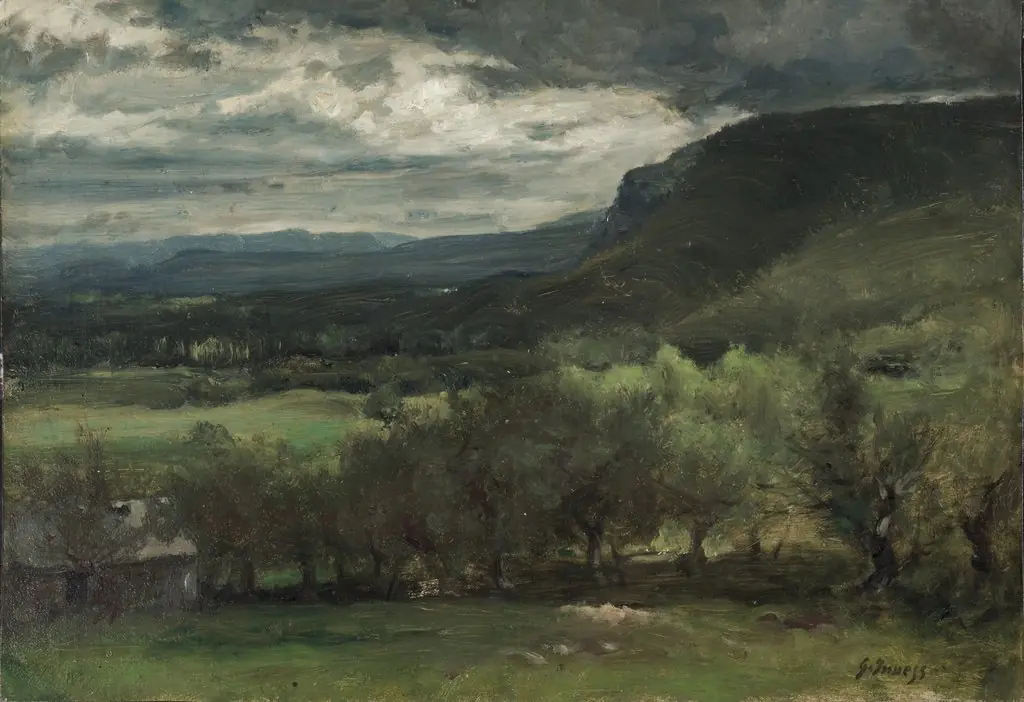
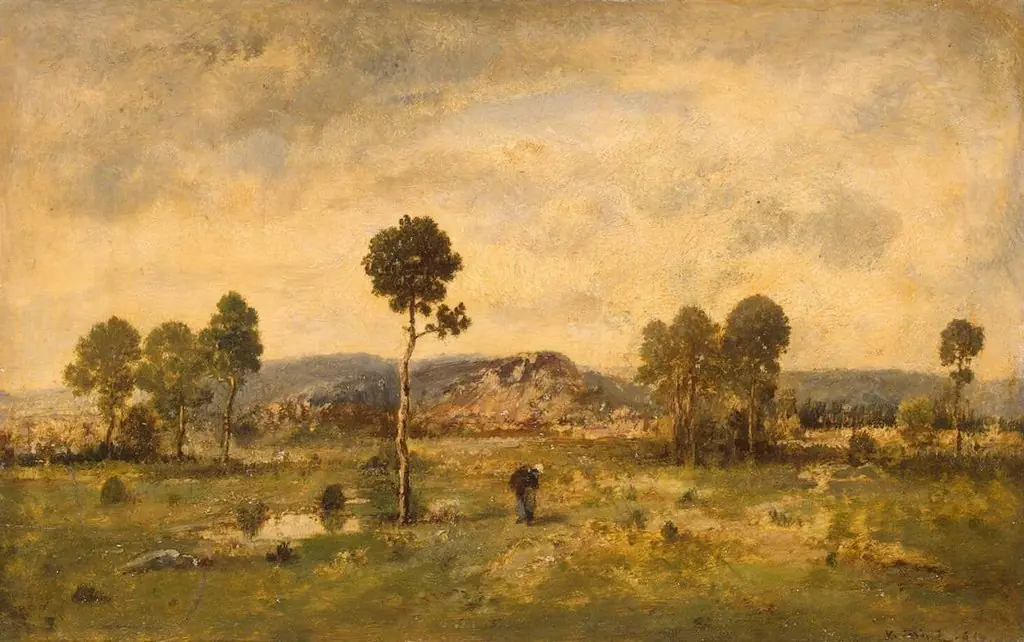
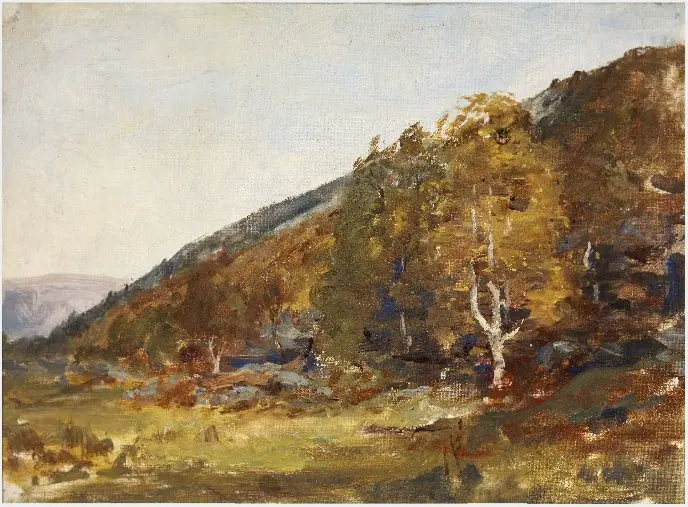
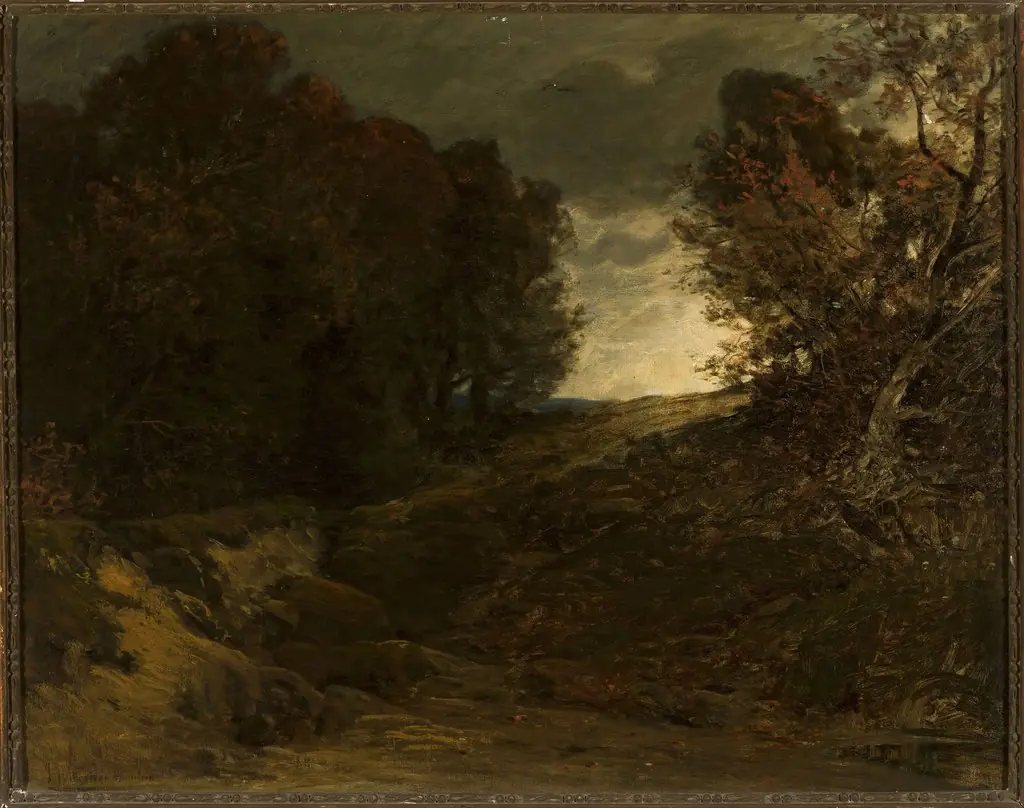
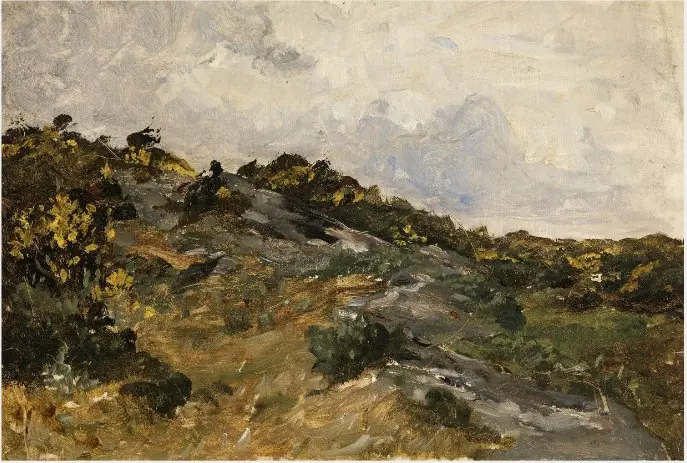
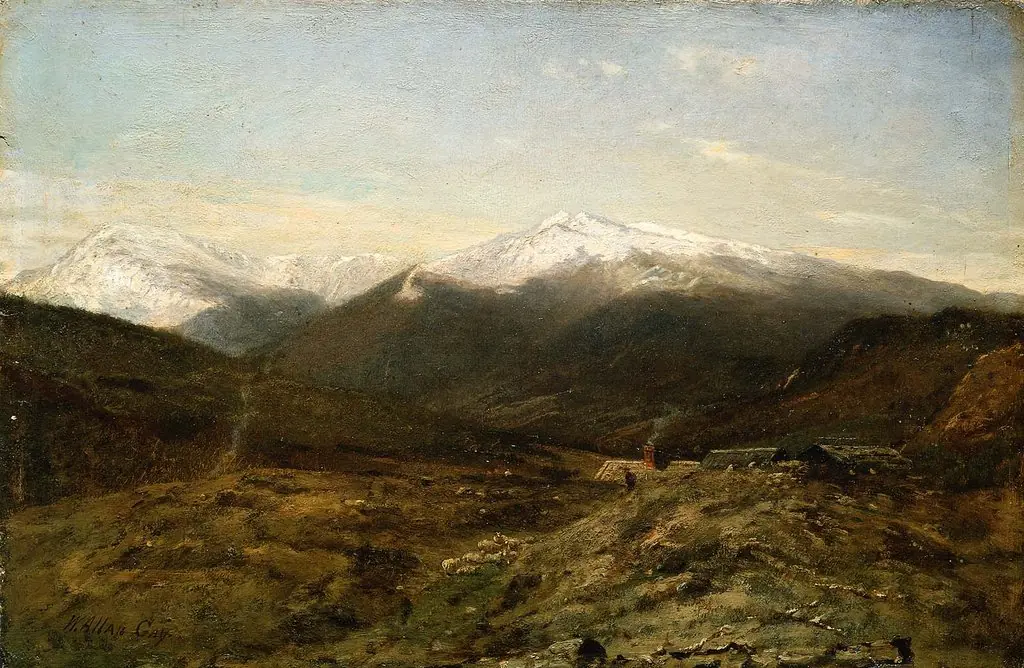
The painting presents a quiet, unpopulated Adirondack landscape—rolling hills, scattered trees, a narrow stream, and exposed rocks. There is no human presence, emphasizing solitude and the quiet endurance of nature. The subdued tones and gentle light suggest a moment of stillness, not grandeur, aligning with a contemplative view of the American wilderness rather than its romanticized sublime.
Technique & Style
Minor employed loose, visible brushwork typical of American Impressionism, capturing light and atmosphere over precise detail. A restrained palette of earthy greens, browns, and soft grays dominates, with subtle shifts in tone modeling the terrain. Light falls evenly across the scene, casting soft shadows that enhance depth without dramatic contrast, reinforcing the painting’s calm, meditative quality.
History & Provenance
Painted in 1896, *In the Adirondacks* entered the Brooklyn Museum’s collection shortly after its creation. Minor’s transition from business to art, and his European training, positioned him within a generation of American painters seeking authentic regional subjects. The work remained in private hands before institutional acquisition, reflecting growing interest in late 19th-century American landscape art.
Context
During the 1890s, American artists increasingly turned to domestic landscapes as national identity evolved beyond European models. The Adirondacks, then a symbol of untouched wilderness, attracted painters seeking respite from urbanization. Minor’s work aligns with this trend, offering a personal, intimate response to nature rather than the monumental vistas favored by earlier Hudson River School artists.
Legacy
Minor’s *In the Adirondacks* exemplifies a quieter strand of American Impressionism focused on understated beauty rather than spectacle. Though not widely known today, his work contributes to the broader recognition of regional landscapes in late 19th-century American art. The painting endures as a record of a personal, reflective engagement with the natural world during a time of rapid societal change.
Artist & collection
Artist
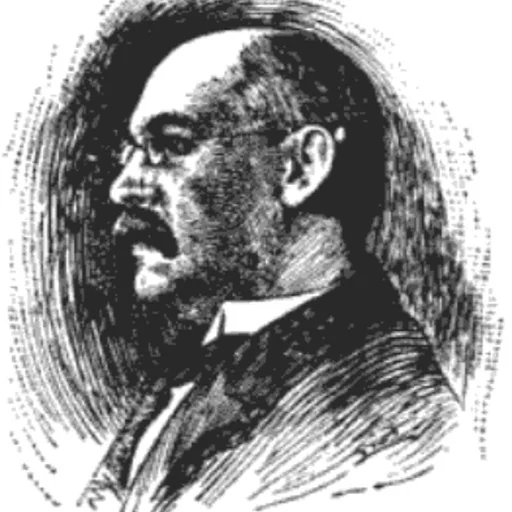
Robert Crannell Minor (1839–1904), American artist, was born in New York City on April 30, 1839.