Artwork
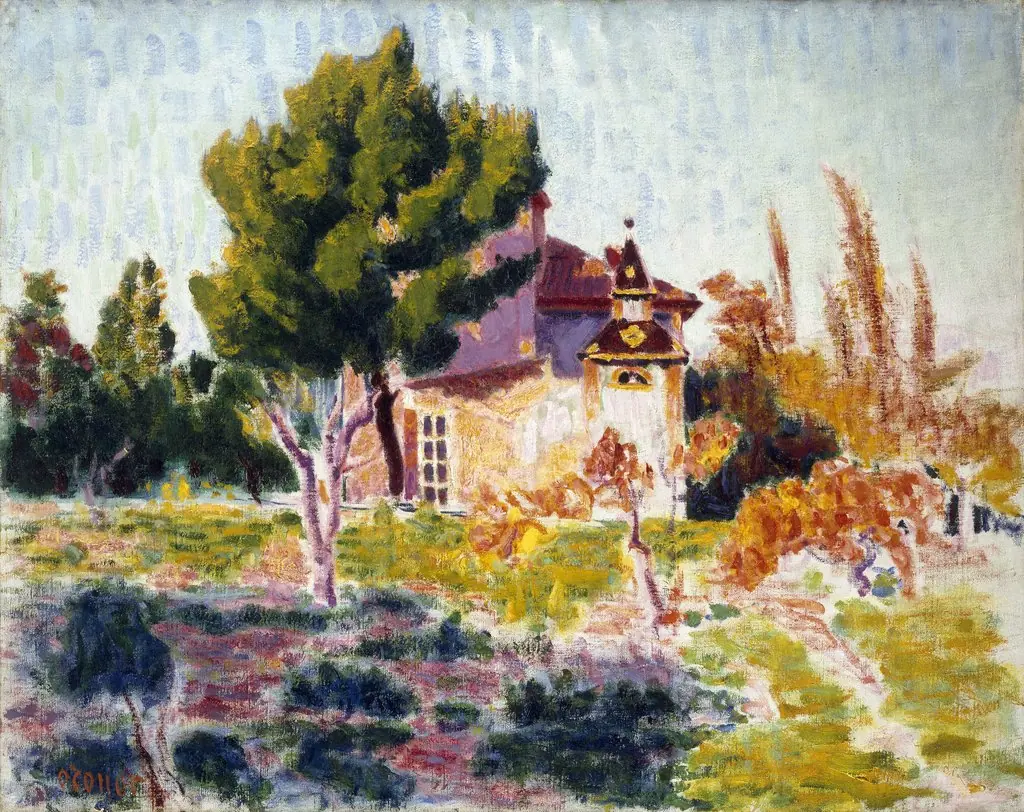
The Farm at Lezaven, Finistère
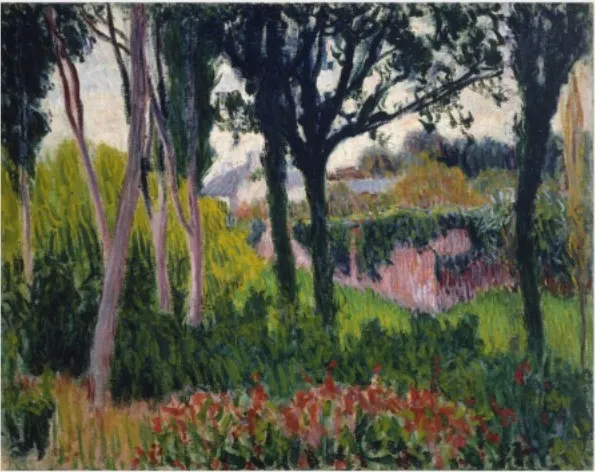
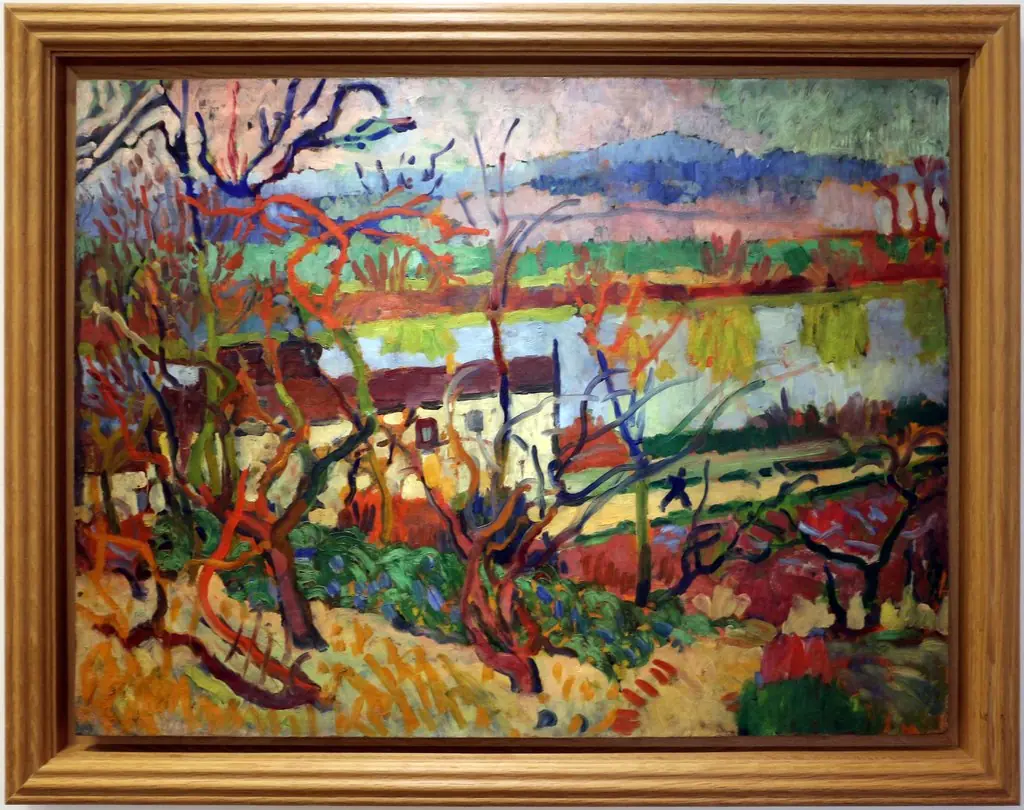
The Farm at Lezaven, Finistère is an oil painting by Roderic O'Conor. It dates from 1898 and is held in the collection of the National Gallery of Ireland.
About this work
Overview
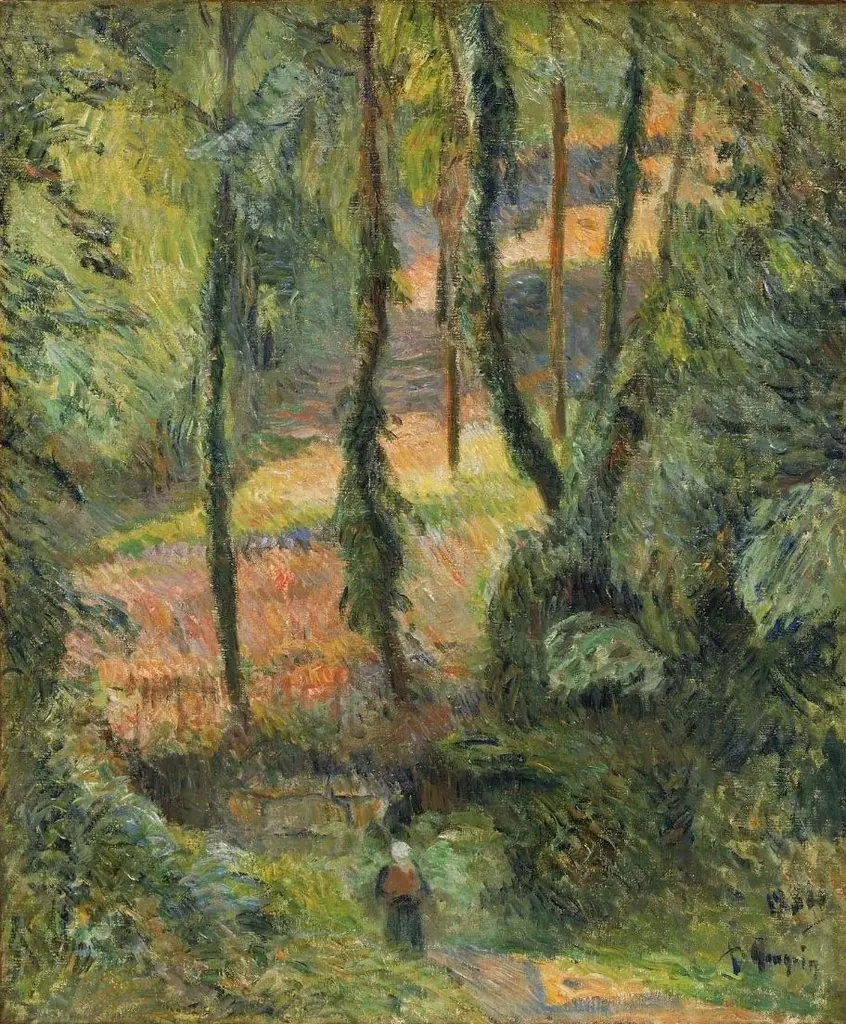
Roderic O’Conor’s 1898 oil work, titled The Farm at Lezaven, Finistère, depicts a tranquil rural garden in the French province of Finistère. The composition centers on a cluster of mature trees and shrubbery, with a modest structure hinted at in the distance. Dominated by a palette of greens and earth tones, the scene conveys a quiet, bucolic atmosphere.
Subject & Meaning
The painting presents a cultivated landscape where towering trunks and spreading branches frame a cultivated garden, suggesting a harmonious relationship between human habitation and nature. The subtle inclusion of a farmhouse or outbuilding in the background hints at agricultural life, while the overall serenity may reflect O’Conor’s interest in the simple, enduring rhythms of rural existence.
Technique & Style
O’Conor employs a vigorous impasto technique, laying thick layers of paint that give the foliage a tactile, almost sculptural quality. Multiple shades of green are layered to model depth and shadow, while occasional touches of red and yellow punctuate the foliage, adding visual interest. The brushwork is expressive and loose, characteristic of late‑19th‑century post‑impressionist tendencies.
History & Provenance
Created in 1898, The Farm at Lezaven, Finistère entered the collection of the National Gallery of Ireland, where it remains on display. The work forms part of O’Conor’s later period, during which he traveled extensively in France and produced a series of landscape paintings that were acquired by several European institutions.
Artist & collection

Artist
Roderic O'Conor was an Irish painter who spent much of his later career in Paris and as part of the Pont-Aven movement. O'Conor's work demonstrates Impressionist and Post-Impressionist influence.