Artwork
Guy Little Theatrical Photograph
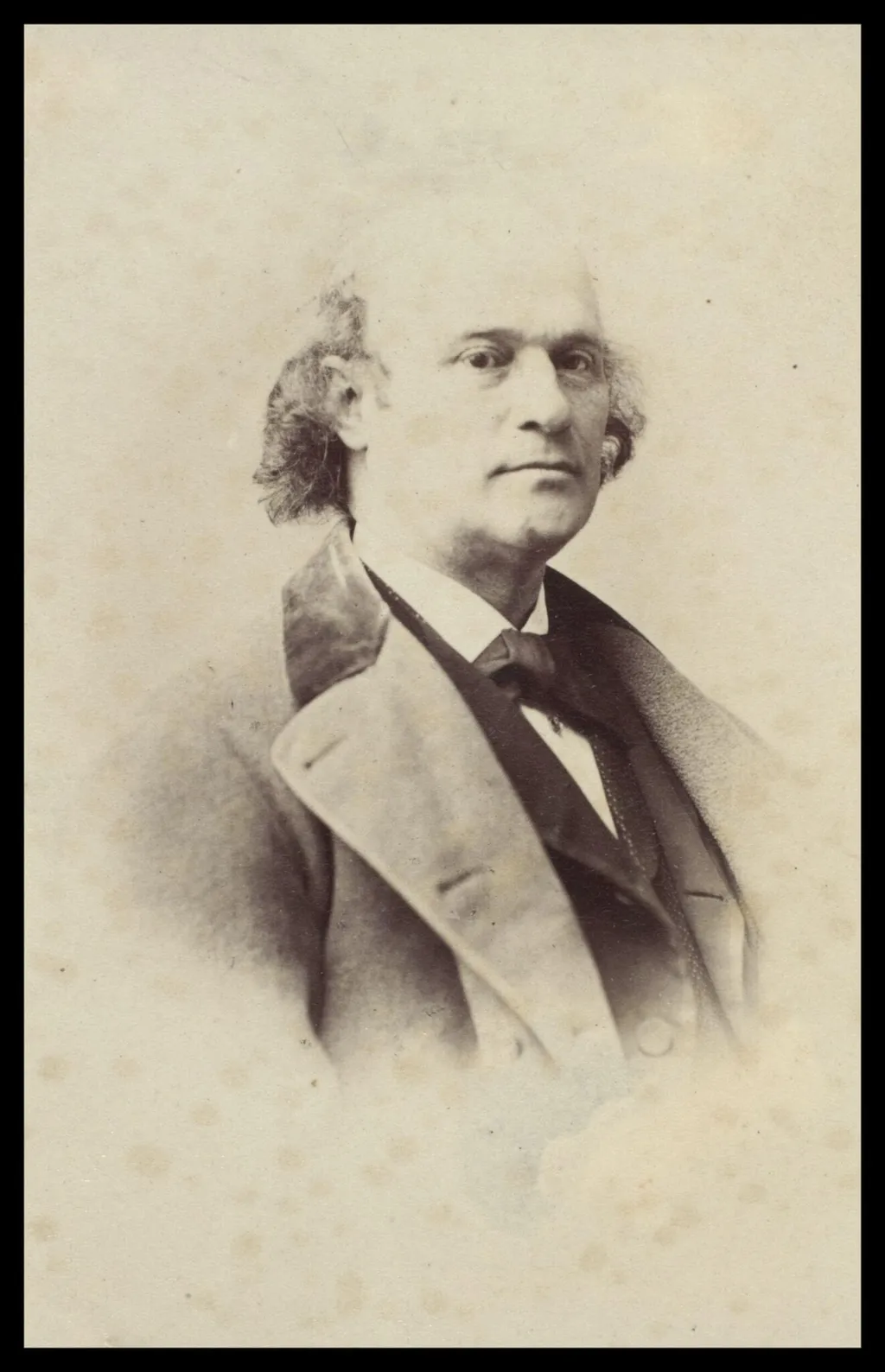
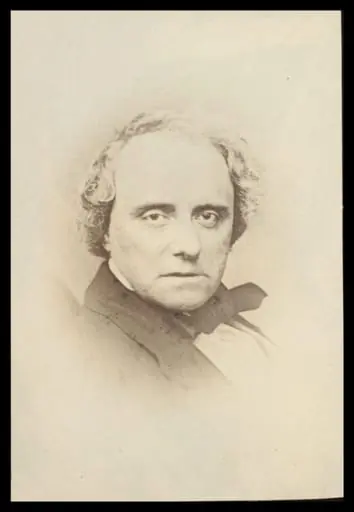
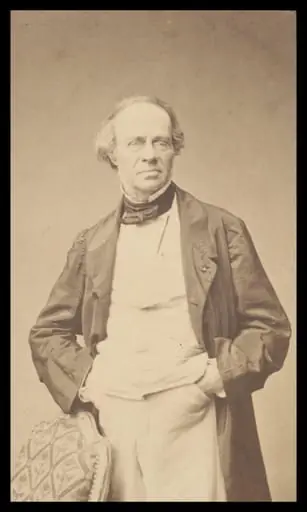
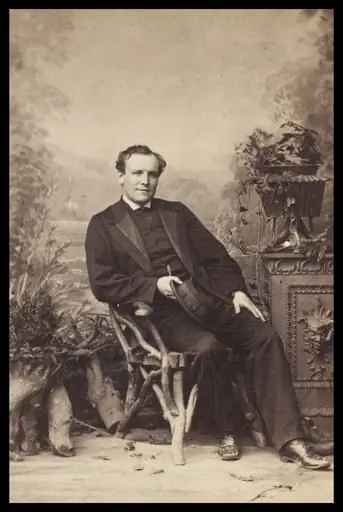
Guy Little Theatrical Photograph is a photographic photography by Rodger. It dates from 1850 and is held in the collection of the Victoria and Albert Museum. This photograph is part of a personal collection assembled by Guy Tristram Little, a solicitor and avid archivist of visual ephemera.
About this work
Overview
This photograph is part of a personal collection assembled by Guy Tristram Little, a solicitor and avid archivist of visual ephemera.
This photograph is part of a personal collection assembled by Guy Tristram Little, a solicitor and avid archivist of visual ephemera. It was removed from its original card mount and bound into an album alongside hundreds of similar theatrical portraits. Little’s collection, later donated to the V&A, preserves a broad spectrum of 19th-century photographic formats, including cartes de visite and cabinet cards, reflecting the era’s fascination with celebrity and image preservation.
Subject & Meaning
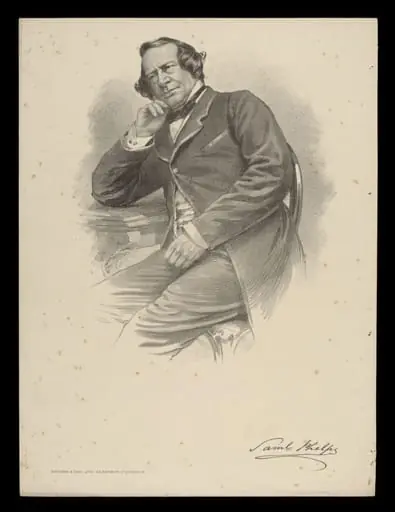
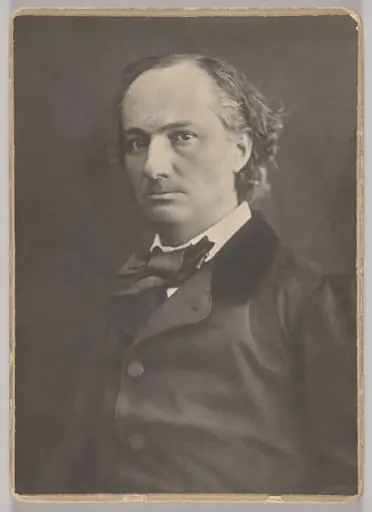
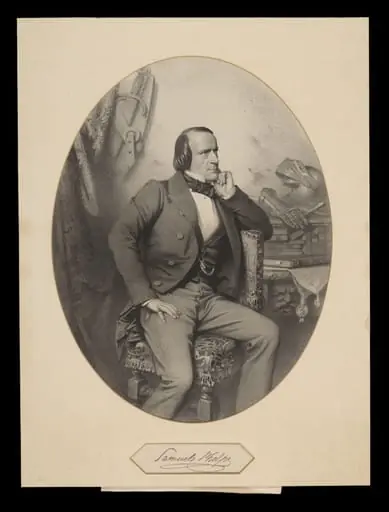
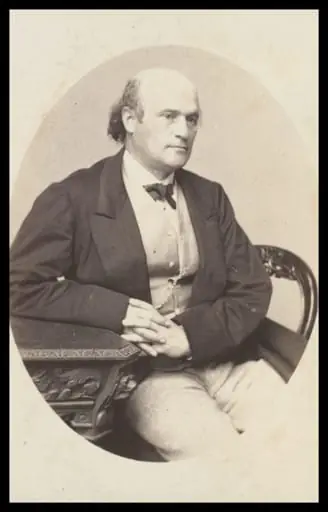
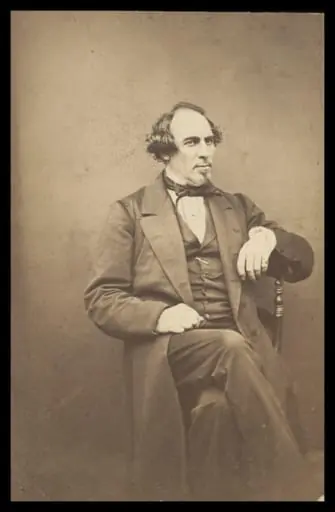
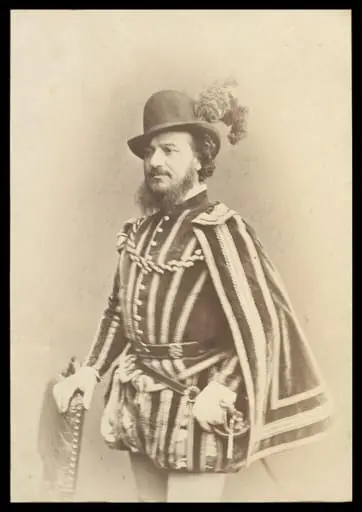
The image captures Alfred Wigan, a prominent Victorian actor, likely in costume or formal attire suited to his stage roles. Such portraits served both as promotional tools and personal mementos, allowing audiences to connect with performers beyond the theater. Wigan’s likeness, reproduced widely, contributed to the cult of theatrical celebrity that flourished in mid-Victorian Britain through accessible photographic formats.
Technique & Style
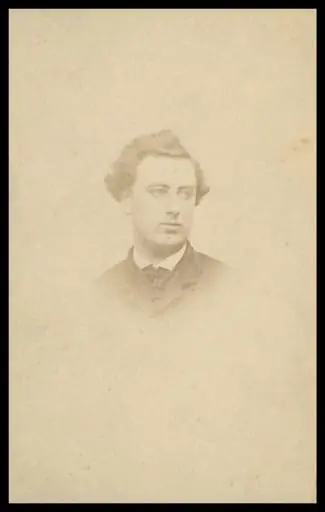
The photograph is an albumen print, made from a glass negative and affixed to a stiff paper card — standard for cartes de visite or cabinet cards of the period. The process produced sharp, tonally rich images with a slight sheen. Though the original mount has been removed, the print retains the characteristic fine detail and subdued palette typical of mid-to-late 19th-century studio photography.
History & Provenance
The photograph was once part of a private collection assembled by Guy Little, who systematically removed prints from their original mounts and organized them into bound albums. After his death in 1953, the collection was bequeathed to the Victoria and Albert Museum. Little, also the executor of Gabrielle Enthoven’s estate, played a key role in transferring her theatrical holdings to the museum, ensuring the preservation of Britain’s performance history.
Context
During the 1860s, cartes de visite became a cultural phenomenon, enabling the middle class to collect images of celebrities, royalty, and scenic views. Theatrical portraits were among the most popular subjects, meeting public demand for tangible connections to stage stars. By the 1880s, larger cabinet cards replaced them, and by the 1890s, postcards and simpler studio portraits began to dominate, signaling a shift in how images were consumed and stored.
Legacy
Little’s collection, now held by the V&A, offers a rare, unmediated archive of Victorian theatrical imagery. By preserving these photographs outside their original commercial formats, he created a resource invaluable for studying performance culture, costume, and public taste. His efforts helped establish the foundation of the museum’s theater collections, ensuring these fragile artifacts survived beyond their intended ephemeral use.
Artist & collection
Artist
Rodger spent his life behind a camera, snapping actors the moment the spotlight hit them.